Hunting the Steinbeck Vineyards in California, it was impossible not to try the different variety of grapes hanging on the half a million vines lining the hills. Each variation of green and purple grape had its unique flavor. The deer targeted the tender leaves and grew fat on the canopy that green cover, especially on the younger vines.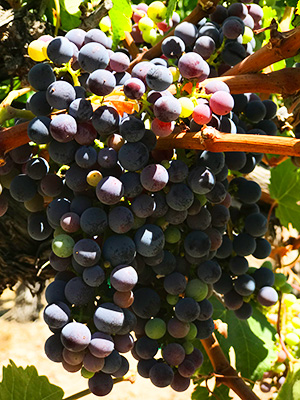
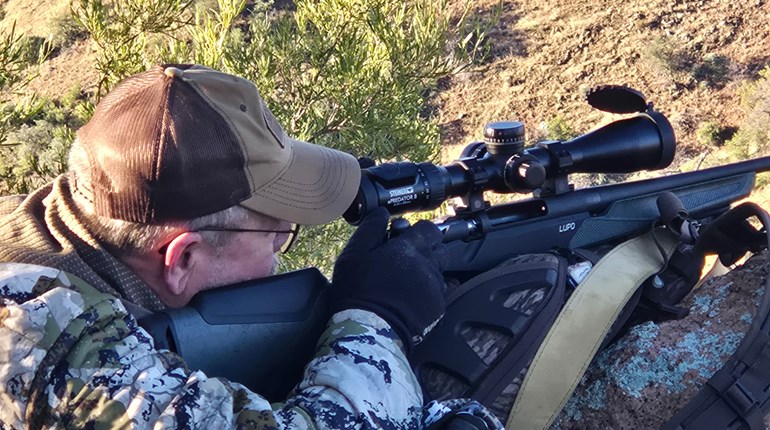
I harvested my first California black-tailed deer with a Mossberg Patriot MVP-LR between two rows of young grapevines, and couldn’t help but think there was much more to the vineyard than just grapes. The venison and grape leaves seemed to be a perfect pairing.
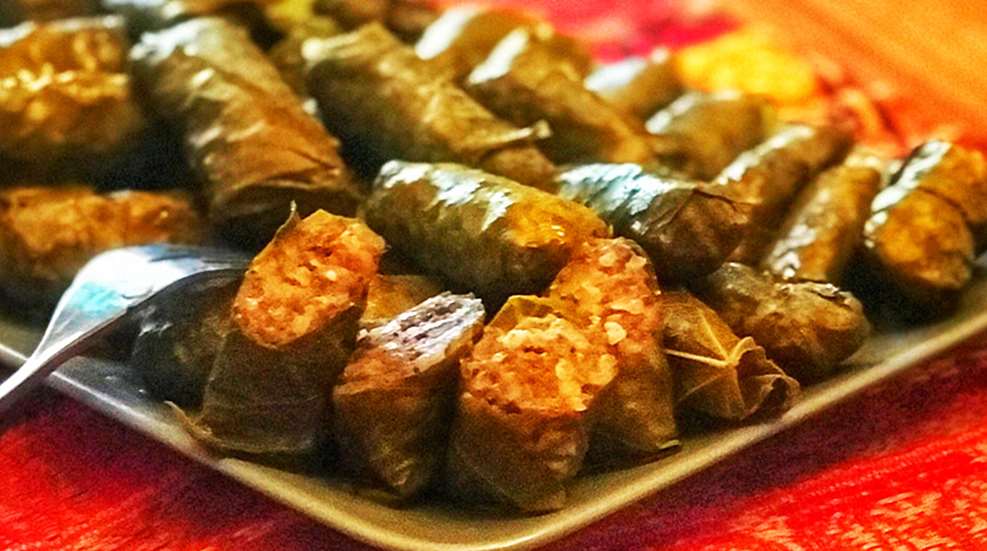
My mother-in-law rejoices at the mention of using the grape leaves and immediately went to work, showing us how to make dolmades, which are similar to a cabbage roll, with unique and distinct tastes and texture. I dream of harvesting another vineyard buck and pairing it with grape leaves to make more dolmades.
If you have grapes growing close, you’ll want to harvest some of the leaves, and pair them with some local venison to make dolmades that will have you wondering what type of wine to serve with the hearty yet dainty rolls.
Ingredients
• 30-50 fresh, young, tender grape leaves
• 1 lb. ground venison
• 2 medium tomatoes, seeded and finely chopped
• 3 large garlic cloves, minced
• ½ medium onion, minced
• ¾ cup arborio rice
• 2 tablespoons olive oil
• 1 teaspoon salt
• ½ teaspoon pepper
• ¾ teaspoon cinnamon
• ½ teaspoon cumin
• ½ teaspoon allspice
• 1 large potato
• 1 teaspoon lemon zest + juice of 2 lemons
• Approximately 2 cups chicken broth (depending on the size of pot used)
Directions
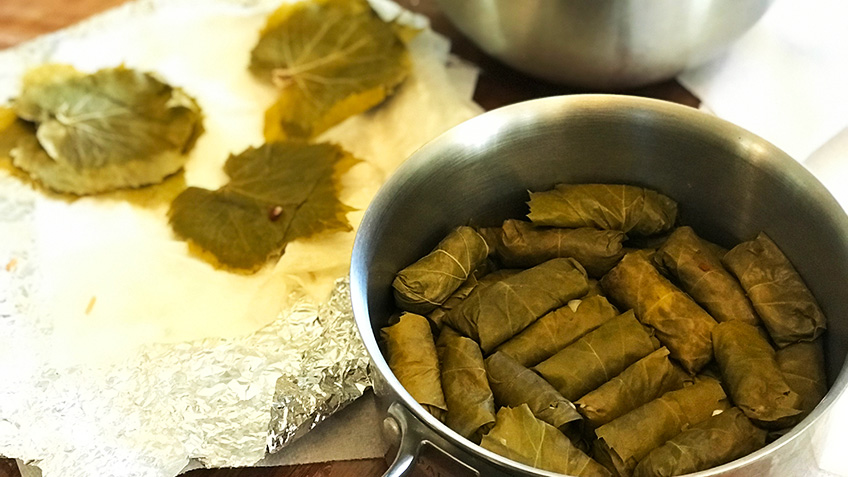
1. Wash grape leaves. Boil a kettle of water and blanch the leaves by pouring the hot water over the leaves in the sink with the stopper in to submerge the leaves. Repeat if necessary, to ensure all leaves are covered. Stir the leaves in the sink so that all parts get blanched; the leaves will turn from green to brown. Remove leaves and let them drain and cool in a sieve. Once cool, sort the leaves into piles by size.
2. Using your hands, gently mix the meat, tomatoes, garlic, onion, rice, oil, spices and lemon zest in a bowl.
3. Slice the potato into half-inch slices and arrange them in a single layer in the bottom of a large pot. You may have to cut some of the slices to fill any large voids, as this is where the dolmades will rest upon when cooking. The dolmades shouldn’t touch the bottom of the pot.
4. Take one grape leaf and place it good side down (with the underside of the leaf facing up) on your work surface. Place approximately one tablespoon of the meat mixture near the base of the leaf, then roll up tightly beginning at the base, and fold in the sides of the leaf as you go. Pinch off any tough mature stems if necessary. Place the roll seam side down in the pot on top of the potato slices. Repeat until you run out of filling, packing the dolmades in layers.
5. Position a plate that is small enough to fit in the pot but large enough to cover the dolmades over top of the contents in the pot, and put one or two rocks, preferably from the vineyard (previously washed in boiling water), on top of the plate to weigh it down (or use any other heavy object that would fit in the pot with the lid on). The weight keeps the dolmades from floating and moving around.
6. Pour the lemon juice around the plate and over the dolmades and do the same with the broth until the dolmades are almost covered. Put the lid on and bring to a boil. Reduce heat to a gentle simmer and cook until the rice is done, about 20 minutes, or as directed on the rice packaging.
7. Serve warm with a hefty drizzle of olive oil and fresh lemon juice.
*Pro Tip: Use the potatoes and rich dolmades broth as a base for a quick soup.
For more delicious wild-game recipes, click here.