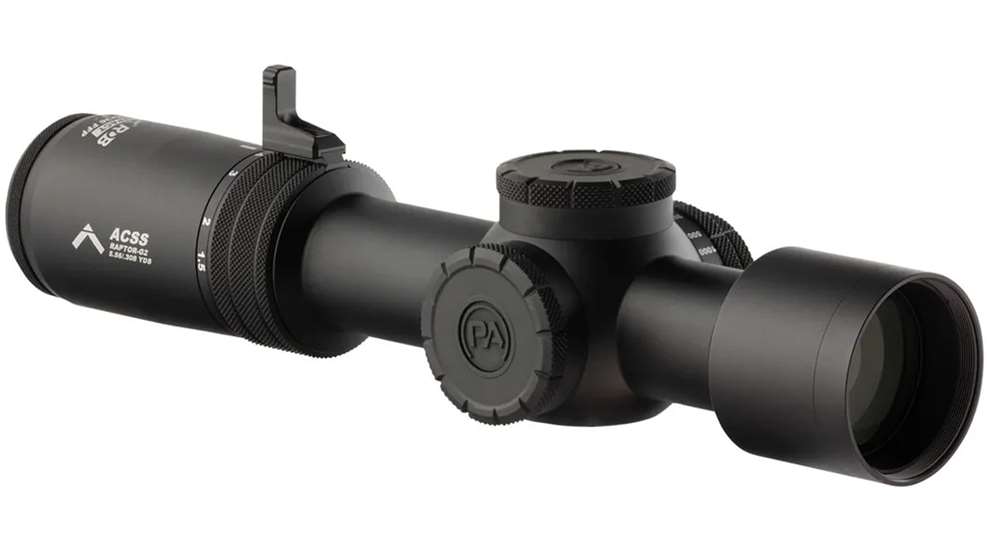
Primary Arms Optics has released its PLx Compact 1.5-12x36mm FFP RDB, the latest addition to its PLx Compact lineup. The optic pairs Japanese ED glass with a 1.5-12x magnification range and Red Dot Bright diffractive reticle technology, all on a 30mm chassis that measures 9.75 inches long and weighs 19.67 ounces.
Built in Japan around extra-low dispersion (ED) glass, the 1.5-12x36mm FFP RDB boasts edge-to-edge clarity and accurate color across the full zoom range. The 36mm objective and fully multi-coated lenses are designed to reduce chromatic aberration, enhance light gathering in low-light and twilight, and improve the eye box at every magnification. Internal adjustment is generous: 100 MOA of elevation, 50 MOA of windage, with parallax adjustable from 10 yards to infinity.
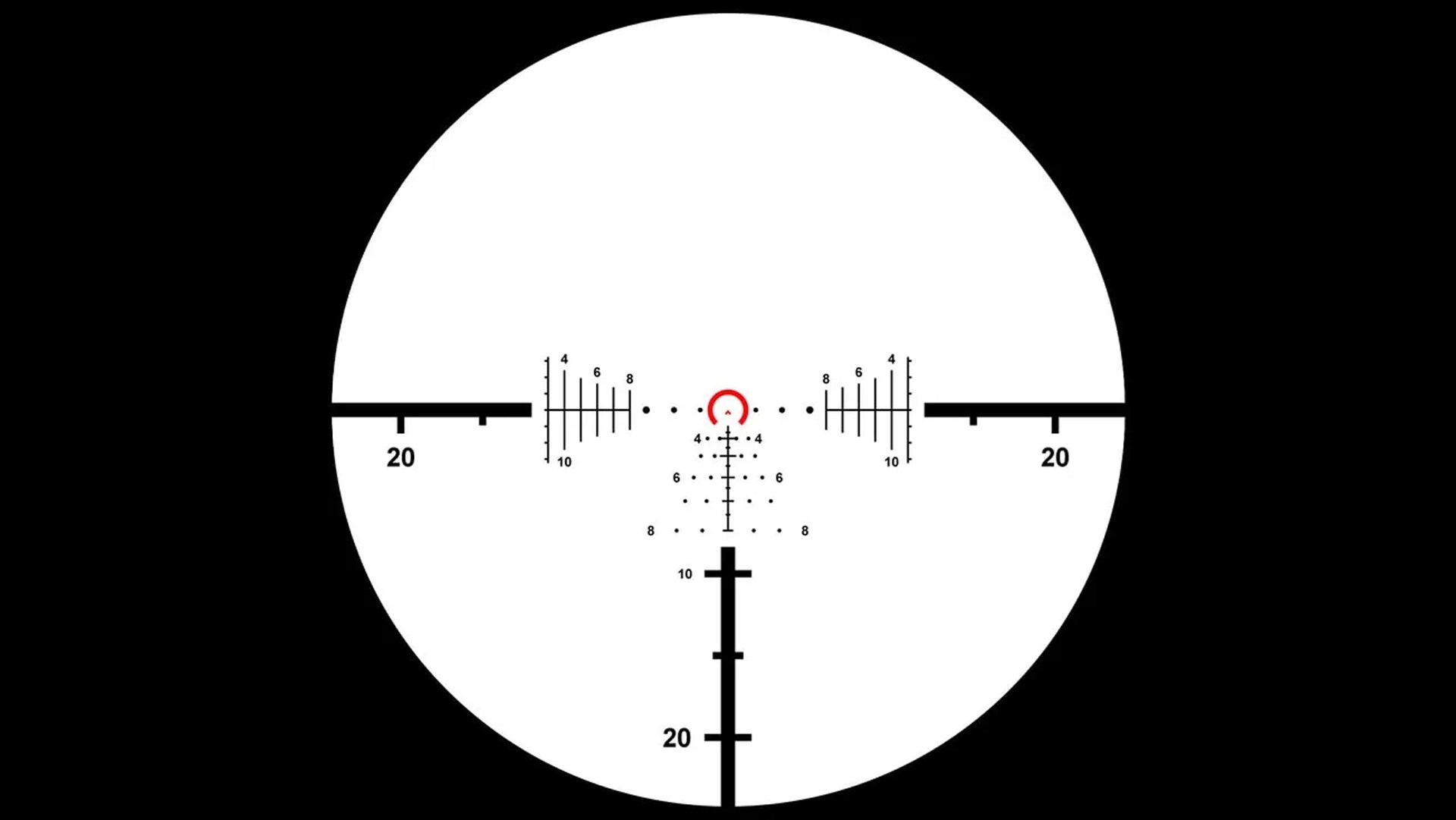
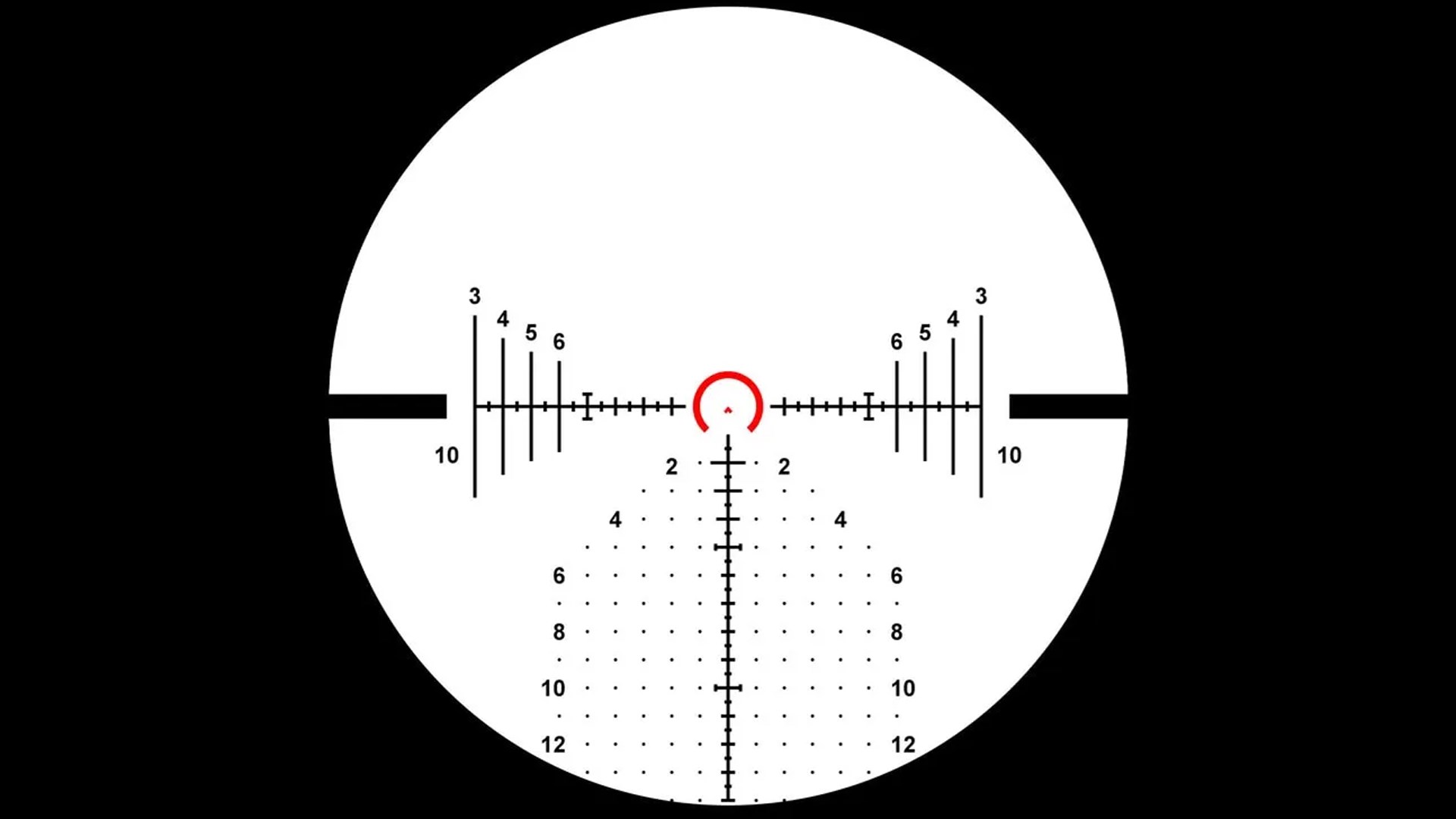
The scope is offered with two ACSS reticle options. The ACSS Raptor 5.56 Yard G2 is calibrated for 5.56, .308 and similar cartridges, combining a proven BDC system with a true Red Dot Bright horseshoe and chevron, full ranging stadia, wind holds and moving target leads. The ACSS Griffin MIL G2 uses a M-Rad-based grid with an illuminated chevron center for fast acquisition at low power and precise holds at higher magnification. AutoLive motion-sensing illumination puts the dot to sleep when the rifle is at rest and wakes on contact.
"The PLx Compact 1-8x has been one of the most successful optics we've ever launched, and our customers have been clear about what they wanted next: more magnification without losing the compact form factor," says Stephen Morgan, senior director of Sales and Marketing at Primary Arms Optics. "The 1.5-12x36 gives them that, with the same Japanese glass and RDB technology our PLx line is known for. It's one of the most versatile rifle scopes we've ever built, and it can excel on almost any platform."
Beyond the longer magnification range, the PLx Compact 1.5-12x36mm FFP RDB carries the same build standards as the rest of the line. The body is waterproof, fog resistant, and extreme-element tested. The user-configurable Steel-On-Steel (SOS) elevation turret can be set up capped or exposed depending on the shooter's preference, and the dovetail magnification throw lever is UML-compatible. Like every PLx optic, the 1.5-12x36mm FFP RDB is backed by Primary Arms' Lifetime Warranty.
For more information, visit primaryarmsoptics.com.