April 1, 1985. I was in college at the University of Oregon. But rather than hitting the books, I glassed for bears from a turnout on the side of an old logging road. It was opening day of bear season.
“Whatchya looking fer,” grumbled a rough looking, bearded man as he rolled his truck to a stop next to me. “Bears,” I answered. “Come back the last week of the season, that’s when the elk are calving. Find a herd of cows and you’ll kill your bear. That’s how I get mine every year, and you’ll save some elk, too!” He was a man who’d spent a lifetime felling trees in the bear woods, and I took his words of wisdom to heart.
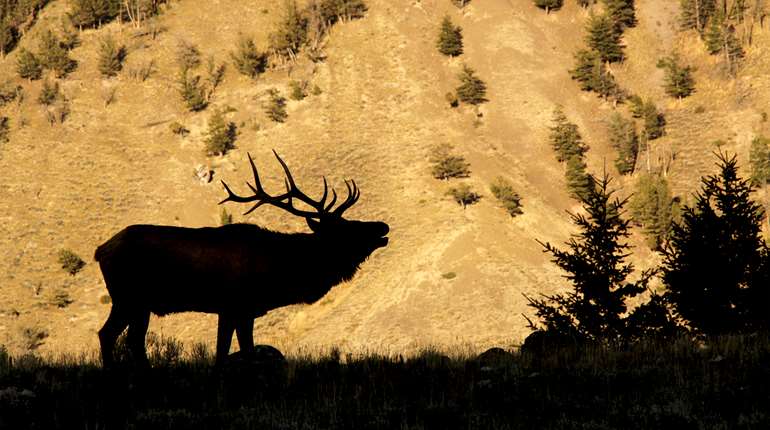
More than 20 years later I interviewed a biologist about the impact cougars were reportedly having on elk herds in a certain game management unit of the state. “You’re asking the wrong question,” he came back. “Ask me how many calves are being killed by black bears. Bears are the reason elk herds are declining.” Come to find out, about 70 percent of the calf elk were being killed by bears, most during calving time.
If searching for a mature boar this time of year, know they’re driven by food and an urge to mate. My biggest brown bear came late in the season. The 10-foot-9-inch brute covered more than 75 miles from its den in the mountains to comb the beaches for food and search for sows in heat. A number of the biggest black bears I’ve shot have come in the final days of May, when boars are on the move, feasting on grass and sniffing wind currents and the ground for clues of receptive sows.
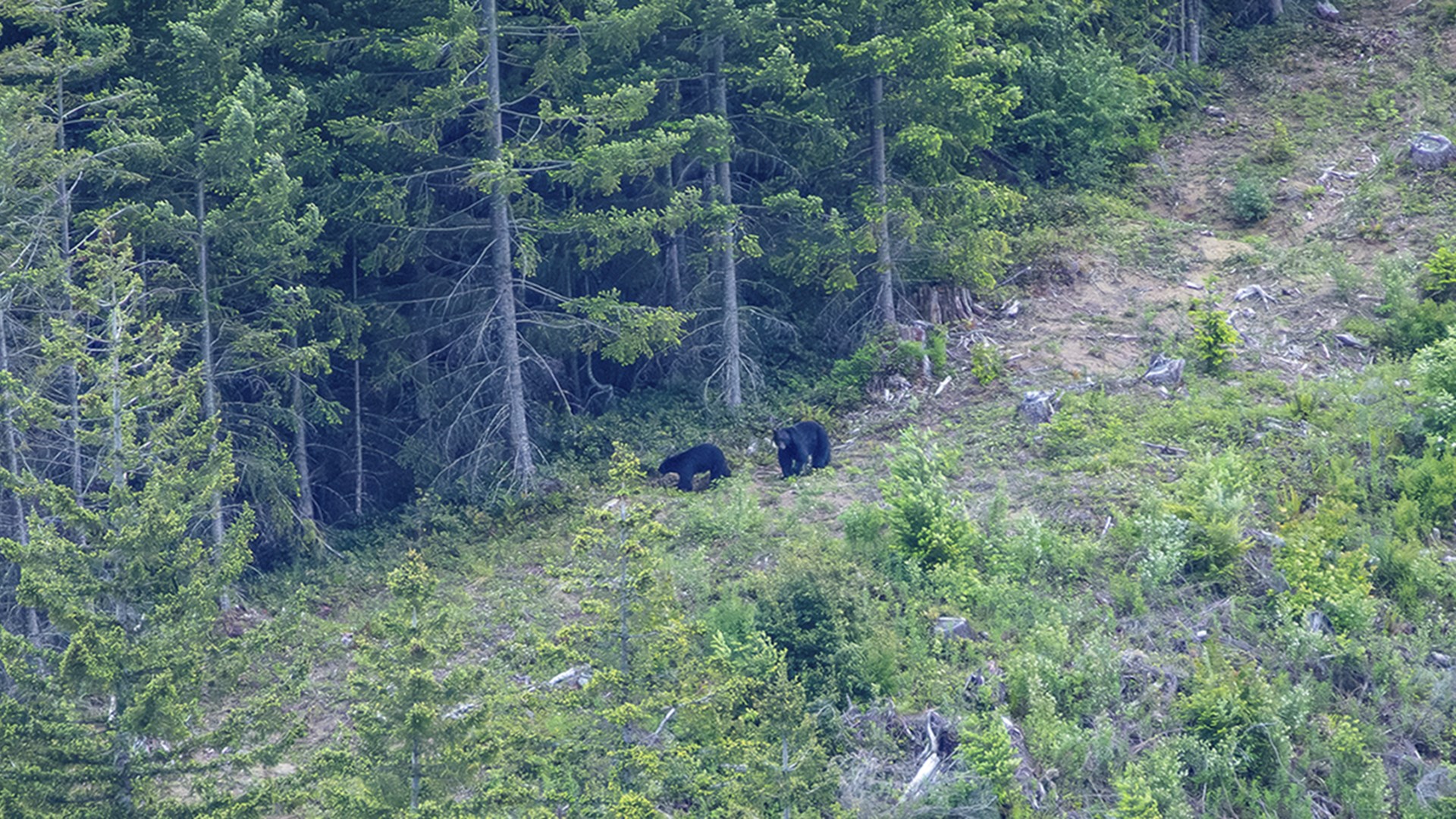
I once participated in a bear collaring project with the Oregon Department of Fish and Wildlife. Boars were tracked covering 25 miles a day in the roughest, steepest mountains of the Cascade Range from late May through June, the black bear rut.
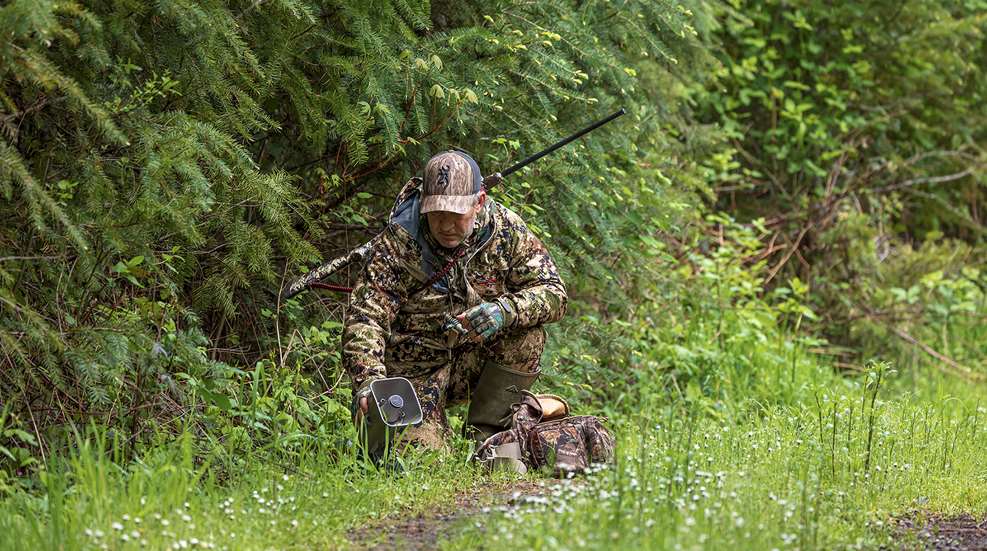
My favorite way to hunt bears is calling them in. The best results have come in late May when testosterone levels are high and boars are hungry. The highest percentage of success happens by first spotting a bear, then observing how it responds once calling commences. Sometimes a boar will immediately come on the run, other times they turn and run the opposite direction, and sometimes they’ll take over an hour to saunter to within shooting range.
If it’s brushy and you can’t locate a bear prior to calling, look for fresh scat and tracks. The fresher the sign, the better the odds of calling in a bear for the simple reasons it’s close and can hear your sounds. Bear scat quickly oxidizes, so dig through it with a stick to learn how fresh it is. I’ve seen it turn dark in less than 30 minutes on a hot day in direct sunlight. While the outer crust may be black, the inside of fresh scat will be green or yellow and full of undigested grass.
As for sounds that bring in bears, distressed calf elk, fawn and birds have been top producers for me in the spring. Rabbit and livestock distress sounds are also good.
Where legal, an electronic call allows you to keep sounds continually rolling and the volume cranked. If you can see a bear and it loses interest, switch sounds. Don’t be afraid to mix up sounds. And don’t pause as you would when calling coyotes or cats. I’ve watched too many bears lose interest when there’s a pause, and recapturing their attention is often nearly impossible.
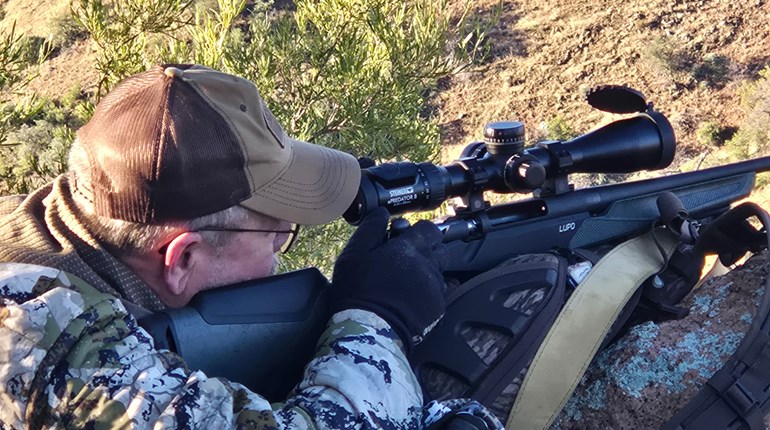
Covering ground with your eyes, not your feet, is the most efficient way to find a bear late in the season. Glassing known travel routes like logging roads, game trails, the edges of logged units and open hillsides is time well spent.
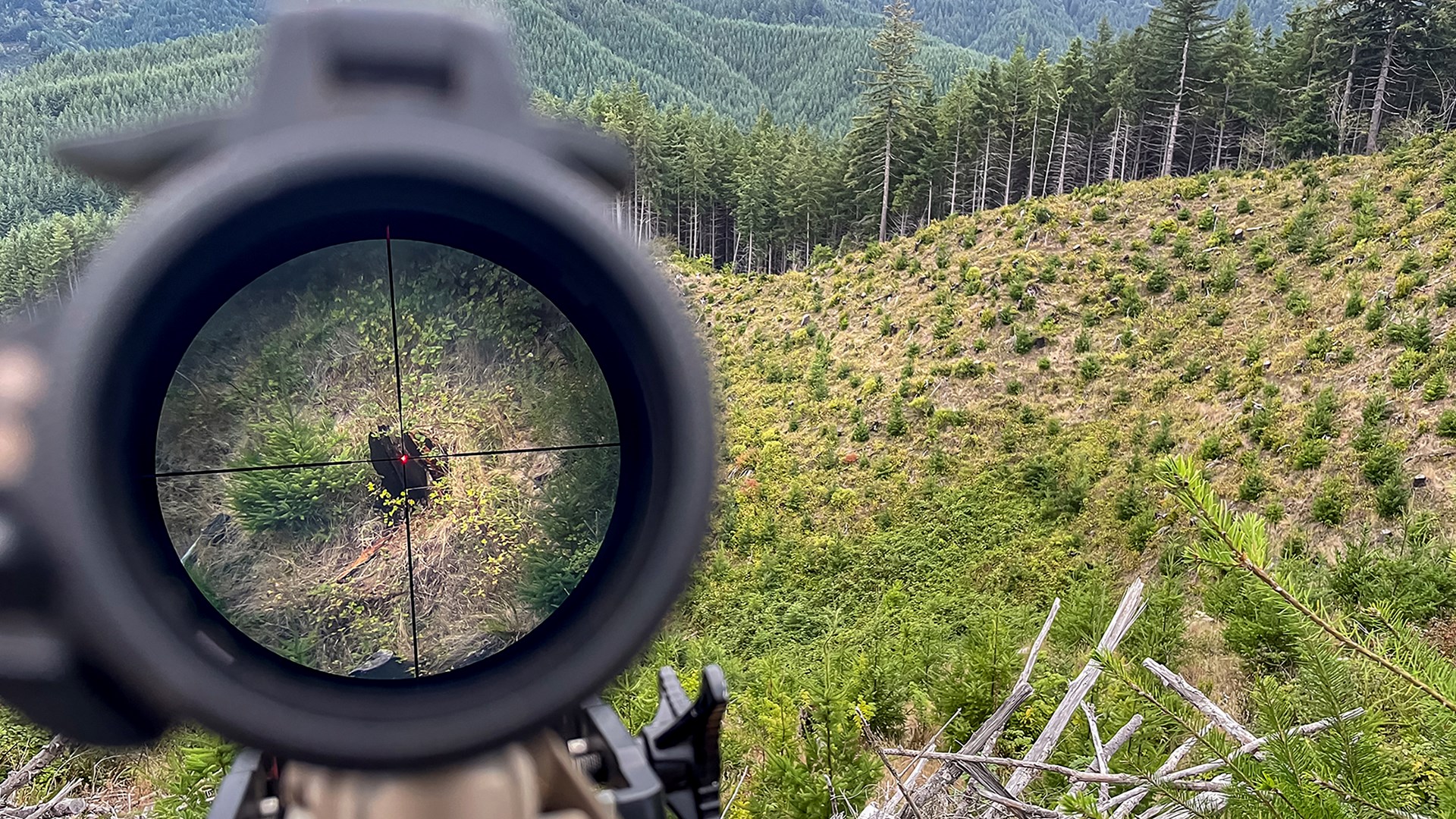
Having a quality binocular and a spotting scope allows you to glass all day without eye fatigue. A sturdy tripod ensures you remain steady, which is important when glassing from high spots often tormented by wind.
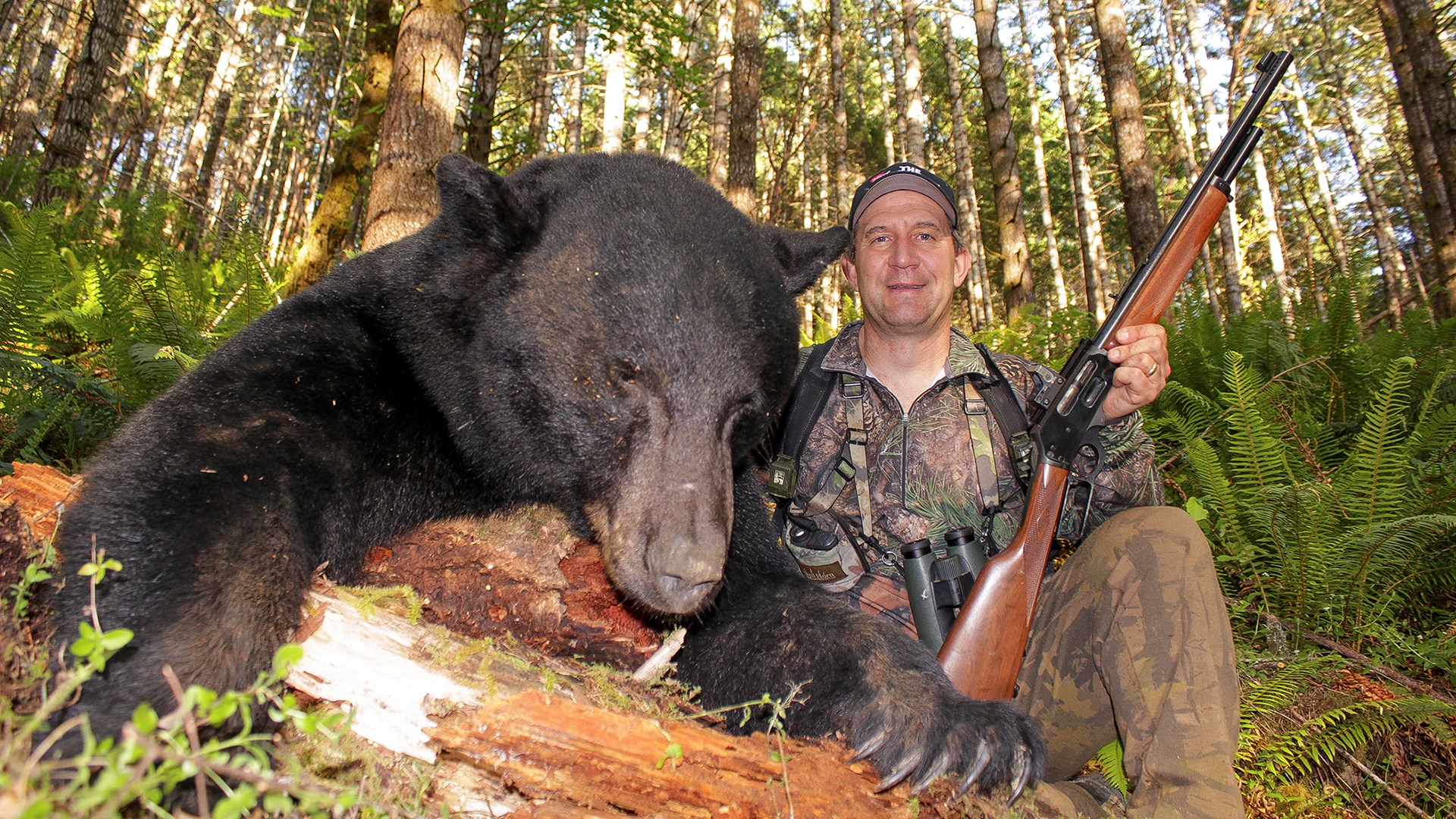
Bears are largely crepuscular, but late in the season you might find a bear any time of day. One of my biggest black bears came in the final week of the season at 2 p.m. amid 80-degree temperatures. The massive boar followed a sow out of the timber, intent on one thing.
A high number of bears are shot in the closing minutes of daylight. This is when boars are most active. Being prepared to break down and pack out a bear in the dark will make the decision easy as to whether you should pull the trigger. Don’t leave it overnight, as bear meat and fat quickly spoil.
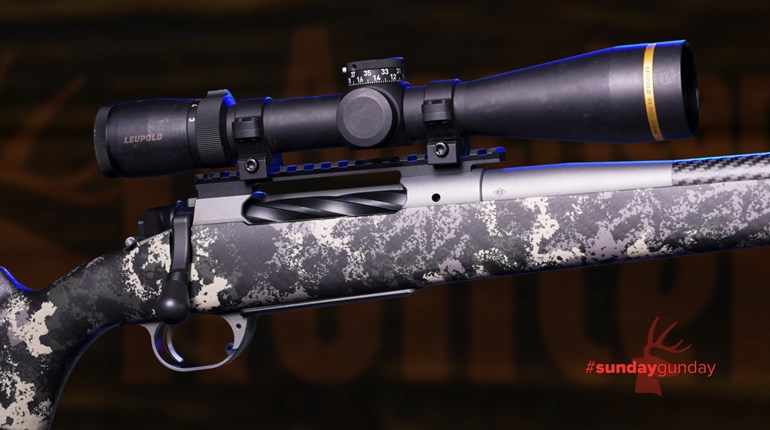
Because of the low-light conditions when many bears are shot—be it waning daylight or heavy shadows in dense timber—a scope with an illuminated reticle is a good choice. Of all the big-game camps I’ve been to, bears are the most often missed and crippled by hunters. This could be for many reasons, but placing a glowing reticle on a black hide greatly boosts the odds of a precise hit vs. trying to find the sweet spot with a black reticle that gets consumed in the black fur.
As the month of May progresses, bear movement significantly increases, as does the odds of finding one. If you want to fill a tag, the time is now.
*Want to learn how to skin and break down a bear like the pros? Order Scott Haugen’s comprehensive DVD, “Field Dressing, Skinning & Caping Big Game,” at scotthaugen.com.