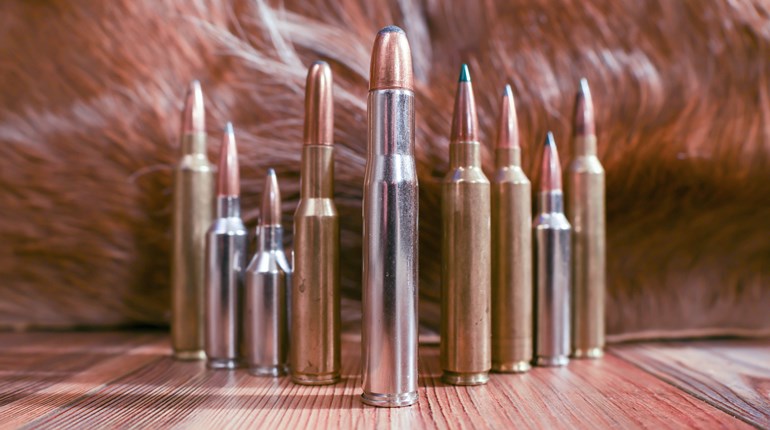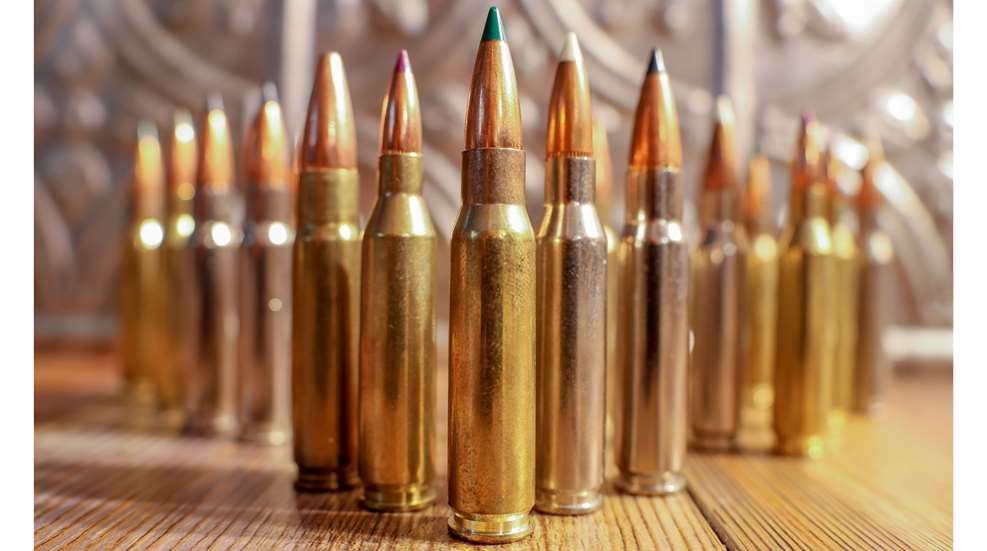
I suppose it is fair to say that if you want to find the true legacy of a cartridge, you could look to its offspring and the successes and/or failures of the family. Some cartridges have an undeniable legacy, and others have been given a shot at stardom, but didn’t make the mark. Despite being born into the shadow of the mighty .30-06 Springfield, and being asked to fill its shoes in the shoulder-fired weapon of the U.S. Army, the .308 Winchester rose to the occasion. It not only proved its own worth, but sired an entire line of cartridges, some of which have rivaled the popularity of the .308 Winchester itself. Let’s look at the .308 Winchester’s family tree, at the instant successes, and those children which have lagged behind over the years.
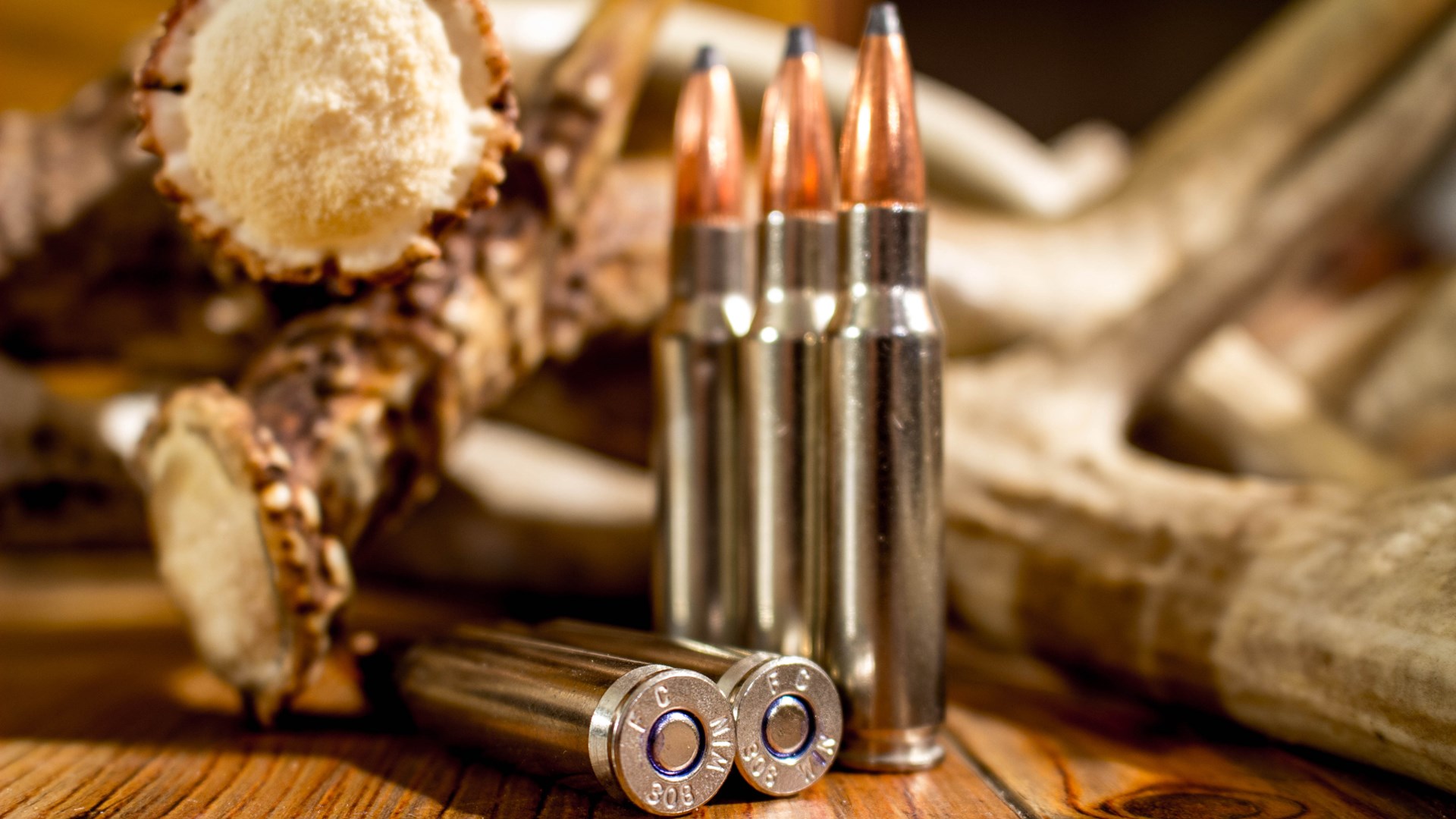
The .308 Winchester
The .308 Winchester itself was a military experiment, as the propellants develop in the 1940s helped to persuade Army ballisticians that the .30-06 case could be made more efficient. The goal was to obtain a similar ballistic performance in a smaller cartridge, reducing the weight carried by our soldiers. Initially looking to the .300 Savage, the end result of the experimentation was what would become the 7.62x51mm NATO, but was released first to the civilian market as the .308 Winchester in 1952. The case would maintain the .473-inch case-head diameter of the .30-06 Springfield, as well as the .308-inch diameter bullet, but in a much shorter case measuring just 2.015 inches. The 20-degree shoulder would handle the headspacing duties of the rimless design, and the 2.81-inch cartridge overall length would go on to help define the parameters of a short-action rifle receiver. The comparisons between the .308 Winchester and the .30-06 Springfield were immediate, with the traditionalists touting the Springfield’s ability to handle the heavy bullets much better than the new-fangled stubby case, but as bullet technology improved, the .308 Winchester just got better. It was the darling of the 1,000-yard target crowd, and was (and often still is) praised for its accuracy. For the hunter who spends most of their time inside of 300 or 350 yards, there is nothing wrong with a good .308 Winchester and bullets between 150 and 180 grains; it’ll handle nearly any creature for which you’d use a .30-caliber cartridge.
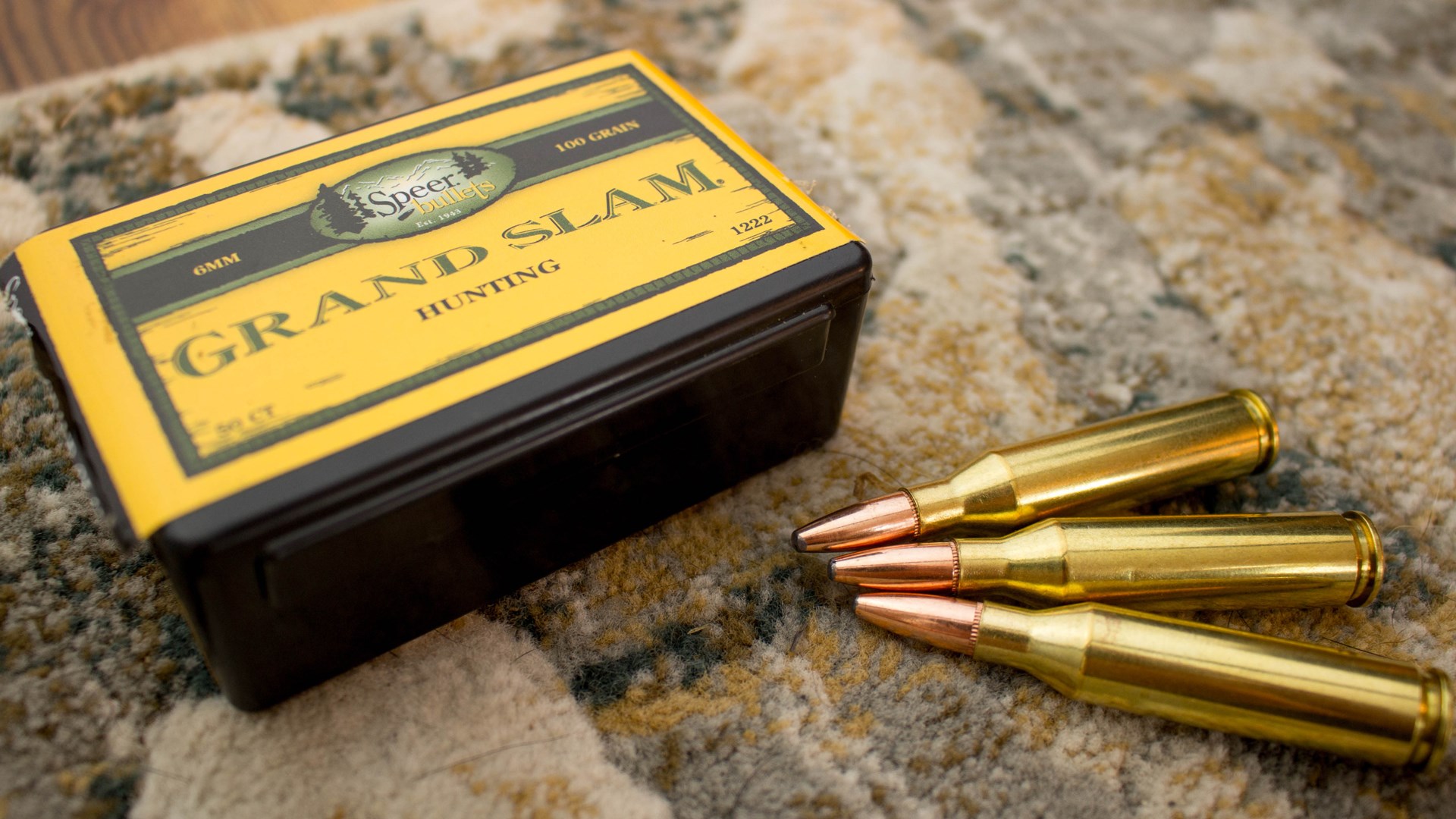
The .243 Winchester
1955 saw Winchester release two cartridges based on the .308 Winchester case, the most popular being the .243 Winchester. Aimed at those hunters who wanted one cartridge for deer hunting and varmints alike, this little 6mm cartridge was the rival of the .244 Remington. The twist rate of the .243 Winchester allowed for the use of 100-grain bullets—where the .244 Rem. topped off at 90-bullets; the Winchester cartridge won the popularity contest despite the renaming of the .244 Remington to the 6mm Remington, with a revised twist rate. The .243 Winchester has a case just slightly shorter than its father—coming in at 2.045 inches, but uses the same 20-degree shoulder. With a neck length of 0.241 inches (just shy of the desired one-caliber in length) there is enough neck tension for even modern projectiles, and the velocity generated by the .243 Winchester surely generated the red mist on varmints, as well as punching the ‘off’ button on deer. Pushing that 100-grain bullet to over 2,900 fps, the .243 Winchester remains a highly popular choice for deer hunting, especially among those who aren’t overly fond of recoil.
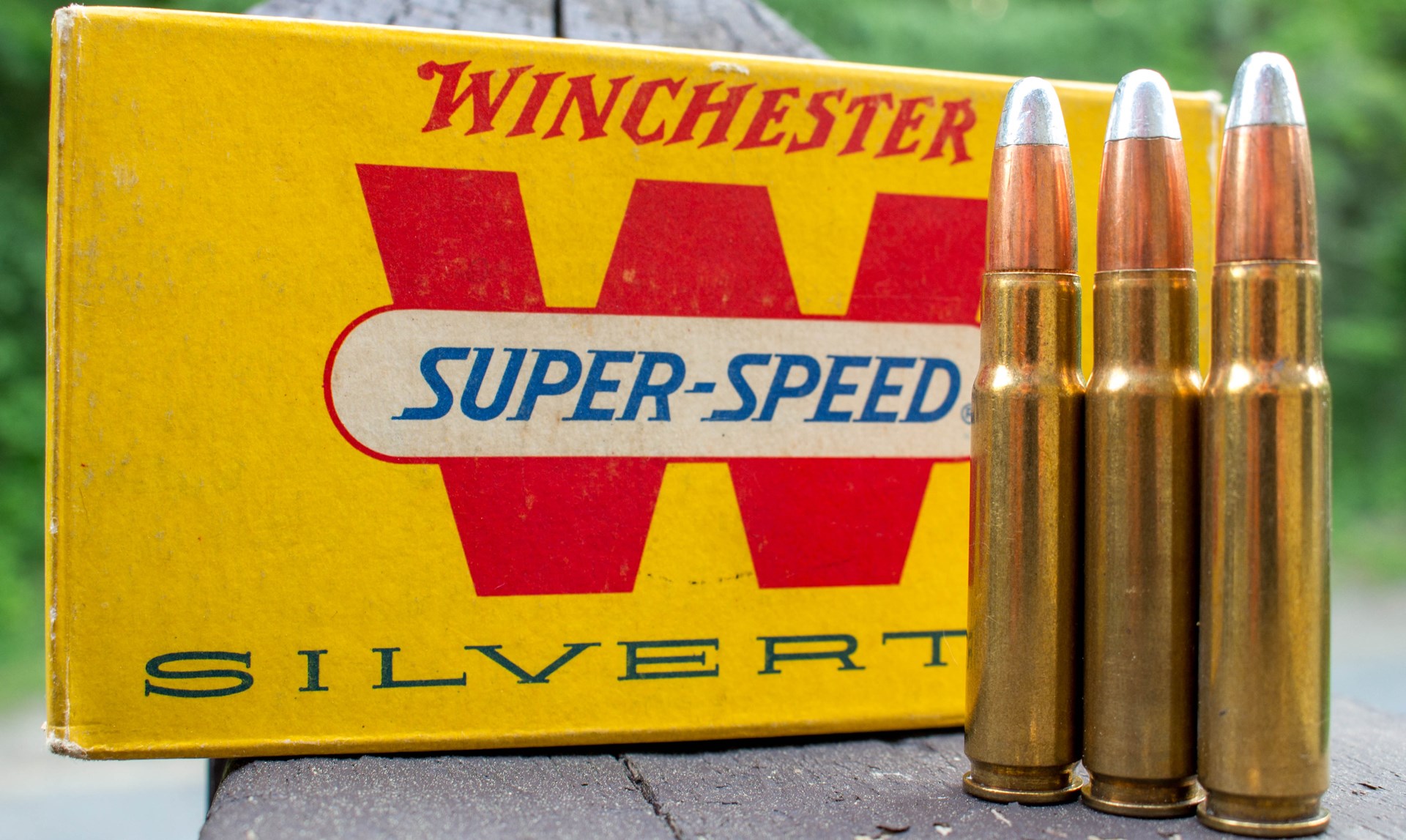
The .358 Winchester
That same year, Winchester decided to release a new medium-bore cartridge. Having success with the .33 Winchester and .35 Winchester, and later with the .348 Winchester in the Model 71, but the new Model 88 lever gun showed the opportunity for a rimless cartridge in the larger-bore diameter. Mating the .358-inch diameter projectiles with the .308 Winchester case, the new .358 Winchester would drive a 200-grain bullet to 2,500 fps, and a 250-grain slug to 2,200 fps, making it a great choice for nearly all North American species, at short to medium ranges. Sadly, America caught the speed bug in the latter-half of the 1950s (primarily spurred on by Winchester themselves), and the .358 Winchester had very little time in the sun. I can say that those who have spent a considerable amount of time with the stubbly little powerhouse become very fervent fans. The case shares the same overall length of the .308 Winchester, as well as the family’s 20-degree shoulder, but offers a neck measuring 0.365 inches to properly hold even the longest bullets useable by this cartridge.
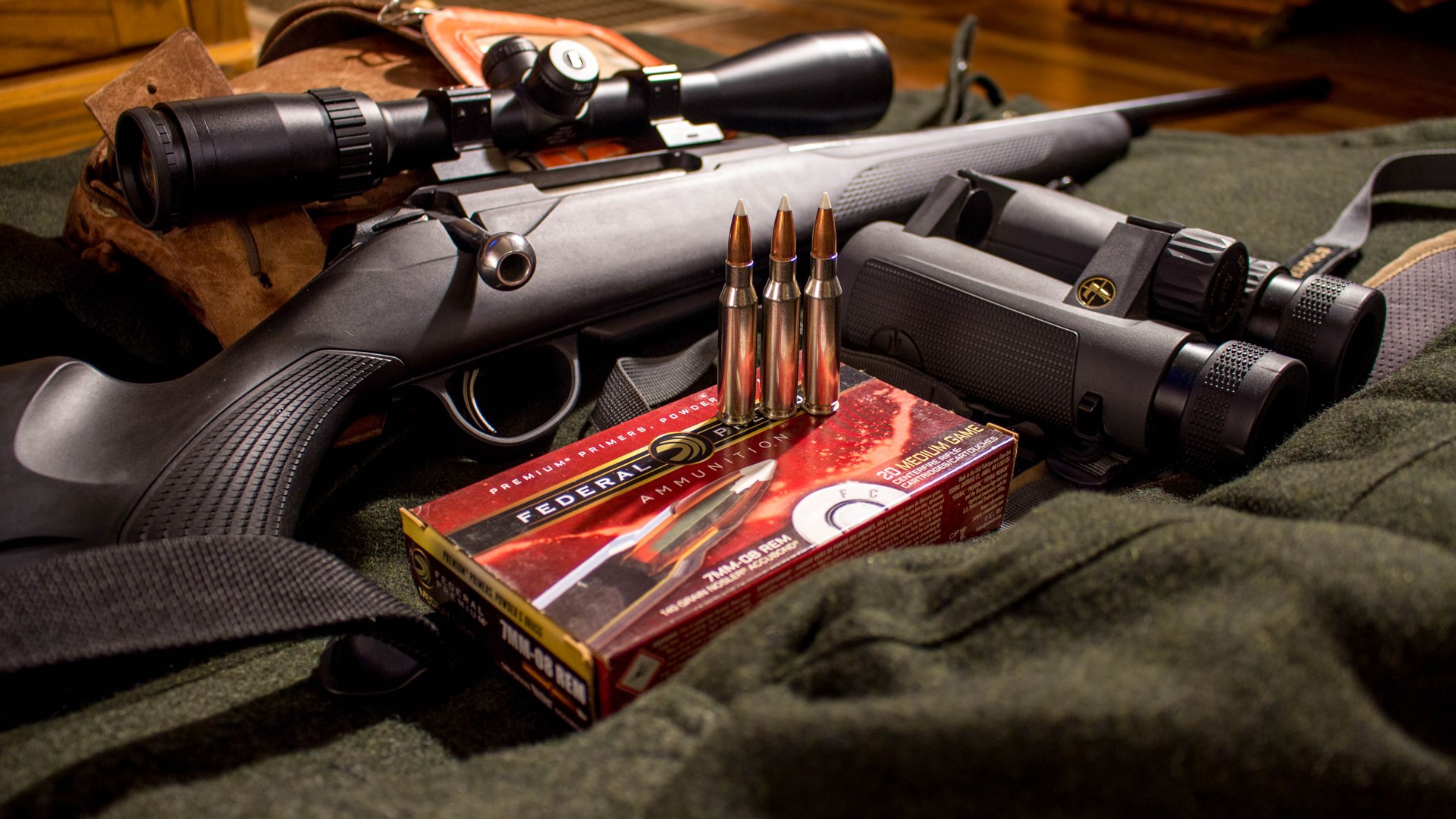
The 7mm-08 Remington
Remington has a long history of legitimizing wildcat cartridges, with the list including the .22-250 Remington, the .280 Remington, the .35 Whelen and the .257 Roberts. Remington also loves 7mm cartridges, with the 7mm Remington Magnum being one of our most popular hunting cartridges to this day. By the late 1950s, wildcatters had mated the 7mm bullets with the .308 Winchester case, but it would take until 1980 for Remington to make an honest cartridge out of her. The 7mm-08 Remington is a great all-around hunting cartridge, offering a wide selection of bullet weights, with slightly less recoil than the .308 Winchester brings. The 7mm-08 can be wonderfully accurate, and is (within reason) the ballistic equivalent of the heralded 7x57mm Mauser. I have a 7mm-08 Remington in a Tikka T3 rifle that is great for the Catskills and Adirondack Mountains of New York, as the 150-grain spitzers are fully capable of handling whitetail deer and black bear alike, and it’s a pleasure to carry. There are plenty of factory ammunition choices, and with the premium bullets, it will handle elk and moose, as well as African plains-game species. The choice between a .308 Winchester and 7mm-08 Remington is often a difficult one. Again, we see a 20-degree shoulder and a cartridge overall length of 2.800 inches, and the full selection of those excellent 7mm projectiles. The case has a neck of exactly one caliber—0.284 inches. Those 150-grain bullets (a great all-around choice) will leave the muzzle at over 2,700 fps, generating nearly 2,500 ft.-lbs. of energy. The average shooter can place their shots accurately, and that is the recipe for success in the hunting fields, especially when relying on the terminal benefits of modern, premium projectiles.
The .260 Remington
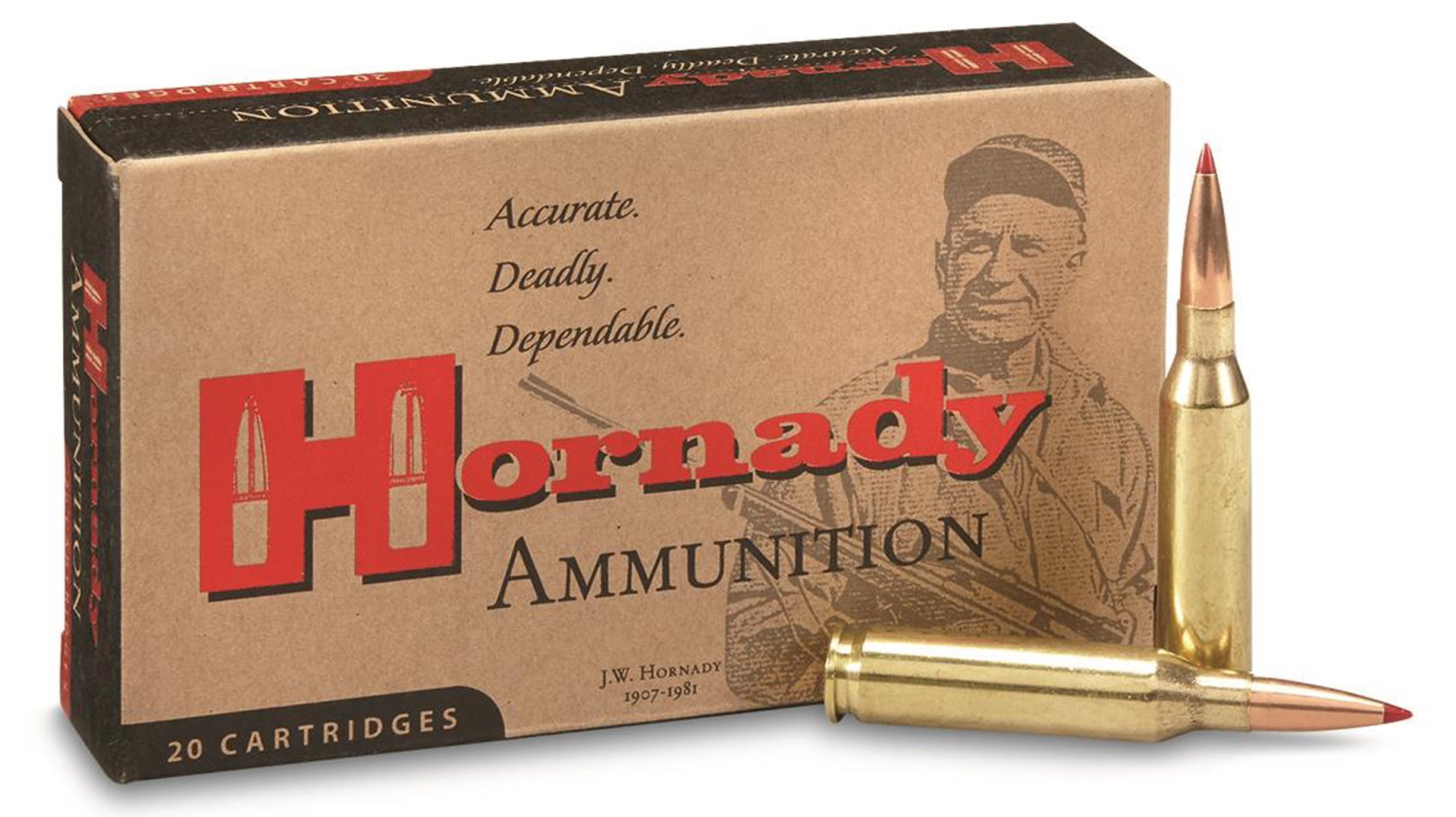
America has long overlooked the capabilities of the 6.5mm bore diameter, despite the efforts of the .264 Winchester Magnum, the 6.5 Remington Magnum, and the aged 6.5x55 Swede. In the late 1990s, both Remington and A-Square applied to SAAMI for approval of a 6.5-308 wildcat, and at the end of the day, Remington proved successful. Their .260 Remington was unleashed on the shooting public in 1997, and it quickly took root. For over a decade, the .260 Remington seemed destined for fame, as those 140-grain bullets offered a flat trajectory and worked great in the wind, until another 6.5mm cartridge with slightly different geometry gained a following. The 6.5 Creedmoor pushed the .260 Remington out of the spotlight, off the stage, and out the service entrance; the latter has all but faded in to obscurity, and that’s a shame. The Creedmoor is a great cartridge, especially for long-range target work, but being honest, at all sane hunting ranges, the .260 Remington really doesn’t pose a handicap. The two are nearly ballistic twins, with the Creedmoor using bullets of a slightly better B.C. value. If you are looking for a great value in a used rifle, and handload your ammunition, a .260 Remington might be a great choice.
The .338 Federal
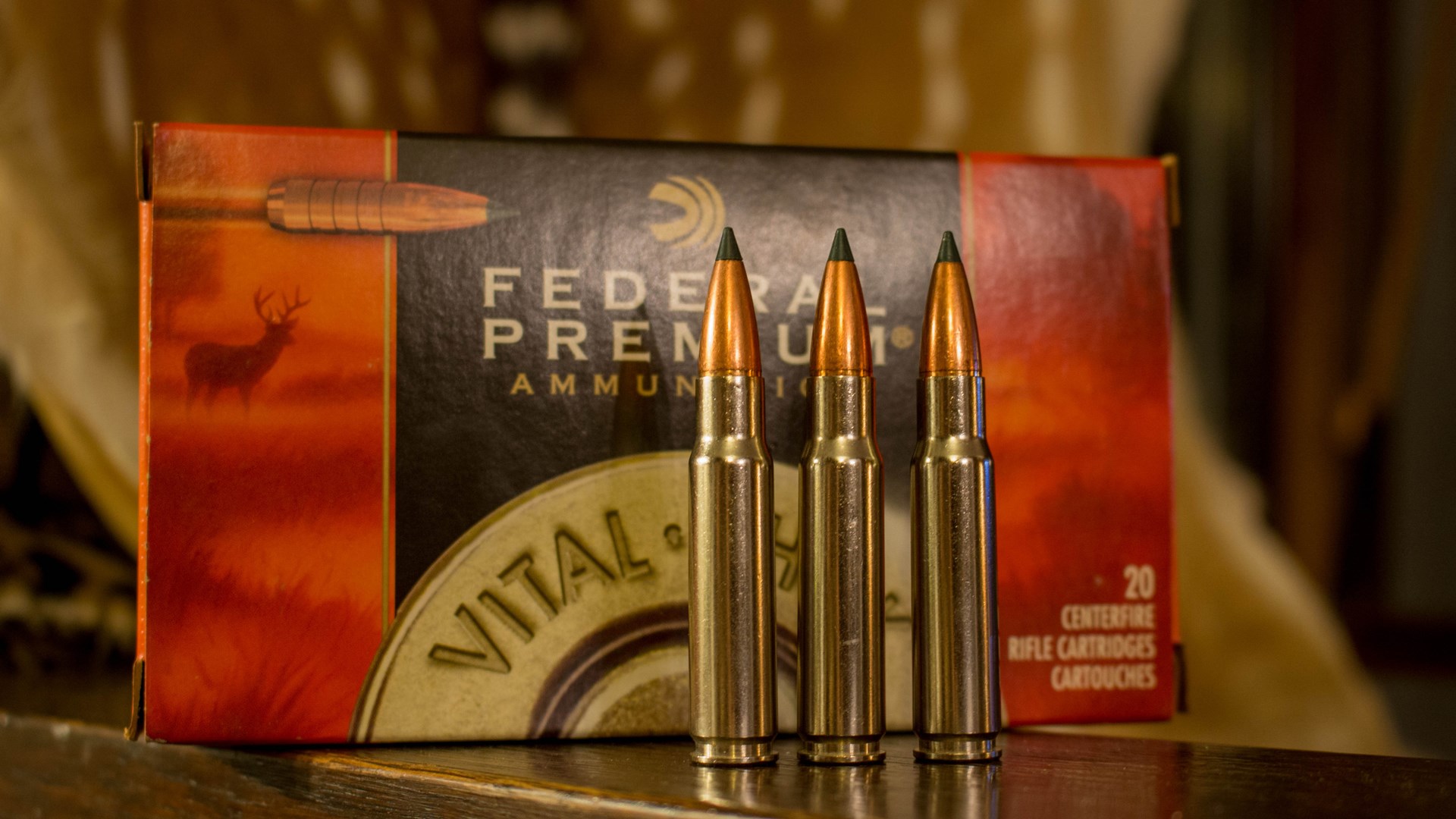
The youngest of the .308 Winchester family bears the Federal surname; it was a joint development between Federal Premium and Sako, and was released in 2006. The .338 Federal is nothing more (and nothing less) than the .308 Winchester opened up to hold .338-inch bullets, with a one-caliber neck. The smaller case seems to preclude the use of the 250-grain bullets that the .338 Winchester Magnum made its bones with, but even with a 225-grain bullet of larger diameter, the .338 Federal does offer a ballistic advantage over the .308 Winchester on paper, but perhaps not enough in the field to warrant the switch from the original. I've used the .338 Federal on some whitetail does, and it worked just fine, and I also feel this cartridge would be an excellent black bear cartridge, but it has become a rarity of late; I’m afraid it’ll be all but gone in the next few years. Like the .260 Remington, it might represent a great value on the used market, and it’s not too large to use as a deer rifle, but I fear its days are numbered.
The .308 Winchester sure has taken a lot of flak for daring to compete with the .30-06 and its offspring, but there are some excellent designs which came out of that little case. Whether or not you subscribe to the ‘inherent accuracy’ theory, but the .308 and its offspring have put a lot of smiles on shooter’s faces.