A flicker through the timber stopped me dead in my tracks. Studying the opposite side of a finger of mature poplar and oaks splitting the field, I recognized the familiar whitetail deer shape, along with a hearty crown of antlers. The buck, which stood statuesque just shy of 150-yards distant, evidently noticed me too, as it stared in my direction.
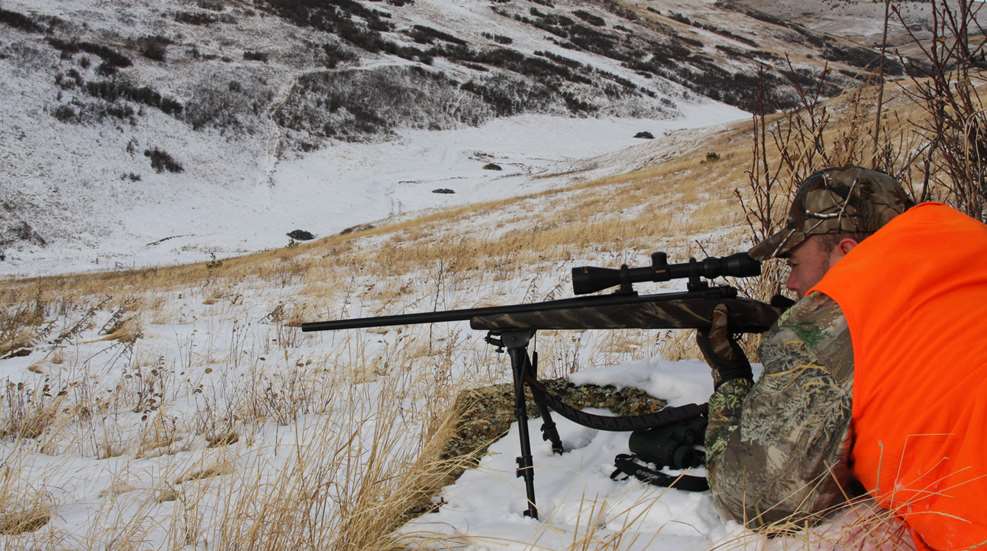
Recognizing that I couldn’t “thread the needle” through flora to the deer’s vitals freehand at that distance, I slowly began descending into my preferred position—prone—where I could employ the Harris bipod affixed to my muzzleloader. About halfway there, the mature buck had seen enough incompetence and dashed for the distant hardwoods. No shot was offered. The opportunity was lost, all due to a self-imposed lack of confidence.
The experience wasn’t for naught, though; approaching three decades later, what occurred that cold, November morning in the late 1990s, is still as vivid as the day it transpired. And, it’s guided me to become a better hunter.
The reality is, hunting is chock full of randomness. Sure, you can pattern animals’ travel and, to an extent, timing, but everything else—such as where a big-game animal stops, the angle of its body, etc.—is unsystematic. Perfection is rare. And so it is with shooting, too.
When a suitable shot is presented, and you’re confident in your abilities, you must do so at the earliest moment; procrastinating can cost you an animal, and potentially that once-in-a-lifetime trophy. Learning about, as well as practicing from, the various shooting positions can prepare you for whatever you encounter.
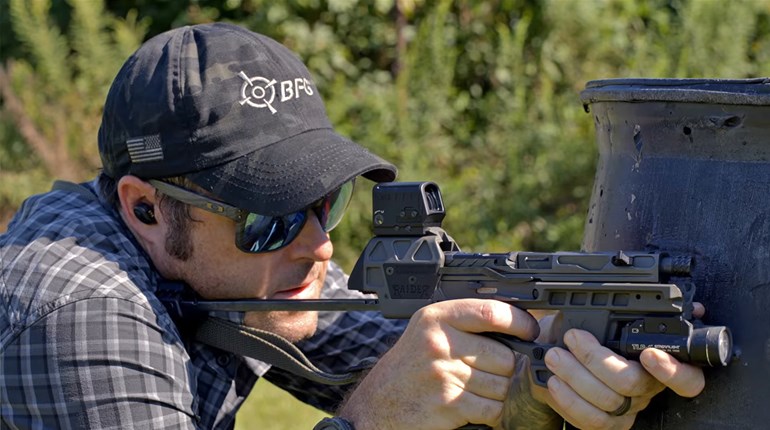
In the subsequent sections, I detail some of the real-world field shooting positions, ranging from prone to standing, unsupported or “freehand,” along with middle-ground techniques. Not all shooters are comfortable with all of them, but the more versed you are, the better. Let’s begin with the most stable shooting position—prone.
Prone
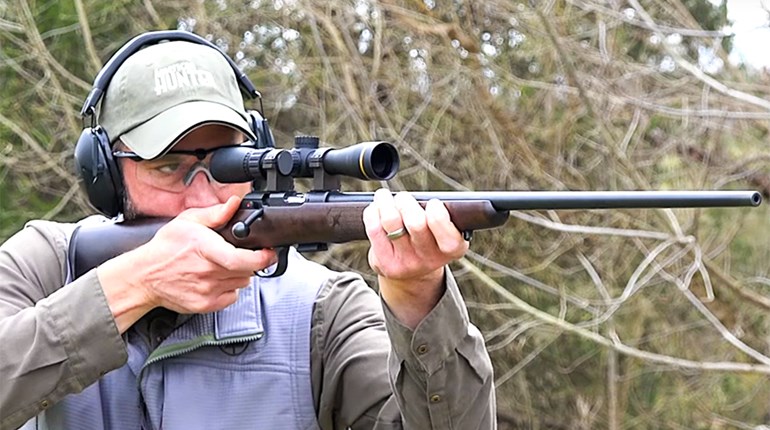
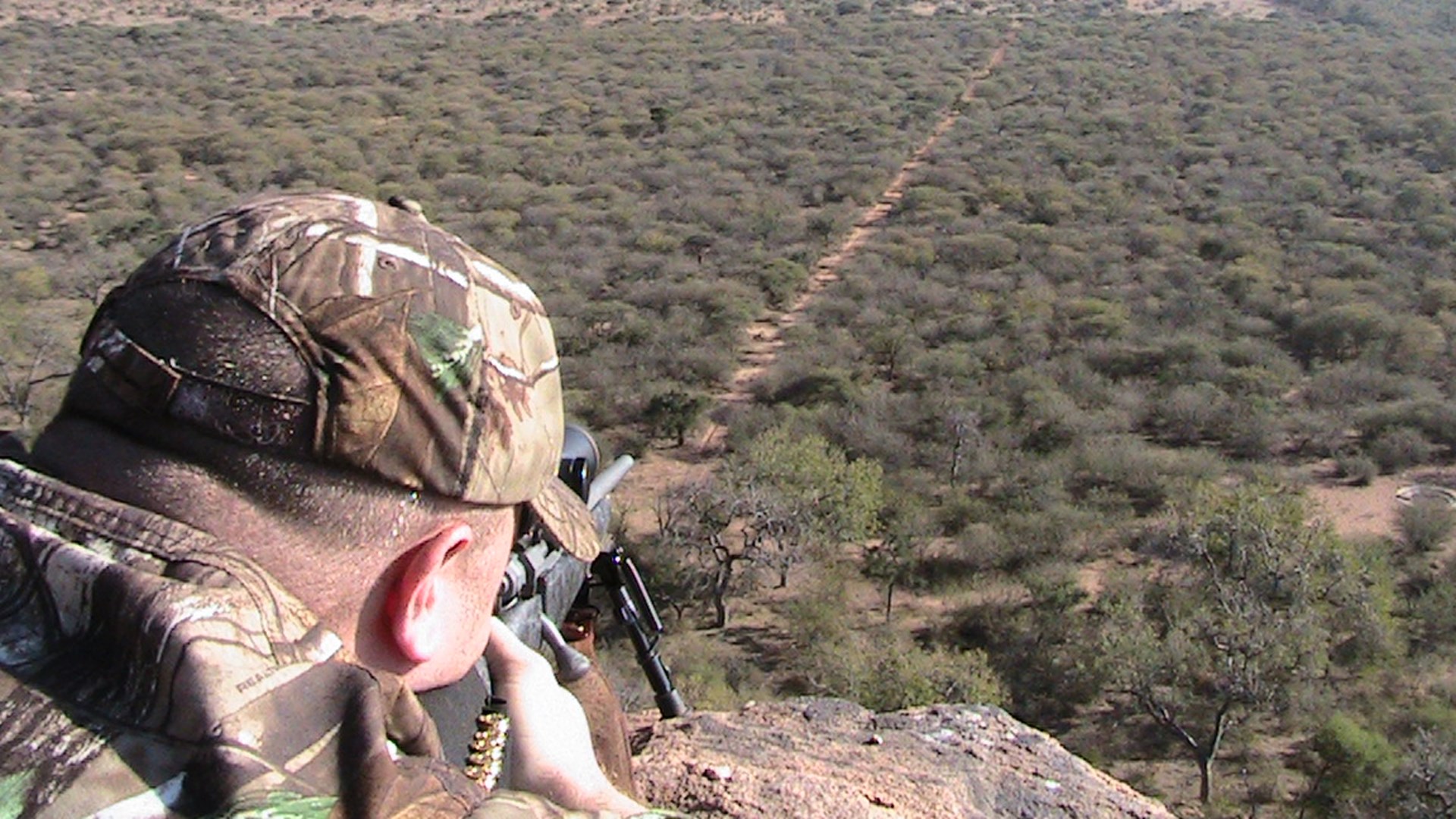
When the human body is sprawled—torso aligned with the target, but the legs spread wide and the chest elevated slightly so as to not have one’s breathing influence the shot—a rifle or optics-topped handgun can be held rock steady for long periods. Generally unnecessary for close-in shots, it’s the go-to when stretching the distance.
Although firing from said position can be augmented with a leather, military-style wrapped around the non-dominant arm for extra stability, and thus accuracy, hunters (and competitors and long-range aficionados as well) generally employ a bipod or rest the rifle atop a backpack to diminish/eliminate firearm movement. With the fore-end supported and the buttstock snug in the shoulder pocket (and supported beneath by the non-dominant hand), very precise shots can be delivered—whenever the opportunity presents itself.
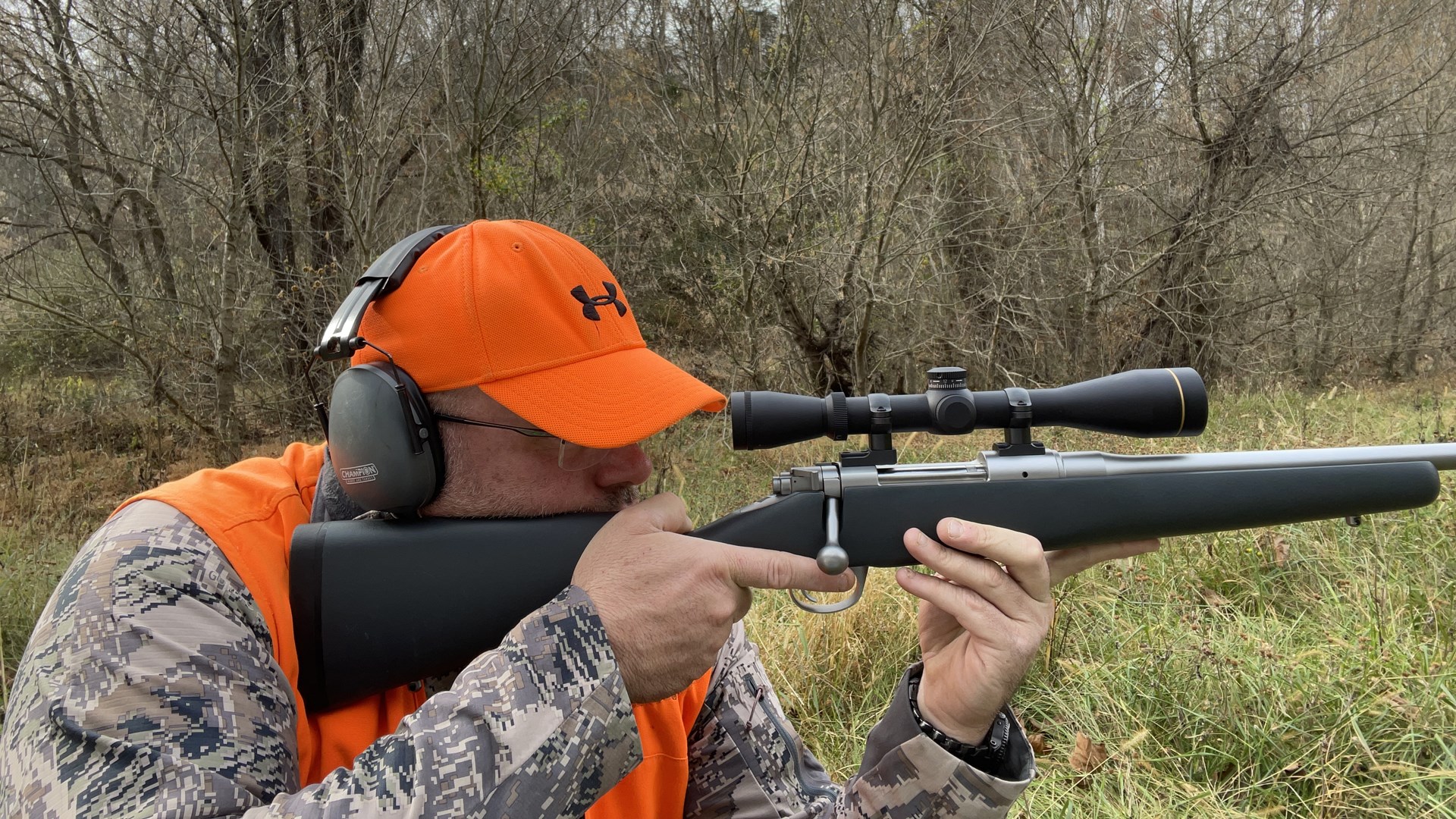
Prone is my pet position, and given time and/or inattentive quarry, I’ll generally opt for it. But, relying on it too much, as in the opening story, can surrender success—especially if transitioning from standing to prone, which takes time and much bodily movement. If a big-game animal is alert, forget it; you’re better off trying a different position.
What’s more, the terrain can cause problems. If the ground is uneven, ideally you’ll lever the rifle via the extendable legs of the bipod. But that’s a drawn-out process. Resting the firearm atop a full backpack alleviates that concern, but the muzzle could be too low to clear obstructions downrange—exactly like when a bipod is too short or the shooter forgets to check, which is easily done when things are quickly unfolding.
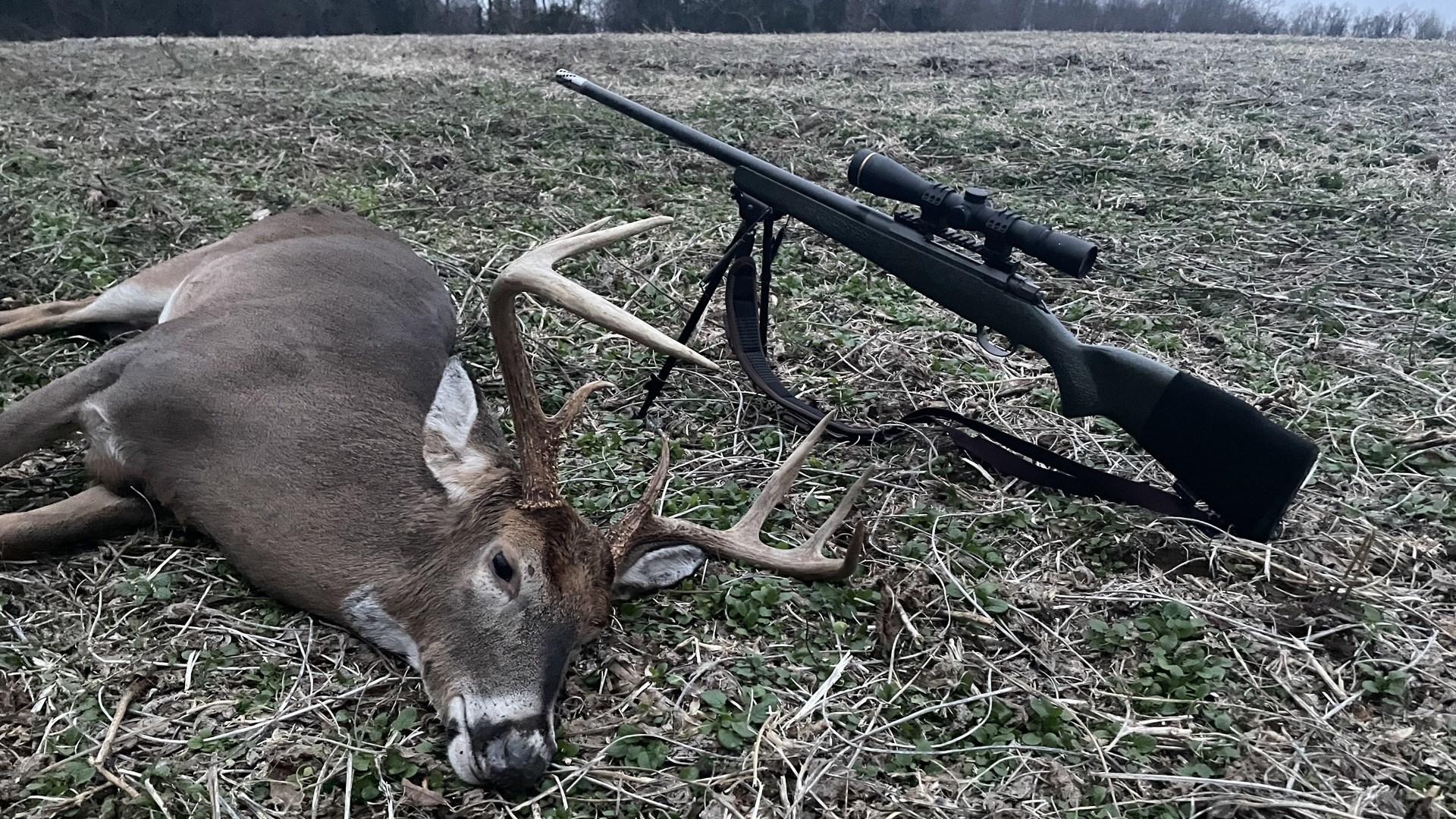
I generally opt for an extendable bipod, such as that from Harris, that adjusts from 13.5 to 27 inches or so. Said heights handle most terrain, including angles, from the prone position, as well as can facilitate shooting from the sitting position. Short bipods increase the probability of the projectile striking something en route to the animal.
Although it could happen from other shooting positions, it’s most prevalent from the prone position. That is, an object blocking the bullet’s path. Here’s a recent example, and one many ardent hunters can relate to.
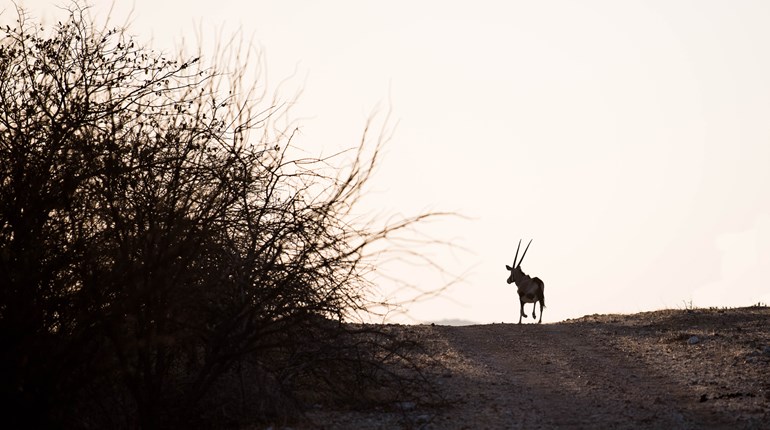
This past fall, my son, Gabriel, who is a phenomenal marksman and hunter, was low-crawling toward his first Wyoming antelope, a bedded buck, that I ranged at 401 yards. Oblivious of our presence, the 7mm STW-chambered Remington Model 700 loaded with Hornady 162-grain ELD-X ammunition was sure to end the hunt quickly. Glassing the antelope from about 15 yards from behind my son, I noticed that, while drawing down on the buck from the prone position, the muzzle looked to not clear a slight rise about 10 yards. downrange. I tried to get my son’s attention, whispering to “watch the muzzle,” but his hearing protection prevented him from hearing me.
At the shot, the breeze was full of debris and the buck up and running toward us—apparently confused as to where the obnoxious noise originated. Confirming that he hadn’t hit the buck on his first attempt, I re-ranged the “speed goat” as he sought solace with distant does and called out the number. His second shot, taken in a spot to avoid the previous downrange pitfalls, dropped the buck.
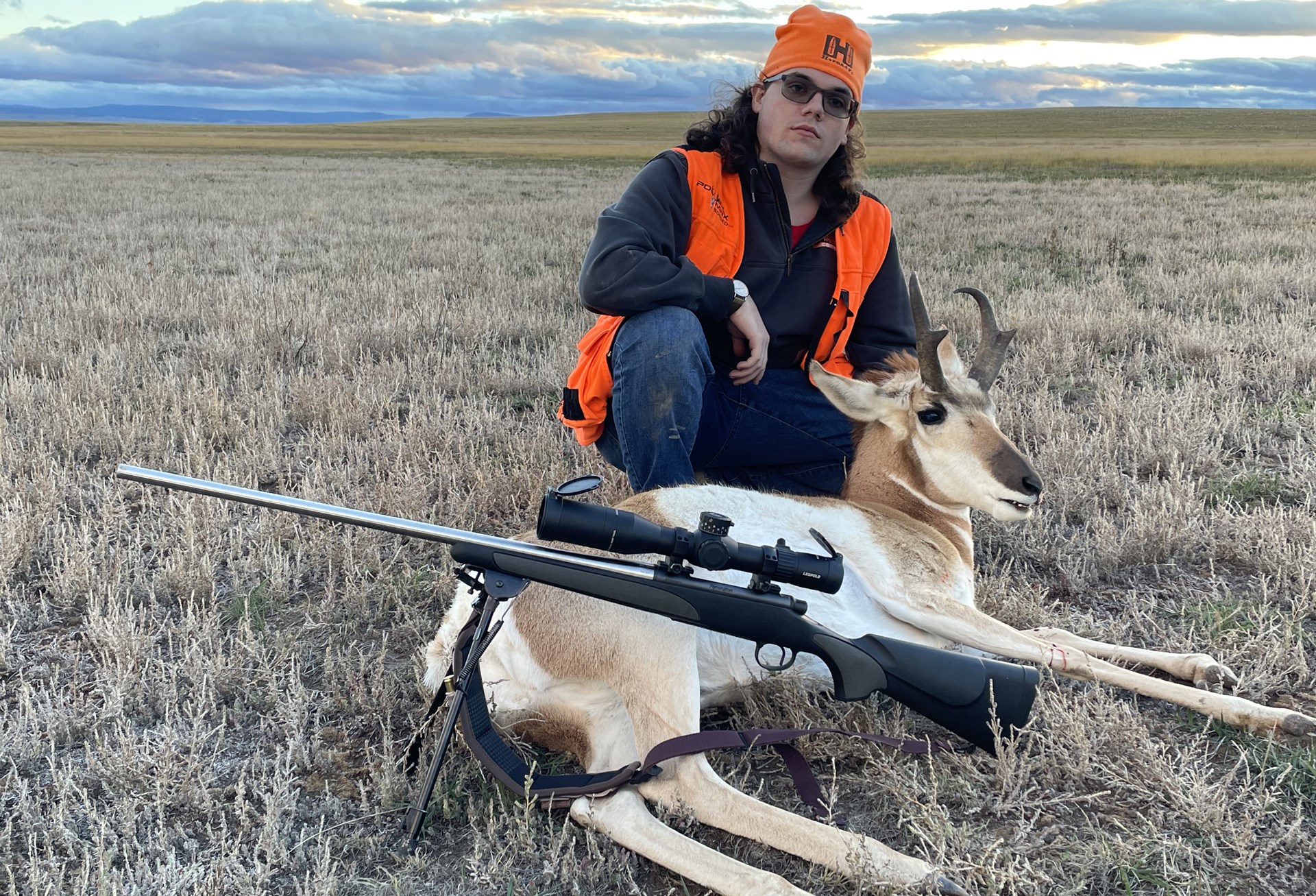
This story isn’t shared for ribbing; rather, it serves to illustrate a potential downside of the prone position. It’s happened to me, too, so perhaps it’s a rite of passage.
Lastly, lying in prone for long stints isn’t comfortable for many hunters, especially when the cold ground is sharing it’s misery with you. It usually doesn’t bother me, but then again, I often have a mat or bulky garment between me and the soil—if I’ve planned for a protracted hunt from this position. Otherwise, I, as the motivational speaker David Goggins often says, “Embrace the suck.”
Sitting/Kneeling
There are several intermediate shooting positions found between standing offhand and prone, and these are better in most scenarios. Given time (and preferably, an animal that’s not on guard), it’s easy to take a knee and deliver an accurate shot. Only a smidge more time is needed to sit; however, additional movement is involved. While not as stable as shooting from the prone position (for most shooters), these are more practical techniques for hunting.
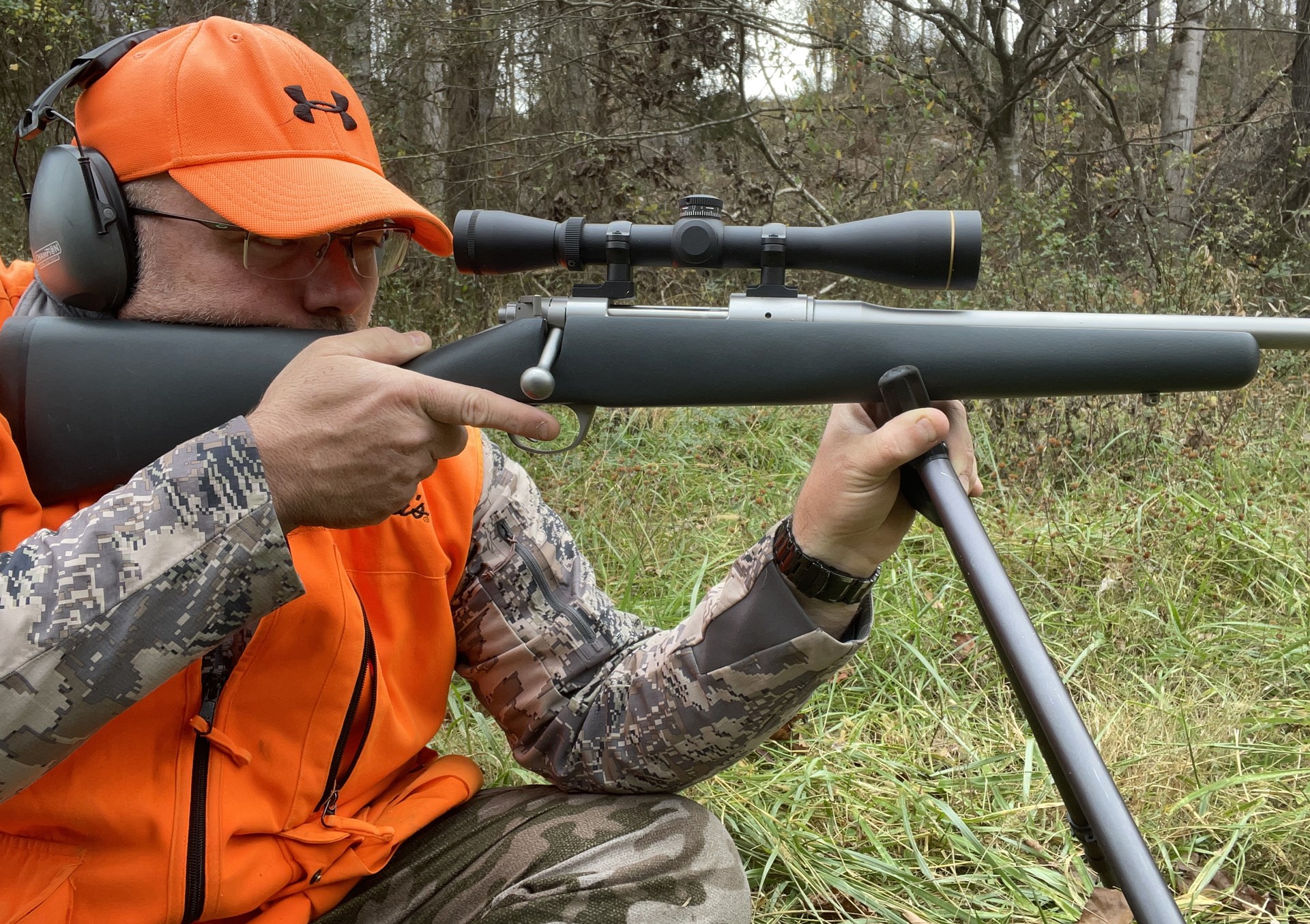
The kneeling position is assumed when the shot is to be delivered in short order—there’s no time to do anything else, and standing, offhand isn’t feasible for one or more reasons. Key to the kneeling pose is that the elbow of the non-dominant arm does not sit atop the knee—i.e. no bone-on-bone contact—but rather the elbow rest against the “meat,” toward the thigh. For maximum accuracy, the leg atop of which the rifle is resting (via your arm) should face the target, while the opposite leg should be perpendicular—or as best that you can. A leather, military-style sling wrapped snugly around the non-dominant (supporting) arm can provide extra rigidity, as can shooting sticks adjusted to the proper height—in advance. With extra time, the shooter can drop down into the sitting position.
It’s safe to assume, most big-game animals (at least in the East) are taken when the hunter is seated. Seated shooting positions can take different forms, but given my medical history, I prefer these two formats.
As a right-handed shooter, while sitting I drive the elbow of my support arm into the thigh of my left leg, and the right elbow does the same to my right thigh. Meanwhile, the left leg is raised, and the right goes beneath it, with the raised foot hooking the former. Think modified “crisscross-applesauce,” or “Indian-style,” depending on your age. This system creates a very solid foundation for shooting. Reverse this procedure for left-handed shooters.
If the above arrangement isn’t comfortable, it can be further adapted. When back pain sets in, I do the following: the elbow of the dominant arm is forced into the elevated left thigh, while the right leg extends outward, as close to possible to perpendicular. To achieve solid stability, though, the shooting arm should be drawn downward, close to the chest—not hanging in space. For me, this isn’t as stable as the previously mentioned setup, but it’s needed at times.
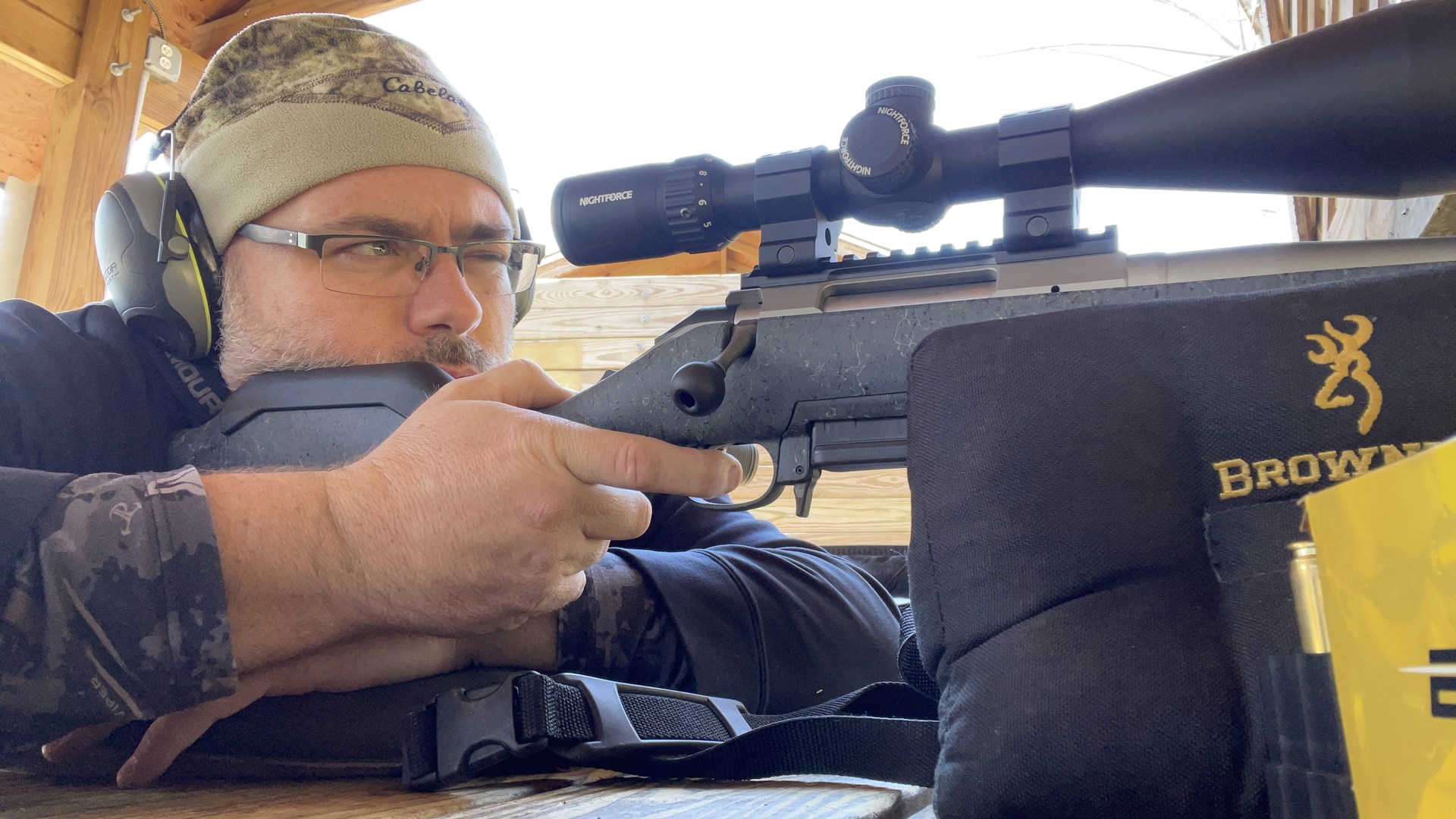
As with the kneeling position, a seated hunter will benefit from additional support such as shooting sticks, a bipod or mono pod (not ideal), or a wrapped, rigid—not spongy—sling. These positions can be held for extended periods, too.
Standing
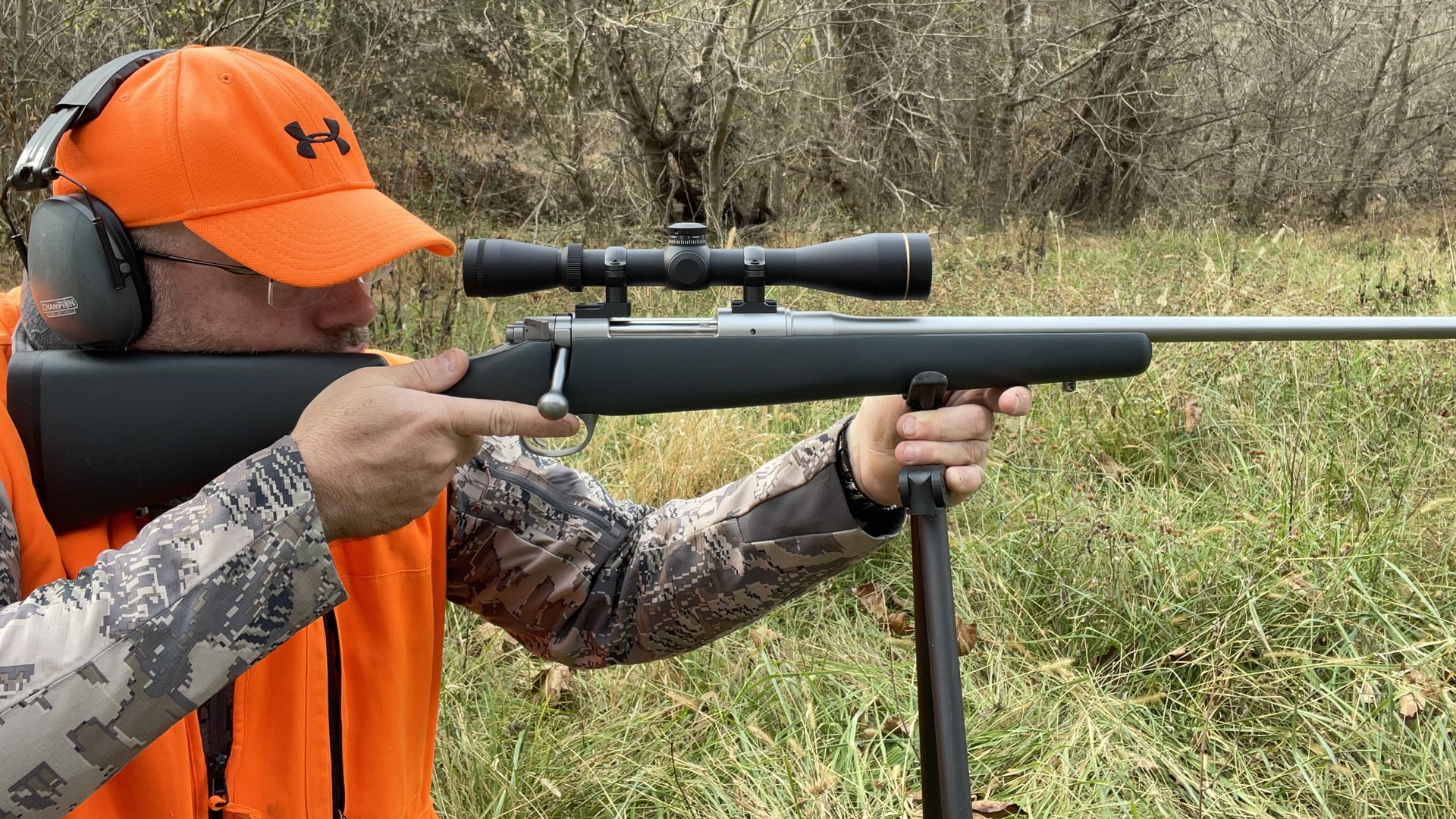
There are hunters and competitive-recreational shooters who are amazing shots while standing and with the firearm unsupported (i.e. “freehanding”). I’m not one of them, and will only make an effort when the quarry is exceedingly close and there’s no other option. If you have a portable rest, such as elongated shooting sticks or an adjustable tripod, so much the better. If not, and time permits, try to immediately wrap the sling around the non-dominant arm and draw the gun against the body. This can be accomplished quickly, and stability is improved greatly.
Absent said aids, cup the fore-end of the rifle with the elbow pointing downward, like it’s in a rest, and snug the elbow of the dominant “shooting” arms close to the body for maximum support. The foot of the non-dominant side should be pointing toward the animal while the opposite needs to be somewhat perpendicular.
As a competitive clays shooter and avid wingshooter, I’m accustomed to not standing erect, as the targets are often moving horizontally and the body must pivot. This serves me well here, too. Right or wrong in the eyes of some, I prefer not to have my legs locked; instead, I have a slight bend in my left leg. This enables me to pivot more easily on a moving target and “go with” a big-game rifle’s hearty recoil. But, you do what’s most comfortable for you. Regardless, don’t rush the shot or jerk the trigger; without a proper rest, even minute rifle movements will send a bullet wide downrange. Only with practice can you become a proficient shooter from the standing, unsupported position, and even then, the others are better suited for distance work. Consider it an important, albeit imperfect, tool in the hunter’s repertoire.
Manufactured Supports and Their Use
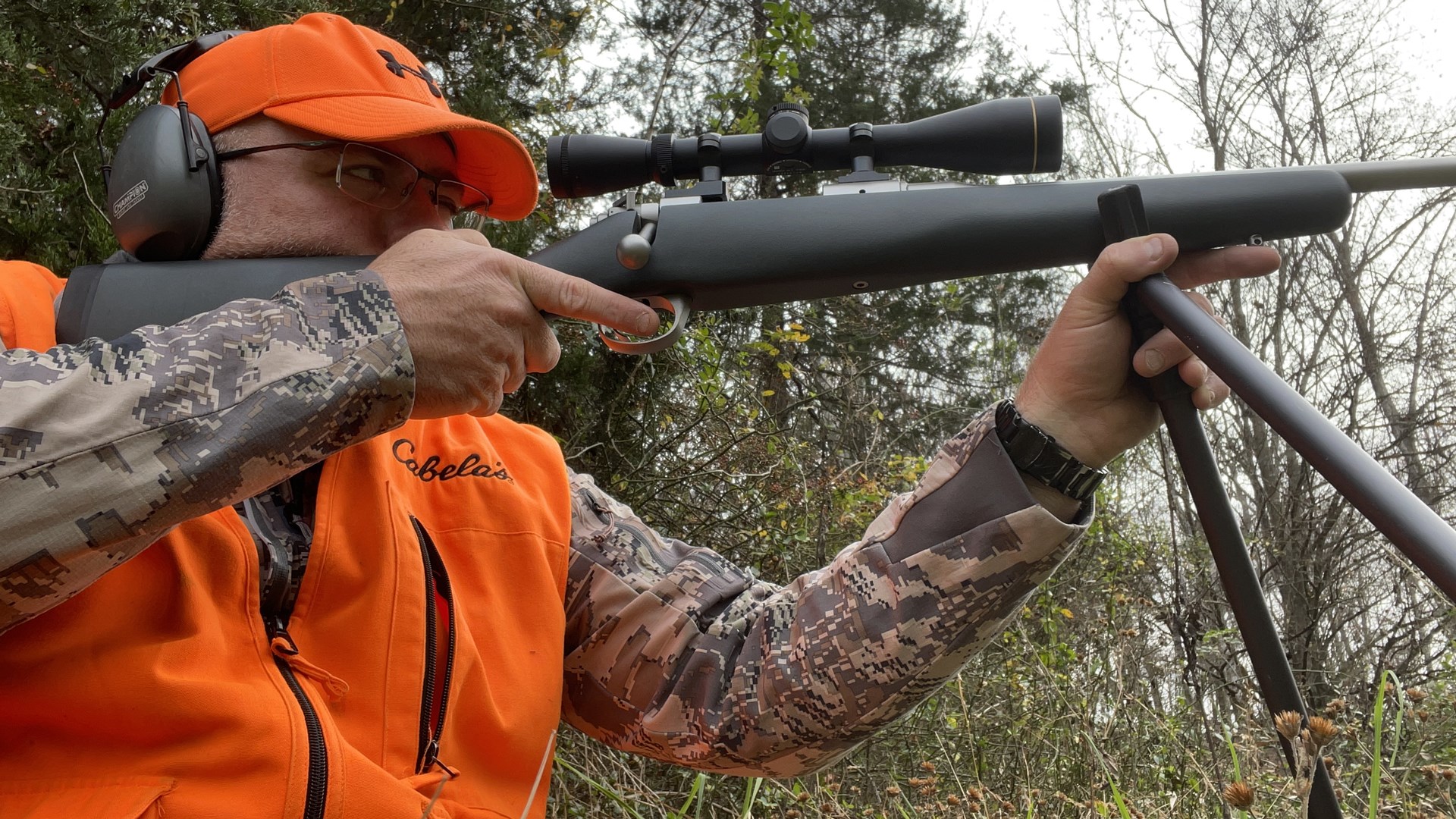
Rarely will you find me heading afield without a support—especially when using my handgun. With the exception of hunting thickets or mountain terrain where shots are short, a firearm-mounted bipod is nearly always on my rifle (and muzzleloader). Sure, there’s extra weight, but the tradeoff is unparalleled support when used.
I prefer those from Harris, and even have several from my teenage years that work as well today as on day one. There are other options, too, often at budget-friendly prices—but there are tradeoffs. Know that, while short, “tactical” bipods aesthetically “cool,” they often leave you wanting in the field—they frequently cannot elevate the rifle sufficiently to be useful. Opt for height.
Should I not have a bipod affixed to the rifle, shooting sticks will surely accompany me. Again, there are several brands and designs available. The discontinued, lightweight, deployable Stoney Point Polecat Steady Stix 2 are ever-present with me, and I have others for backup. The newer BOG Dead Silent Shooting Sticks is an equal to the Stoney Point, but also have the ability to extend for shooting from the standing position. Primos’ Trigger Sticks offer rapid adjustment but are heavier and more costly. I also like BOG’s Adrenaline Switcheroo.
Honestly even two strong, lightweight, lengths of wood affixed near the end with a durable elastic band will work equally as well. I know this to be true because, as I forgot my Stoney Point rest one day last season, I improvised a bipod from Mother Nature and put it to good use shortly thereafter.
Although I primarily focused on rifles, a bipod is beneficial for shotgunning, too. Sure, it aids delivering slugs well, but more importantly, when turkey hunting, it permits the shotgun to be supported so that minimal movement is needed when the bird closes the distance. Furthermore, it prevents the support hand from falling asleep. For me, I consider one essential spring gobbler hunting equipment.
Tripods are all the rage now, despite having been used in Africa for ages. Hunters using lengthy tripods benefit from additional support, particularly when shooting from the standing position, but they require time to set up. This is fine when assisted by a guide or professional hunter, but when going solo it might cost you an animal. This is a moot point when seated and the rifle is snugly held to a tripod for a distant shot. I’d argue here that a bipod or shooting from prone could be as good in most cases. But, to each their own, right?
Today’s tripods are masterpieces of technology, having minimized weight through the use of carbon-fiber, aluminum, plastics and/or other lightweight, yet durable, materials. However, they’re costly, bulky, and add more heft when slogging up a mountain. That being said, there is extra value if the same tripod pulls double-duty for glassing with spotting scope or high-magnification binocular.
Where a tripod truly shines is in a ground blind. When my eldest son first started big-game hunting with me, I’d add a rifle cradle atop a camera tripod and secure the rifle to it. The rifle remained “at the ready” until needed, and due to the steadiness it afforded—not to mention, foregoing fatigue to holding the rifle—excellent shots were the norm. Anyone with compromised strength can benefit from a tripod.
I’m guilty. I love springy, soft slings that hold extra cartridges and don’t slide off my shoulder incessantly. Frankly, though, they’re not good for hunting. As mentioned, several times throughout this article, a leather, military-style sling can be a huge asset and weight saver to boot. Such slings are configured so that the non-dominant hand can slip between the dual strips of leather and cinch near the bicep, followed by wrapping the rest of the sling closer to the hand. When done correctly, there’s surprisingly little firearm movement. Now, add that to a steady position, such as prone or sitting, and you can see the difference it’ll make
Military slings are offered by several companies—including Triple K, Hunter and Butler Creek—to name a few, and they’re virtually identical. Such slings aren’t flashy, but rather are practical and fulfill a role. Also, in a pinch, I’ve even used mine as a deer drag, though I wouldn’t recommend it as such for long-term use.
Improvised Supports
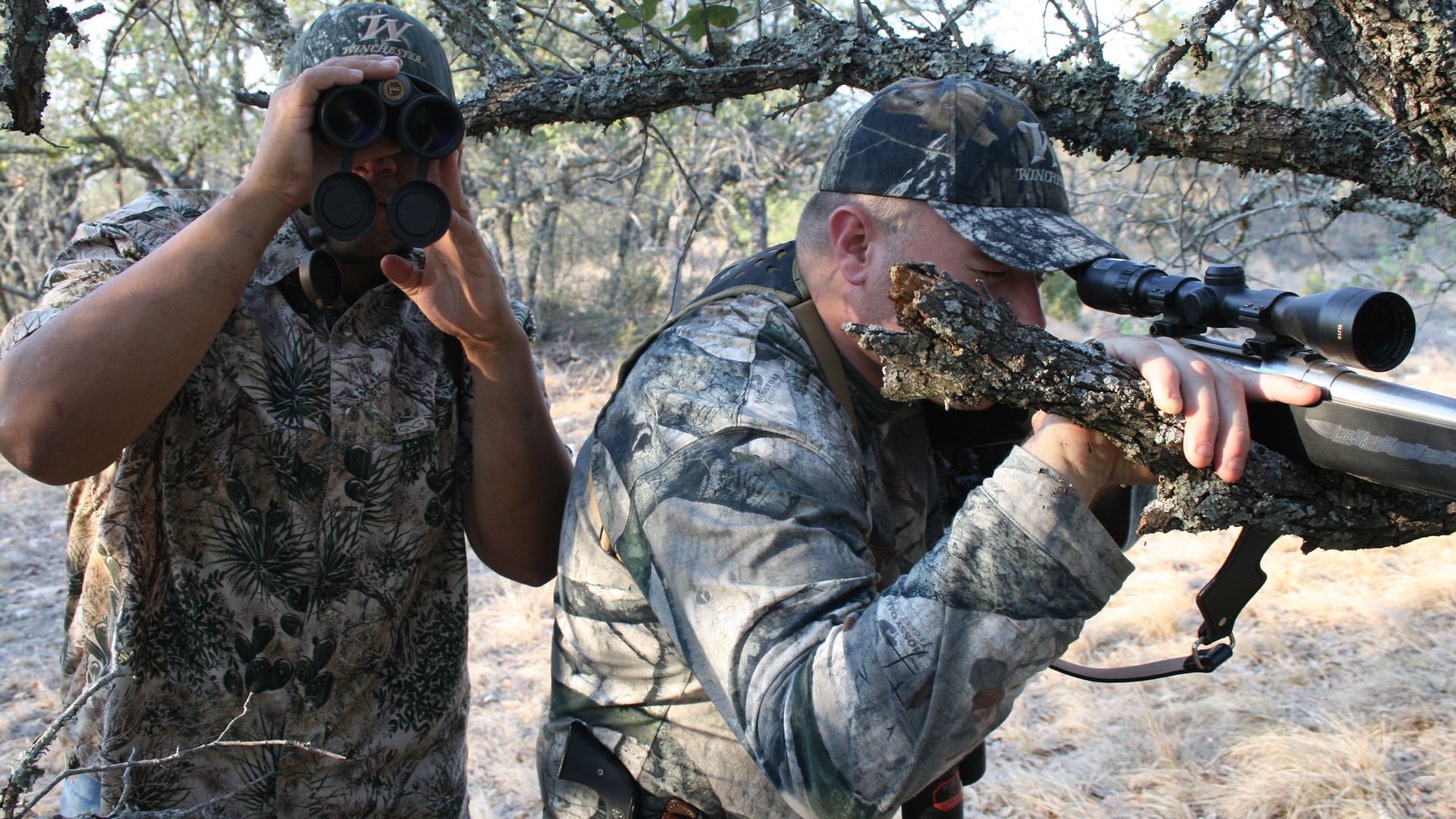
Nature is full of firearm rests, but they’re not all equal. Before committing to one, first consider its rigidity. Consider this scenario: you’re walking the perimeter of a cow pasture when a buck jumps from its bed and begins its hasty exit. Should you opt to rest the wire or a nearby post? Hopefully you answered, “post.” The former’s springiness does little to aid support, while the latter is rock-solid.
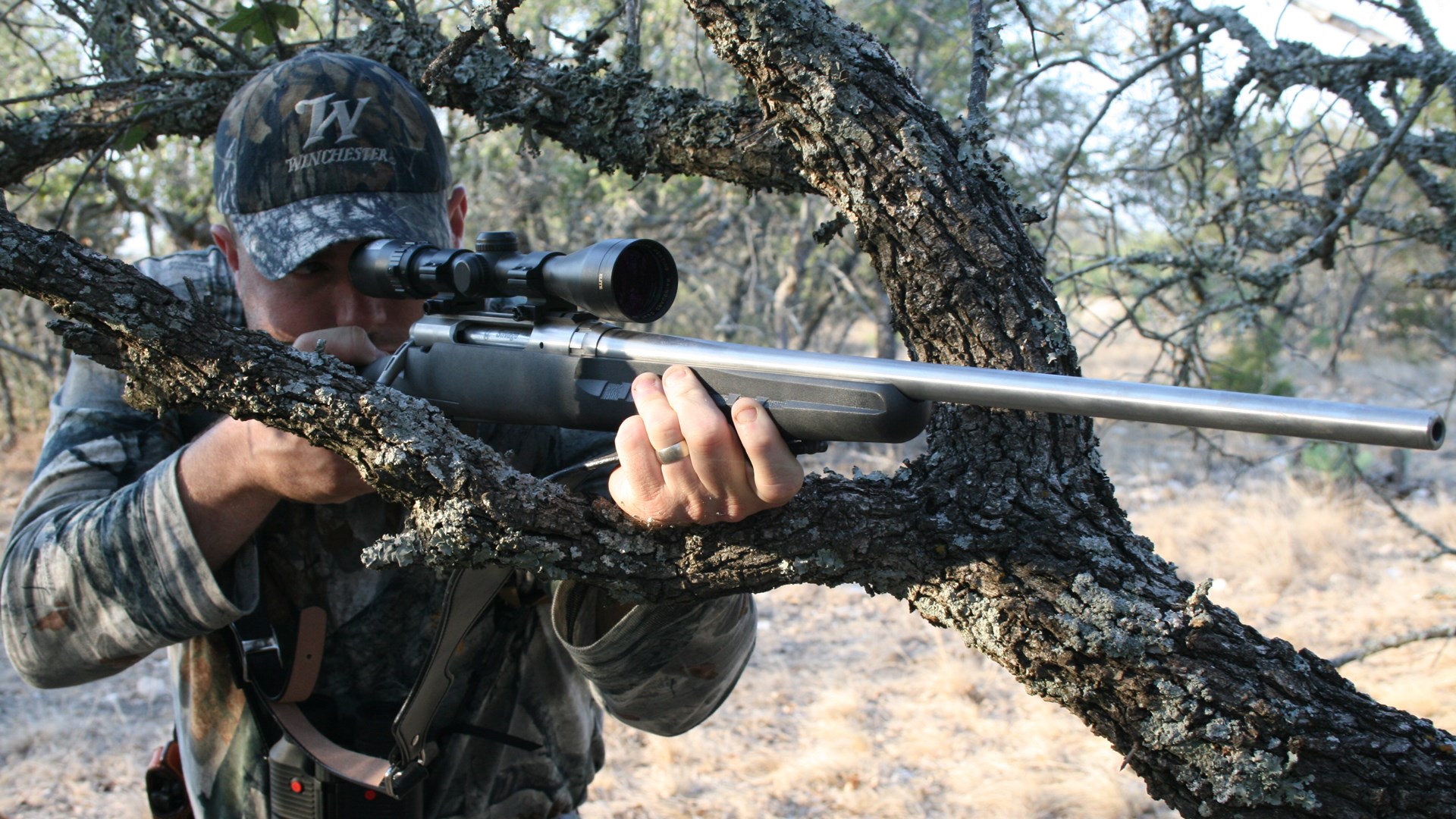
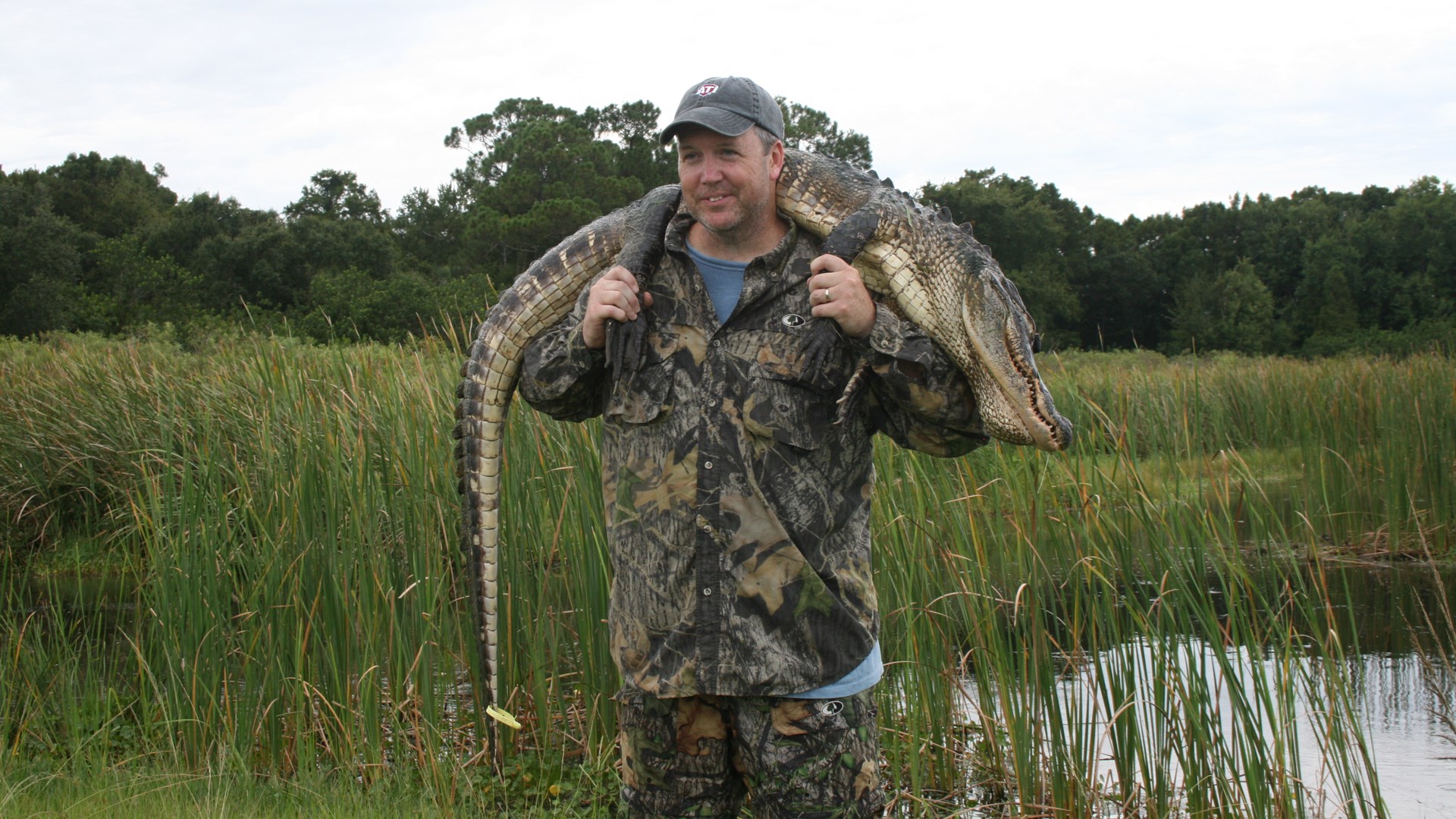
Even when using trees, avoid those that are too small to prevent swaying or might break. You can also use felled trees, their root balls, dirt mounds and rocks (when covered to prevent firearm damage and/or injury to the arms). All can provide the steadiness to make an accurate shot. Case in point: decades ago, an improvised rest permitted me to hit the small kill zone on a Florida alligator a respectable distance down a lengthy canal. And that’s but one example of the many, many times that a rest already in the field helped me succeed.
When you head out after big game, have a plan ahead of time. What rest(s) will you use, and what are the pros and cons. Additionally, you need to spend time at the range (if permitted) or on the “back 40” (if safe) practicing shooting from the positions mentioned in this article. You won’t have sandbags or a shooting bench, so you need to be comfortable firing from actual field positions. That could make the difference when given an opportunity while hunting.
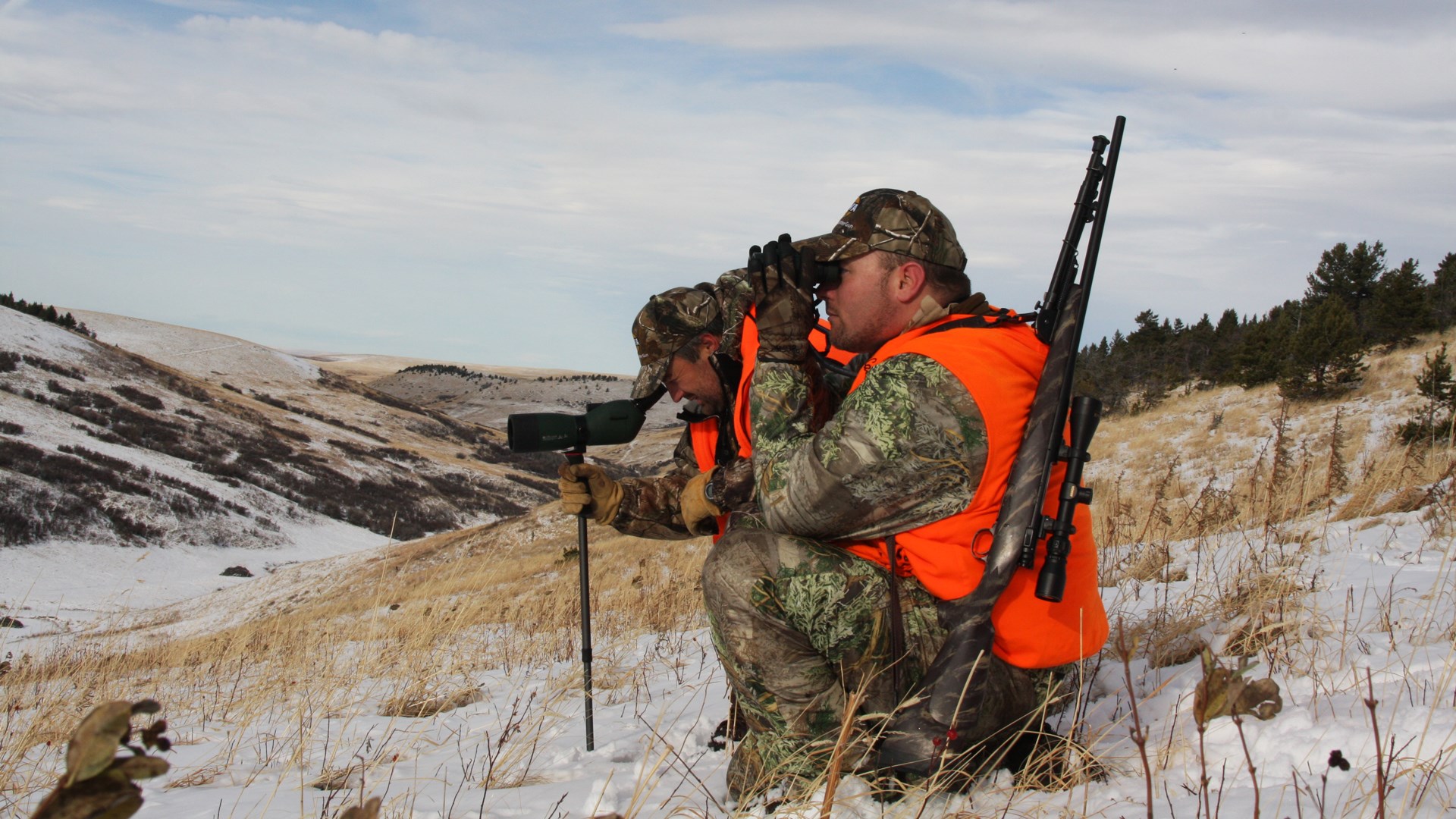
Real-World Hunting
We’d all like to believe that we’re the best shots, even “snipers,” and that every shot will be perfect. Wake up. Hunting is hunting, and perfection simply isn’t reality.
Try as we might, not everything goes as planned, and we can fall short. For instance, have you ever shot a big-game animal that appeared to be broadside, only to trace the bullet’s path afterward and discover that it wasn’t? I have, plenty of times. Because of misjudging distance, an animal’s movement or angle or wind deflection, the projectile might now have to defeat extra bone, tissue, and fluid—which speaks to the benefit of “premium”-type bullets. Hindsight is 20-20, and we often judge ourselves harshly, even when we try to do our very best.
The field is not the range, and animals aren’t static, paper targets awaiting you to perforate with petite clusters. Hunt feral pigs or peak rutting whitetail deer for a perfect example of ceaseless, rapid movement. This makes a “perfect shot” less likely, and waiting for one could prevent success.
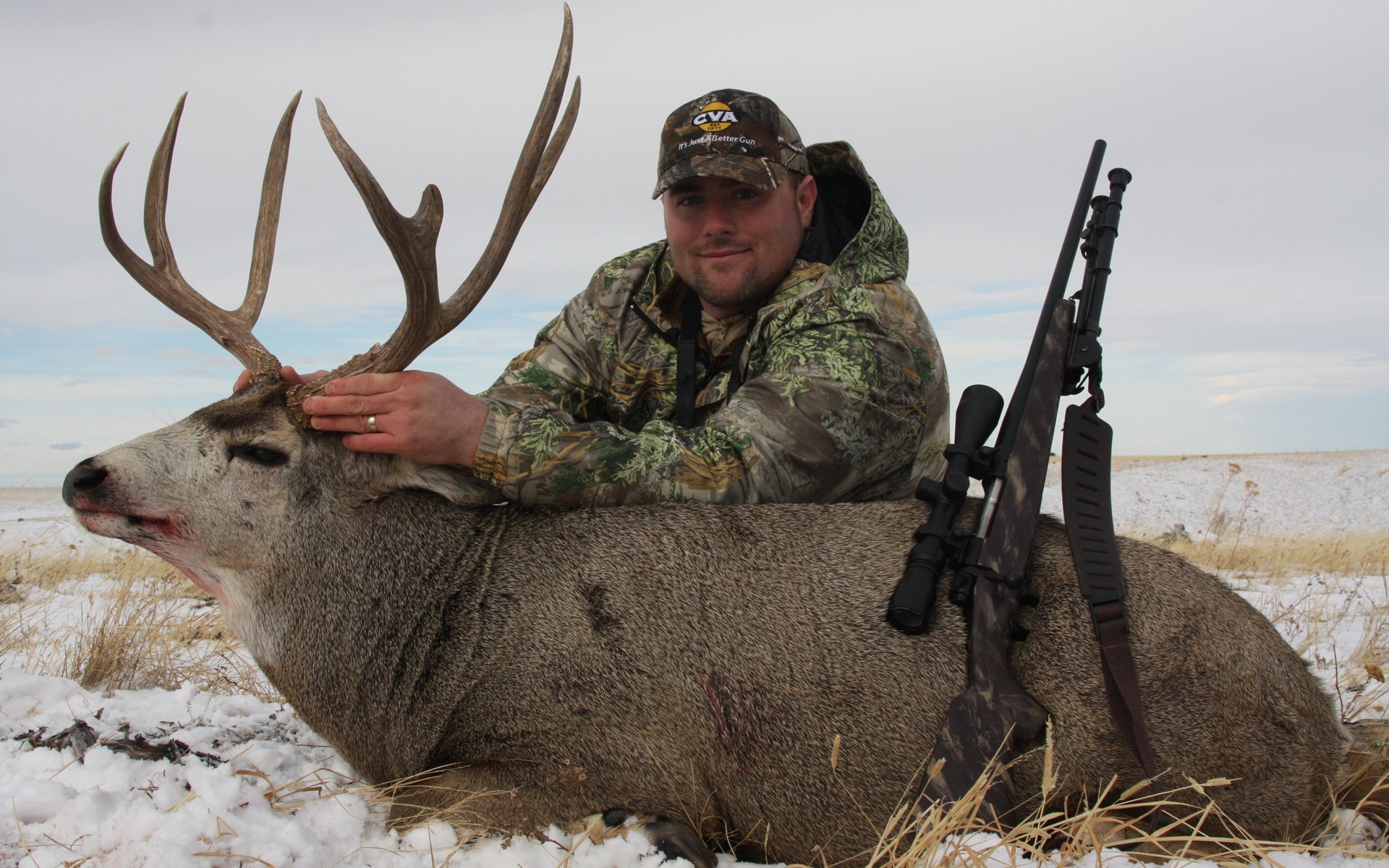
For instance, if you’re waiting for an unknown Boone & Crocket-class buck milling about your food plot to be ever so slightly quartering away (or broadside with the front leg slightly forward) for a heart shot, how would you feel if a coyote sprinted in and spooked the buck, or it suddenly pursued an unseen doe? Or that steady, favorable wind suddenly turned variable? Wouldn’t center-punching the lungs have been as effective, yet less risky? Absolutely. The lesson here; don’t fall victim to a sense of security or impending success. Until the tag is punched, nothing is assured.
Instead, provided that you know the shot to be taken on a game animal is ethical and safe to other persons and property, do so at the earliest opportunity. Animals are unpredictable, especially during mating season, or when heavily pressured. What’s more, you cannot prevent swirling winds, or predict an animal’s encounter with other hunters, among other things. I’ve had farmers and their farmhands inadvertently wreck more hunts through chores than just about anything else.
Why does this matter? Too often we beat ourselves up when the shot isn’t perfect, or things didn’t go to plan. Sure, the non-practiced and reckless can (and do) take risky, unethical shots and “buck fever” can cause things to go awry, too, but hunters must understand that hunting is anything but perfect. If you’re a principled hunter who has practiced shooting from field positions, knows the ballistics of your firearm (or archery tackle), has established self-induced parameters for maximum shot distance, and only fires when a sure kill is assured, then you’ve done all that can be expected of you.
--AC