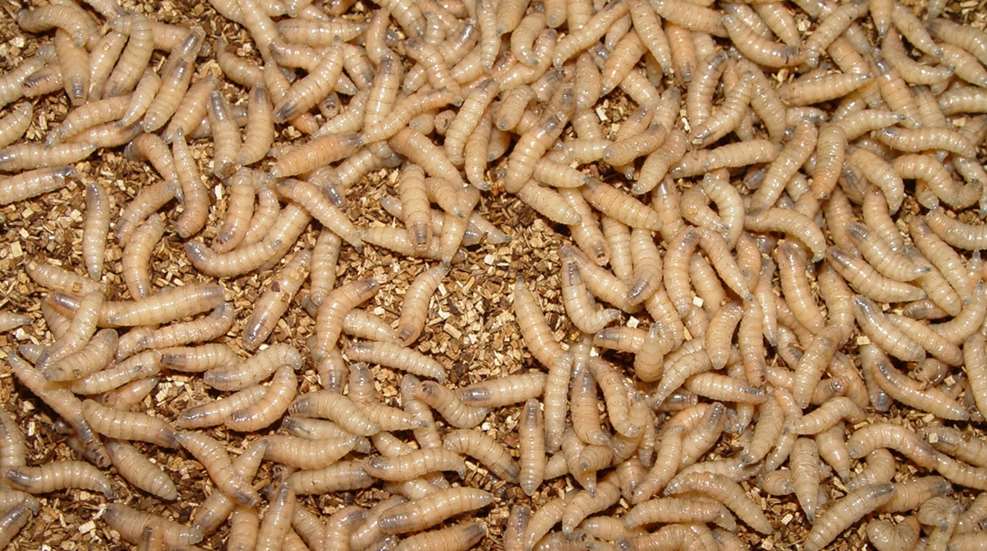
The New World Screwworm (NWS), which devastated wildlife populations and the Lone Star State’s livestock industry 60 year ago, has established two beachheads in Texas. On June 3 the U.S. Department of Agriculture’s (USDA) Animal and Plant Health Inspection Service (APHIS) confirmed the detection of NWS—an insect that lays eggs that hatch into flesh-eating larvae—in the umbilical area of a three-week-old calf in Zavala County, Texas. Two days later, and 6.5 miles away, officials detected a second borderline breach in a month-old calf.
“USDA has responded expediently with respect to this second detection, demonstrating our utmost preparedness,” said Dudley Hoskins, USDA under secretary for marketing and regulatory programs. “This second detection is within the established movement control zone and enhanced sterile insect dispersal area. Many models projected this pest would reach the United States last year, but thanks to USDA’s phenomenal work and our cooperation with state, federal, and industry partners, we’ve held it off until now—when we are far more prepared to respond. USDA has not wasted any time in this fight, we have defeated New World screwworm before, and we will do it again.”
Despite the successful delay and confidence the invasion can be repelled, Canada quickly announced a temporary ban on importing certain livestock from Texas. “Cows and horses that were in Texas anytime within 21 days before crossing the border into Canada would not be accepted into the country, an agency news release said,” the British Broadcasting Corporation reported. The policy is being enforced in an abundance of safety, despite relative uncertainty as to how well NWS—a Central America and Caribbean native—spreads in colder climates.
On June 5, a state of disaster was declared in the Lone Star State that read, “…I, Greg Abbott, Governor of Texas, do hereby certify that the spread of NWS northward from Mexico into Texas threatens Texas’ wildlife and livestock industry and economy and poses an imminent threat or occurrence of widespread and severe property damage, and pursuant to Section 418.014, Texas Government Code, do hereby declare a state of disaster for all Texas counties.”
When asked if NWS was coming to the neighboring Land of Enchantment State, a veterinarian with the New Mexico Livestock Board told a reporter from the Sante Fe New Mexican, “It’s too early to tell, but it’s never too early to make people aware of the concern and what to look for.” She also cautioned that wildlife and livestock are not the only potential victims. The common-housefly resembling flesh-eating larvae can also affect domestic animals—i.e., cats and dogs.
Readers are encouraged to visit the USDA NWS website for complete details. It also has information of interest to hunters here.