There are some guns that beckon softly and some that simply command your undivided attention. Last year, I was exploring a friends’ gun room and came upon a rifle that captured my curiosity. I had to learn the story behind this unique work of art. So began my fascination with the timeless design of the Savage 99.
Being new to the Savage 99, I quickly noticed the unique sub-culture associated with the model. Savage 99 owners shared a reverence for the model I wasn’t expecting. This wasn’t just a rifle; it was a personal lifestyle choice. My curiosity, while piqued before, was now in overdrive. I needed to learn the “why” behind the fascination with this particular design.
Before we go down that winding pathway, I want to talk about the rifle that opened my eyes to this fascinating genre. It was a hot Texas spring day. I was helping someone clean and inventory their gunroom. This particular rifle was pulled from the rack.
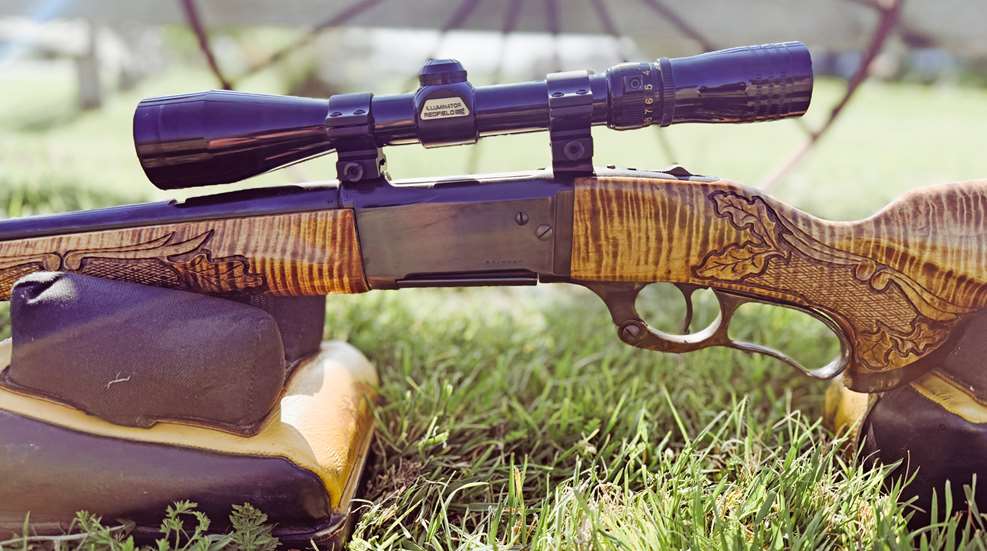
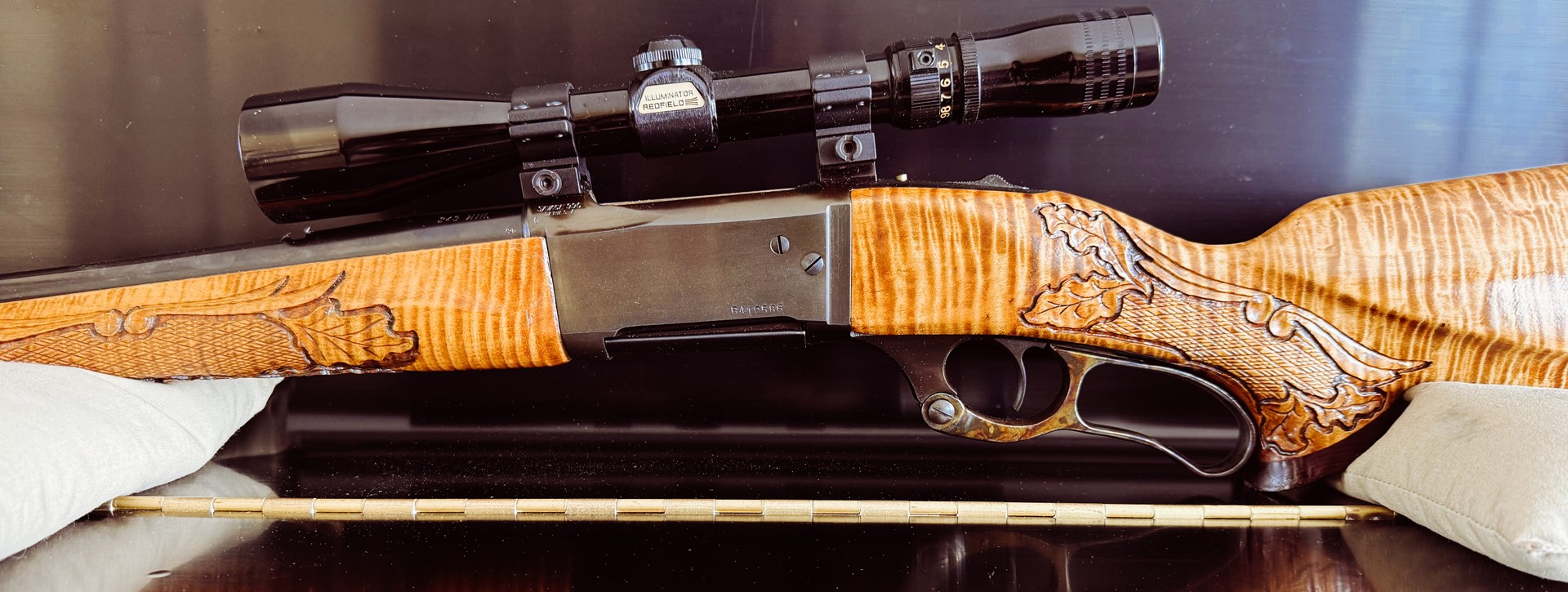
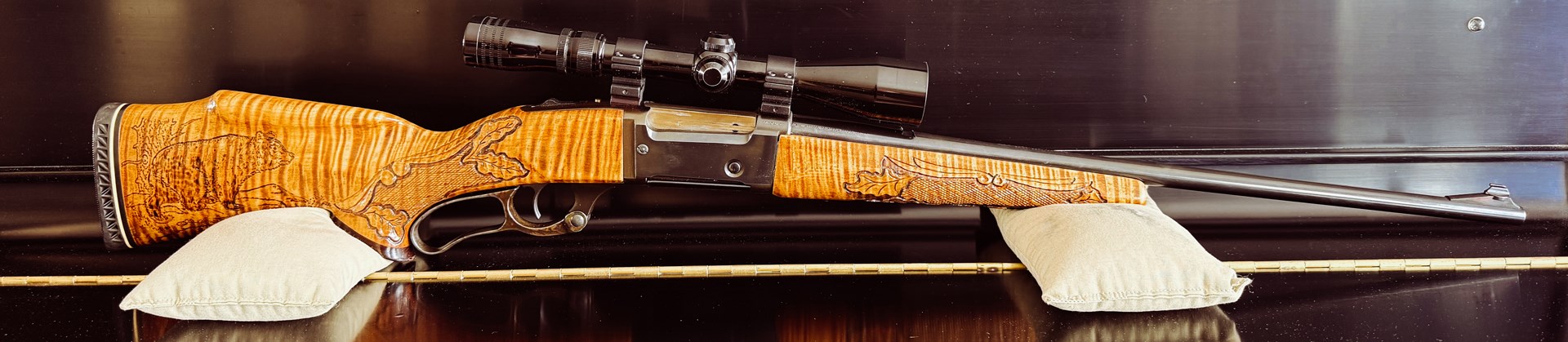
The wood was a high-finish custom maple—heavily engraved and contoured at the comb. The contrasting grip cap was the same dark hue of the figure found throughout the stock. The scope was an old-style Redfield with the antiquated oblong objective.
Chambered in .243, it exuded “classic” from every surface. The case-hardened lever was immaculate and the metal gently patinaed. I walked away from the drab Excel document into which I was entering serial numbers and went into the spring sunshine to photograph this find. Thus began my Savage 99 adventure …
Not Just a Lever Gun
I’ve spent a lot of time the last year or so on lever guns. I thought I had a decent grasp of the ins and outs of the Savage 99 as a result. Wrong. The differences between the Savage 99 and virtually every other lever gun out there, are both numerous and interesting. I want to start with bullets.
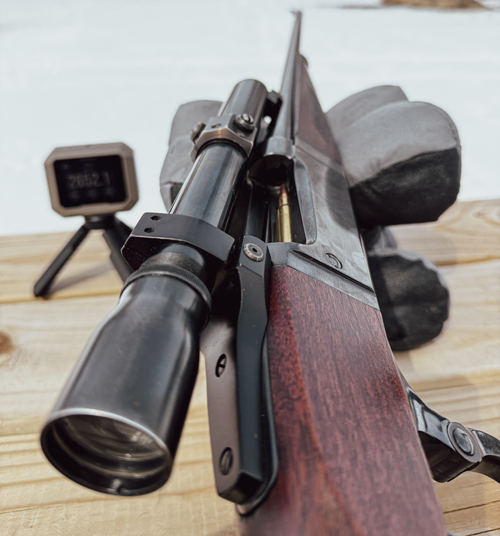
To begin with bullets, however, we must start with Arthur. Mr. Arthur Savage, an astute inventor and businessman (these don’t always go hand in hand) identified the deficit in contemporary lever-action offerings. They couldn’t accommodate trajectory advantageous bullets safely. Ironically, over 120 years later, the basic premise still holds true.
Many of the lever guns on the market today are of a tubular magazine construct. This can cause feeding issues and accidental discharge problems if pointed bullets are utilized. The Savage 99 was produced in either rotary or detachable magazine format (in the case of the 99C line). This allows for the use of traditional, round-nosed lever gun bullet, as well as the more modern spitzer design.
Arthur and his son, Arthur John, created a predecessors to the 99, namely the Model 1895. The 99, though, was and is the pinnacle of Savage lever engineering efforts for shooters and hunters seeking a high performing, reliable, accurate and iconic rifle.
None gained the traction that the Savage 99 did, however. Even though the Savage 99 is no longer in production, there are some principles the Savage gentlemen developed that have withstood the test of time. Walk with me through some of the features that make this model something that is still coveted over 130 years later.
The Savage 99 is not a one trick pony. It was offered in over 150 variations when you take into consideration models, grades, chamberings and special-order options. One feature to note is the take-down option. This was a concept far before it’s time in many ways but contributed to the engineering excellence of the model. It allowed for easy transport and storage through removal of the fore-end and subsequently unscrewing the barrel. Additionally, the barrel was interchangeable in many cases with a .410 chambering.
Another design component that sets the Savage 99 apart is the lack of an external hammer. From an aesthetic standpoint, this creates a very clean and streamlined look. As far as functionality, this unique feature allows for scope mounting options more consistent with a bolt rifle—no hammer means no clearance issues.
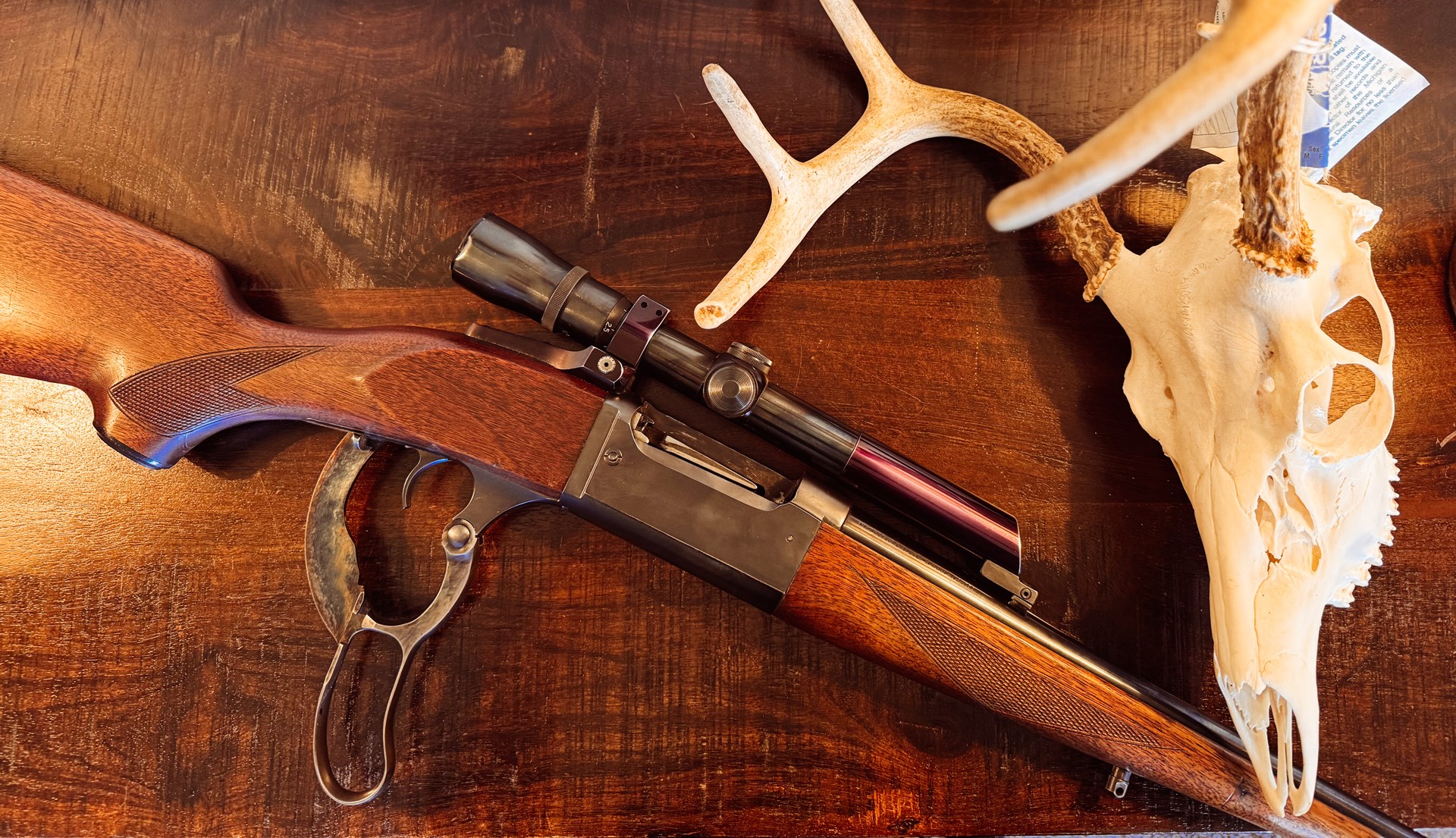
A few other traits that seemed advanced for the time were a cartridge counter, cocking indicator and striker-fire mechanism. The Savage 99 was manufactured from 1899 to 1997/1998. While the production duration was just shy of 100 years, the initial foundation of the Savage 99 remained consistent until the end.
Quality, innovation, solidarity and a customizable user experience were the pillars upon which the Savage 99 was built. With that in mind, let’s return to our premise – The Jeep of the Gun World.
The Savage 99 took a traditional lever-action concept and leveled it up in technology, performance and practicality. While available in triple digit variations, the over-arching theme is the same—an elegant, innovative and effective user experience.
In todays’ market, lever guns are gaining popularity at a fascinating rate. Once thought to be subordinate to bolt guns, the lever gun is experiencing a resurgence for many reasons. Whimsy and nostalgia certainly play a role, but the gun-buying populace is realizing that the reliability and clean mechanical processes of lever guns are highly desirable. One thing unique to the Savage 99 is that the balance of the rifle remains the same throughout the shooting experience, no matter the round count. This was pointed out to me by a gentleman in an online Savage 99 Club I joined as part of this odyssey.
In keeping with that, I’ve discovered that Savage 99 aficionados seem to gravitate to one another – social media groups, online forums and clubs are plentiful. Like a Jeep wave when going down the road, there seems to be a definite nod of mutual respect and appreciation between Savage 99 lovers. I found it peculiar at first but have discovered it’s well founded.
It’s a Jeep Thing
Growing up, I watched M.A.S.H. with my grandmother. From Henry Blake to Colonel Potter and Hot Lips, it was a 30-minute glimpse into a world before my time that gave context to things of which I had no first-hand knowledge. One of my most vivid memories of those episodes is watching the Jeeps barrel down the dirt roads laden down with cargo and stretchers. Words like “utilitarian” and “functional” seem to roll off the tongue when watching these seemingly indestructible vehicles do their job. While not fancy, they were unerringly effective. At least they were in my grandmas’ living room eating Root Beer hard candy and shortbread cookies out of a tin…
In stark contrast, I was filling up my truck a few months ago and a Jeep rolled in to the pump next to me that had the vehicular equivalent of a Mommy Job, Botox and a serious Collagen session, all at once. I love engraving and nice wood as much as the next girl, but this was a “little extra,” even by my standards.
The Savage 99 hit every market. The utilitarian gun user. The collector. The connoisseur. The flashy fire-power player. The obscure ballistic fashionista. There is something for every taste and purpose. While no longer manufactured, it still serves as a benchmark for lever guns in many ways. Unfortunately, rising manufacturing costs and declining demand spelled the end of its production.
In addition to user distinctions, the Savage 99 also crossed geographic borders. From Asia and Africa to Canada and the US, the Savage 99 has the stamp in the passport, so to speak. The reasons are numerous and nuanced, but can be distilled down to three things:
- Reliability
- Accuracy
- Quality
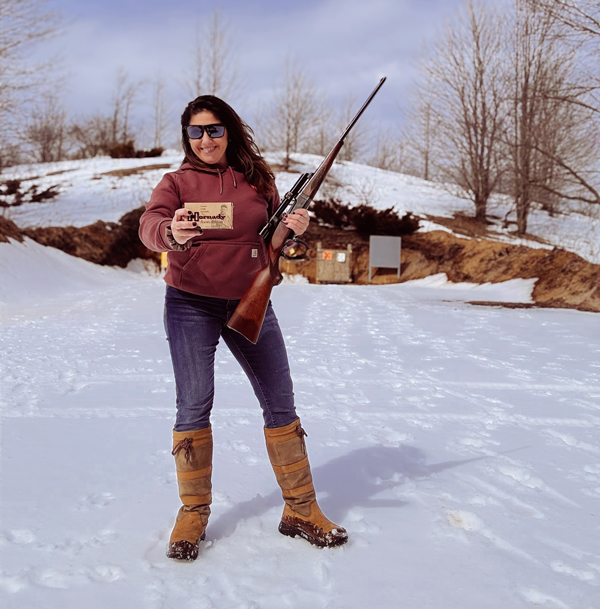
These components are critical when it comes to hunting in unforgiving climes and adverse conditions. The Savage 99 has the engineering and proven results to make it a solid choice for multi-continental adventure.
Like a Jeep, the Savage 99 is an iconic example of innovation, performance and human attachment. I don’t plan on handing out ducks anytime soon, but I am certainly enjoying the cultural experience that is the Savage 99.
Happy Shooting!
Andi