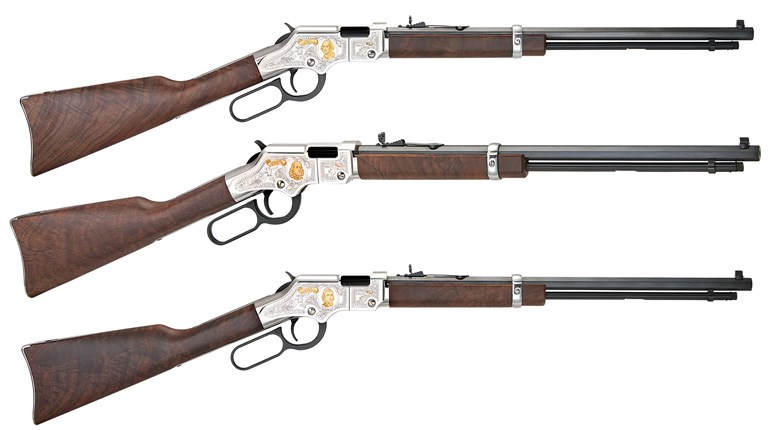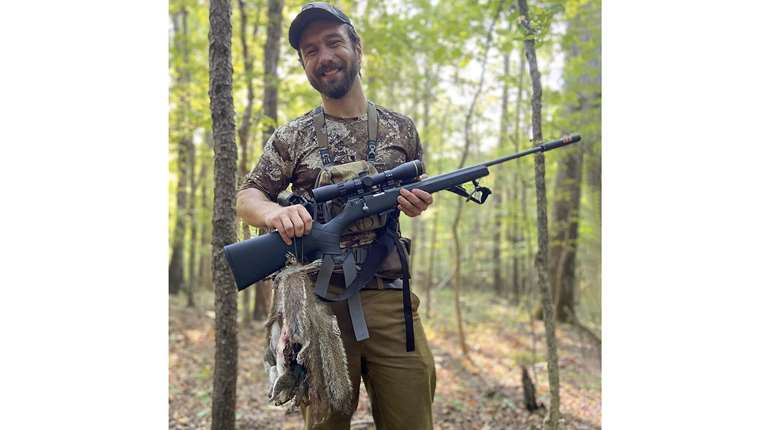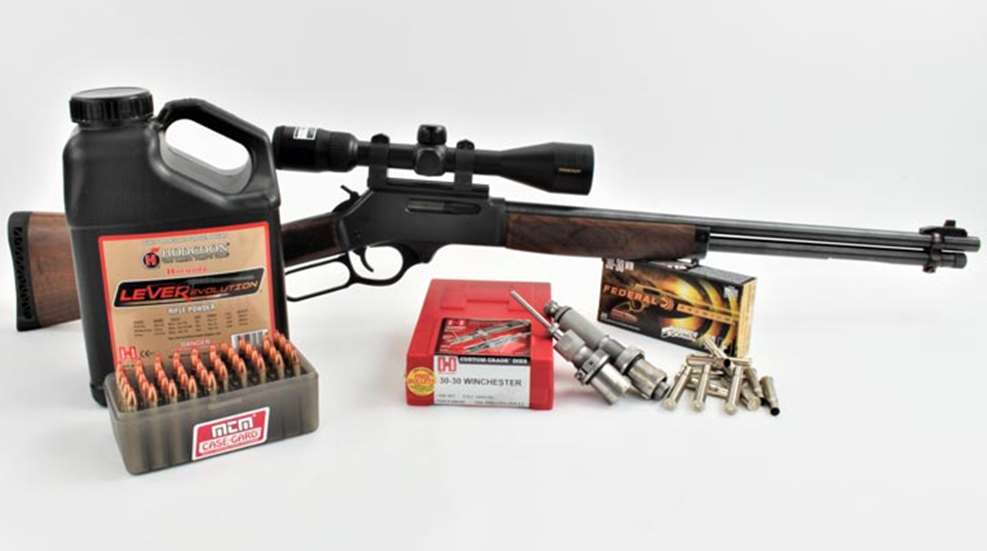
With respect to ammunition, the handloader is the master of their universe. Each shooter that decides to take cartridge production into their own hands has the ultimate flexibility in customization. By changing powder, bullets, seating depth and crimp tension, we can make an ordinary gun produce extraordinary groups. The lines of load development aren’t drawn at one solemn manufacturer either; everybody plays nicely together, and in 2020 I used this to my advantage to create the perfect .30-30 Winchester load for my Henry H009.
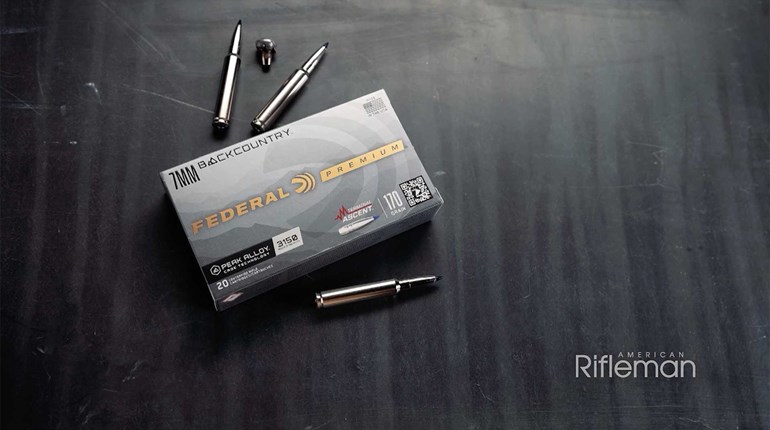
Prior to using handloads, there were two factory rounds of ammunition I fed this gun nearly exclusively. The first was Hornady’s LEVERevolution 160-grain FTX ammunition. This round performed well, but the powder charge wasn’t quite optimized for the Henry. The second came around earlier this year. Federal HammerDown was developed to run best out of lever-action rifles, and boasts a special tapered rim that easily slides through loading gates, or allows the pusher rod of a tubular magazine to be reinserted more easily. Both rounds gave me about 70 percent of what I was looking for, but each had their shortcomings. While Hornady’s fodder had an extended range, it wasn’t accurized to my rifle. Furthermore, they were such a pain to load that I’ve often down-loaded my tube to get the rod in easier. On the other hand, Federal solved the loading problem and took a leap in the accuracy department, but they did it with low-BC flat point bullets. The solution to my dilemma was eating off the buffet of reloading components; to pick my favorite parts from each cartridge in order to roll my own rounds.
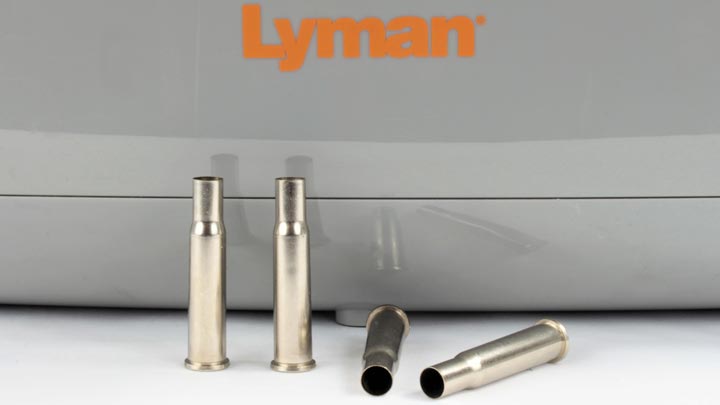
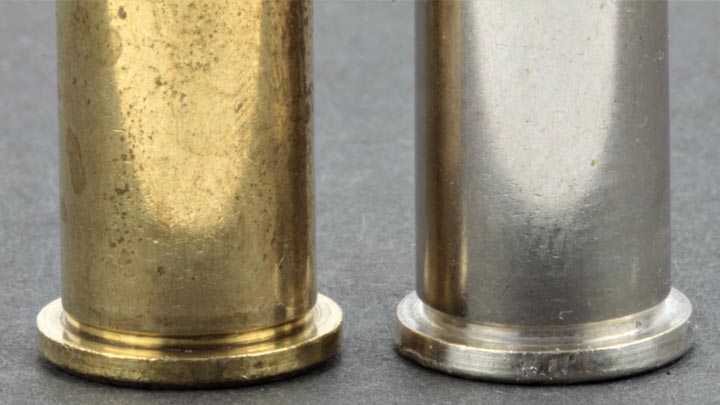
I started the process by collecting up as many of the Federal HammerDown cases as I could find from previous firings. As the .30-30 Win. is fun to shoot, I had plenty around and had no qualms about going to the range to “make” a few more empty cases. These cases feature a lustrous nickel plating that adds lubricity and makes them easy to find when you drop them out of your deer stand (ask me how I know). I wanted to preserve this, so instead of throwing them into a vibratory tumbler I used a Lyman Turbo Sonic 6000 ultrasonic cleaner to safely remove grit without taking off the nickel. After allowing them to dry, I resized them with a set of Hornady Custom Dies and primed them with CCI BR2 primers. I get a lot of flak for using high-end primers on hunting rounds, but an inch or two of deviation can be the difference between a clean kill and tracking wounded game for hours. Besides, why maintain stock on more than one type of primer just to handicap yourself?
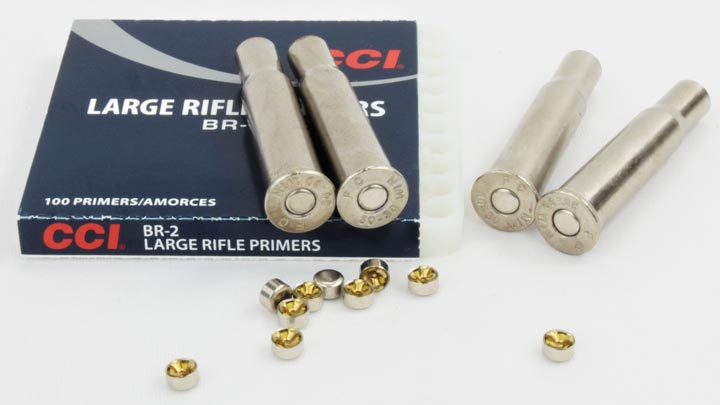
Next up was powder selection and measurement. To reflect on a previous email correspondence between myself and Chris Hodgdon, he called me all but crazy for considering anything other than the LEVERevolution powder when reloading the .30-30 Win. cartridge. I know better than to argue, and was certain that with a good round of load development, I could get the charge exactly how I want it to produce MOA accuracy. So with that, I started weighing out powder charges, five each in half-grain increments from the minimum to the maximum. Typically I use smaller increments, but the .30-30 Win. has a massive powder range, as large as 10 grains in some instances. Widening the steps allowed me to cut down my time at both the loading bench and the shooting bench at the cost of just a bit of precision. After my cases were charged, I sat the Hornady 160 grain FTX bullets right to the middle of the cannelure with just a touch of crimp. Typically, I don't crimp rifle rounds, but in tubular magazines, I want to make sure the bullets stay put under recoil. At this time, I noticed we had powder compression at 36 grains, so I stopped there and dumped out all cases charged with more powder than that. Lastly, I organized my rounds into an MTM RS-50 ammo box to ensure I didn’t mix up powder charges, packed my gear and headed for the range.
At the range, I set up a Caldwell G2 Chronograph as well as one of the companies’ Rock BR rests. After hanging paper, I proceeded to load and fire my five-round groups. Loading the rifle was an absolute dream—just as it was with the factory Federal loadings—and recoil was right on par with just about every other .30-30 Win. load I’ve ever fired. Load development was remarkably interesting, as each charge either shot well or it didn’t. We found our most consistent group at 34.5 grains of powder, and it produced an average velocity of 2270 fps with a standard deviation of just 13.4. Our sample group measured .93-inch, which is outstanding 100-yard accuracy for this cartridge fired out of this platform.
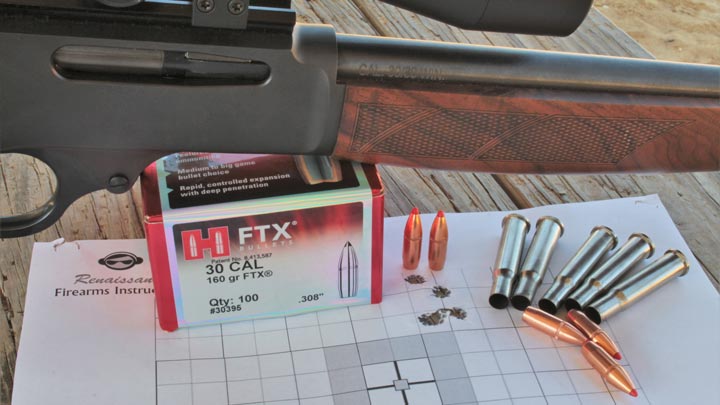
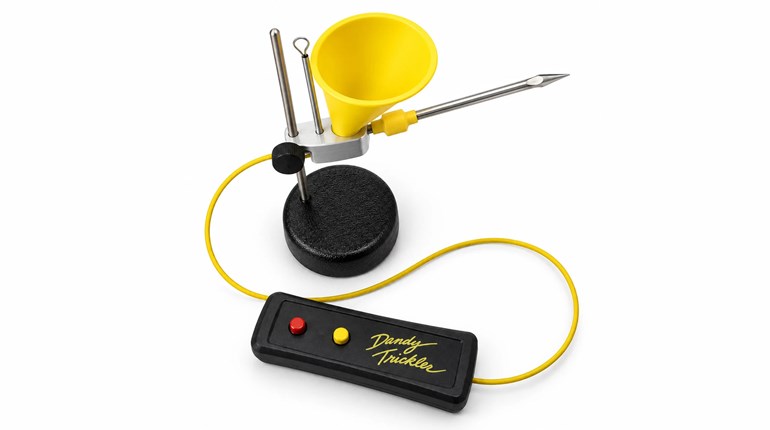
I considered my load development to be a success on this day. Not only did I squeeze out that last bit of accuracy from one of my favorite hunting rifles, I also made it easier to load by recycling already terrific factory brass. As a bonus, the new round I created was built with ball powder, allowing me to meter charges with a thrower instead of waiting for a dispenser to trickle them out. It also opens the door to running these off on a progressive, but it's doubtful I’ll ever need them in that large of a quantity. All in all, I took the best of both worlds and cemented in what I already knew—handloading gets you exactly what you want, even if it doesn’t yet exist.