At the turn of the 20th century, when our rifle ammunition was almost finished making the transition from black powder and lead projectiles to smokeless powder and jacketed bullets, heavy-for-caliber projectiles seemed to rule the roost. So many of the classic cartridges operated with bullets on the heavier side of the spectrum, and those cartridges quickly earned a sound reputation in the hunting fields. I suppose those heavy bullets were a carryover from the various military cartridges—the 7x57 Mauser with 173-grain bullets, the .30-40 Krag and .30-03 Springfield with 220-grain round nose bullets, and the 6.5x55 Swede and 6.5x54 Mannlicher Schöenauer with their 156- to 160-grain bullets. Those late 19th- and early 20th-century developments were certainly carried in the hunting fields, primarily because of their abundance, but also because they worked.
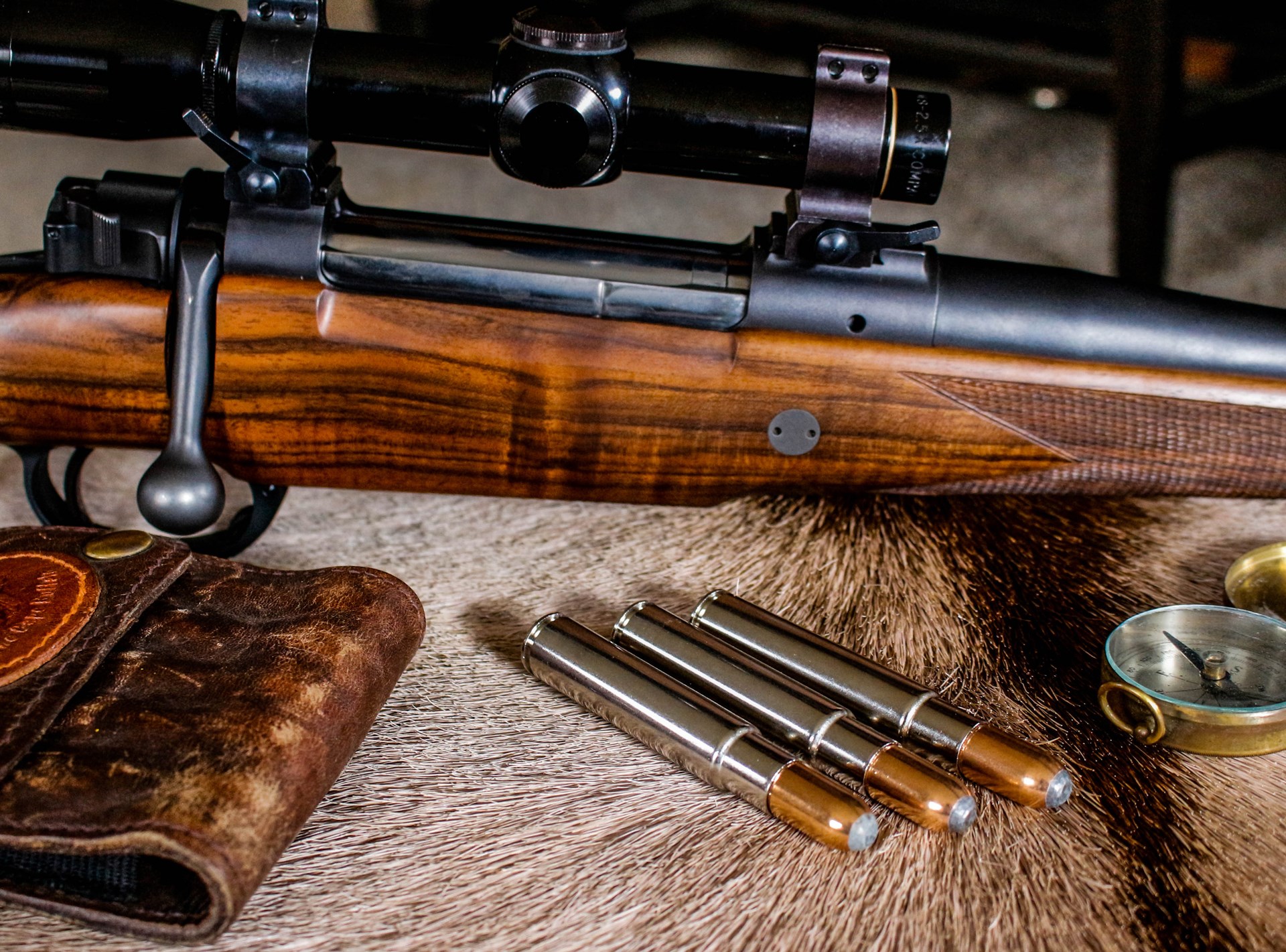
Considering the construction of the bullets of that era—a simple copper jacket over a lead core—the higher Sectional Density figures translated to deep and reliable penetration, where the light bullets ran the risk of premature breakup. But as powder technology advanced, giving us slower burning powders, velocities increased and America began its love affair with speed. As early as 1915, Savage had released the .250-3000, using a light-for-caliber 87-grain bullet to achieve the (then) mythical 3,000 fps mark. Of course, those light bullets didn’t handle that speed well, and to this day the cartridge is best served by bullets of 100 grains or heavier. By WWII nearly all military cartridges had made a transition to lighter bullets, including the .30-06 Springfield, which would see a 150-grain spitzer bullet. John Nosler would use a .300 Holland & Holland Magnum—though I confess I don’t know the bullet weight he was using—on a mud-caked bull moose, having terrible bullet performance and sending Nosler to the drawing board, where he’d ultimately conceive the now-famous Partition.
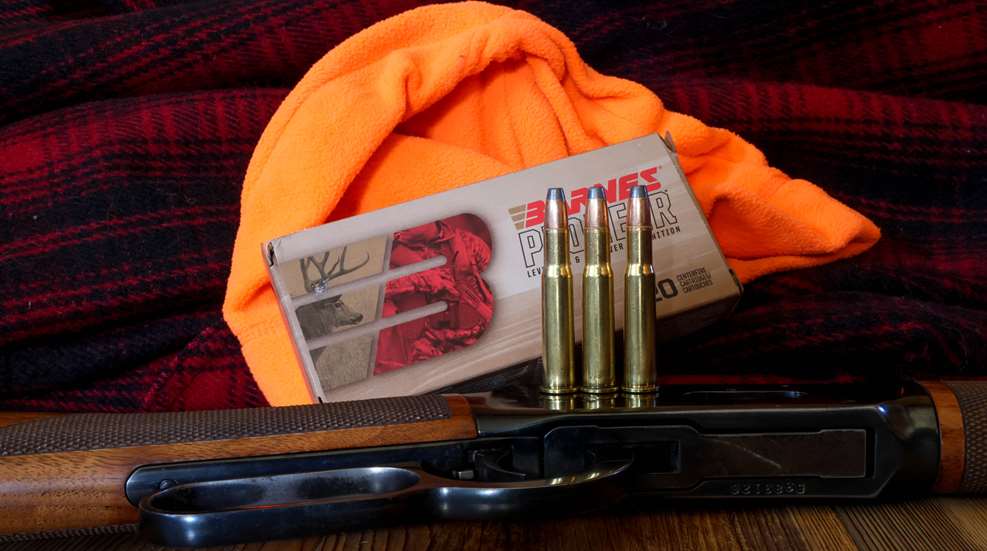
Fred Barnes was making projectiles in his small Colorado shop, specializing in heavy-for-caliber cup-and-core bullets. I think it is kind of ironic that Randy Brooks, who purchased Barnes Bullets, took the lead core out entirely and gave us one of the first reliable light-for-caliber designs. But, despite the popularity of the Barnes X (and its subsequent iterations like the TSX, TTSX and LRX), the Barnes Original line of lead core projectiles never left completely and remain available to this day.
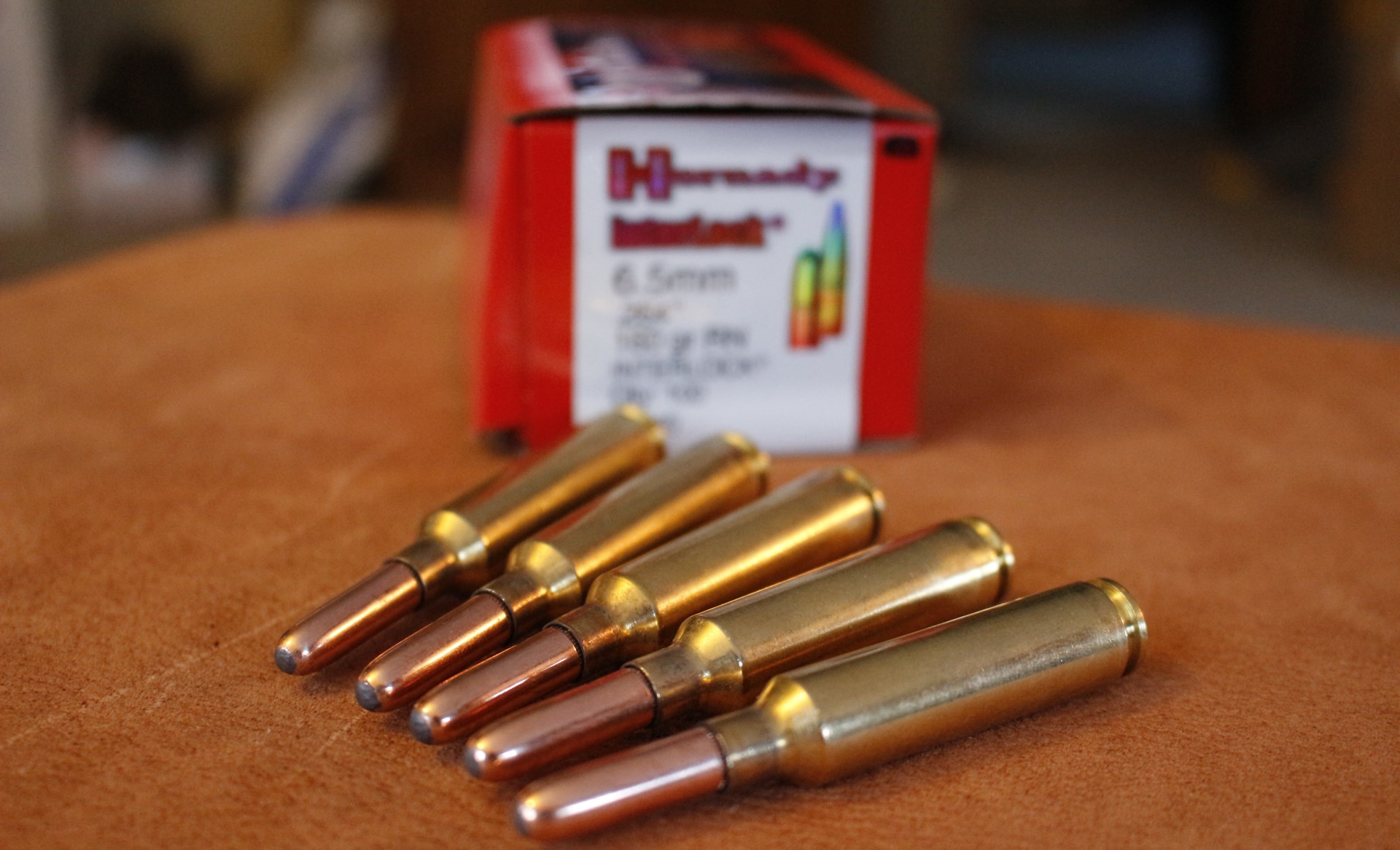
I love experimenting with different bullets, and have for over three decades. My father, Ol’ Grumpy Pants, taught me how to reload ammunition, though his firm point of view is that all anyone needs is a proper .308 Winchester with 165-grain bullets. Much to his chagrin it wasn't long before I was loading bullets as light as 125 grains and as heavy as 250 grains in my own .308 Winchester and .300 Winchester Magnum, with varying degrees of success. Reading the exploits of hunters like Alaskan Guide Phil Shoemaker—who sang the praises of a .30-06 Springfield loaded with 220-grain bullets for grizzly bears—as well as John ‘Pondoro’ Taylor who experimented with a multitude of British and American cartridges, the hook was firmly set in my mouth. It wasn't long until I was loading 220-grain Hornady Interlocks into my .300 Win. Mag., aiming for the velocity of the .318 Westley Richards, in an attempt to make what I couldn’t afford. Since the vast majority of my hunting shots were well inside 150 yards, the heavy, round-nosed design posed no handicap, and I used that load for whitetails and black bear here in New York. My love for heavy bullets had just begun.
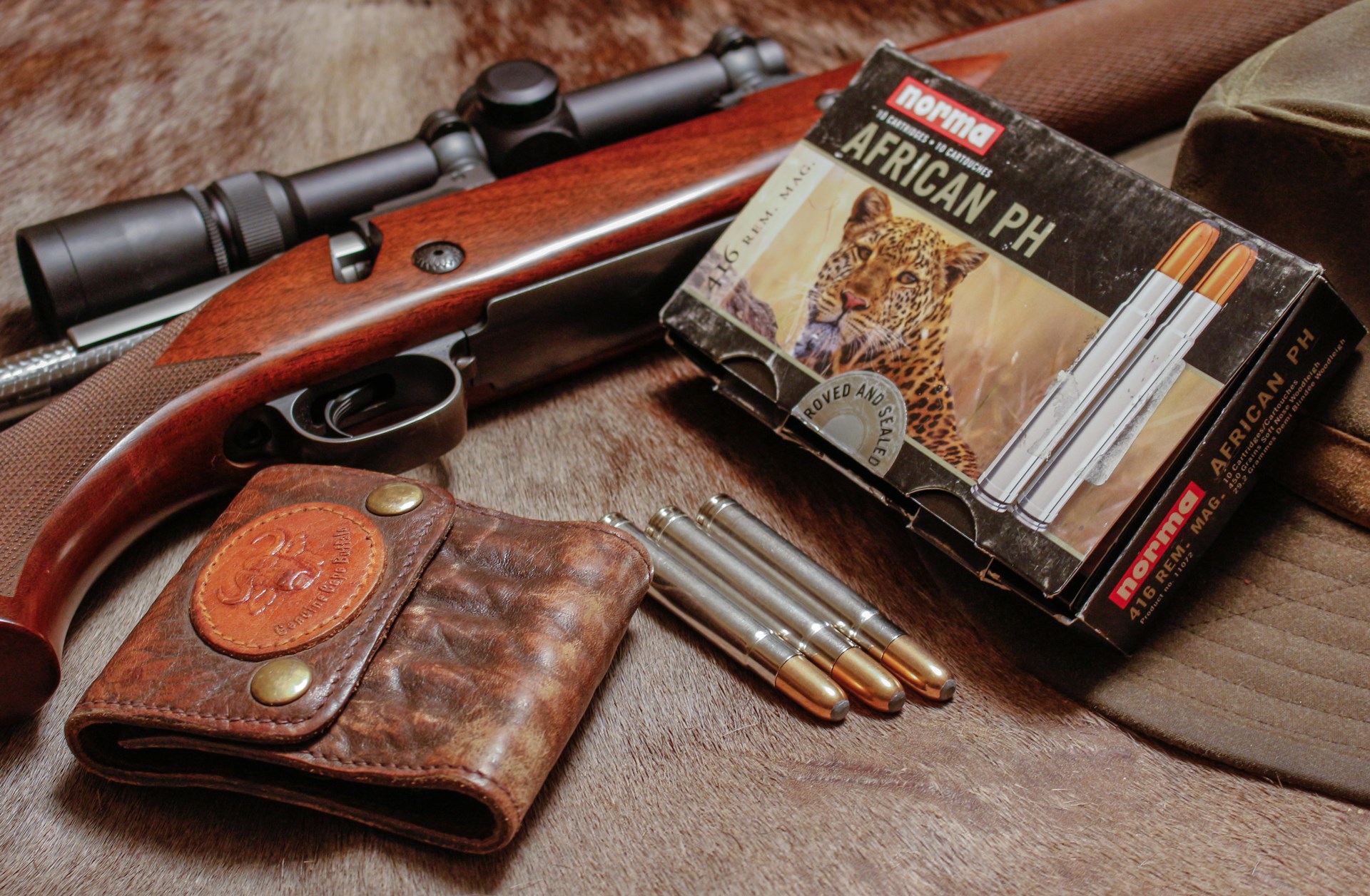
I’m not alone, as Norma saw fit to load the heavier Woodleigh Weldcore and FMJs in their African PH ammo line, fiving a definite weight boost to the bolt-action cartridges. The 350-grain .375 H&H Magnum, 450-grain .404 Jeffery, .416 Remington Magnum and .416 Rigby, and 550-grain .458 Lott and .450 Rigby Magnum were included in the mix, giving those in pursuit of dangerous game a bit more bullet weight to play with. Barnes still loads the Original bullets in their Pioneer ammo line, as well as offering them in component form, and North Fork bullets—now relocated to Sweden—have long offered bullets in heavier-than-normal weights.
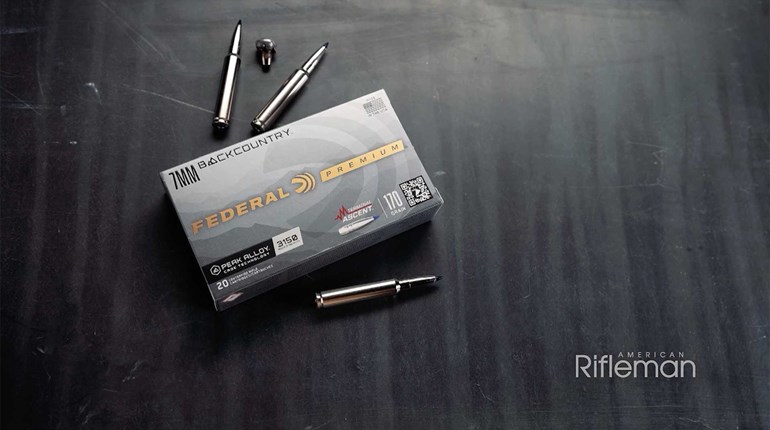
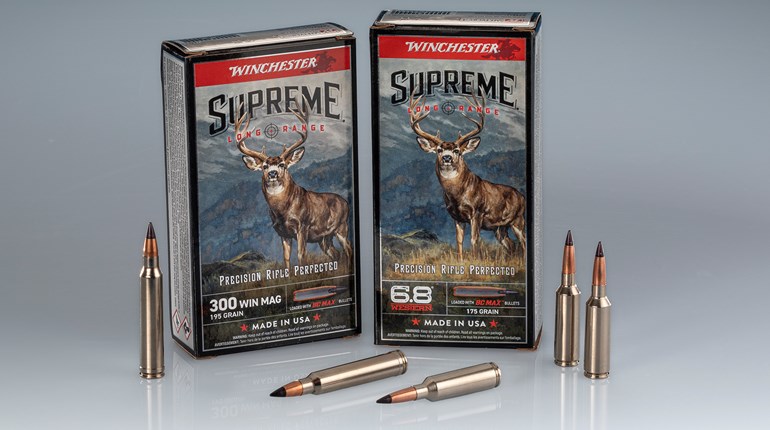
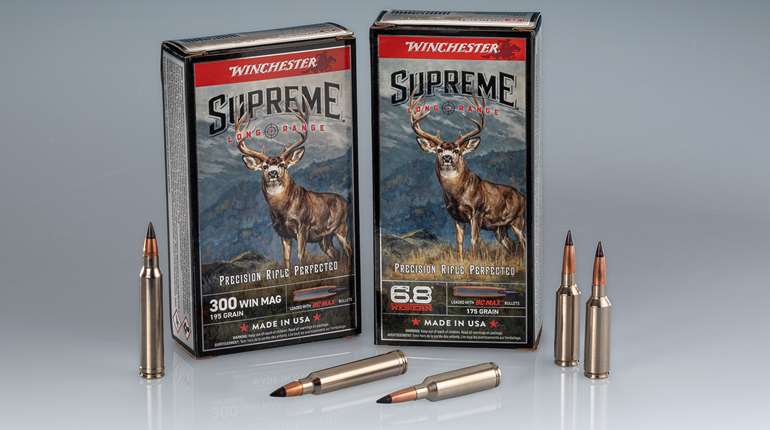
In the round-nosed guise, most hunters will be taking advantage of the higher Sectional Density, as these projectiles are usually reserved for relatively close ranges. However, target shooters and those who hunt at longer ranges also appreciate bullets on the heavier end of the spectrum, as they definitely lend to the high Ballistic Coefficient values. I like the Hornady A-Tip Match bullets, which offer some heavier options, as well as the Berger match stuff, some of which are so heavy they require a faster twist rate. Both make excellent target projectiles, working very well in the wind deflection department. Hunters who need to reach out will also appreciate those projectiles on the heavier side. Many new cartridges are designed to handle sleek bullets on the heavy side of the spectrum—the 6.8 Western, 27 and 28 Nosler, 7mm PRC and .300 PRC come quickly to mind—and they have gained popularity among those who routinely hunt at longer ranges. Nosler’s AccuBond Long Range, Hornady’s ELD-X, and Berger’s Extreme Outer Limits bullets are all popular choices among long-range hunters.
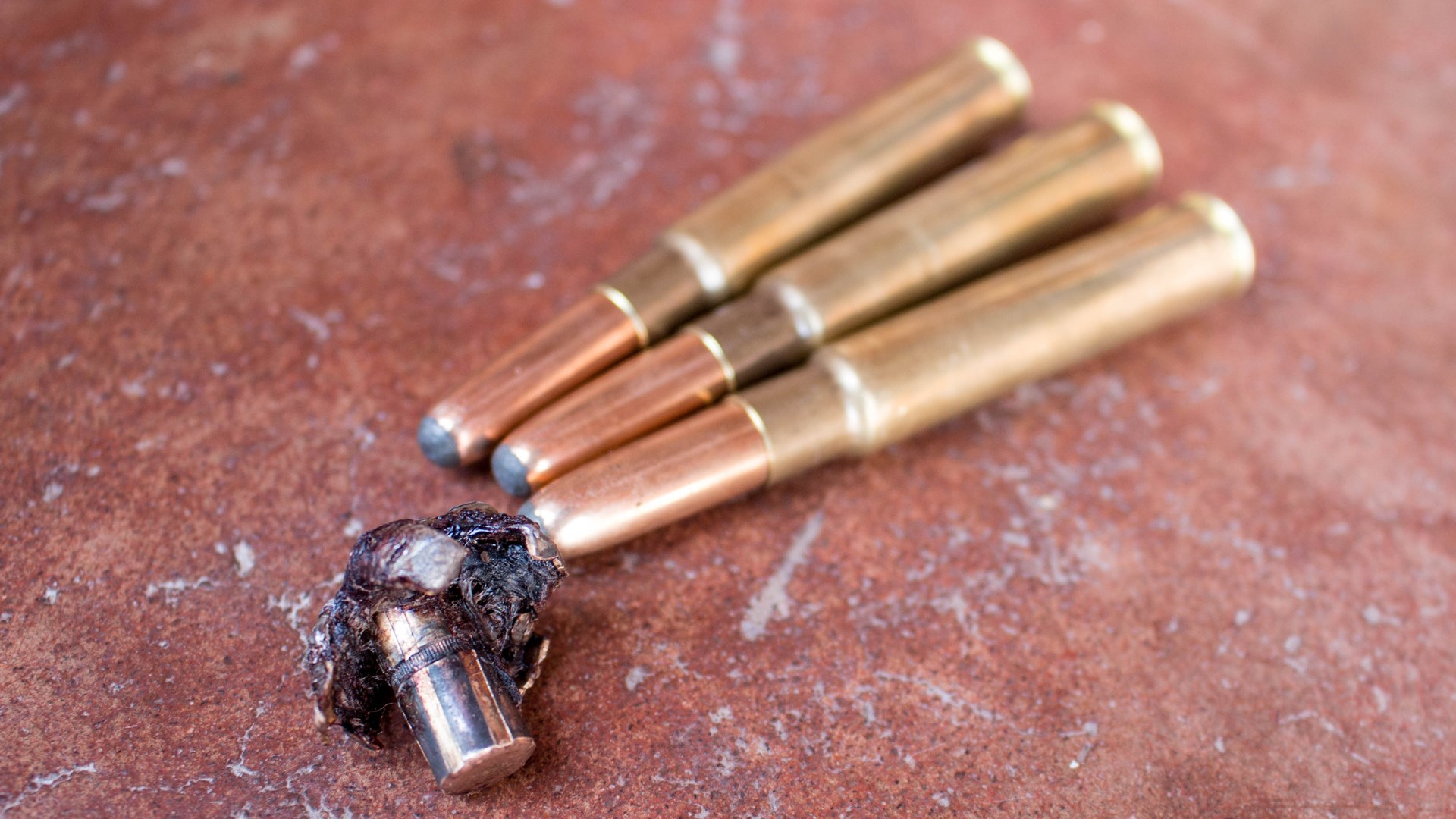
So with the current crop of premium hunting projectiles we have available to us, do the heavyweights still have the appeal they did a century ago? Well, if you like the cup-and-core designs that have been with us so long, I’d definitely recommend you stay on the heavier side of the weight spectrum, to avoid premature bullet breakup and guarantee penetration into the vital organs. If you like the bonded core, partitioned, and monometal designs, in most hunting scenarios you can get away with a bit less bullet weight and still get the same performance. I’ve seen a 130-grain Swift Scirocco II in a .270 Winchester give the type of performance one would normally expect from a 150-grain bullet. And I’ve seen a 7x57 Mauser loaded with a 150-grain North Fork bullet absolutely flatten a black bear in the manner you’d expect from a 7mm Magnum.
In a cartridge with limited case capacity, a middle-of-the-road premium certainly makes a lot of sense, but in those magnum-class cartridges I do like the heavy bullets. They retain energy very well at long ranges, and up close they have the length needed to penetrate properly from nearly any angle. Look at so many of the British cartridges which garnered a good reputation on thick-skinned game and you’ll find that common thread—the 6.5x54 MS, 7x57 Mauser, .318 Westley Richards, .333 Jeffery, .375 H&H, .404 Jeffery and .416 Rigby all have bullets which offer deep penetration. I've used the 250-grain .330-inch-diameter bullets of the .318 Westley Richards to take a Texas heart shot on a huge, mature kudu bull, only to find the expanded bullet lodged against the breast bone. That’s a lot of animal to penetrate, and though it was a Woodleigh Weldcore, I don’t feel confident that a lighter bullet would’ve given that performance. At least I know I wouldn’t have attempted that shot with a lesser bullet. Those round-nosed, heavy bullets are wonderful for bears over bait, whitetails in the woods, African antelope at bushveld distances, and similar situations, and have been for well over a century. Sectional Density values are often quoted when discussing those bullets which need to penetrate thick hides and tough muscles. Generally speaking, a bullet with an S.D. of 0.300 or greater is desirable for dangerous game work, and you'll find that many of those classic cartridges use a bullet that fits that criteria.
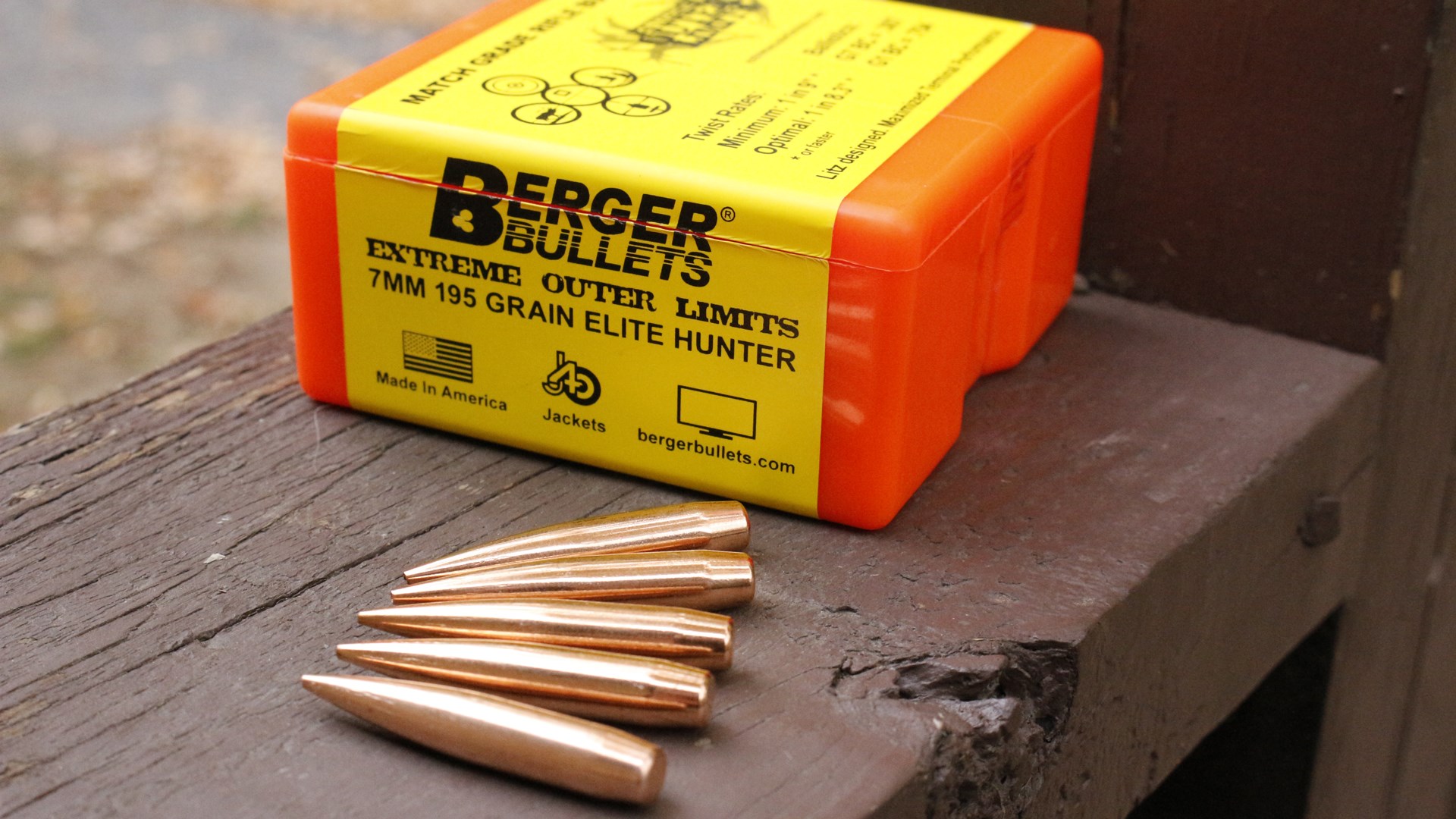
For those situations where getting closer just isn’t an option—and there are many—a heavy bullet of high Ballistic Coefficient is assuredly your friend. Elk across the canyon, an aoudad ram standing with his harem without a stitch of cover between you, or that pronghorn buck across the sage flat; all can be best handled by a heavy-for-caliber bullet with a good B.C. value. Sometimes it isn’t the bullet weight needed to reach vitals, sometimes it is the B.C. needed to get the bullet where it belongs in the first place. And for that job, sometimes heavy is the way to go.