The first time I heard the word ‘varmint’ was while watching a Saturday morning cartoon when I was a kid. Yosemite Sam was referring to Bugs Bunny as a varmint as they maneuvered through the simplistic plot of the short animation. I remember thinking it was a cool word and I soon found myself using it often to refer to my neighborhood friends. Years later, I would find that the word had a somewhat unofficial use in the world of hunting.
The “varmint” designation usually refers to non-game species and certain predators that can be hunted year-round without bag limits, tags or special permits. Here in Idaho, these species are often referred to as “varmints” or “vermin” in hunting circles, and they are technically classified under the Idaho Department of Fish and game regulations as unprotected or predatory wildlife.
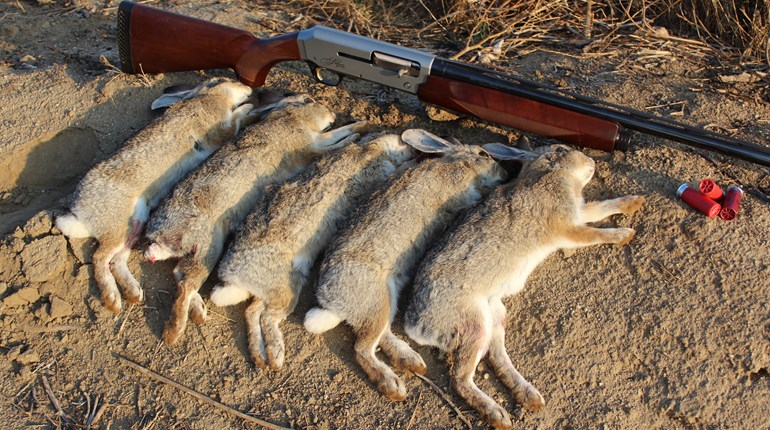
Here in the gem state, the varmint or non-game group of animals include coyotes, several species of ground squirrels, rock chucks (yellow-bellied marmots), jackrabbits and skunks. As an Idaho resident, I can also add the American badger to that list. Classified here as a furbearer, badger can be hunted year-round and hunters don’t need any special tag or permit for the squat little hole digger. The only state requirement for the pursuit of varmints is a valid hunting license.
Having hunted most of my life, I am aware of the seasons for game animals. I always looked forward to the fall, winter and into early spring to chase the animals I have on my hunting list. However, when the game seasons ended, I found myself still wanting to hunt. Hunting the group of animals in the varmint category allows me to extend my hunting season.
Many of the varmint clan are considered ranch or farm pests, and landowners are open to assistance in controlling these non-game animals. Depending on the use of the land, these animals can be destructive and predatory. Ranches raising livestock usually have a dislike for coyotes, and farmers tending crops, despise all the ground dwelling critters consuming their valuable plants and digging burrows. Consequently, having cultivated a few relationships with local people, I do quite a bit of varmint hunting on private land.
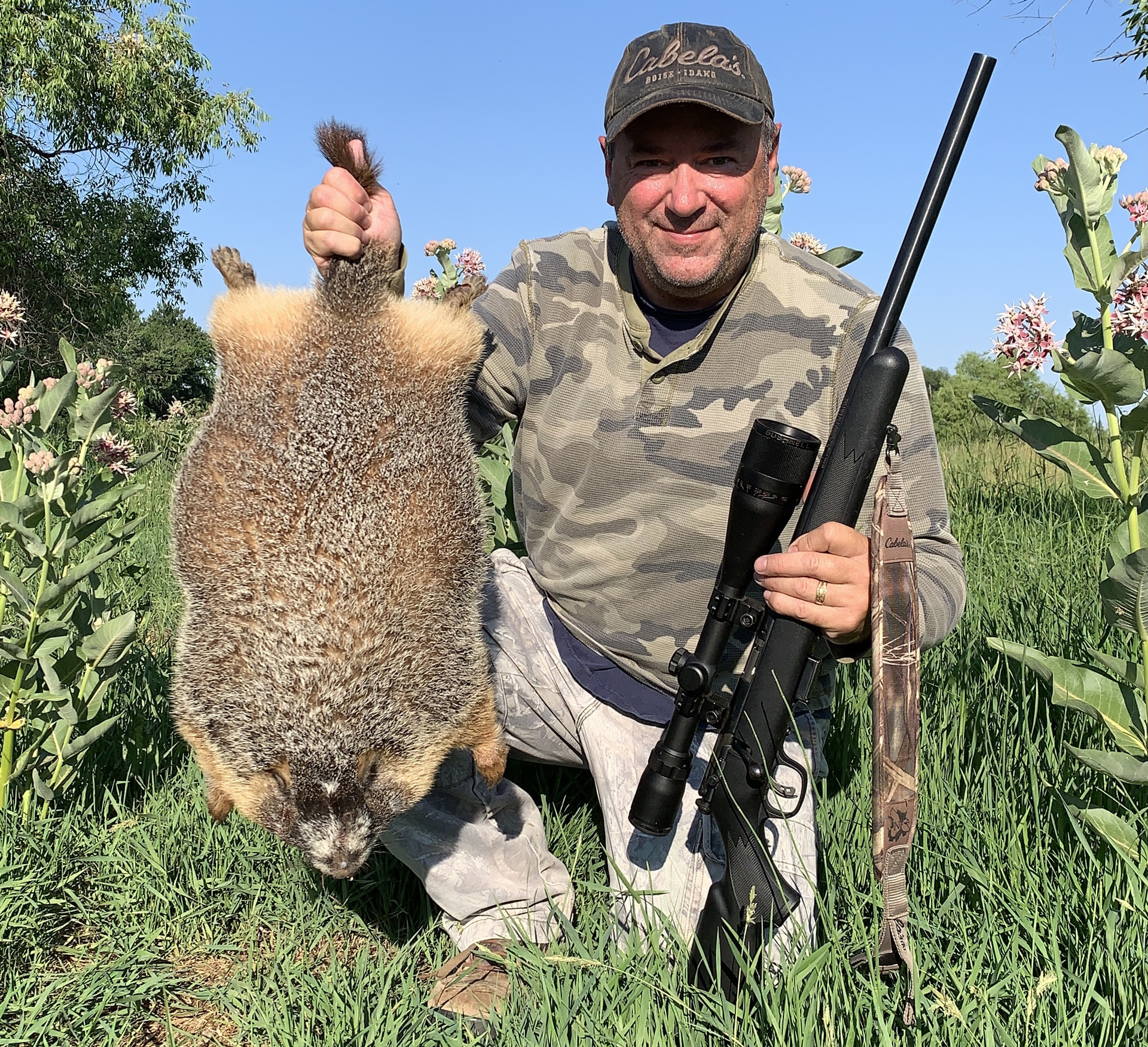
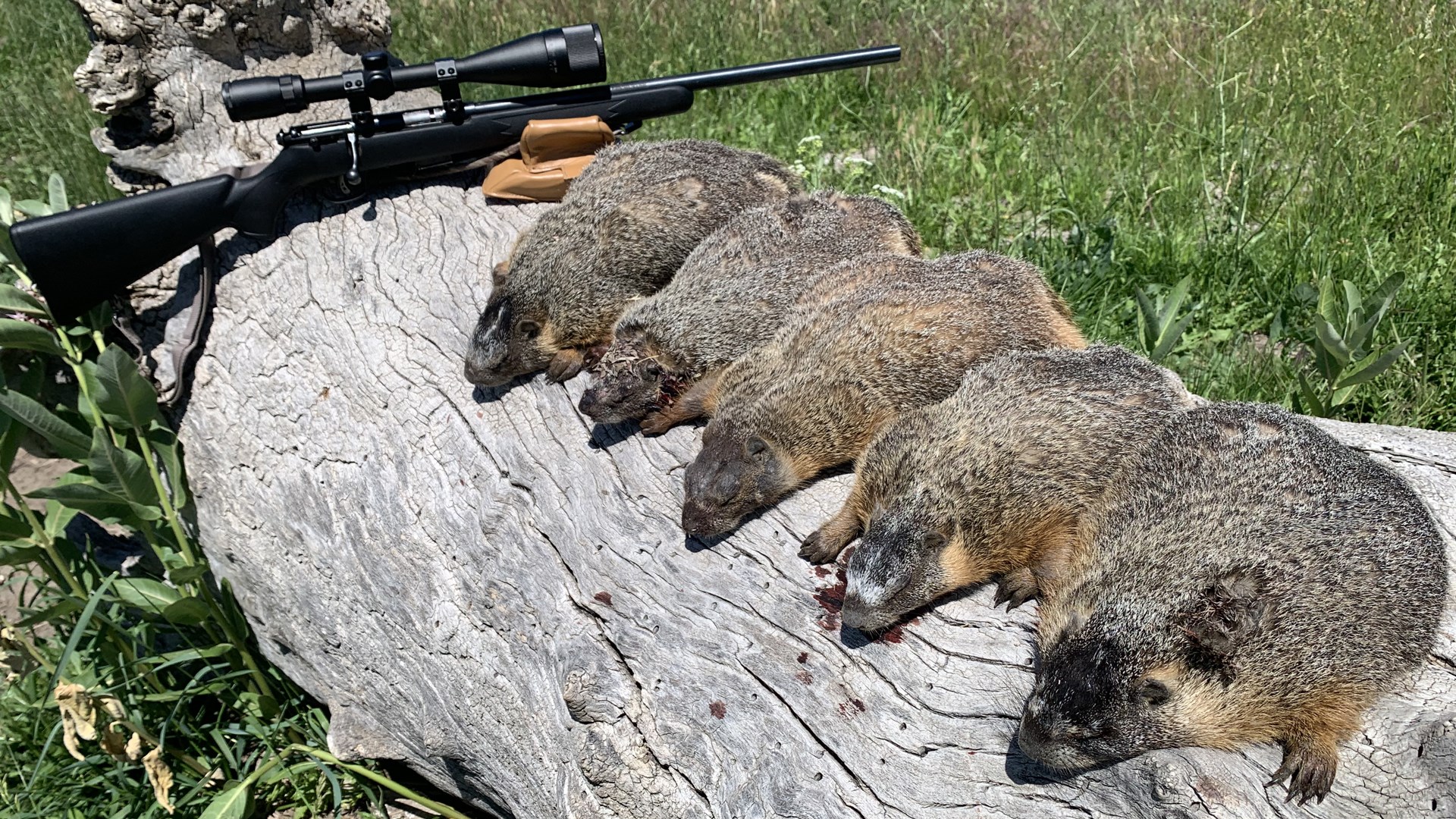
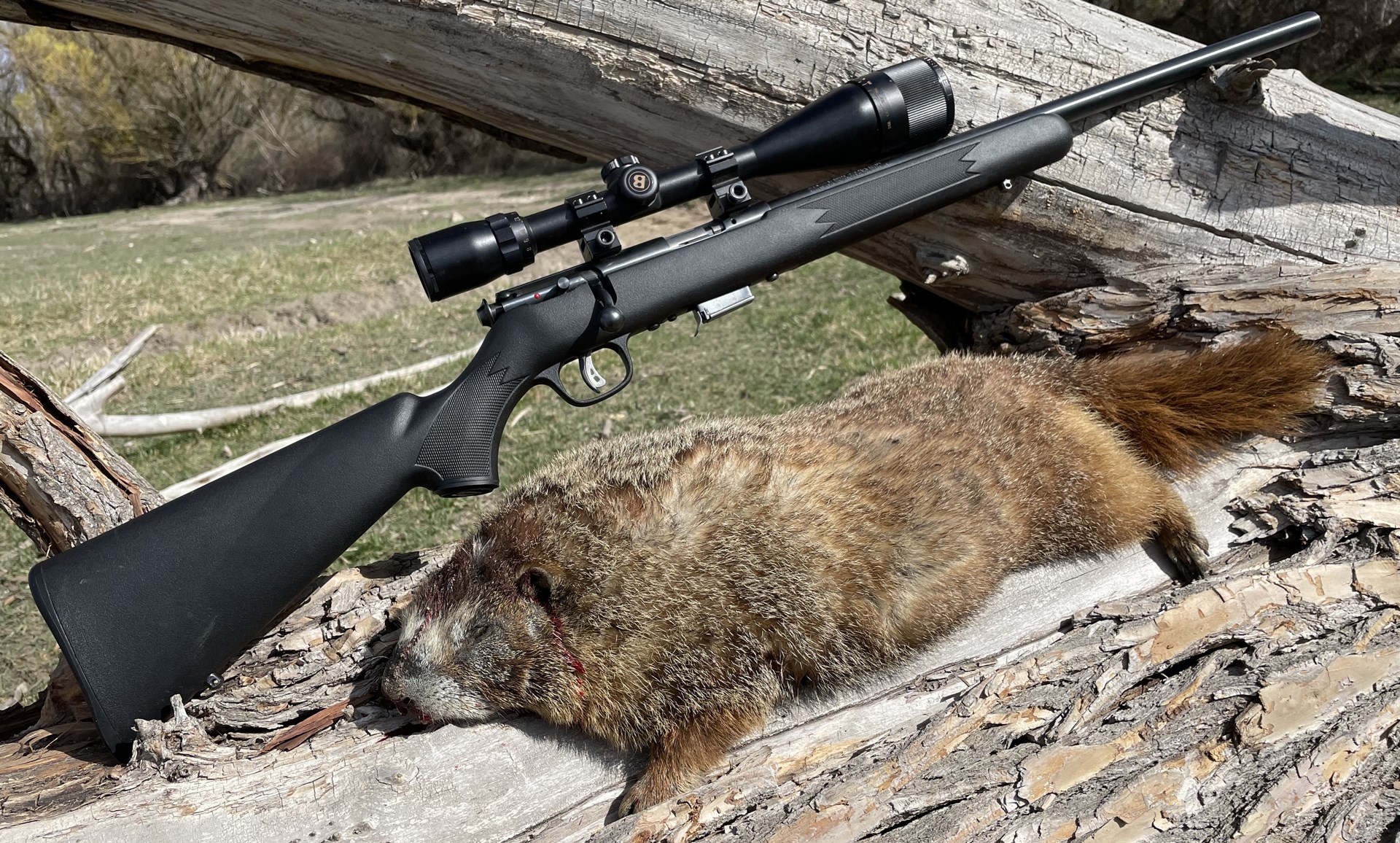
One of my favorite non-game animals to pursue is the marmot or rock chuck. They’ll make their homes in rocky outcroppings, debris piles or under out buildings. When they take up residency on a farm, they heavily impact the farmer’s crop by consuming large quantities of vegetation daily. They are constantly burrowing, and when this daily task occurs under used structures, they move to the top of the most-hated varmint list by property owners.
While rock chucks can be seen year-round, their active period here is from April to August. This period usually coincides with harvesting time on some farms and can lead to an absolute boon in rock chuck numbers. This is also the time I start receiving calls and messages from property owners asking for help.
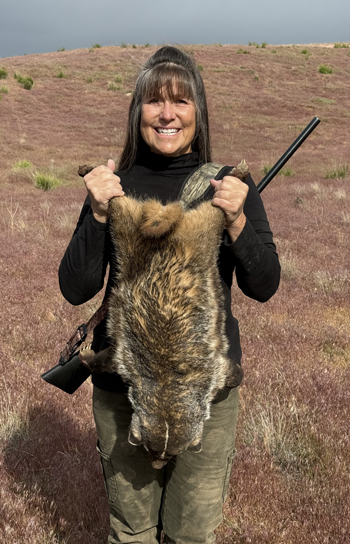
My good friend Roger owns a dairy and cattle farm only twenty minutes from my place and is at the top of my list for varmint-control assistance. I first met Roger in early 2021 through the Idaho Department of Fish and Game. He was having a severe rock chuck problem and needed some help. Once I started, he offered me a bounty for each critter I removed. I declined his offer and told him since he was the first rancher to open his property to me, he’d get my assistance free of charge for as long as he wanted it.
Rock chucks are curious critters, and I’ve noticed if I can spot them escaping into their hole or burrow, I just have a to wait a bit and they’ll come back out. I’ve found that the laser-accurate .17 HMR is the perfect firearm for this type of hunting. It got to the point that if I could see their eye peaking at me, I could remove them from the property.
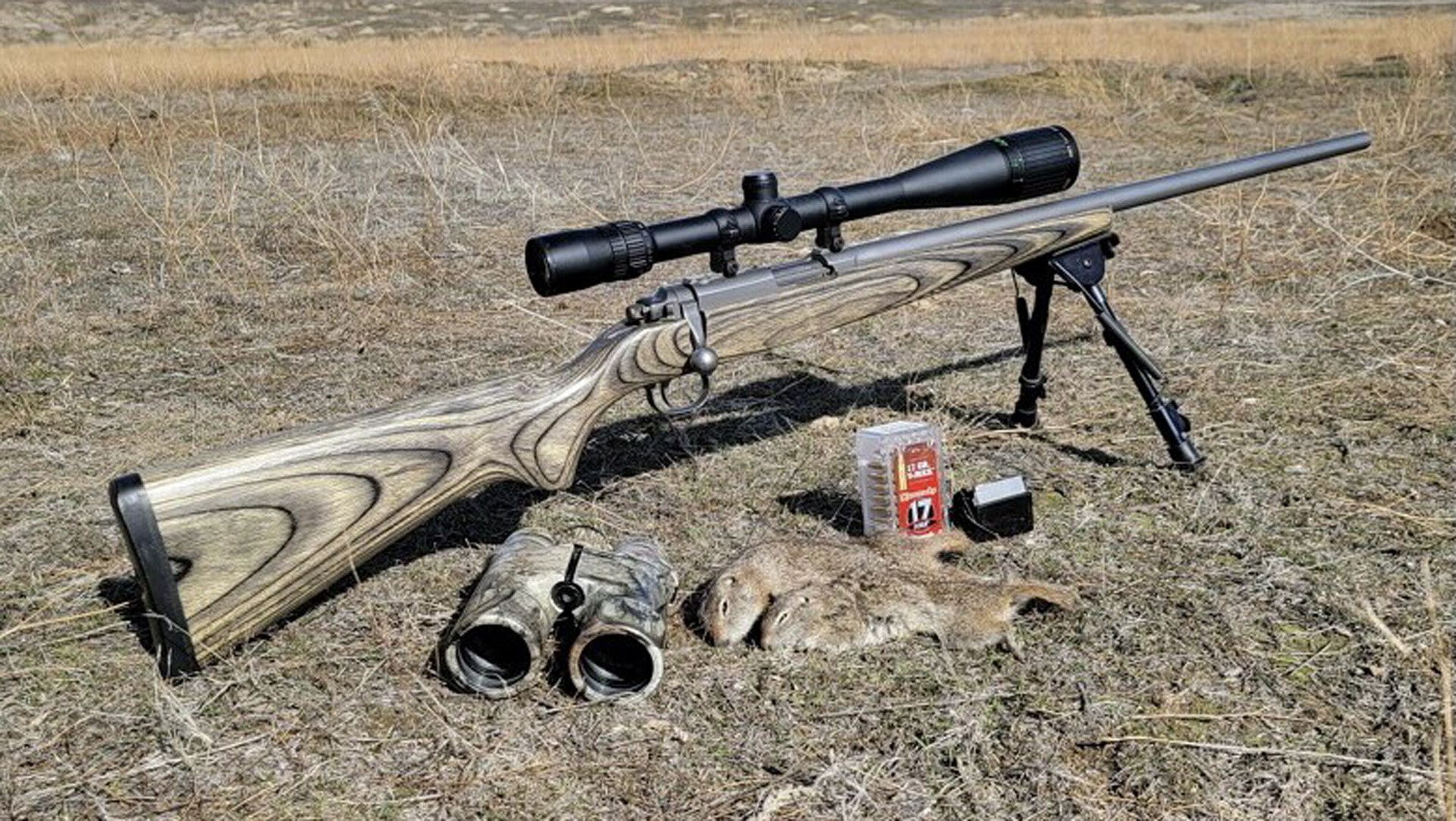
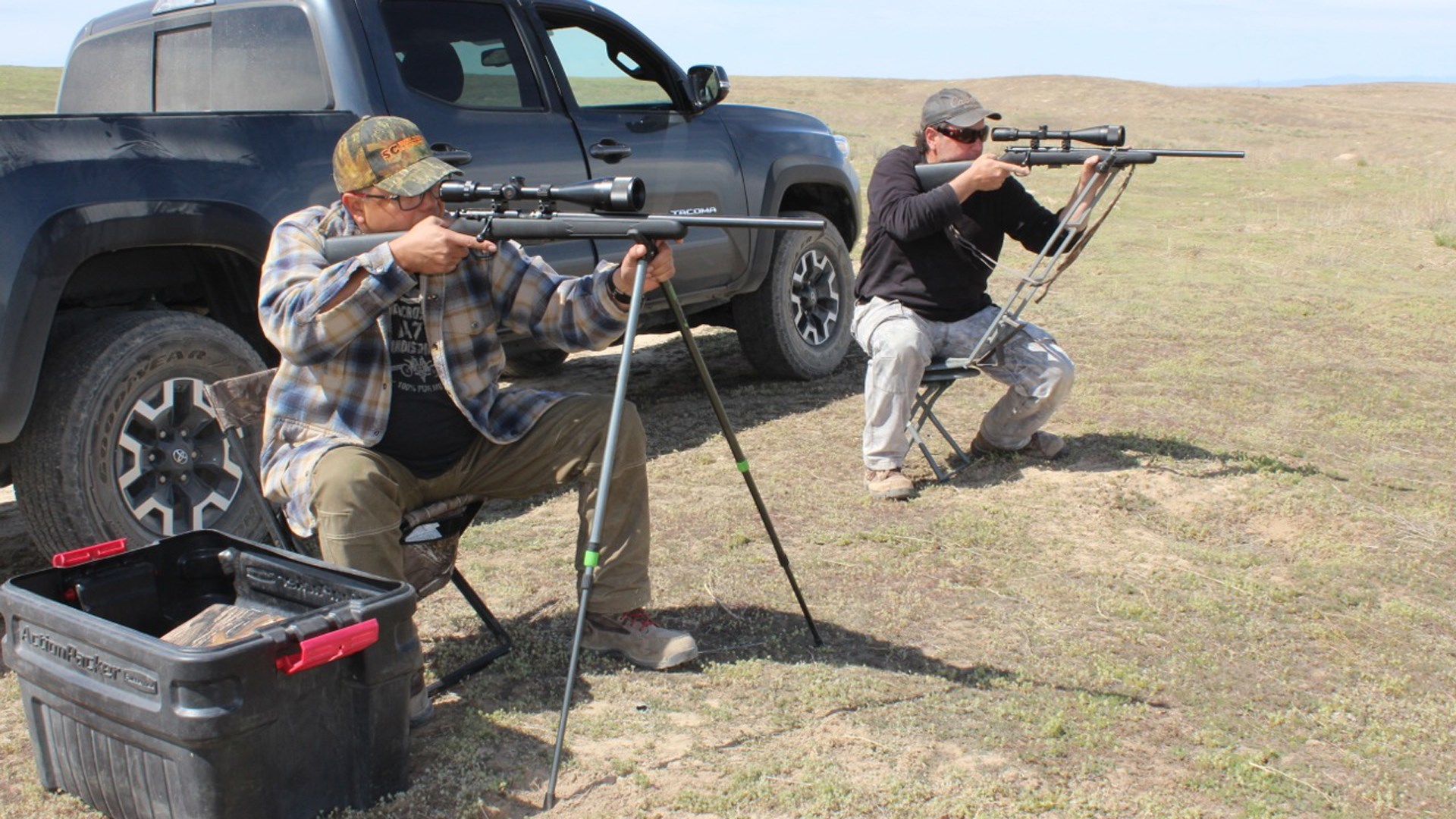
Ground squirrels are another non-game member out here in Idaho. They are abundant throughout the grasslands and farms in the southern portion of the state. Using rimfire rifles like the .22 and .17 HMR, hunters can get plenty of trigger time sitting over a field and glassing for small targets. As with the marmots, these burrowing ground mammals are a serious nuisance for the ranchers. Due to their sheer numbers, this springtime rodent can heavily impact crops and outbuildings. Farmers will likely be open to help in controlling this field menace.
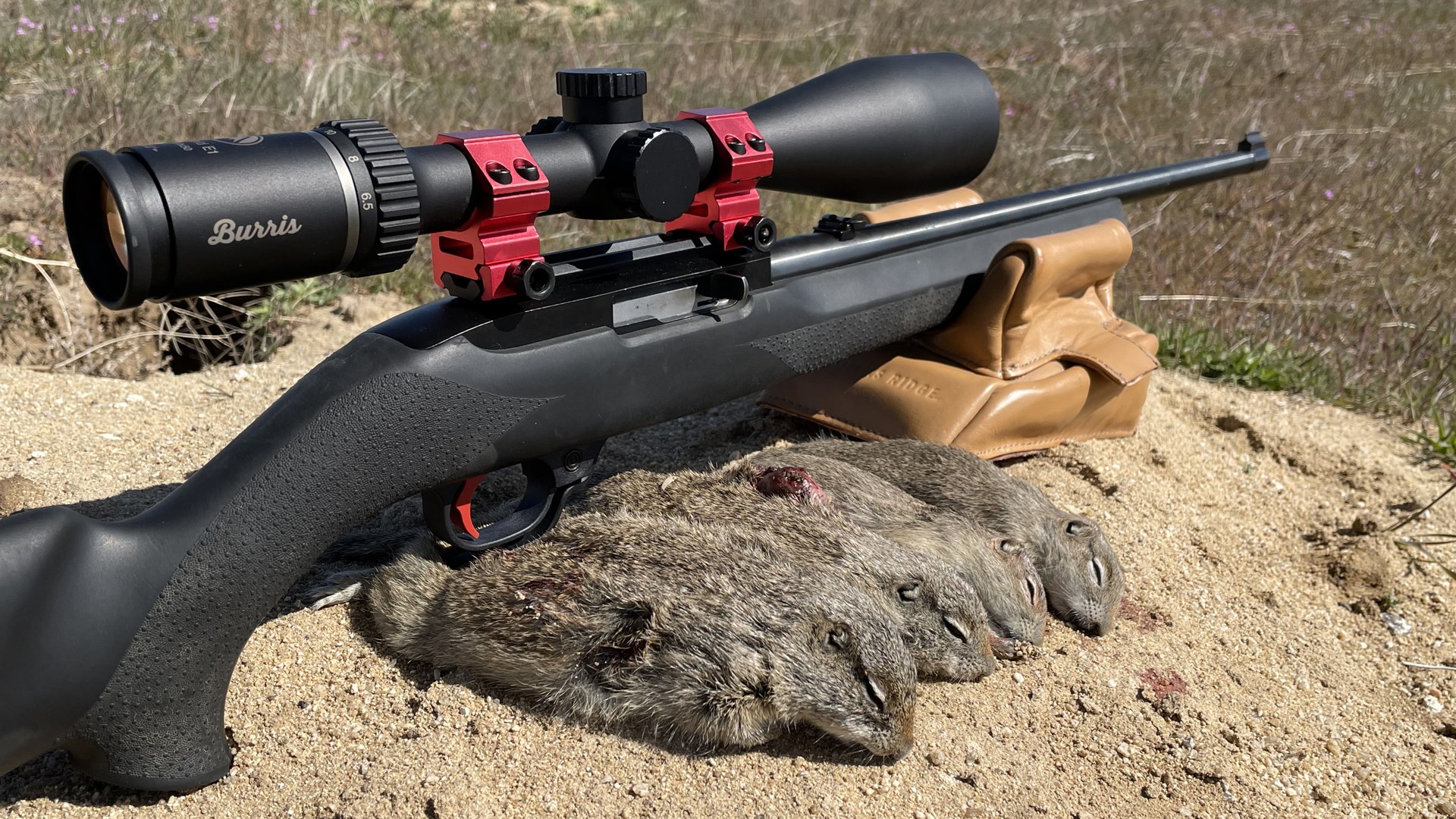
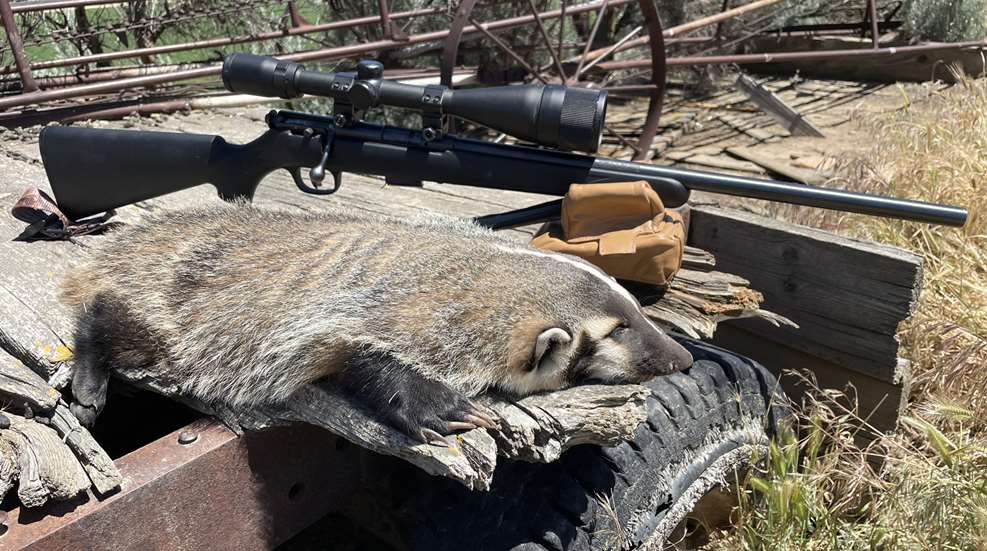
Ever since I tangled with a badger as a teenager, I’ve always been fascinated with the squat little hole digger. Growing up in California, I didn’t see a lot of them, but when I did, the interactions were memorable. Relocating to Idaho in 2020, I quickly discovered that not only were badgers far more abundant in my new home state, but they were open to hunting year-round.
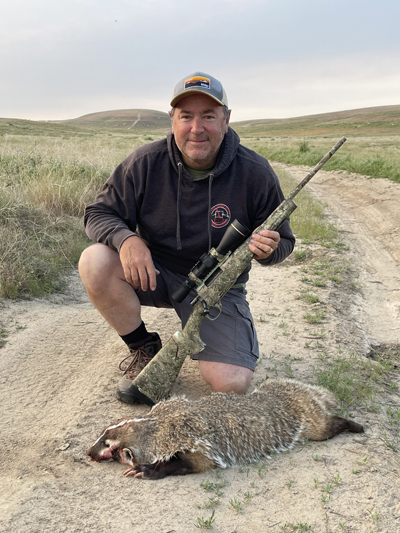
Badgers are tough critters, and while I have killed a couple with the .17 HMR, if I’m targeting badgers, I like to stick with any .20-caliber centerfire rifle to anchor them before they make it back to their burrow. If they get back to their hole after the shot, you’ll never recover them without a shovel and a lot of work.
Badgers like to be close to food, and many of the ground-dwelling mammals they feed on are usually abundant around farmed crops. Digging a dozen burrows a day, they also quickly become a problem for farmers. Fresh burrows are easy to spot, and during the spring into the summer, they can be active all day. I get more calls for this animal than any other non-game animal during the spring and summer season.
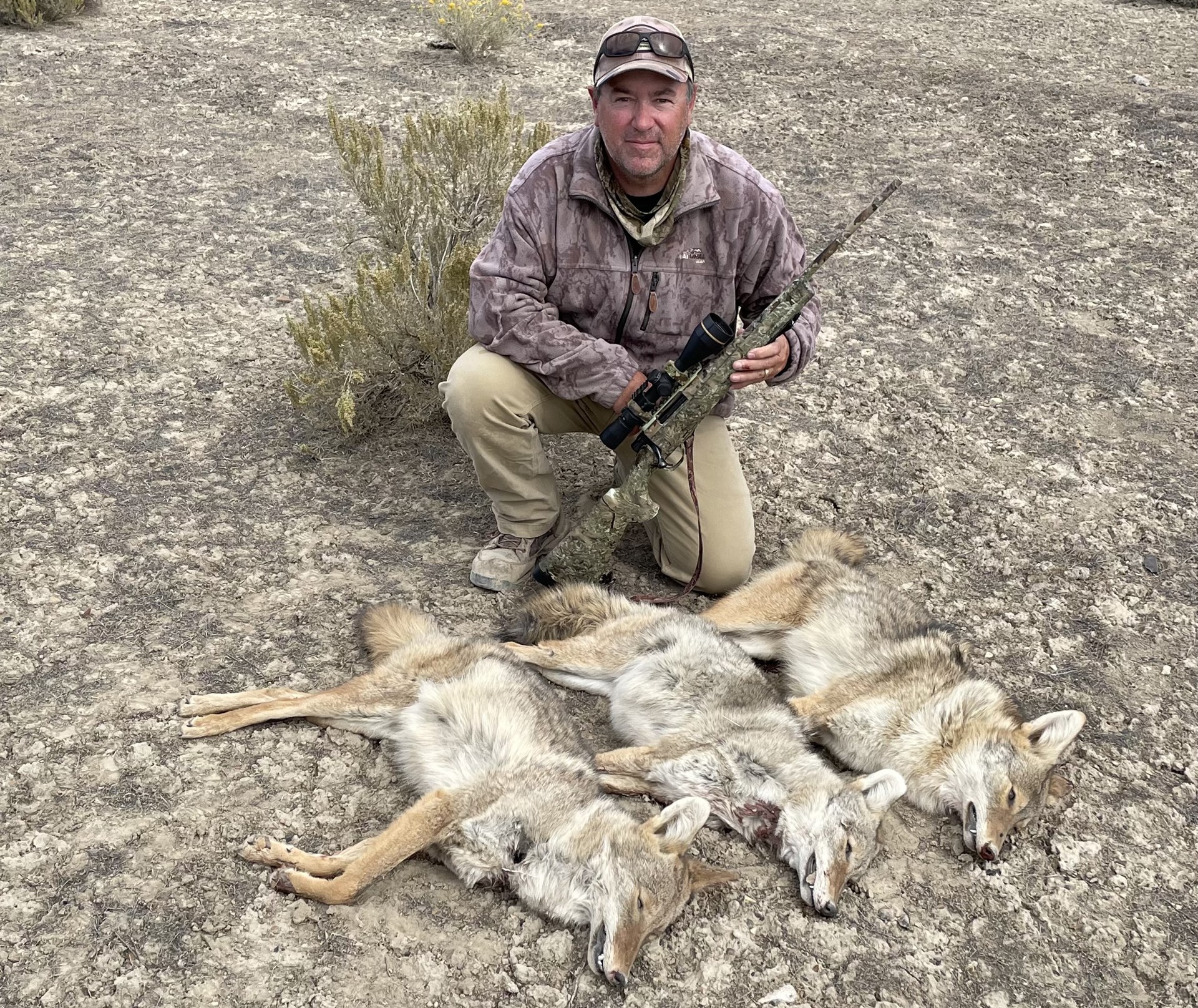
Moving up the non-game list, we find the common coyote. I’ve been chasing coyotes for almost thirty years, and it’s one of my favorite animals to pursue. Once coyotes find an easy meal in and around farms and ranches, they will return. Predator calling in these areas is usually very effective, and again, helps landowners being pestered by marauding coyotes. Any cartridge in the .20-caliber range will adequately anchor these 20- to 30-pound animals.
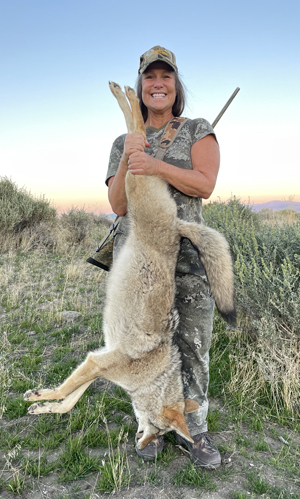
I find coyote calling in early morning or near sundown to be the best time to get them close. Using any small mammal in distress sounds will pique their interest. If I’m calling close to the coyote pupping season, the variety of coyote pups in distress sounds pulls them in fast and aggressive. And there’s nothing better than showing up to the landowner’s place with a couple of dead troublemakers in the bed of your truck.
If you’re looking to extend your hunting season beyond that of the game species, check out your state’s resource agency and find the species they consider non-game. The regulations for this clan of animals are usually looser than those set for game animals, giving hunters more opportunities in that so-called off season. And check in with your local landowners during the spring and summertime. You may be surprised how agreeable they are for a little help.