It always amazes me to hear people complain about the awful taste of deer meat. There is, in my opinion, no way that properly cared-for and properly prepared venison could taste “bad.” I agree that if you expect it to taste like some other meat, you will be disappointed. My suggestion is to try venison prepared by someone who knows how to care for the meat all the way from hoof to table.
Often the most critical time for a quality venison meal comes weeks or even months before the meat is cooked. Taking care of the carcass in the field and during processing are the most important steps in the overall process. It is a simple deduction to understand that you can easily make good meat taste bad. But you can never, ever, make bad meat taste good. Let’s give ourselves every advantage by learning and practicing proper field care for our downed deer.
Believe it or not, the quality of the meat can be affected even before the deer is dead. Shot placement can be crucial not only to ensure a clean, humane kill, but to assure a minimal loss of good meat. Shoulder shots are often taken, especially on trophy animals, to “anchor” them quickly and then follow-up with a more lethal shot. This can cost you one if not both shoulders. That is a lot of good steaks down the drain. Usually, the second shot costs more meat, as well.
Neck and spine shots will drop an animal in its tracks. Again, both of these shots will destroy large muscles. Try to pick a shot that will maximize impact and minimize meat damage. My favorite shot is a broadside, double-lunger. Most any high-powered center-fire rifle cartridge or deer slugs will transverse the chest cavity of big deer. This not only produces quick, clean results, but only costs you a few ribs in the process. It is easily the best bang for the buck. Pardon the pun.
The next critical step is deer recovery. Finding a hit deer as soon as possible is important. The longer a deer lives after being shot, the more chance you have to lower the quality of the meat. Adrenaline and enzymes, caused to be released by the trauma, can end-up in the muscle. This may or may not affect the taste, but why take the chance. Dispatch your animal as quickly and cleanly as possible. This is the most humane approach, as well.
Removing the entrails is now the next step. Do not hold to the old story of “cutting their throat”. It does not take a medical degree to understand that when the heart stops pumping, no blood will come out. Removing the contents of the chest cavity and abdomen will relieve the carcass of over 80% of the body’s blood almost immediately. The remainder will come out as the deer hangs during skinning.
Removing the tarsal glands is also a traditional and very useless procedure. At the moment of death, all bodily functions cease. There is no way that a tarsal gland can taint the meat on its own.
What does commonly occur, however, is that a hunter removes the tarsal glands and then proceeds to field-dress and often skin the deer with the same knife. This will definitely transfer unwanted and very unpalatable substances to the meat. Great care should be exercised with the tools used to work on venison. It is easy to mess-up, so plan ahead.
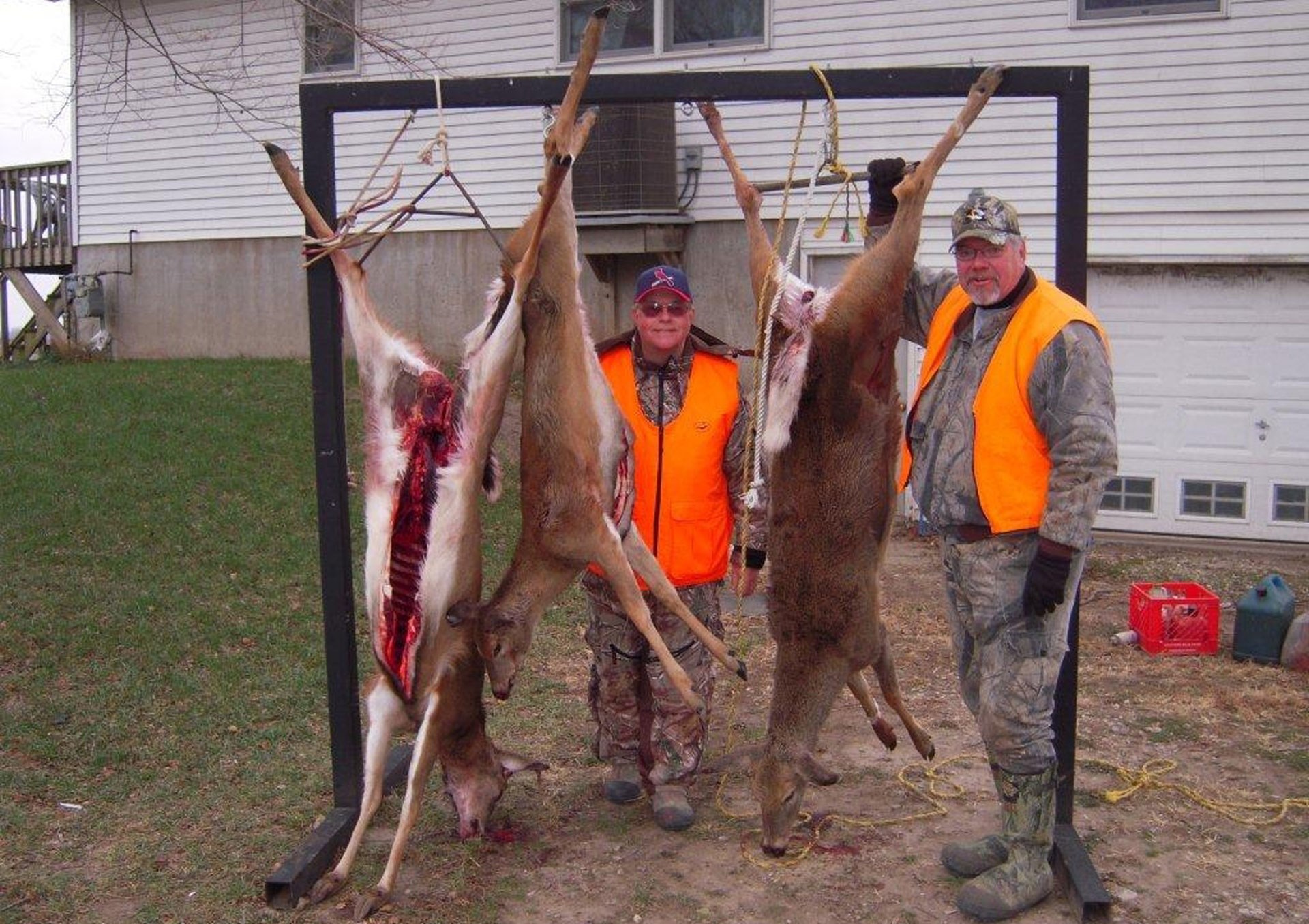
Many people believe that a deer carcass should hang for several days, weather permitting, before it is skinned and butchered. Nothing could be further from the truth. The aging process that is used for beef does not apply to venison. Deer meat has very little, if any, fat marbling. Therefore, there is no break-down needed. Also, every venison expert I have ever talked with assures me that the carcass should be skinned as soon as possible, every time. The real key is to get the meat as cool as possible, as quickly as possible. So, skinning your deer immediately and hanging them in a cooler is the absolute best plan.
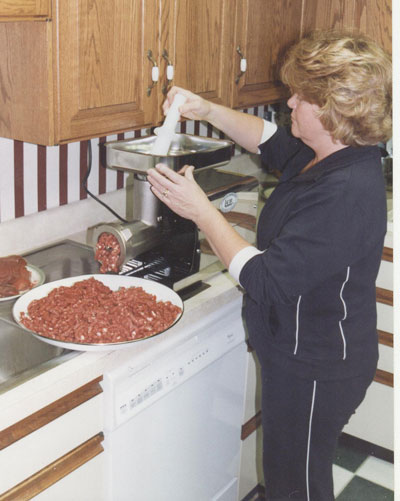
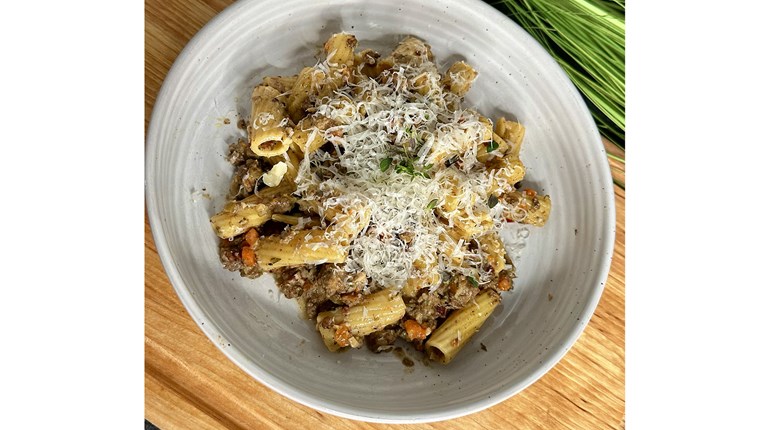
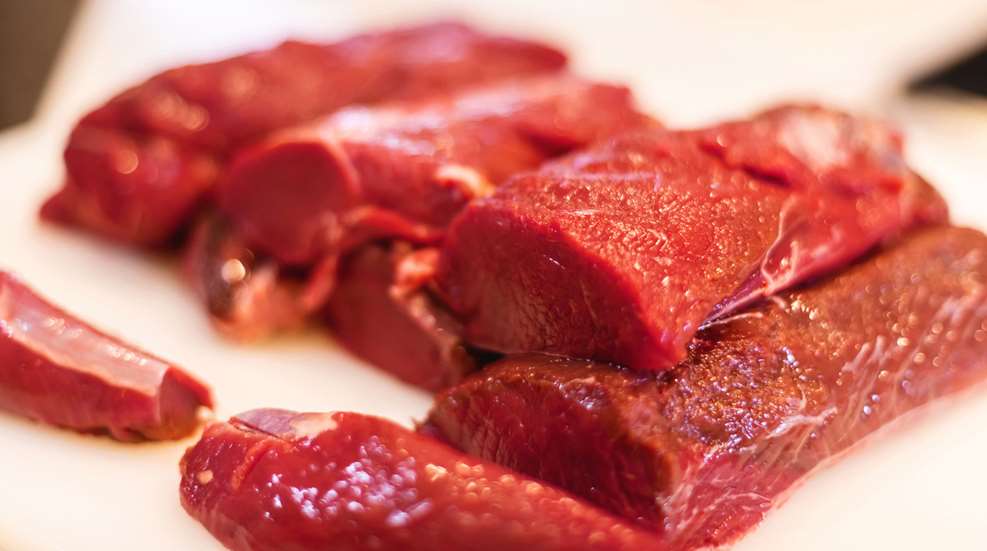
There is no finer meat than a butterflied venison loin. Properly cared for and properly prepared deer meat is a real taste treat. I remember the first venison steaks I grilled for my wife. She not only enjoyed it but bragged about the great taste.
One of the most common cooking mistakes made with venison is trying to make it taste like some other meat. Most people do not consume enough venison to develop a taste for its flavor. We were not born liking chicken or pork. Throughout our lives, however, we have eaten enough of it to appreciate its taste. You would never consider trying to make a smoked ham taste like a T-bone, or try making a rib-eye taste like a leg of lamb. So why doctor-up a deer steak to try to hide what most folks call that “gamey” or “wild” taste. That flavor is natural for venison and you have to eat it for a while to fully appreciate it.
So do not take any chances with this year’s deer. Do yourself, your family and your dinner guests a big favor, and take care of your deer from start to finish. You will be glad you did.