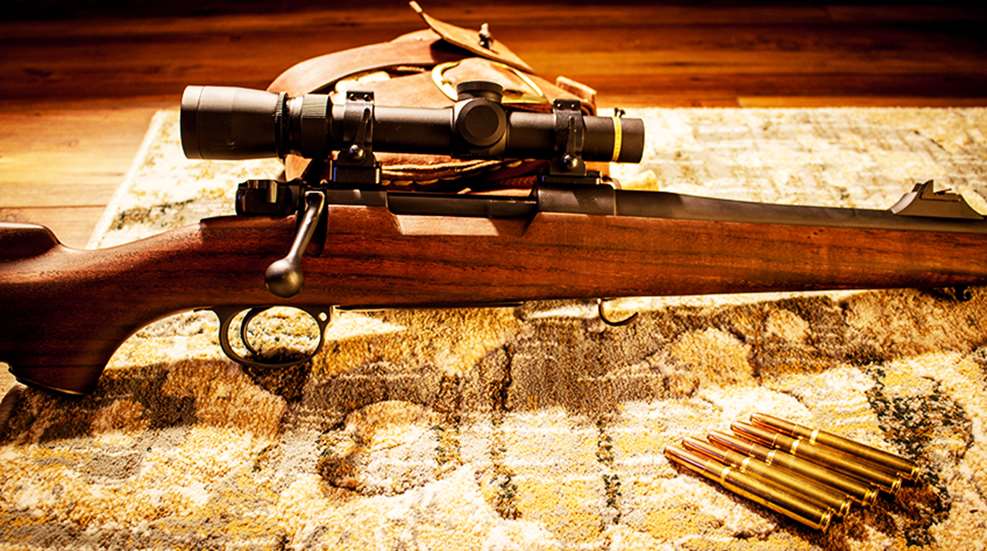
I like all sorts of firearms, and I like all sorts of hunting. Invariably, big-game hunting with a rifle is what I’m most passionate about, and the fall (and lately spring) hunting seasons are my favorite. The fall deer hunts, the winter coyote-calling, the bears, hogs and exotics in the spring; all are good sport. If you’re an aficionado of African safaris—as I most certainly am—your summer may be occupied, or perhaps a trip to South America, Australia or New Zealand may be in order. But odds are, you’ll have at least a couple months with no planned hunts, and that’s a fantastic time to tune-up your rifle.
If you are a one-rifle, one-load guy who happens to be completely content with the performance of your rig, well, this article may not be for you. But if you strive to have the best rig possible, there may be some refinements possible that will make you a happier hunter, with a rifle that makes you more confident in the field. Summer is usually the season with the most off-time, and the weather is nice enough to get some time at the range.
New Ammunition
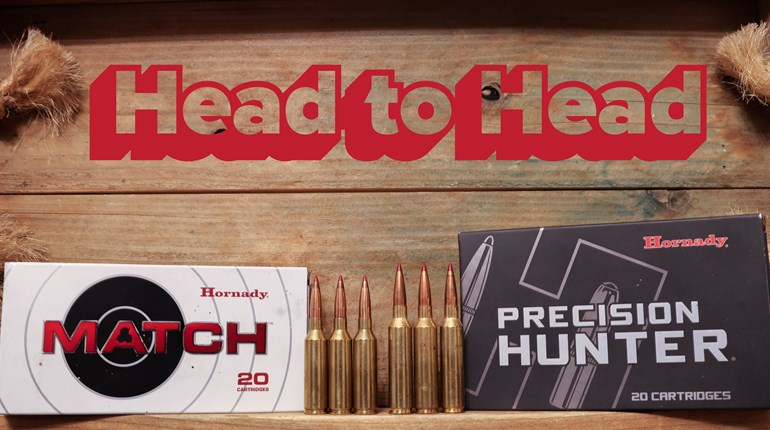
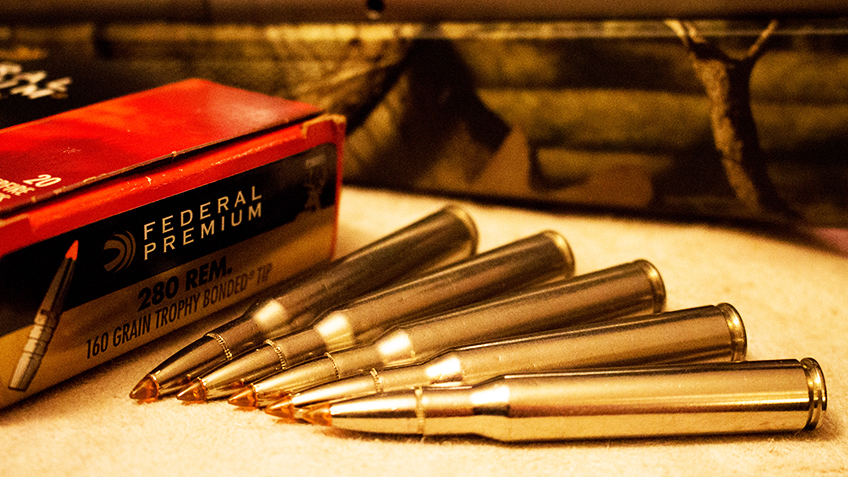
Bullet designs are continually improving, and it may take more than a bit of experimentation to find the load that works best in your particular rifle. It happens to me every deer season: a flurry of phone calls two or three days before the season opener with a friend panicking because their rifle is “broken,” when the truth of it is that they’ve switched brands, weights, bullets, etc. Had they taken the time during the off season—when there’s plenty of daylight and a relaxed atmosphere—to patiently test the rifle/ammo combination, the ‘fall panic’ could be avoided. If you handload your ammo, the off season is the time to develop a new load; newer powders are as insensitive to temperature changes as they have ever been, so the worry about summer weather having a radical effect on performance has been diminished at the very least. It can be fun to get a few friends together for a once-a-week ritual to find the best loads for your rifles, and more trigger time throughout the year will certainly make you more confident come hunting season.
New Optics and Mounts
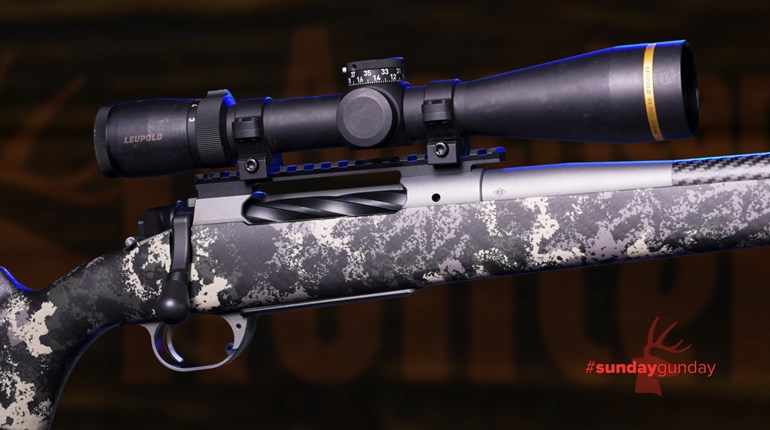
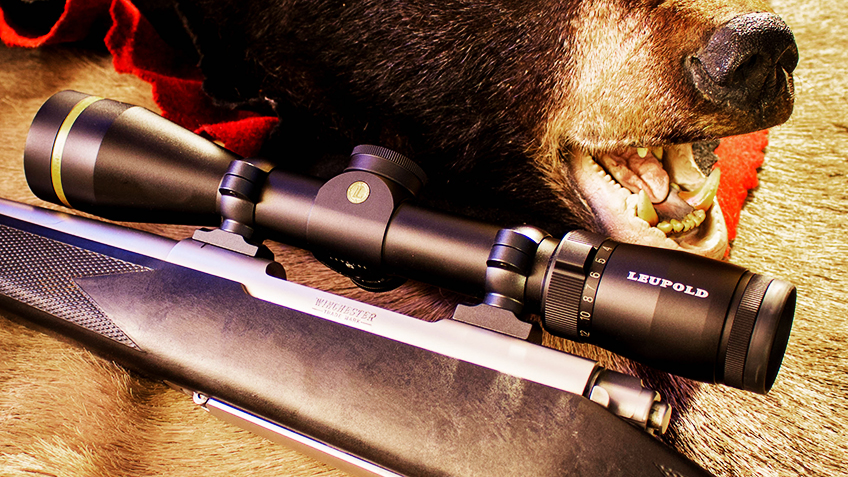
The advances in optics are as intense as the recent improvements in bullets and ammunition. As a quick example, the industry-standard dangerous game scope—the Leupold VX-3 1.5X-5X-20mm—has received one heck of a facelift in the form of the VX-3i; the improvement in clarity is immediately noticeable. Leupold’s VX-5HD and VX-6HD series are also eye-openers, and the new Bushnell trio—Prime, Nitro and Forge—offer an excellent value.
If you feel your old scope may be lacking clarity or light transmission in comparison to some new models, you may be right, and an upgrade may be warranted. My old Ruger 77 .308 still wears the Leupold Vari-X llc 3X9 of two decades ago, but I should really upgrade to a modern scope with better lenses.
The same can be said for mounting systems. My dad still uses the same Weaver tip-off mounts he installed in the early 70s, but they’re showing signs of wear and could use an upgrade. The best 30mm tube—with plenty of elevation adjustment—will lose a good amount of elevation travel if your mounting system requires you to crank the windage to one side or another. There are many good mounting systems out there, but I’m a fan of Talley rings and bases; they seem to require very little adjustment to zero the rifle, and they let the scope ‘go to sleep.’ Changing your mounts—in order to obtain a better cheek weld and sight picture—and re-zeroing your rifle can make a big difference in the confidence and comfort departments.
Clean That Dirty Rifle
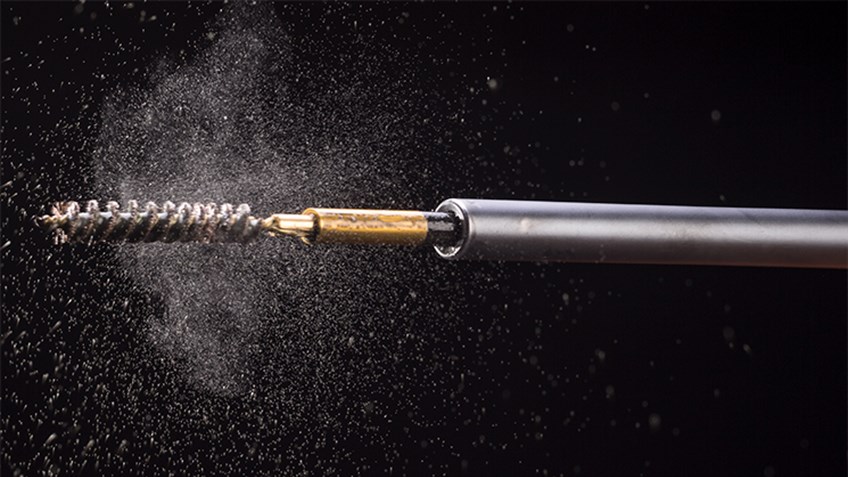
Cleaning a rifle is a chore for me, and I’ve used the phrase “my rifles shoot better dirty” as a shield and an excuse. But after a hard hunting season, a thorough cleaning is necessary, and it’s a good idea to go through the entire rifle, not just the bore. I’ve found all sorts of debris—from parts of leaves and small sticks to bark and moss—in the barrel channel and magazine, and allowing that stuff to build up is never a good idea. A good disassembly and lubrication will keep your favorite hunting rifle in good shape for many seasons to come.
Change or Tune Your Trigger
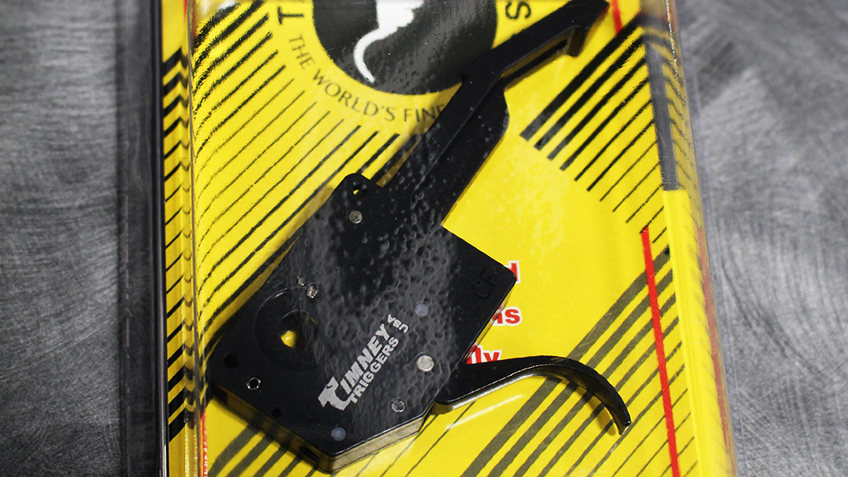
A lousy trigger can ruin the best rifle, and I've found more than a few hidden gems that seemed like they wouldn’t shoot until the trigger issue was straightened out. Some triggers can be adjusted—and let me be the first to say that if you’re not 100 percent comfortable with the procedure, have it done by a professional—and some triggers cannot be, so you may have to consider a replacement trigger. My old Ruger 77 MKII .22-250 had a terrible factory trigger, which was completely unadjustable, and broke at over five pounds. With the installation of a Timney replacement trigger, the rifle went from over 1-MOA to just over .25-MOA. Now, because of the design of the Ruger safety, the modification was irreversible, but I don’t regret the move at all. My trigger now breaks at two pounds, and more importantly, it breaks cleanly with no creep or overtravel. If your rifle doesn’t have the trigger you'd like, talk to your gunsmith about your options; it may change the entire game for you.
If your ideas require the services of a gunsmith, do your homework and find a reputable one, and don’t be afraid to ask questions, or better yet ask for references. He will definitely appreciate you allotting enough time for the work, without rushing him, as happens each year when the season approaches. I’ve found that a gunsmith will always do their best work when not rushed. Likewise, give yourself enough time to get the rifle to the range and properly zeroed before season begins; you may bolster your relationship with the gun.