I need to admit a bias right off the bat here: I am a fan of Springfield's Model 2020 action. I’ve carried a 2020 Waypoint in pursuit of game from Idaho to Texas, and dropped a few animals with a couple different variants. In my experience, they are shockingly accurate with quality hunting ammo, and comfortable to shoot on top of that. The Waypoint is, however, a touch heavier than most backcountry rigs, particularly when sporting an adjustable comb. To more squarely target weight-conscious hunters, Springfield introduced the ultralight (though currently short-action-only) Model 2020 Redline, as well as the more traditionally profiled Model 2020 Boundary. Finding myself in need of a 7mm PRC thumper for an upcoming elk hunt, I decided to give the latter a shot to see how it compares to the original stalwart when tackling the backcountry.
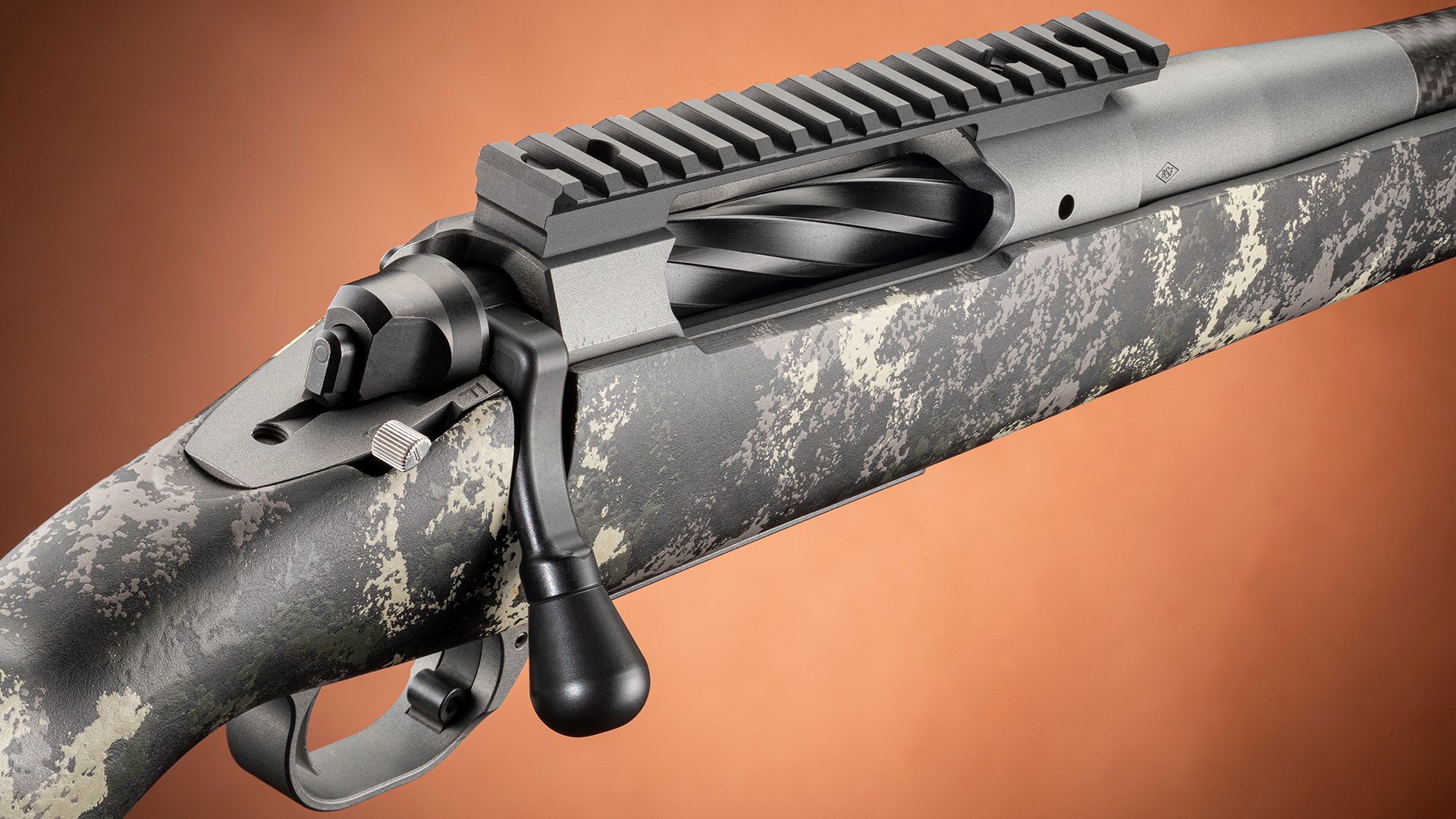
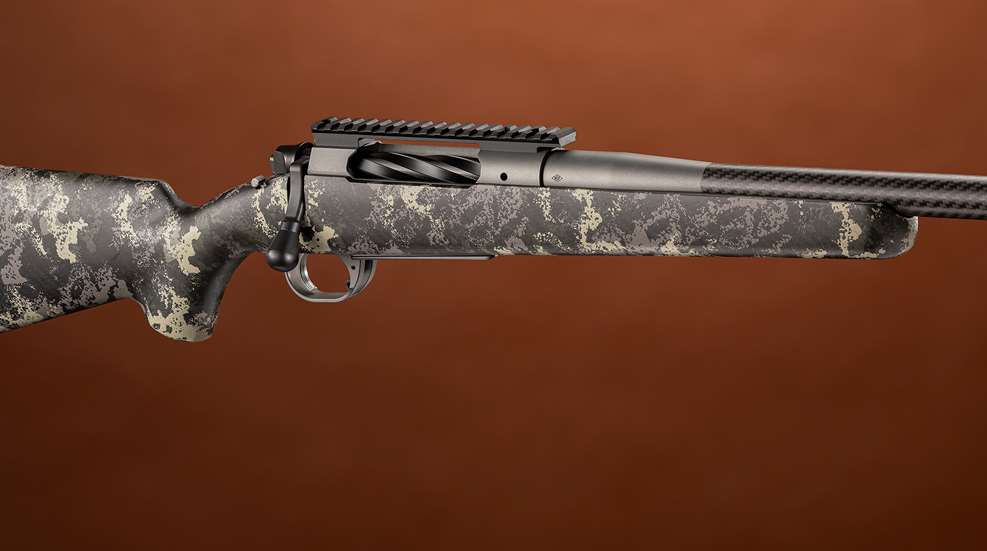
Upon first sliding it out of its case, the main difference between the two rifles—the stock—was apparent. While the Waypoint is considered a precision/hunting hybrid rifle, complete with a vertical pistol grip and adjustable comb, the Boundary sports a more classic hunting rifle stock shape, albeit with some modern features. Upon taking the rifle in hand, though, the benefits of the Boundary’s stock compounded, thanks in no small part to its pound-plus weight drop from a comparably chambered Waypoint. The comb lacks adjustment, which I prefer in a hunting gun—the less things that can go out of adjustment in the field or on a long roadtrip shoved in a case, the better. The gun’s comb also feels a good bit lower in general. Its pistol grip is far less vertical, striking a nice angle between a truly straight-up precision-style grip and a more traditional rifle feel. Finally, the fore-end is a slightly more streamlined version of the Waypoint’s, with M-LOK on the bottom for a bipod and a QD cup on the right-hand side for use with a sling, which pairs with a rear QD on the buttstock. The fore-end still retains more of a flattened bottom, which admittedly doesn’t feel quite as good in the hand as a rounded fore-end. Off a bag, off a pack or off a tripod, however, where and when you’ll most likely be firing a gun like this, the shape makes for a much more stable shooting experience.
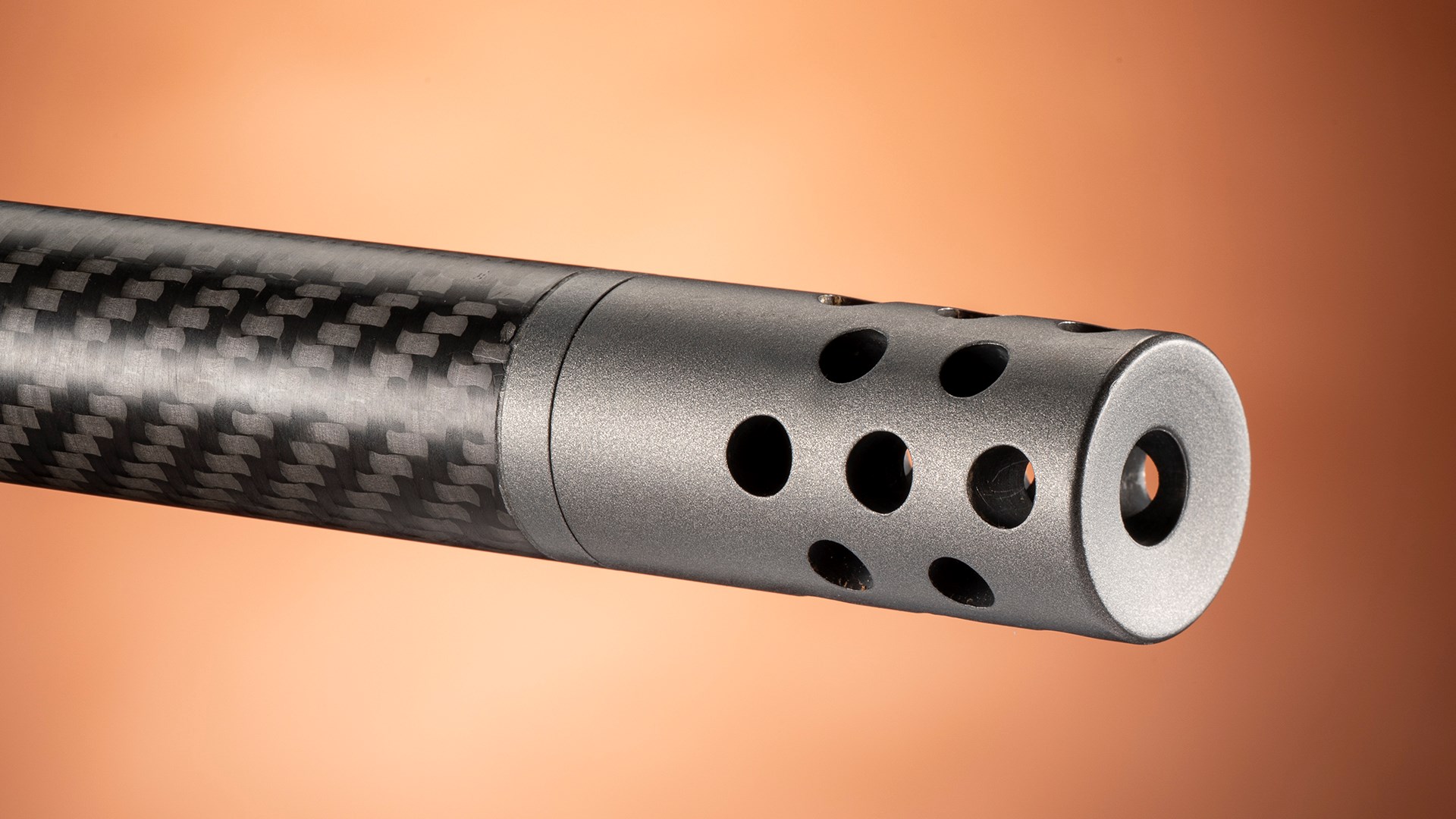
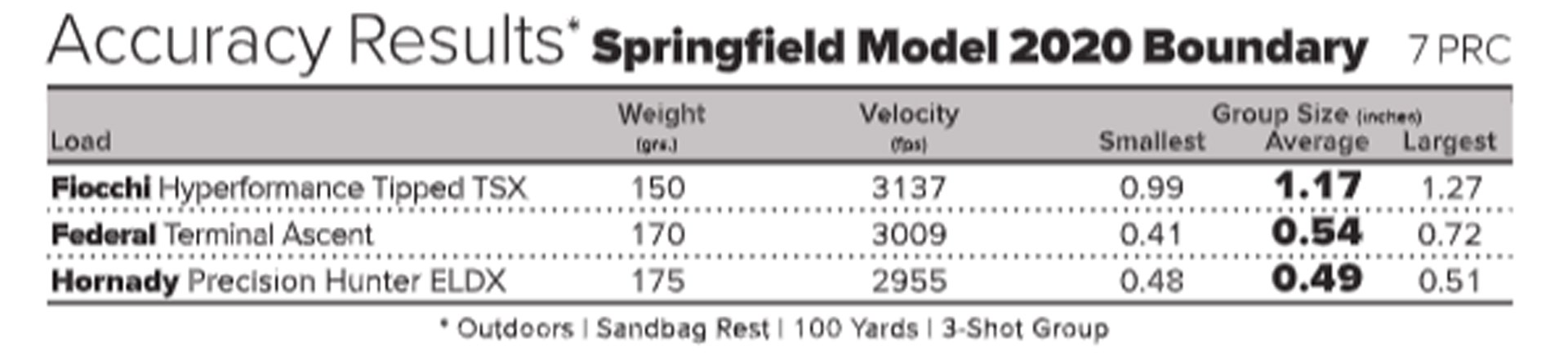
Nestled down into my shooting bags, the rifle sits rock solid, making a pair of bags feel as good as a Lead Sled, while its TriggerTech trigger—adjustable from 2.5-5 pounds (I set mine at 3)—takes all the effort out of releasing a smooth shot. Next, between the radial brake the gun ships with and its Pachmayr Decelerator recoil pad, muzzle lift is greatly reduced, allowing you to stay on target throughout a shot string. The gun’s 24-inch, carbon-fiber barrel disperses heat incredibly well, with less group dispersion than I’ve seen on other carbon-fiber offerings. It also seems to prefer longer, heavier projectiles, though that is generally true across the range of 7mm PRC’s I’ve tested, thanks to the standardized 1:8-inch twist rate. It’s worth noting that the Boundary is also available with a fluted, stainless-steel barrel, though that will add a few ounces to its overall weight.
Zeroing and accuracy testing done, I moved on to positional shooting practice, to better mimic what I’d see in the backcountry. With a Spartan Precision adapter attached to the M-LOK on the bottom, I was able to run my preferred setup of Spartan shooting aids, which vary from traditional bipod and tripod setups for shooting prone to tri-legged shooting sticks for standing shots to bipods tall enough to utilize when sitting. Here is where the more streamlined profile of the Boundary really comes into its own.
With a balance point right near the barrel end of the receiver, the Boundary combines excellent stability with the capability to quickly swivel and re-target the rifle. While shooting long distances standing off a tripod is never the greatest feeling in the world, the gun holds about as steady as possible, enabling experienced hunters to reach out and touch game at most any ethical hunting distance. Going prone or seated off a bipod or tripod, it is capable of far longer shots than I would ever take on a live animal.
Gun zeroed, tested and fully range-proven, I packed it up in my truck and headed for the Bob Marshall Wilderness. Unfortunately, the rifle never got a true chance to show its stuff back there, but the adventure did allow me to test my final supposition in a way my home mountains never could. The gun carried easily through the backcountry, despite some truly intense forays to find elk. Our third day in, flummoxed by the dearth of elk anywhere in our vicinity, we climbed some 2,500-plus vertical feet from camp into sheep country, to glass every bit of ground we could see. While I won’t pretend the rifle is an ultralight, it sure didn’t prove any impediment to clawing our way up the rocks and boulders, and eventually through knee-deep snow.
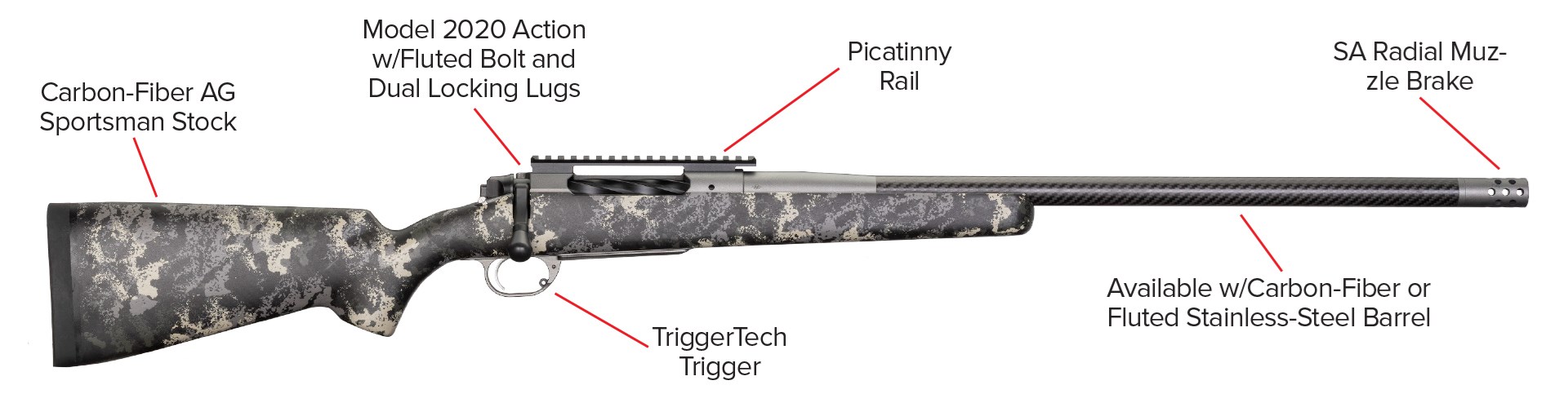
Final verdict? If you want a modern bolt-action rifle with a classic shape that’s geared towards the needs of an on-the-move hunter, check out a Model 2020 Boundary. It has all the accuracy hunters have come to expect out of the Model 2020 action, a weight that’s painless to tote and a balance that makes it easy to shoot from the sub-optimal positions hunters often encounter in the ruggedest spots on earth.
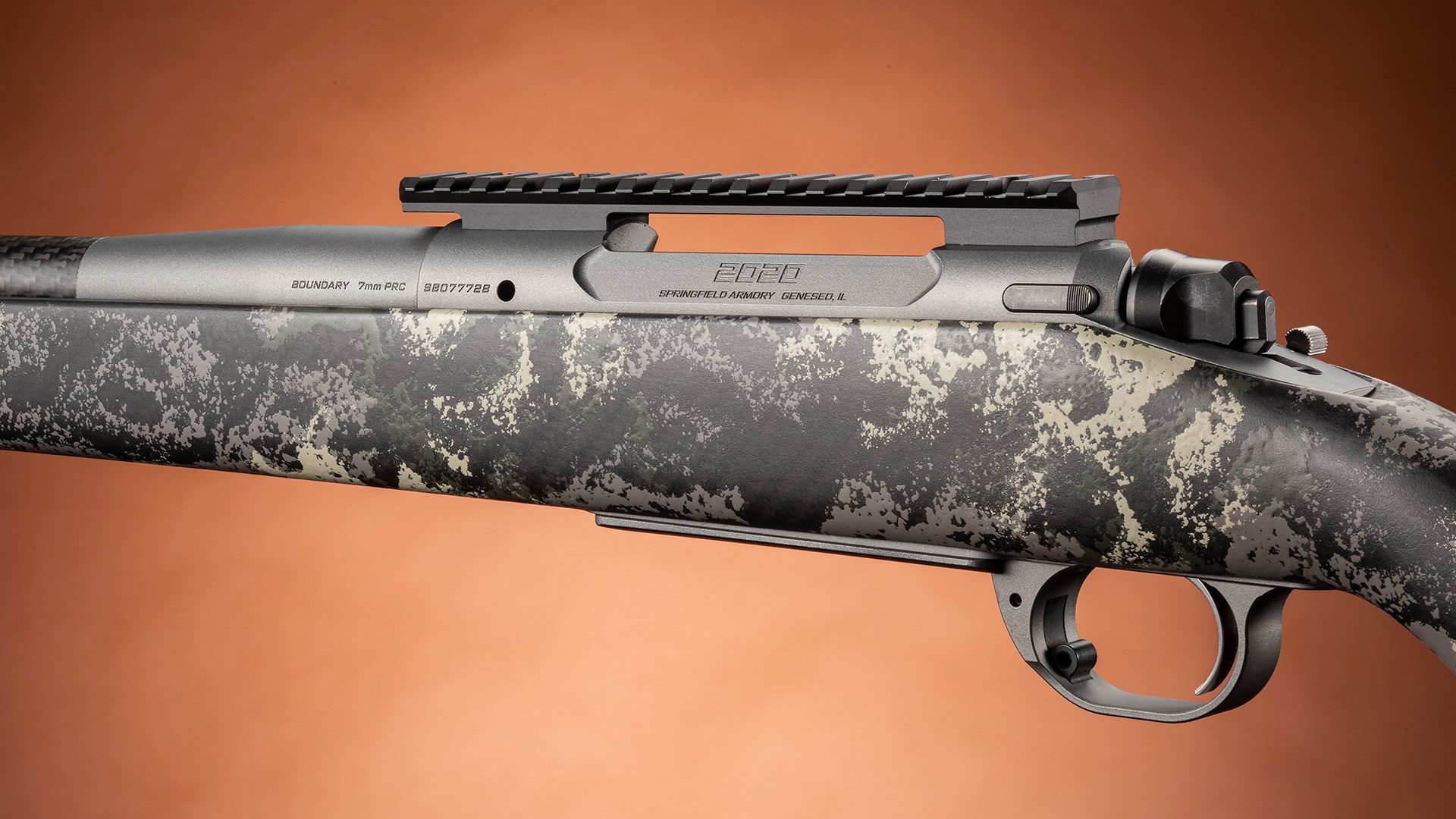
Springfield M2020 Boundary
- springfield-armory.com
- Type: bolt-action, centerfire rifle
- Caliber: 6.5 Creedmoor, 7mm Rem. Mag., 6.5 PRC, 7mm PRC (tested), .308 Win., .300 Win. Mag., 300 PRC
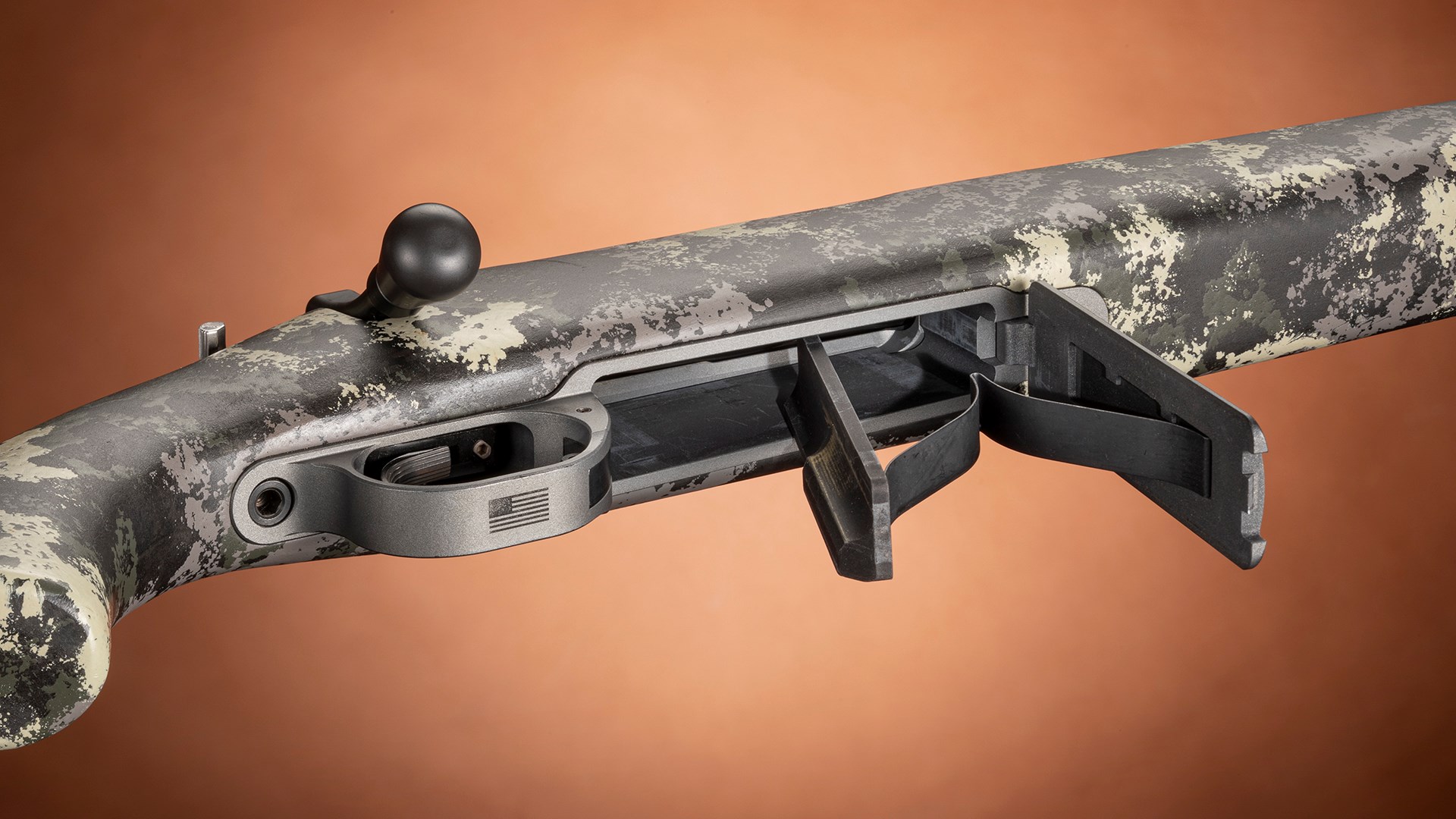
- Magazine: hinged floorplate, 3-rnd. capacity
- Barrel: 24"; stainless steel or carbon fiber (tested), 1:8" twist, 5/8x24 threaded muzzle w/SA radial brake
- Trigger: TriggerTech, adjustable pull weight 2.5 lbs.-5 lbs.
- Sights: none; Picatinny rail for optics mounting
- Safety: two-position tang
- Stock: AG Sportsman; straight comb; carbon-fiber, Rogue camo finish; 13.5" LOP
- Metal Finish: Tactical Grey Cerakote
- Overall Length: 46"
- Weight: 6 lbs., 15 ozs.
- Accessories: none
- MSRP: $1,995- $2,295