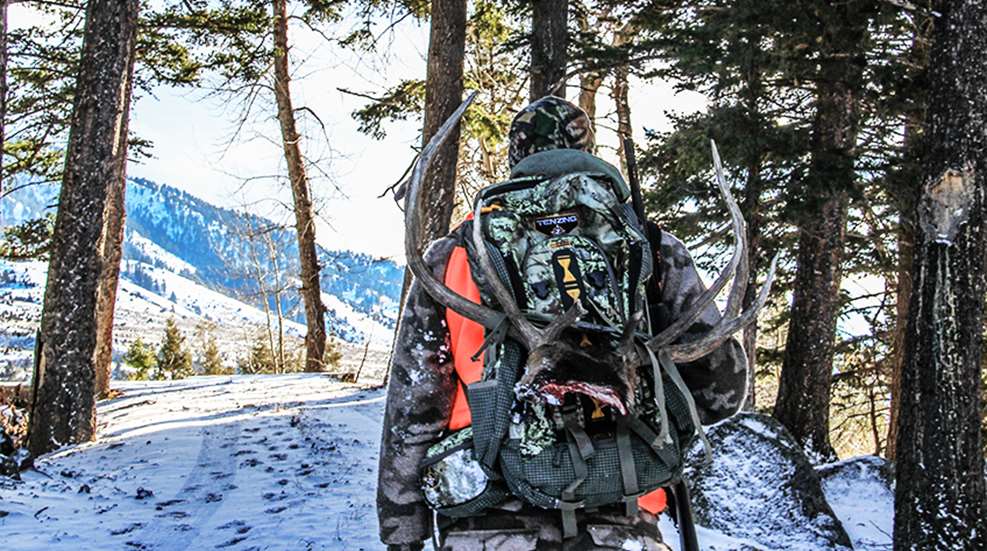
If you were afforded the opportunity to hunt one animal what would it be? Perhaps you’d elect to wade through the swamps of Mozambique chasing Cape buffalo or maybe you’d rather draw that once-in-a-lifetime tag for elk in your home state. You may have your sights set on the world’s great mountain game, or maybe you’d simply like to hunt whitetails on your family farm once more. Regardless of the species, locale or cost, I think most hunters have one special trip in mind—and maybe this is the year you decide to go for it.
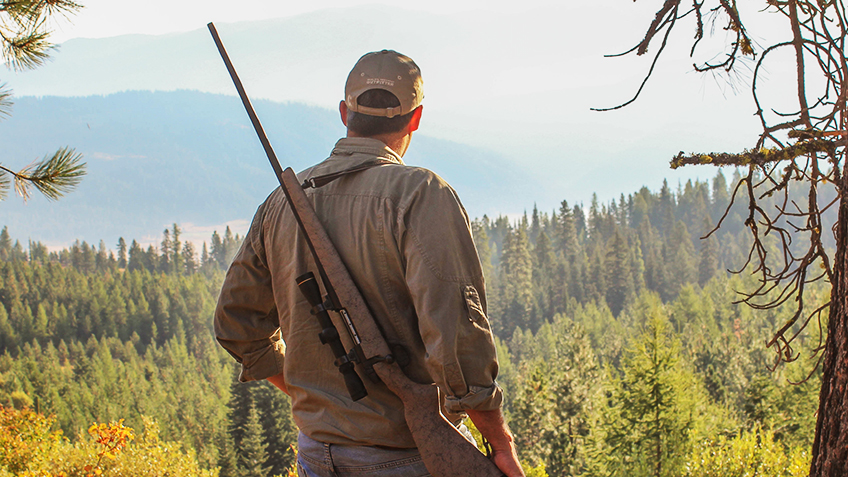
Before you dive deep into your savings account to turn your dreams to reality, let’s develop a plan to help you get the most from your adventure. I’ve spoken with a handful of hunters who’ve suffered the disappointment of having a bucket list hunt turn bust, and the goal of this article is to prevent that from happening to you. This pre-hunt checklist highlights eight key points gathered from my own experience and that of others that will help you make the most of your hunt.
Initial Steps
Do plenty of homework prior to your hunt. You’ll need to determine the average hunt cost, odds of success and the best areas for game. If you’re hunting a species that requires drawing a tag, then you’ll have to consider where you’ll apply and draw odds. Guides can generally help with the process, but always check references when booking guided hunts. Most guides and outfitters are legitimate and honest, but there are plenty of unscrupulous outfitters who overpromise and underproduce. You’ll need to determine which species are found where and the going rate for hunts. I prefer to meet guides and outfitters face-to-face, and events like the NRA Great American Outdoor Show offer the perfect opportunity to do so.
Guided vs. DIY
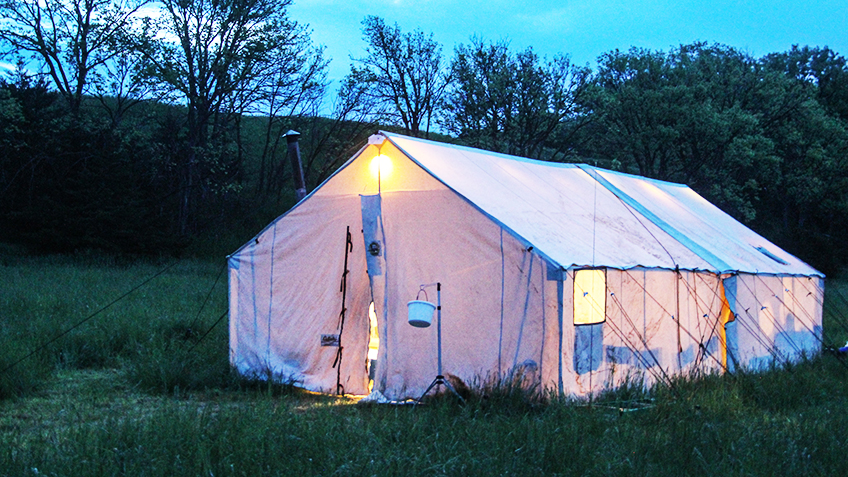
Hiring a competent guide can increase your odds of success by offering you insight into the area and the species that you are pursuing. Hiring a guide may also provide you access to areas that you wouldn’t otherwise be able to hunt, and they can provide logistical support. The downside? Guides cost more money. DIY hunts are less expensive than guided hunts and can be quite rewarding, but they require more work: you’ll have to get yourself to and from the field, find the animals, judge trophy quality, handle downed game, deal with all the paperwork yourself and handle every other aspect of the hunt. In some cases (such as hunting brown bear in Alaska), hiring a guide is mandatory—and with good reason. Before you commit to a DIY hunt ask yourself if you have the capabilities and the desire to handle every aspect of trip from start to finish.
What Are You Buying?
Before you book with a guide, professional hunter or outfitter, be sure you know what services are included. Does the price include transfer to and from the field and licenses and tags? Are trophy fees, pre- and post-hunt lodging, and field care of game included? These are all things that need to be sorted out prior to the hunt. You also need a realistic understanding of the odds of success. If you’re hunting free-range game, there’s always a possibility of failure, and you need to have a realistic understanding of trophy quality. Outside of high fences, there are very few places that will offer a guaranteed shot at a 180-inch whitetail or a 400-inch elk. Typically, you’re paying for the opportunity to hunt with a guide who will do their very best to put you on game in an area with reasonable odds of success. You may harvest an animal, you may not.
Hunting Partners
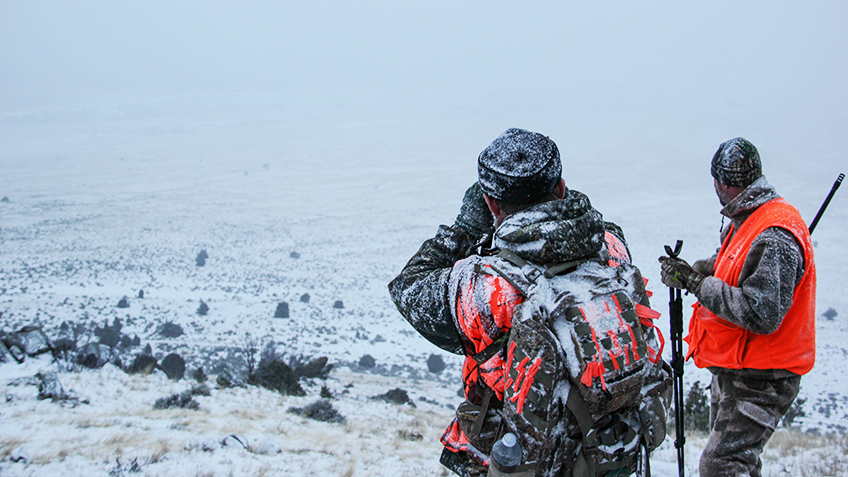
Booking hunts with a friend is a good way to save some money. Unfortunately, it’s also a good way to end a friendship, and I know of a few hunting partners that are no longer on speaking terms following failed hunts. I’m not discouraging hunting with a friend, but I am suggesting that you are very careful when selecting a hunting partner. You’ll have to divvy up costs and tasks in camp, and you’ll have to decide who’s shooting first when you see a trophy animal. You’ll need to carefully evaluate your friend’s skill as a hunter, their ability to withstand harsh conditions and their general likability. Just because you make good golf partners doesn’t mean you should join forces for a 10-day Alaskan moose hunt.
Travel, Logistics and Paperwork
Screwing up your travel plans or not having the right paperwork can ruin a hunt before it even starts. Unfathomable as it may seem, I know an unfortunate hunter who actually booked airline tickets to the wrong state, and travel problems only get worse when you’re hunting in a foreign country. I’ve found that it’s easier on most hunts to book with a sporting travel agent like Lori Ginn at Travel Express or the team at Gracy Travel, especially when you’re leaving the country. The travel costs aren’t much more, and these companies can save you a lot of time and hassle with paperwork.
Guns and Gear
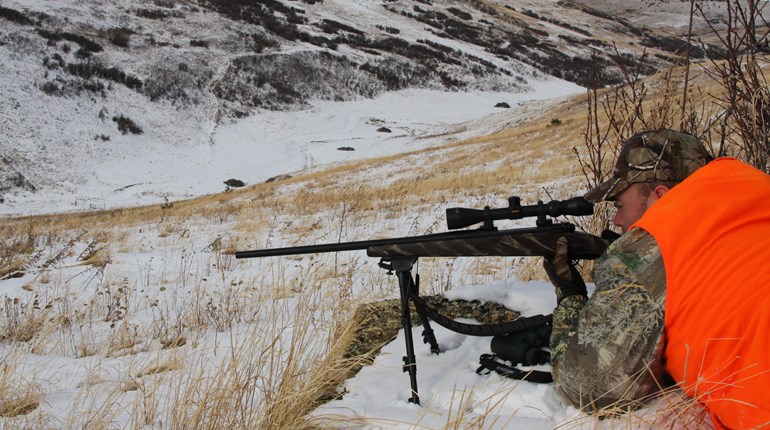
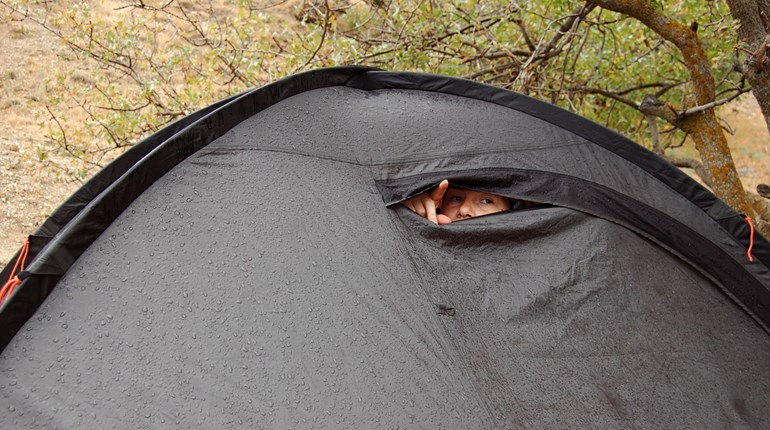
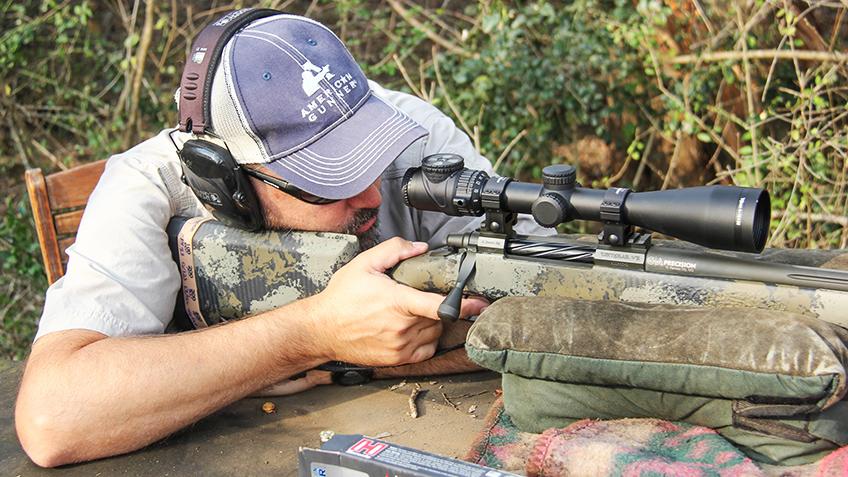
Most hunters are pretty good at choosing the right rifle and bullet for the game that they intend to pursue, but it never hurts to ask your guide’s opinion. Of course, you’ll need to properly sight in your rifle, and be sure to take tools along to fix problems like loose scope rings. Having the right gear is also important, and this is particularly true of footwear and clothing. Africa can be surprisingly cold, Alaska is almost always wet, and if you’re hiking at high elevation, you need to whittle your packing list to only those items worth lugging up and down steep mountains. I pack rain gear on every trip since I was caught in a downpour in the desert, and I always have extra boots. Also, when you fly, wear clothes that will work in the field just in case your bags don’t arrive.
Are You Up to the Challenge?
Be honest with yourself and your guide. There’s nothing worse than spending your hard-earned money on a hunt only to find that you didn’t prepare as well as you should have, whether that’s failing to spend enough time sighting in at the range or being in such poor physical condition that you simply cannot complete the hunt. Understand the demands of the trip and make absolutely certain that you’re truly capable. High mountain hunts require days of hard hiking where the air is thin. Unguided drop-camp hunts are affordable, but you must have the skills and physical abilities to handle being alone in the wilderness for days on end without assistance. It’s better to have a dream hunt remain just that than to embark on an adventure that is doomed because you simply aren’t up to the task.
Added Costs
Unfortunately, the cost of a hunt doesn’t end when you pay the outfitter. First, many guides and professional hunters work for tips. How much you tip is a personal matter, and most guides I know prefer cash over used gear (unless your guide really, really likes those binos you’re carrying and says so frequently). You’ll also have to deal with the added cost of meat processing, hide care, import fees, shipping and a handful of other incidental items. Taxidermy bills can be quite high, and you’ll also need to consider the cost of shipping your mounted trophies home.