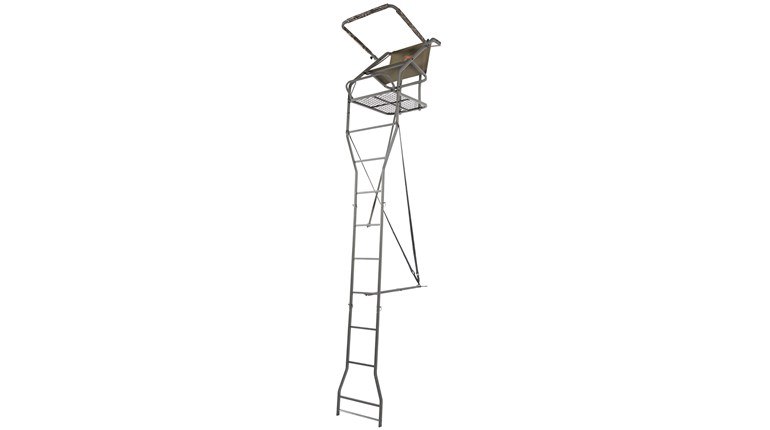
Most home invasions occur when residents are not there. It’s the ideal time for an intruder to sneak in undetected. Use that concept to invade a whitetail’s home. When a deer-pattern change requires stand relocation, do it when the deer aren’t around and use the cover of darkness.
At dusk whitetails, especially mature bucks, begin to stir. They transition from their refuges to field edges for nutrition (and breeding) opportunities, leaving beds and travel corridors vacant. You now have an opportunity to invade an unoccupied domicile. Even if you bump a straggler, a downwind approach combined with the deer’s impaired vision at night help distort its judgment. It will likely bound off thinking it just met a prowling coyote.
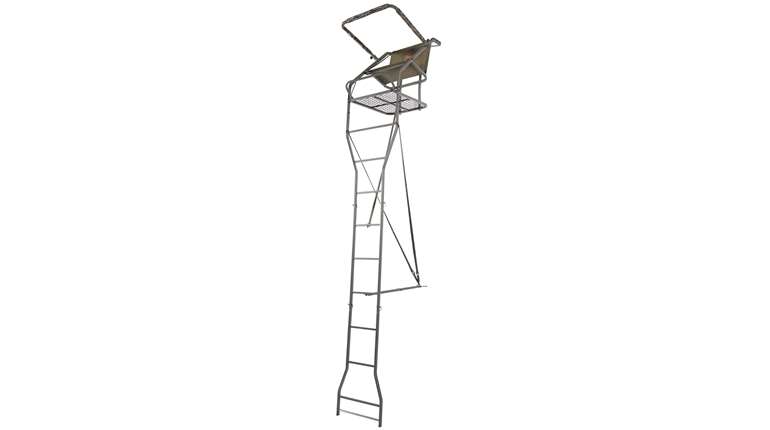
You may want to go light and bundle all your gear for a single incursion. Think lightweight aluminum treestands and climbing sticks. A 15-pound stand and another 12 pounds of climbing sticks, plus a hanger, pruning shears and your safety harness pushes your load to more than 30 pounds. Transport that weight with a sturdy frame pack.
Hands-free lighting allows you to work unhindered so consider a headlamp. Your light needs to produce enough lumens to illuminate the immediate work area, plus reach into shooting lanes that might require nighttime trimming. You’ll want 55 lumens for working close and at least 200 lumens for checking lanes. While surveying with spotlight intensity, keep the beam directed downward to minimize its appearance to any deer that may be off-schedule.
Plan your inroad to bypass deer that have left the building. Pre-scouting is essential to understand travel patterns. Forget crossing fields and instead look for back doors including riverbanks, woodland farm trails and adjacent ridge tops. Enter from the opposite side of the property or terrain feature the deer exit. It’s just natural that deer will have a forward-facing focus as they move toward their next stop and away from you. Follow your scent-elimination protocol, too. Darkness may give you an empty room and cloak your approach, but your scent can stick around for hours.
As you conclude your raid consider staying. You’ve likely heard that your first sit in a stand is your best. Plan for a morning or all-day hunt by bringing extra necessities, and of course utilize safety procedures to their fullest. Consider taking a nap below your stand until a couple of hours before dawn. Just remember to set your smartphone alarm.