The phrase “light transmission” has become cliché in the world of optics. From marketing materials to editorials in major publications to friends talking after a day at the range, everyone, it seems, is discussing light transmission. A scope that works better in low light is said to have better light transmission, as is an optic that offers a clear, discernible view of objects under the midday sun. The very term has become the highest honor a hunting optic can receive.
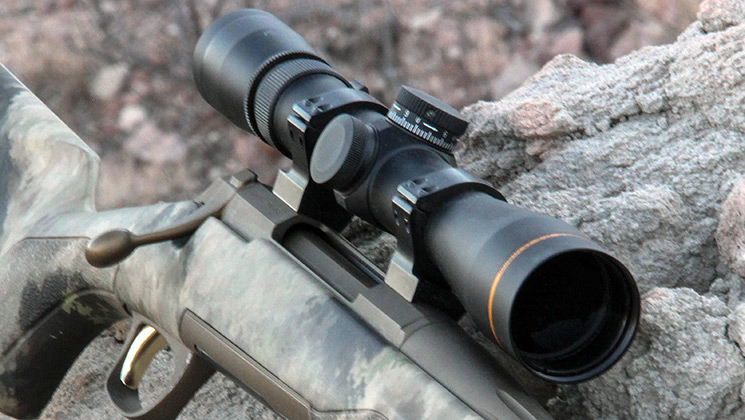
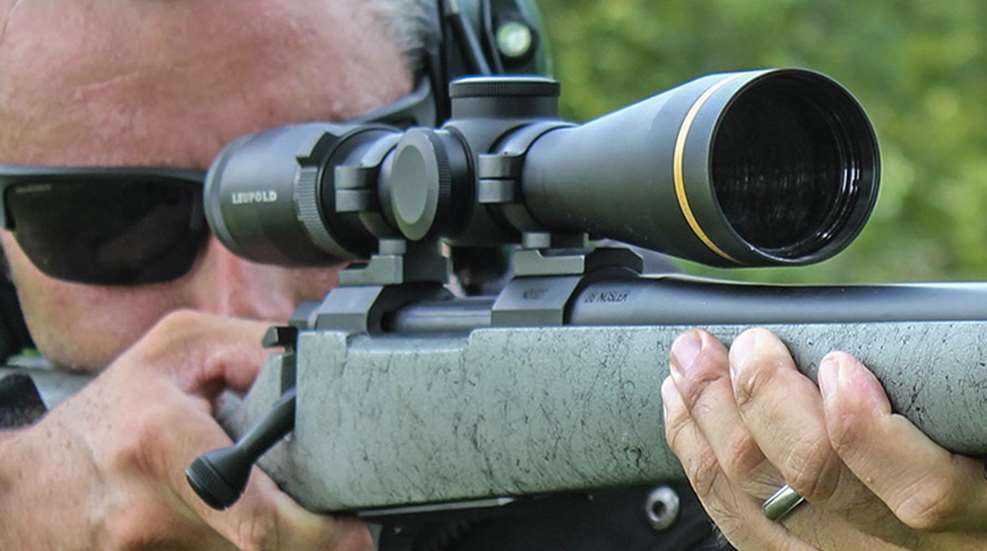
The truth about light transmission, though, is far more complex than that, and optical engineers have been working for years to help consumers understand that more light transmission is not better light transmission. Leupold, for instance, has tried to educate buyers on the fine points of light as they relate to hunting optics with the launch of their new VX-3i line of rifle scopes. One of the key features of the new scope was its Twilight Max Light Management System, which doesn’t simply allow more light to pour into the scope but rather manages which light is transmitted to the shooter’s eye. Leupold has a long-standing reputation for producing optics that allow hunters to see clearly in low light conditions, and the new VX-3i is even better than previous generations of scopes. Why? Leupold engineers actually decreased transmission of specific light waves to better manage the overall light transmitted to your eye, and the result is a scope that offers better visibility at dawn and dusk, a clearer picture at midday and higher contrast and resolution.
That may seem counterintuitive to a generation of hunters who have been told that more light is better. To better understand the notion of light management it’s best to relate the process to another wave-based energy—sound. If the radio waves that reached your ear weren’t tuned you’d hear every station at once and the result would be a garbled mess, a cacophony of voices and instruments competing against each other (if you’ve ever been driving while two radio stations cut in and out you understand the concept). A live recording of a band playing music sounds very different than a studio version of that same song. Why? Because concert noise is less filtered than in a studio. More sound transmission isn’t always better. You need the right sound for optimum listening.
So it goes with optics. Leupold took a bold step with the introduction of the Twilight Max System by trying to explain to the customers that this new scope doesn’t have the highest light transmission of midday light in the market, and that is actually a good thing. Instead, they focused on having the highest average light transmission across the entire visible spectrum Light travels in waves, and the frequency of those waves allows us to see colors. Yet some colors, like some frequencies of sound, are easier for us to detect. For that reason, Leupold didn’t focus on transmitting the highest level of midday light but rather it designed the new Twilight Max System to transmit a broad band of colors for maximum depth and clarity with minimal “static.” This meant reducing transmission levels of midday light so that there would be less competion and more clarity. Simultaneously, the system also allows more colors to enter the scope that are on the edges of the visible spectrum. This is very important because these colors are most important for viewing game at dawn and dusk, a hallmark of Leupold optics. Rather than getting more light, you’re getting better light.
Opting to focus on light management rather than raw light transmission gives Leupold’s new optics one more advantage—higher contrast. Imagine a photo taken in the middle of the day in bright sunlight. There’s plenty of light, but the washed-out effect gives you a picture with few visible details. By managing light transmission (as a good photographer does when taking photos under bright sunlight) the VX-3i actually provides more detail, contrast and resolution. As hunters and shooter we all understand why this is important. A clear image through the scope might allow us to see a low-hanging branch that would otherwise have gone undetected. At least, that is, until it intercepts your bullet and you miss the buck of a lifetime.
I had the opportunity to test the new VX-3i on an aoudad hunt in south Texas. Low light wasn’t a problem—the cloudless sky and midday sun produced lots of glare that made it almost impossible to pick out sheep on the rocky cliffs with the naked eye. When we finally found a shootable ram he was in open country high on a ridge. The Leupold’s impressive light management system didn’t wash out the aoudad when I centered the rifle but instead provided a crisp, clear, sight picture. That kind of resolution critical when shooting any game, but it’s especially important for extra-tough species like aoudad that require exact shot placement. I dialed the CDS turret to the proper range, found the ram’s shoulder in the reticle, and pressed the trigger. The aoudad ran less than a hundred yards before piling up.
Perhaps it’s time that we demand more from our optics than “maximum light transmission.” Perhaps, instead, we should focus on the qualities that make great optics stand out in a crowded field. One of those keys is light management, which is far more important than simple light transmission. Improved optics mean better success on the range and in the field, and that begins with a basic understanding of what makes a great riflescope.