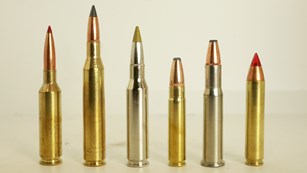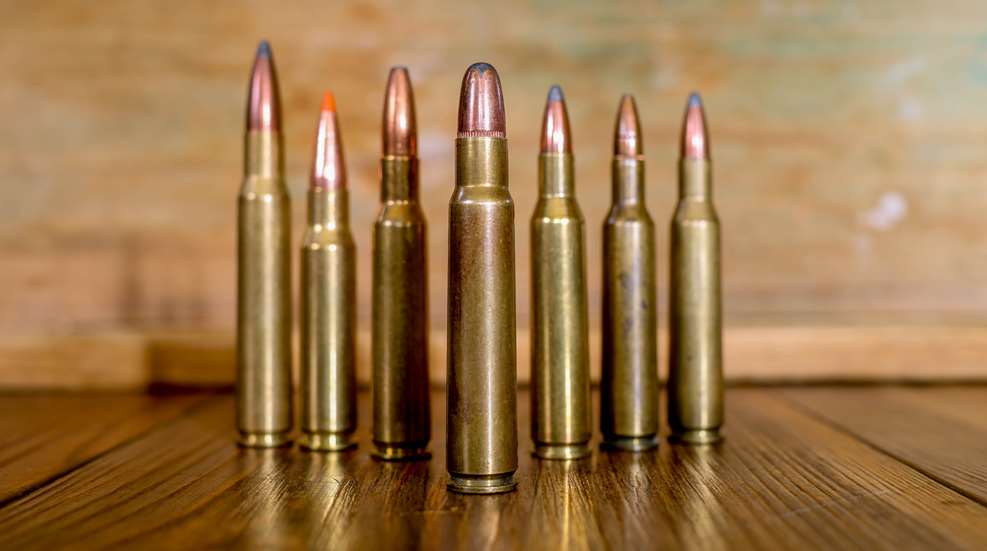
The 8x57mm, also known as the 8x57 JS, the 7.92x57mm Mauser or the 8mm Mauser, has been with us since 1888, and has directly—or indirectly—brought us a wide array of cartridges which we hold dear. This cartridge has gone through a number of changes itself, both changing bore diameters and experiencing a grand misnomer along the way. And while the 8x57mm is, in and of itself, a military cartridge which did very well in the hunting fields, this cartridge would go on to lend its design and many of its dimensions to more cartridges than is perhaps realized.
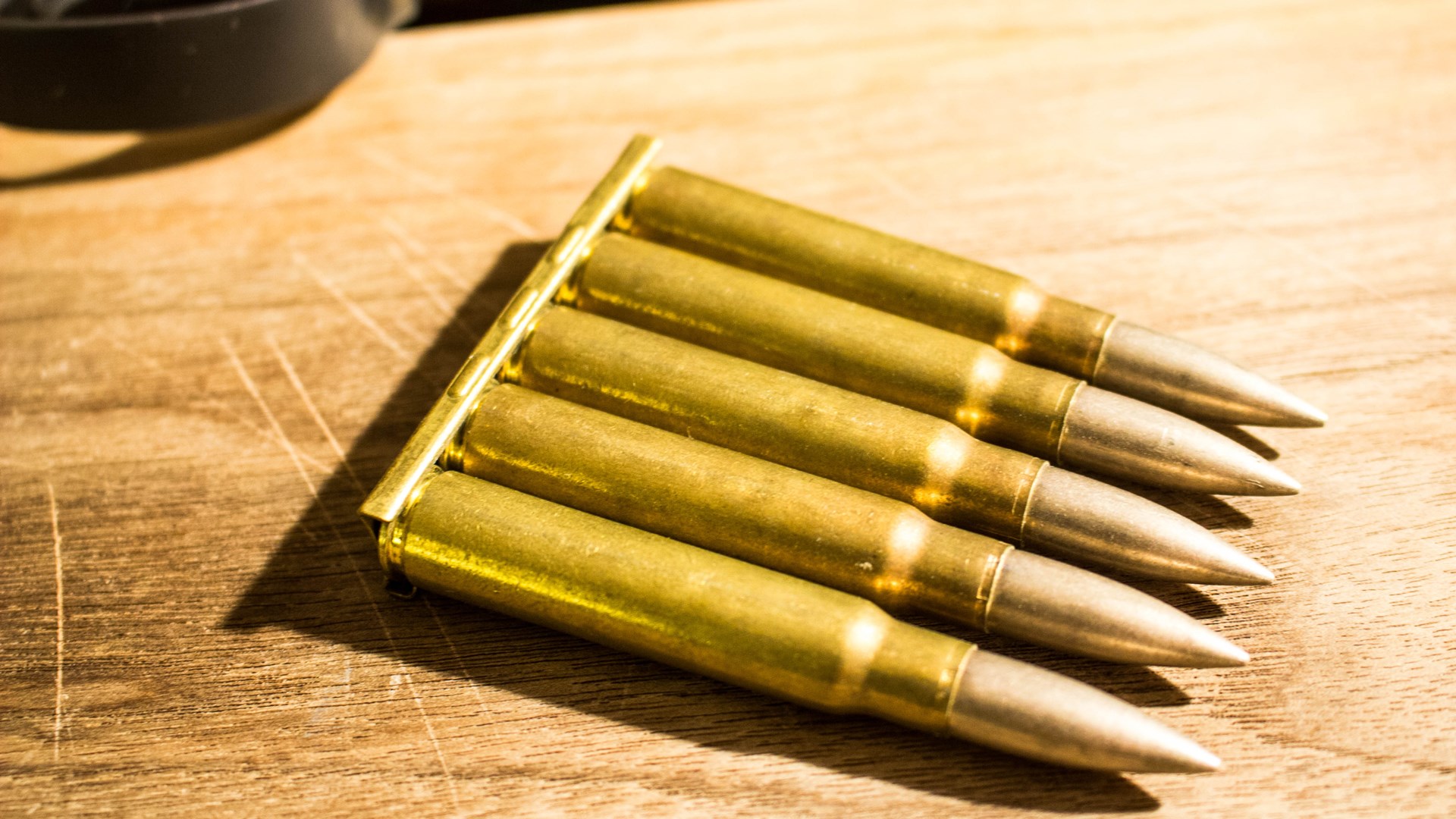
The 8mm Mauser started life as the Patrone 88, using a .318-inch diameter bullet, and came onto the scene in 1888 as the German military rifle cartridge. Using the new smokeless powder, and housed in the Gewehr 88 bolt-action rifle, the rimless cartridge delivered a 225-grain round nosed bullet at just under 2,100 fps. That design would be revised and adopted in 1903, using a bullet diameter of 0.323 inches, in a spitzer design weighing 153 grains, travelling at 2,880 fps. That move would assuredly have an influence on the U.S. Army’s move from the 220-grain round nose bullet of the .30-03 Springfield to the .30-06’s 150-grain bullet. The cartridge was renamed the 7.92x57mm, or the 8x57 IS. Ironically, the Germans didn’t include the Mauser name in the 8x57mm. There are many references to the 8x57 JS, though the proper term is “IS” and legend has it the “J” came into use after an “I”—apparently in a calligraphy font—was misinterpreted. Nonetheless, the 8x57mm Mauser would serve Germany in both World Wars. The case measures 2.24-inches long, with a cartridge overall length of 3.25 inches. The shoulder—measuring 20 degrees 48 minutes—handles the headspacing duties, and the 8x57’s case head measures 0.473 inches. Remember that number, as you’ll see it again in just a bit.
The 7x57 Mauser
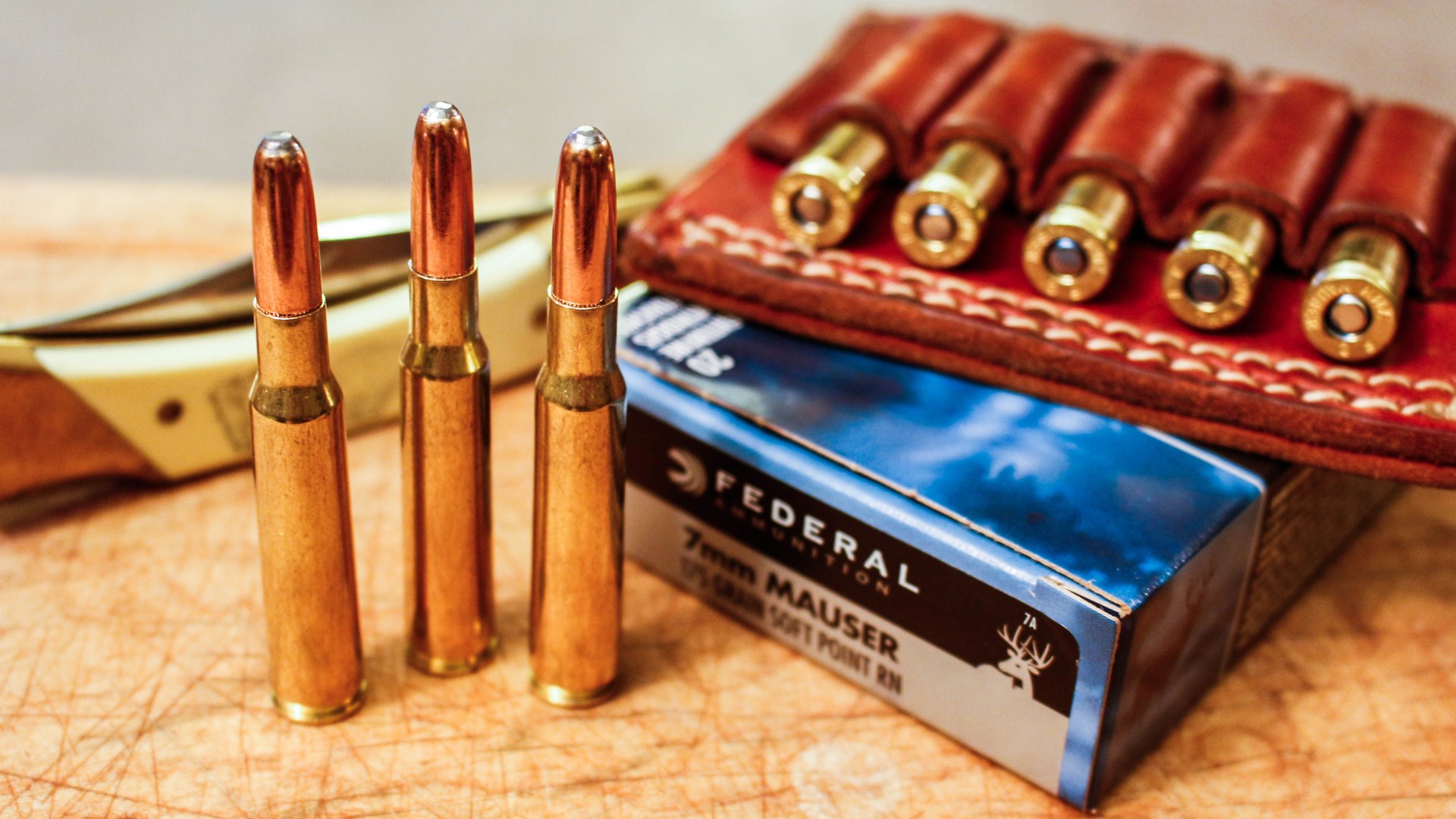
Whether or not the 7x57 is a direct development from the 8x57 is debated, but there is no denying the similarity of the two designs. The rim diameter is the same and the shoulder angle is nearly identical, as is the case length, though the cartridge length is slightly shorter in comparison to the 8mm Mauser. The cartridge was developed by Peter Paul Mauser in 1892, and was soon adopted by Spain as its chosen military cartridge, making an impact in the Spanish-American war. Launching a 173-grain bullet at 2,300 fps, the 7x57 Mauser would be anglicized at John Rigby & Co., who renamed it the .275 Rigby. It was a competent military cartridge, but gained a good reputation in the hunting fields. All sorts of game has been taken with the 7x57/.275 Rigby, including the deer species of the U.K., as well as all species of game in Africa and India. Perhaps the most popular uses of the 7x57 Mauser were the exploits of Col. Jim Corbett, who was presented with a .275 Rigby rifle for taking the Champawat man-eater, and used that rifle to take more man-eating tigers and leopards, and W.D.M. Bell who used his .275 Rigby to take the majority of his 1,011 elephants. Both of these gentlemen were excellent shots, and highly familiar with the anatomy of their quarry. To this day, the 7x57 Mauser remains a fine choice for the big-game hunter, taking full advantage of the wide selection of 7mm diameter bullets. The heavier choices still offer that fantastic penetration, and the lighter weights have a very respectable trajectory for longer shots. The recoil is certainly manageable, and the cartridge can deliver excellent accuracy.
The .257 Roberts
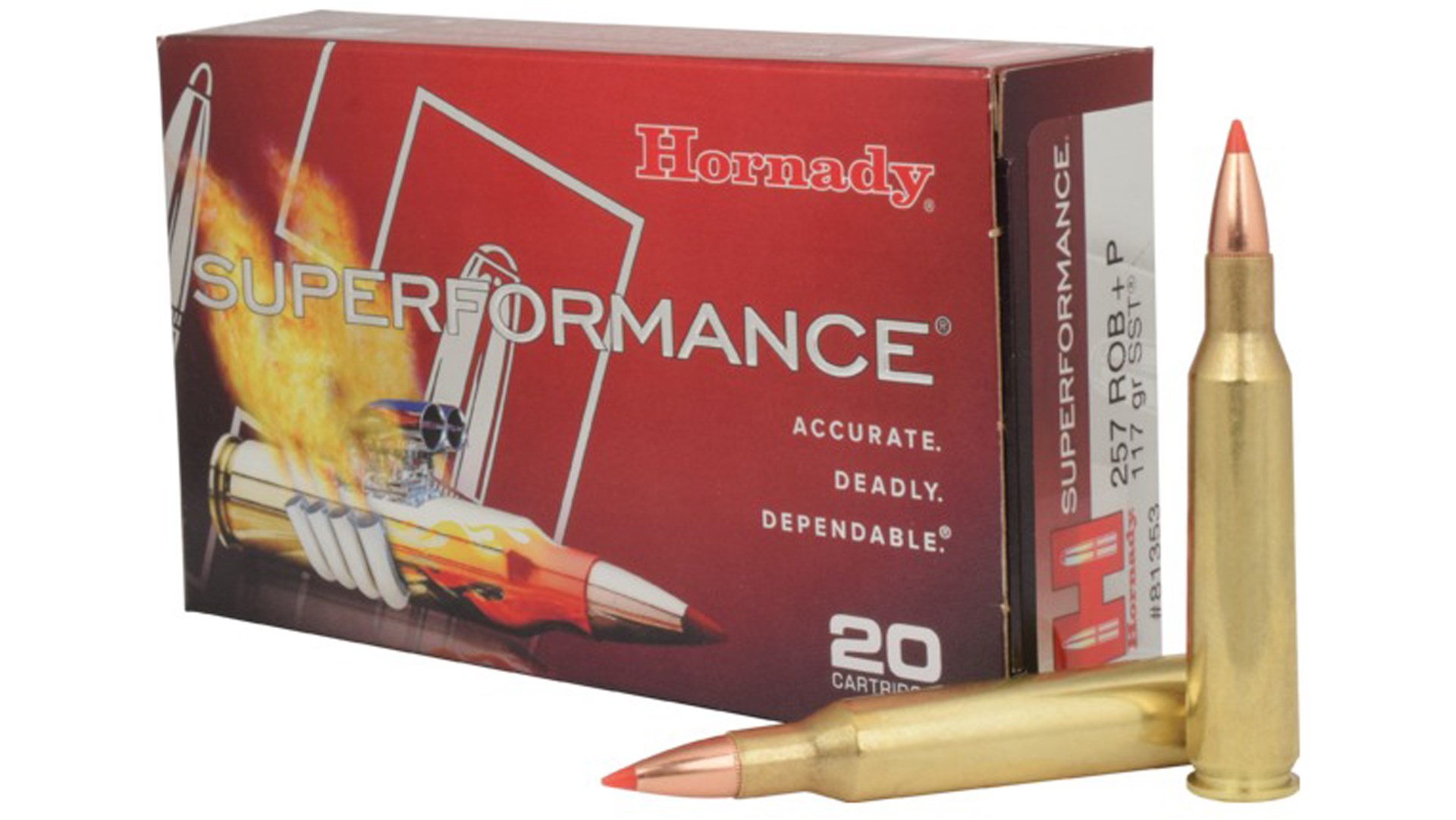
Ned Roberts took the 7x57mm Mauser case, and necked it down to hold .257-inch diameter bullets in the 1920s. Remington made it a commercial loading in 1934, and the ‘Bob’ would become a favorite of deer hunters and pronghorn antelope hunters alike. Where Roberts’ design had a 15-degree shoulder, Remington reverted back to the 20-degree, 45-minute shoulder of the parent case. A case length of 2.235 inches and a cartridge overall length of 2.780 inches allow the Bob to fit easily in a long-action rifle receiver (there were many surplus Mauser actions available a century ago), and the 1:10-inch twist rate will stabilize bullets up to 120 grains. The initial loadings saw an 87-grain bullet at 3,100 fps, a 100-grain bullet at 2,800 fps, and a 117-grain bullet at 2,550 fps. It was a popular cartridge, being available in the Remington Model 30, the Winchester Model 54, as well as the initial run of the Winchester Model 70. Some say Remington did the .257 Roberts dirty with the release of the .244 Remington and later the .25-06 Remington, but what is certain is that the cartridge began a slow decline, fading into near obscurity. The +P treatment gave that cartridge a new lease on life, driving the 100-grain bullet to 3,000 fps and the 117-grain bullet to 2,945 fps, flattening the trajectory considerably. The .257 Roberts still makes one helluva deer cartridge.
The .244 Remington/6mm Remington
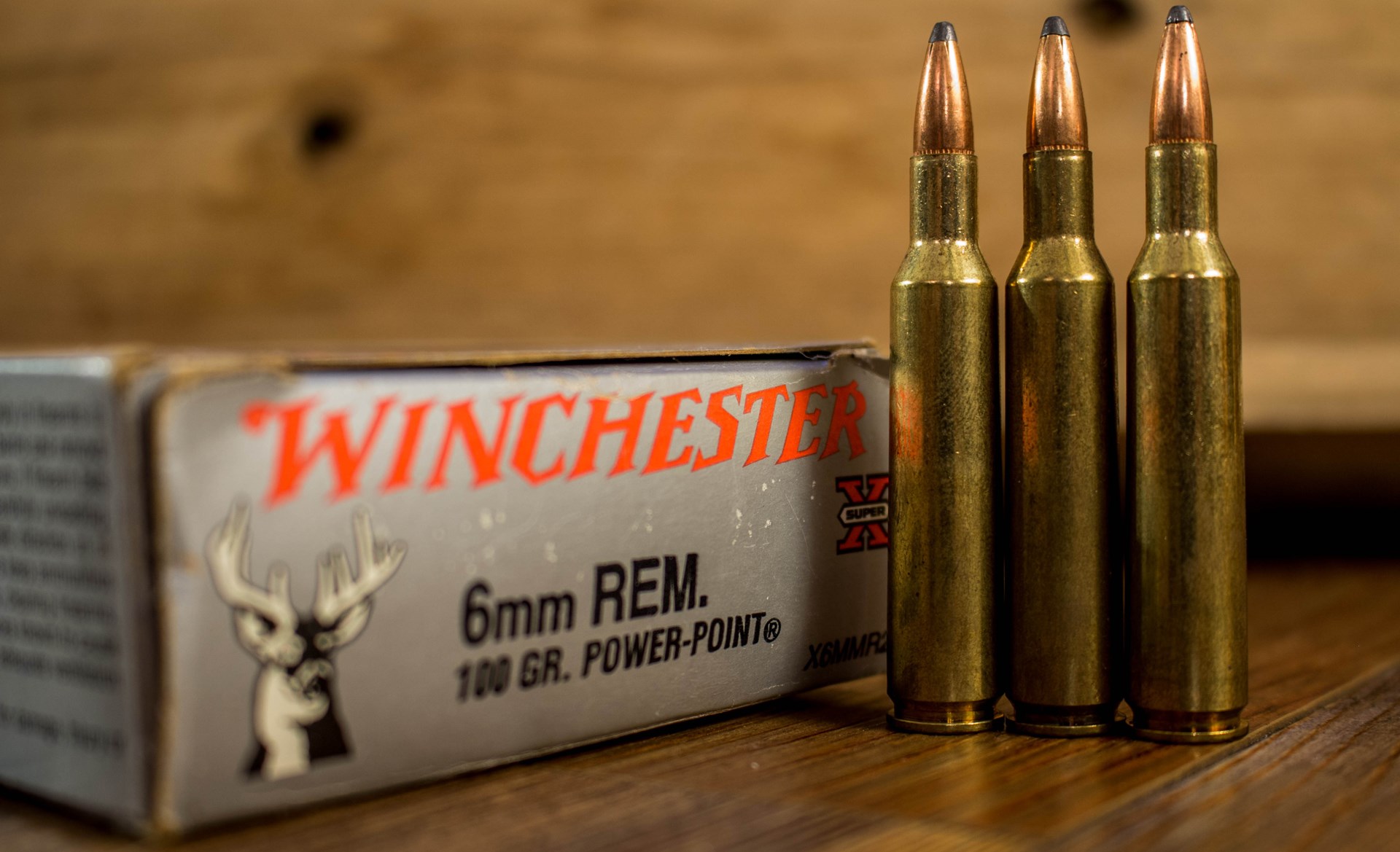
In 1955, Remington took the 7x57mm case and necked it down even further, this time to hold 6mm/.243-inch diameter bullets. The shoulder angle was increased slightly to an even 26 degrees, and the cartridge overall length comes in at 2.825 inches; the cartridge was named the .244 Remington. In direct competition with the .243 Winchester as a dual-purpose deer and varmint cartridge, Remington chose a 1:12 twist barrel, which could handle 90-grain bullets at most. The .243 Winchester and its faster twist could stabilize the 100-grain bullets, and that caused a major issue among the buying public. In 1963 the cartridge was renamed the 6mm Remington, and given a faster 1:9 twist, but it seems it was too late; the .243 Winchester became the darling 6mm cartridge of that era. That’s a shame because the larger case of the 6mm Remington can offer a velocity advantage over the .243 Winchester. You can still get ammo from Remington, Hornady, and even Winchester, so there’s no real valid reason to say no to a good rifle chambered for the 6mm Remington.
Some European Variants
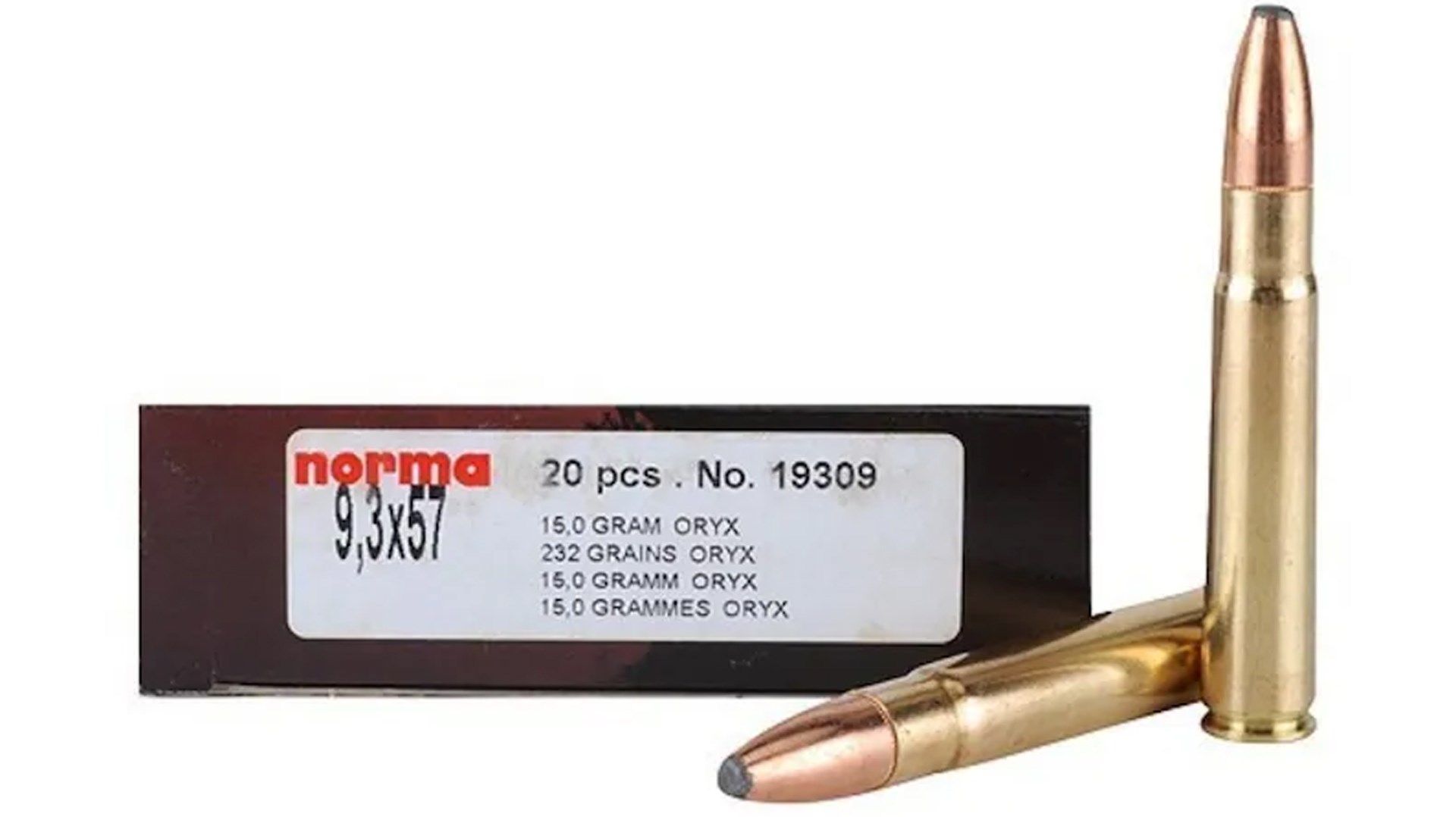
American hunters weren’t always receptive when it came to metric cartridges, in fact there were very few successful metric cartridges here in the 20th century. I guess we just like our decimal portions of an inch, if that makes any sense at all. But Continental Europe has been all warm and fuzzy over metric cartridges, and the 8x57mm case has been necked up and down over the years, just as it has been here. Included in the mix are the 9x57 Mauser (well-suited for medium to large game), the 9.3x57 Mauser (using the 232- and 286-grain bullets at a moderate velocity), the 6.5x57mm Mauser, the 5.6x57mm Mauser, and the “R” or rimmed variants of nearly all of these, as well as the 8x57 and 7x57. While none of these are very popular here in the United States, they certainly have a sound ballistic formula. If you wanted to build something a little different, any one of these could be a good time.
The .30-06 Springfield and All of its Family
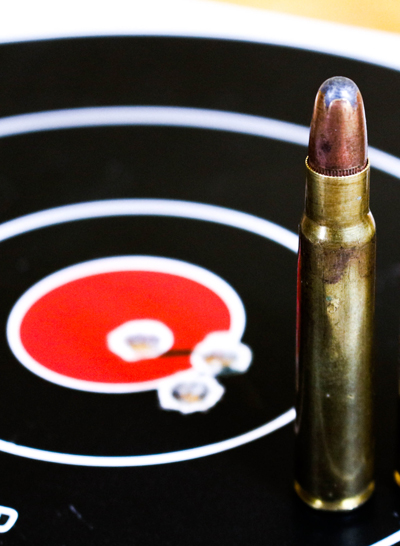
Remember that .473-inch diameter case head dimension? Guess who else uses that. That’s correct, the .30-06 Springfield, its father the .30-03 Springfield, its grandfather the .30-01 Springfield, and all the cartridges which came after. That includes the derivatives like the .270 Winchester, .280 Remington and .35 Whelen, as well as the .250 Savage, .308 Winchester and all the cousins, stepkids, and ne’er-do-well brothers-in-law. In fact, a good many of our most beloved American cartridges owe a debt of gratitude to the 8x57mm and 7x57mm Mauser cartridges. So whether or not those German cartridges have any appeal to you, odds are they’ve touched your life as a big-game hunter.