Some time in my early twenties I developed a small obsession for hunting grouse on public land in southern Ohio. If you’re familiar with the area you know that grouse are very thin in that part of the world, and there are even those who believe the birds have been extirpated from the region altogether.
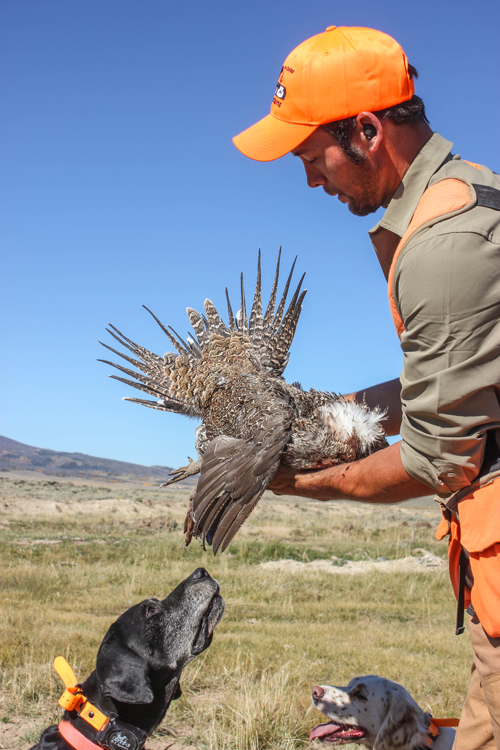
But I can attest to the fact that there are indeed grouse in that region, though they are indeed scarce. I never killed one (although I got a few flushes), but my preoccupation with hunting Appalachia’s ghost grouse taught me several important lessons. It taught me the value of scouting and how to outsmart the birds I was hunting, and I learned that if a shot was offered I needed to make the most of what might be my one and only opportunity. Primarily, it taught me how to maximize my odds of success when I’m in the field.
I took the lessons that I learned from that and have tried to apply them to my upland hunting since that time. In short, I believe there are five key elements that help to maximize your odds of success, whether you’re hunting grouse in Ohio or Huns in Montana. With a bit of planning and extra effort these five keys will help make this your best upland season ever.
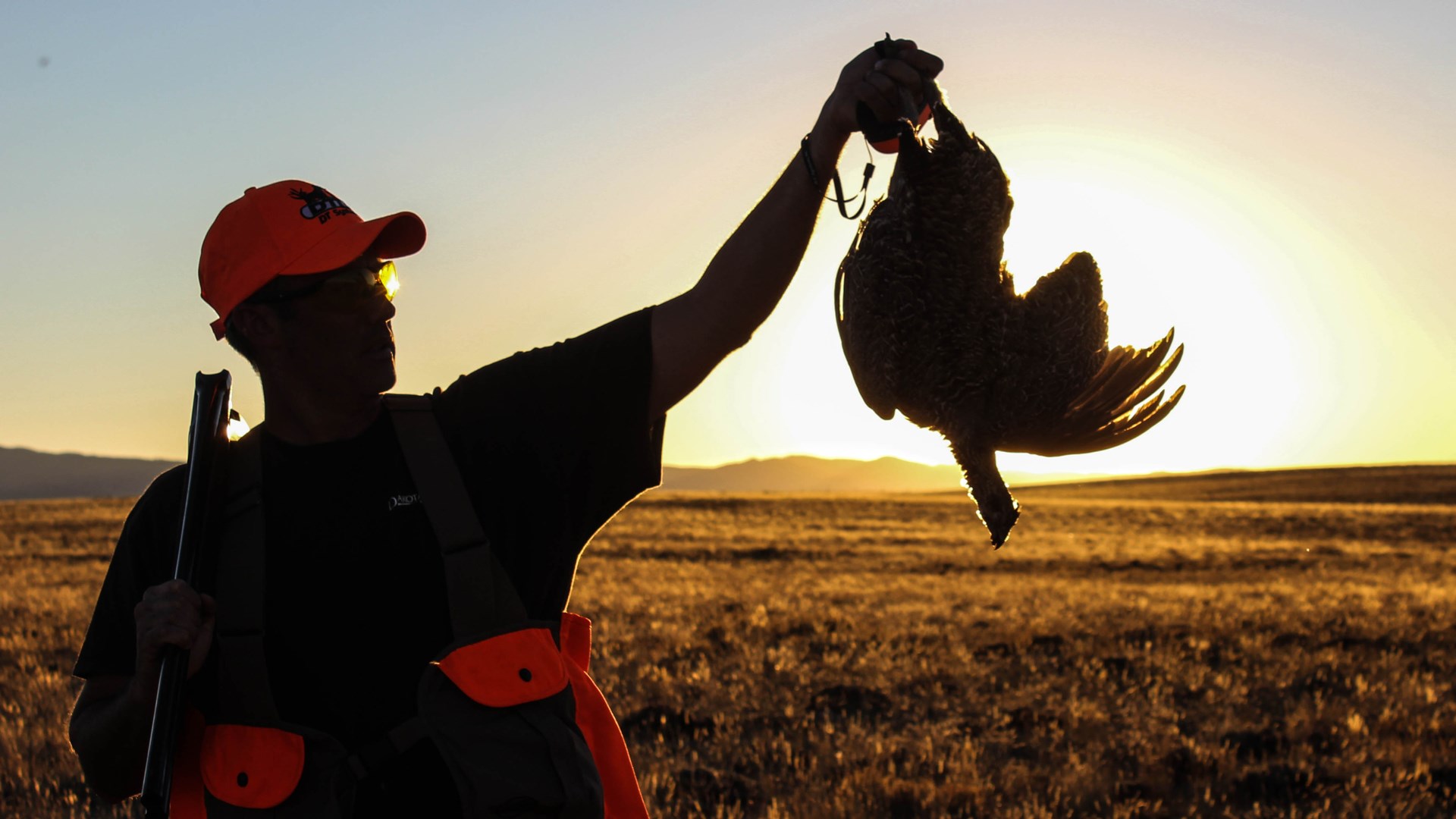
Key 1: Use Your Resources
Twenty years ago when I went on my grouse quest I had access to the internet, and that was a huge help in planning where to hunt. But modern upland hunters have access to even more online resources that can help provide all the information you need. Google and hunt-mapping services like OnX offer detailed area maps complete with land-owner data. Forums and chats discuss the best bird hunting areas in each state. BLM and wildlife area maps are available online and on your phone. The next time you’re in your doctor’s office for a checkup or waiting for the DMV to call your number you could be scouting birds.
Now we even have AI, and while most of us know that AI can fake photos that make it look like you’re bird hunting with Tom Selleck, its primary value to bird hunters is that AI gains information. Ask AI where the best hunting areas in any state are, and it will give you a list of what it can gather for you in a few seconds. If you’ve always wanted to hunt chukar in Idaho but don’t even know where to start, then AI services can help. However—and this is essential to remember—AI only relays information it finds on the web, and it’s not always accurate. But you can double-check the sources of the information and that will put you on the right track. The internet is also a great source to gain insight into the behavior of wild game birds. There’s never been more bird-hunting information available at your fingertips, and now you can start prepping for your greatest upland hunt ever while you’re waiting for a root canal.
Key 2: Spend Time in the Field
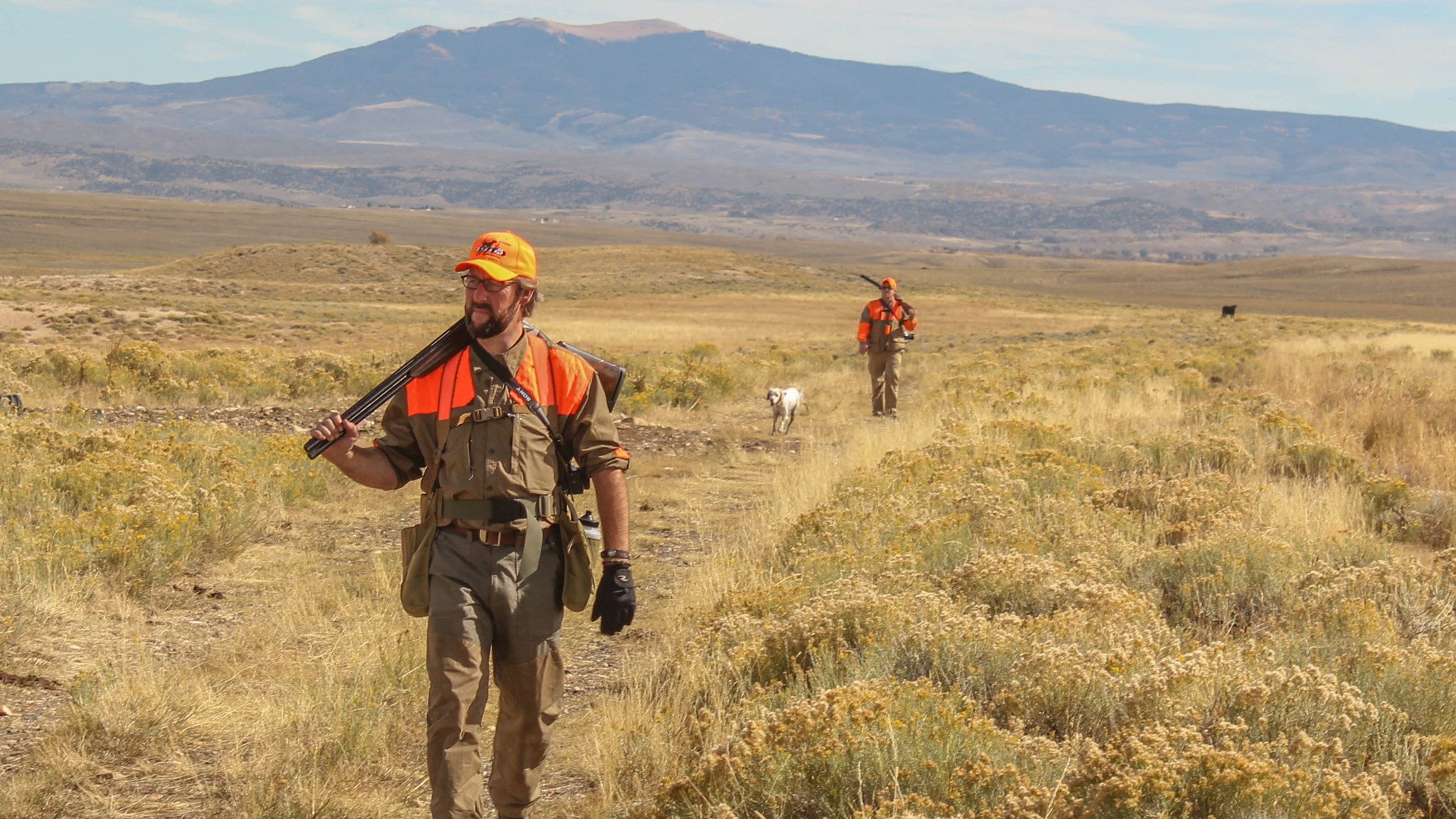
Lest I be accused of trying to promote keyboard quail hunters, I will tell you that you need to spend time in the area and scout it with your own eyes. Yes, you can use mapping services and zoom in close enough to see individual fence posts, but you’re going to need to spend some time scouting. There’s loads of good BLM land in the western United States, but finding the best areas is still going to require footwork.
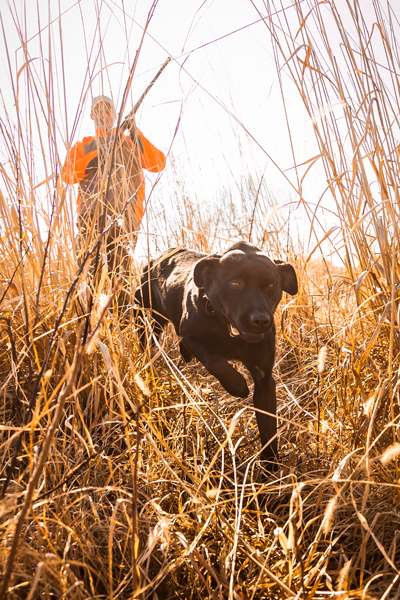
For example, when I set out to find grouse I knew where there were several clearcuts where the habitat was being managed for these birds within a state forest in Ohio. What I did not appreciate, however, was how vast these clearcuts were and how far I’d have to travel to access them. Most didn’t hold any grouse sign at all, but a few did—and that helped me narrow down my search for these birds considerably.
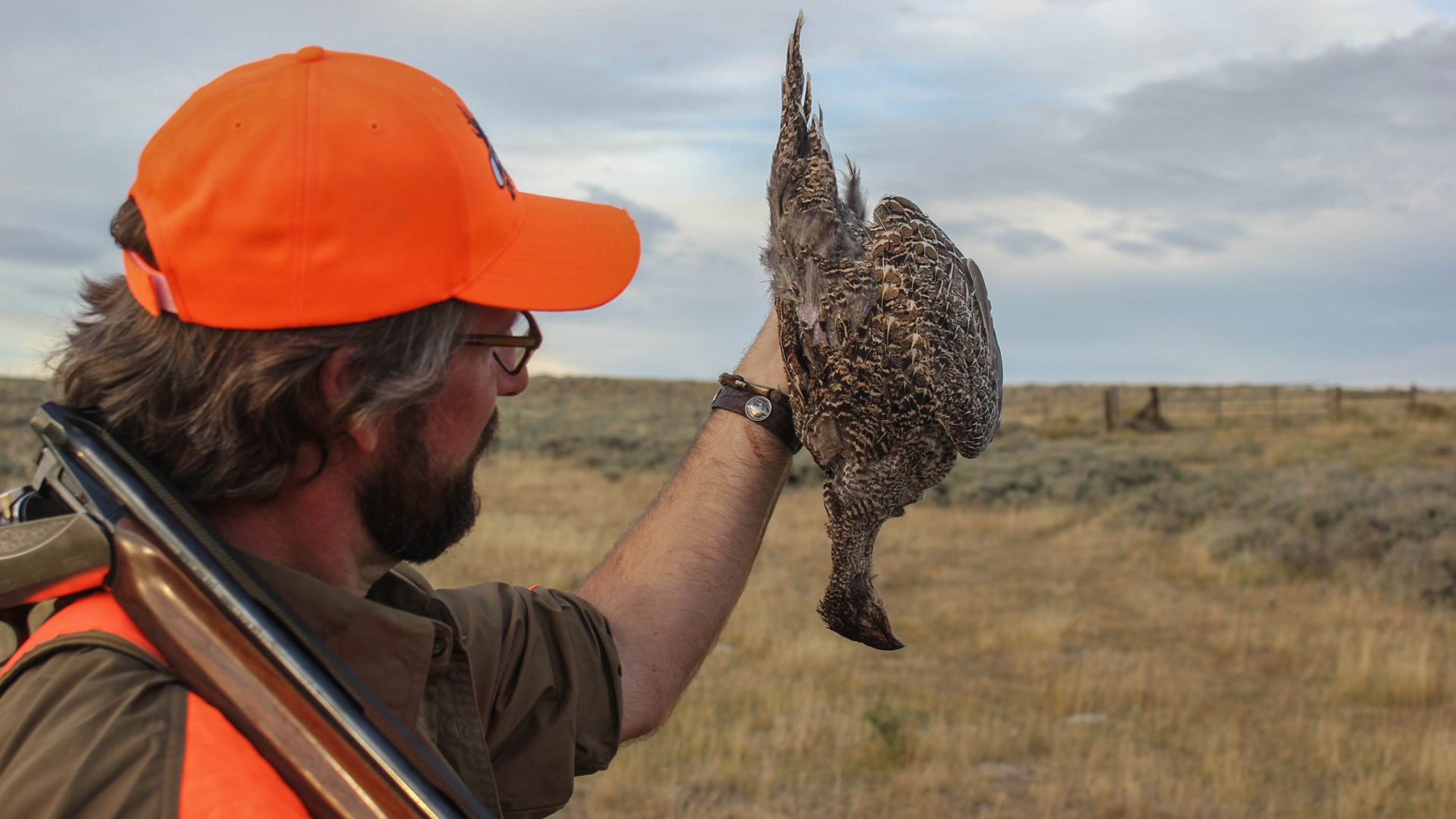
There’s no substitute for spending time in the field. You have to get out there, walk, look for sign, kick up birds, determine access points, and—most importantly—you need to be ready for the season. It’s true that the upland hunter who can walk the farthest wins in many cases, and you’ll need to cover ground. Actual field experience is also important as you make your ultimate upland hunting plan because you’ll see what type of terrain and vegetation you can expect.
I learned this lesson along the Snake River in southern Idaho. The area had everything—deep canyons, rock outcroppings, abundant cover, and ample bird sign. It also had a robust population of rattlesnakes. I don’t know why that particular area was so densely packed with rattlers, but after I’d seen by third snake I decided to call it quits. No matter how many birds were in the area it wasn’t worth a trip to the emergency room and a few vials of antivenom. The steep country required a lot of crawling and since it was literally crawling with rattlesnakes I thought it prudent to mark it off my list of hunting spots.
Key 3: Maximize the Potential of your Four-Legged Partner
You don’t have to have a hunting dog along when you’re chasing birds, but it makes the experience more fun and rewarding. It also ups your odds of success in many areas, and a dog reduces the odds of losing downed birds.
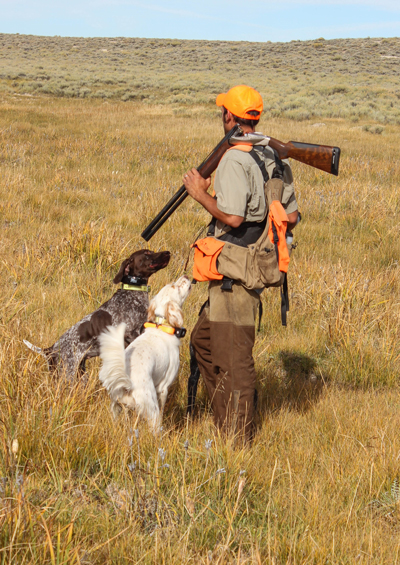
Some people are very good at training upland dogs. I’m not, but I’ve been fortunate enough to meet some very good dog trainers who have helped me along the way. Good dogs greatly increase your odds of success, and in some areas a dog’s keen nose and ability to cover lots of ground make them indispensable for hunting. I hunted sage grouse in the vast, windy sage brush flats of southern Wyoming once, and without the help of dogs there’s simply no chance short of low-odds luck that you’d stumble into the birds. The same is true for chukar hunting in the Rockies and finding woodcock and grouse in the pine forests of Maine.
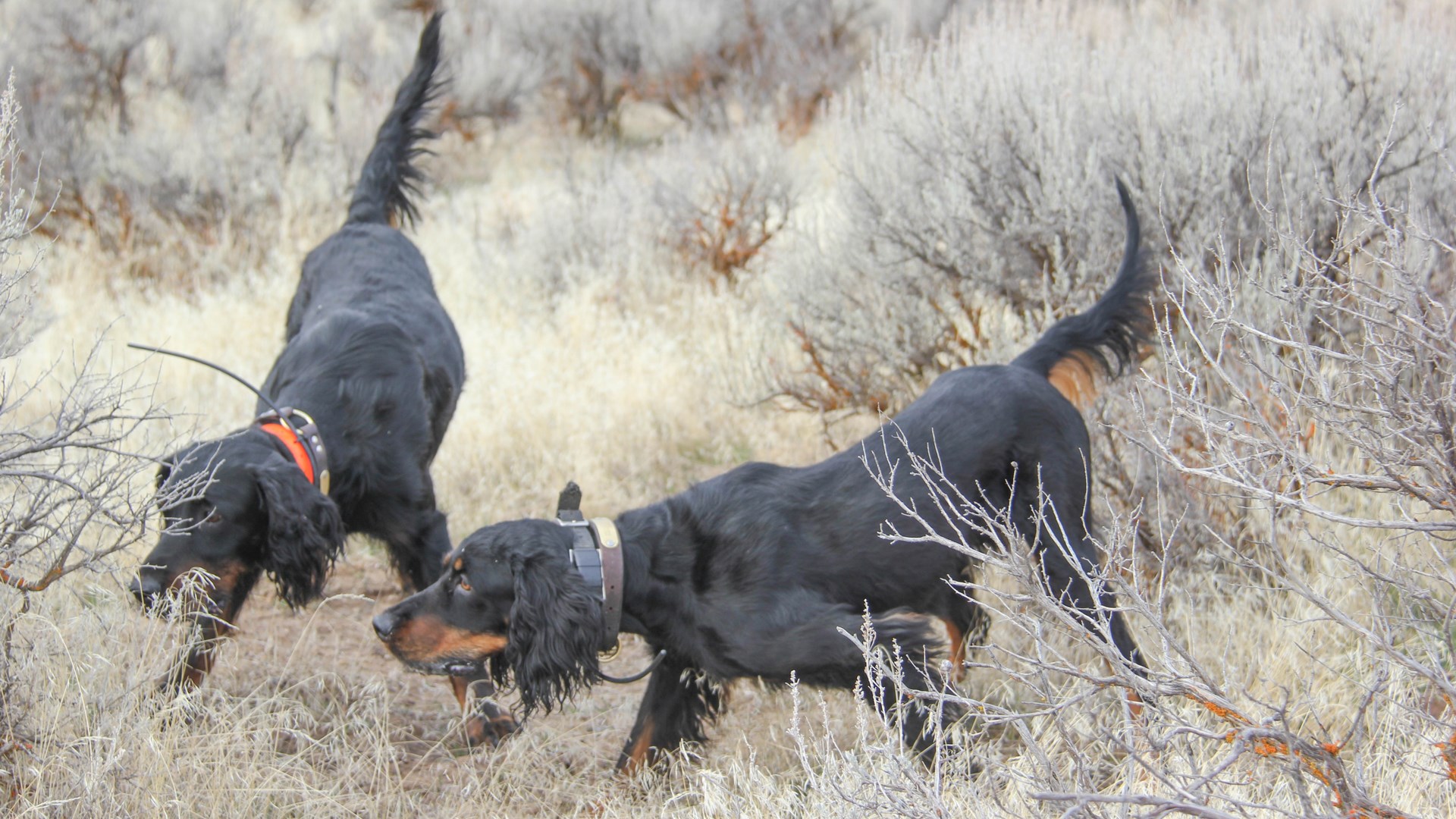
I have been fortunate to hunt with many good upland dogs, and I’m in the process of training a Gordon setter (although I believe she’s teaching me as much as I’m teaching her). If you’re going to own an upland hunting dog you need to know what you’re getting into. They’re generally high-energy and intelligent with a prey drive and a desire to run, and they’ll need lots of exercise—even on the days you aren’t in the field. They aren’t born with manners or the finesse of a finished bird dog, although I’d argue that the good ones are all born with an instinct and drive to hunt, so you’ll either need to buy a finished dog or work with a trainer if you don’t possess the skills to finish the dog yourself.
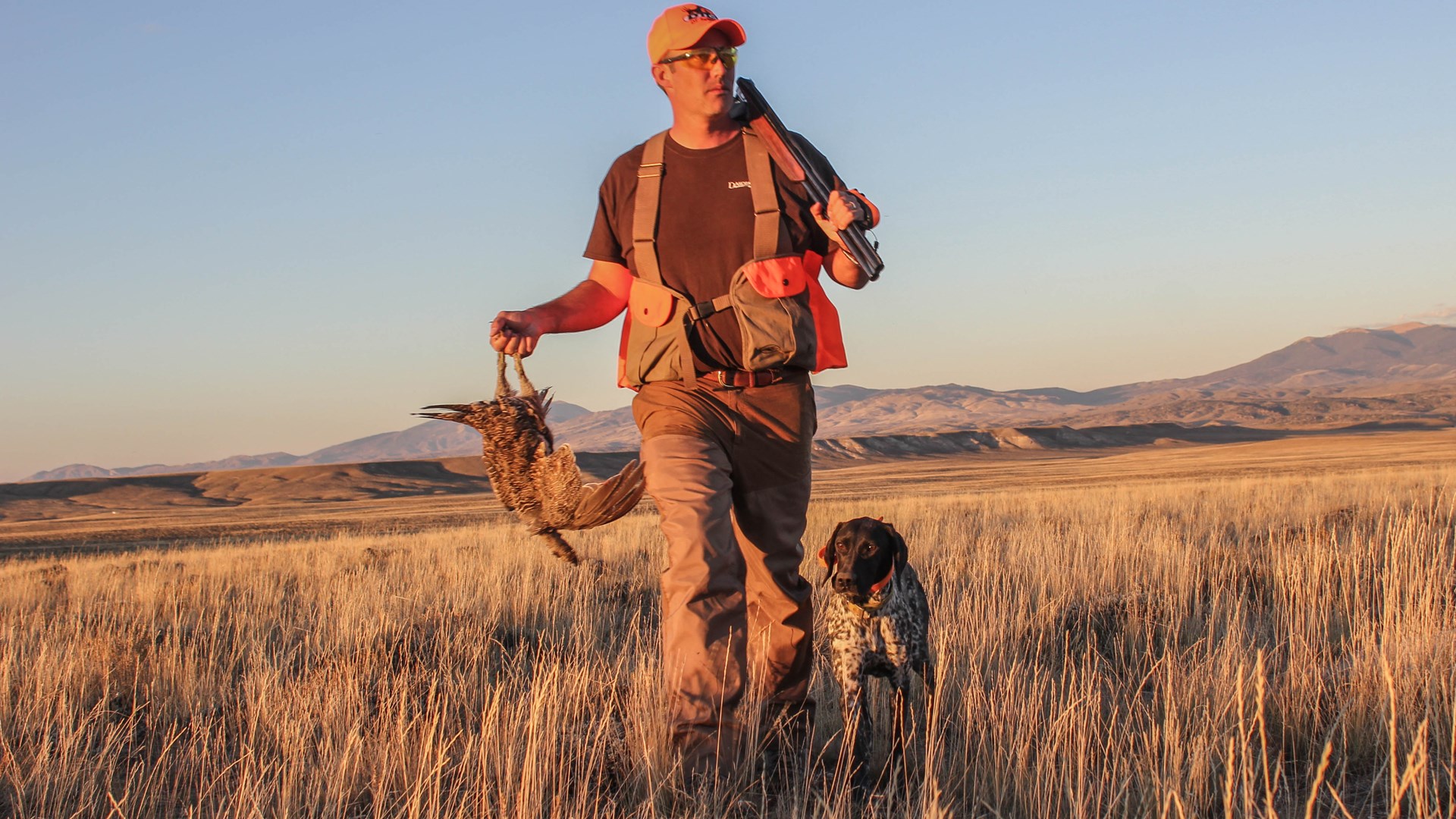
Good dogs increase your odds of success in the field, but bad dogs can turn the hunt into a chore. I once watched as a young dog with little training that blew most every pheasant from a CRP field one morning with a wild, uncontrolled run. Most dogs have the will to hunt, but the fine-tuning and training that leads to a successful partnership between hunter and dog takes some work. It’s worthwhile, though, and a well-trained dog will help you bag more birds.
Key 4: Lighten Up
One of the easiest ways to increase your odds of success as an upland hunter is to cover more ground each day. This requires conditioning, and the more you can walk in the off-season the better prepared you’ll be to hunt. Even seemingly minor considerations like being well hydrated play a role in the success or failure of a hunt.
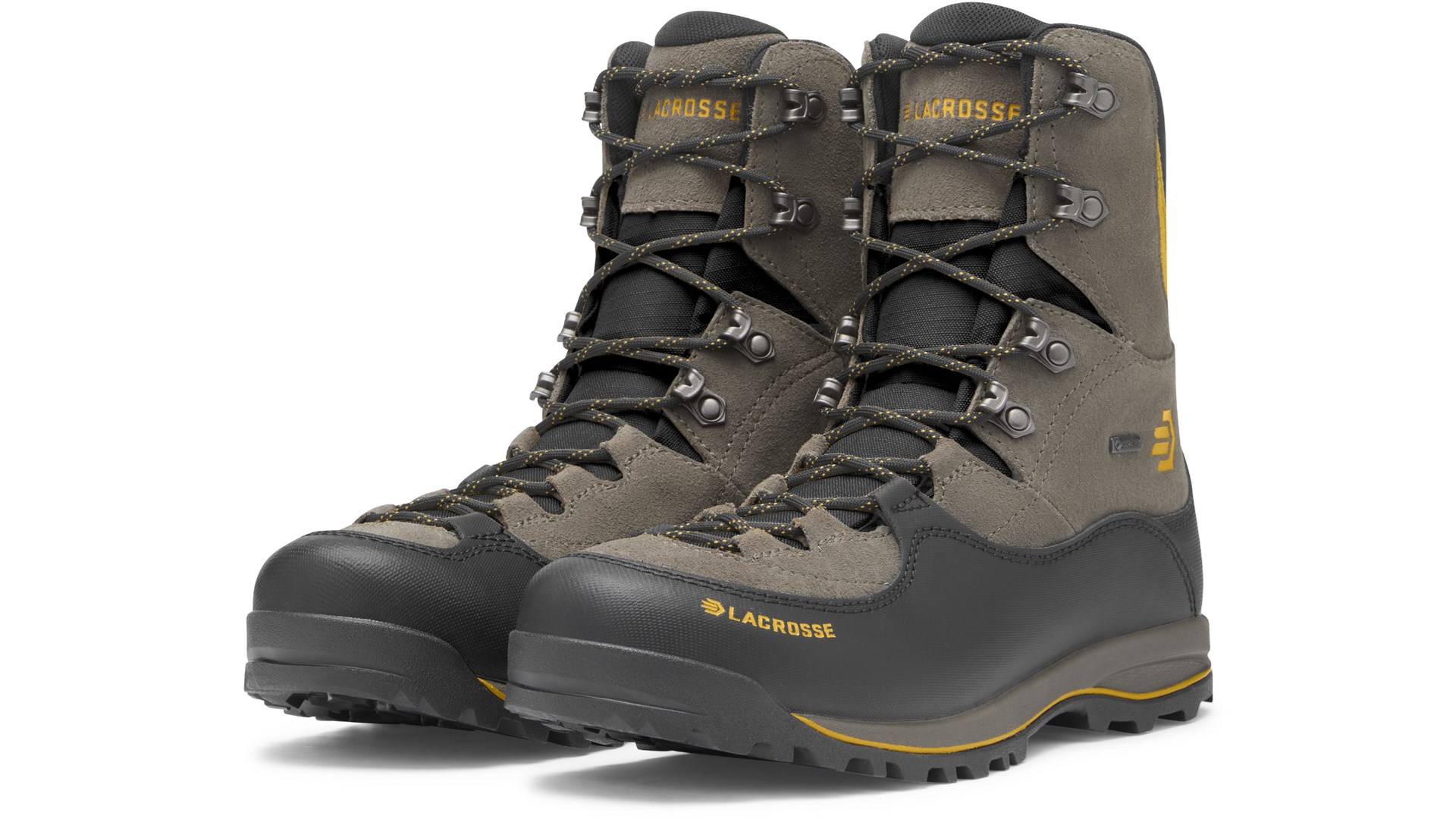
One of the easiest ways to improve your ability to cover ground is to lighten up your bird-hunting kit so you’re better able to hike greater distances. I’ve noticed that I’ve trimmed down my gear over the years and hunt with lighter equipment. That starts with boots. Early on I hunted in knee-high rubber boots, and while they kept my feet dry against the morning dew they were an extra and unnecessary burden. Also, you need to be certain that your boots are comfortable and durable. One blister on your heel or detached soles ruin a hunt and limit your odds of success. Solid, lightweight boot options include Crispi’s Upland Pro (1.5 lbs., $385) and Lacrosse’s Ursa ES GTX (2.5 lbs., $250).
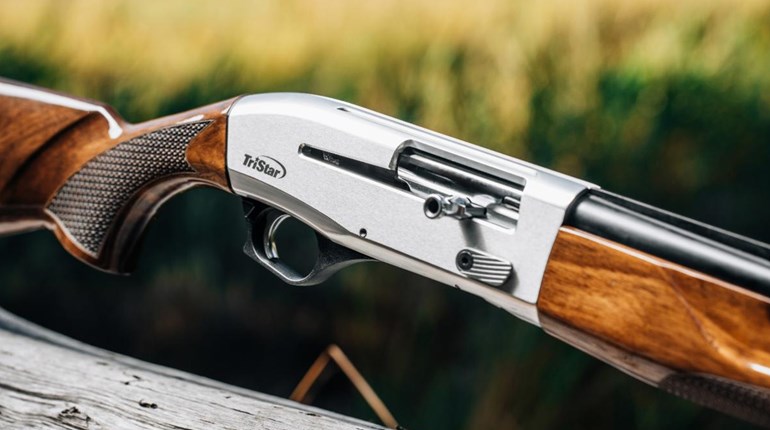
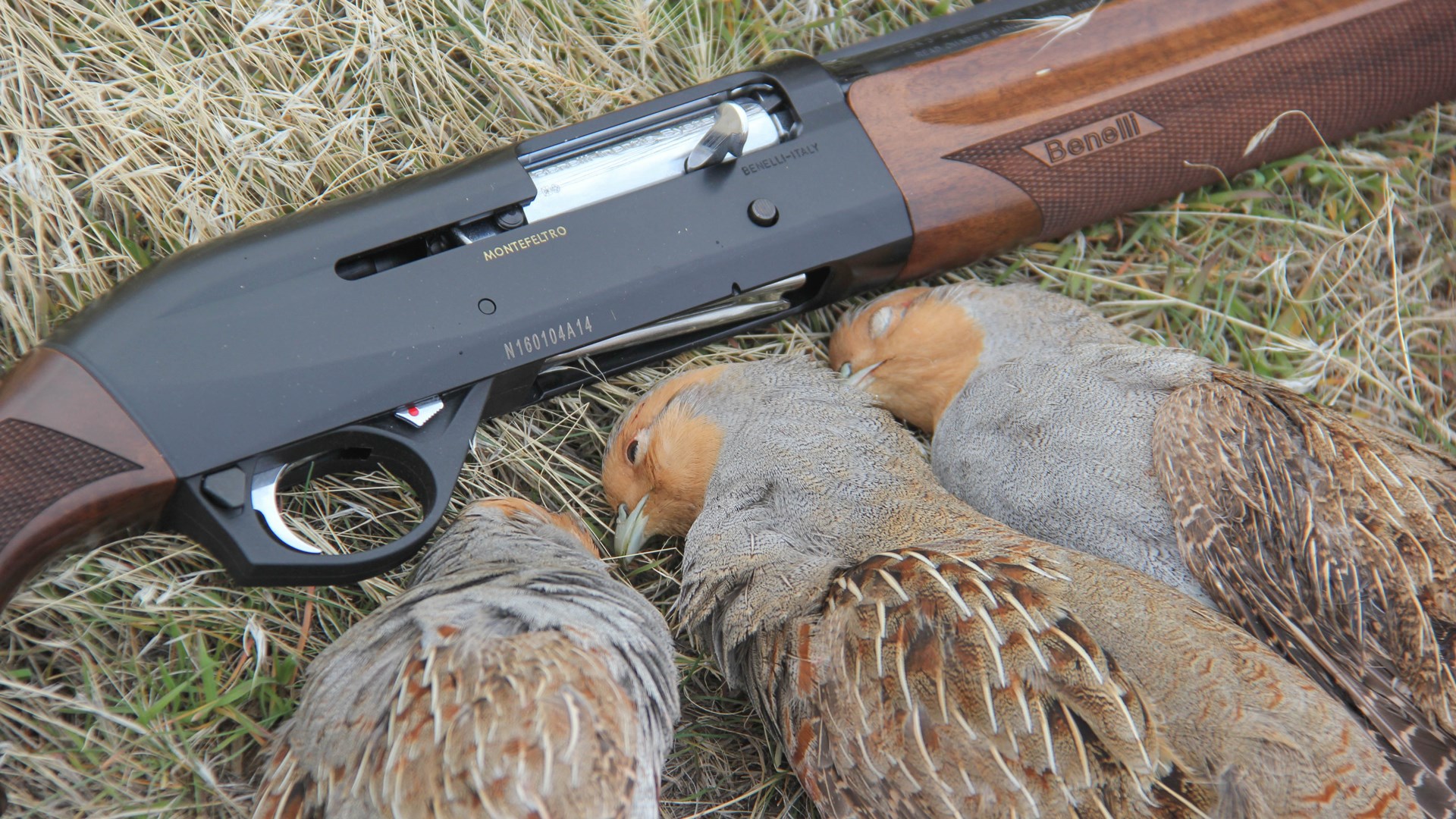
I’ve also ditched heavier guns in favor of lighter, easier-to-carry options. When I started upland hunting I carried the same over/under shotgun I used for sporting clays, but that gun had 30-inch barrels and weighed close to eight pounds. I’ve switched to a lighter, easier-to-carry 20-gauge autoloader that’s around six pounds. My favorites include Benelli’s superb Montefeltro 20-gauge (5.8 lbs., $1,699) and Browning’s new Auto-5 20-gauge (5.6 lbs., $2,099).

Like many upland hunters, I’ve switched to a light strap vest that’s easy to carry and offers ample space for shells, handhelds and other small items. Some offer a built-in water system that allows you to stay hydrated on long hunts, and these hydration systems are lighter and easier to carry than a couple water bottles stuffed in your game bag. My favorites include the KUIU Upland Field hunting Vest ($299) and Filson’s Mesh Game Bag Hunting Vest ($169). Both are light, rugged, and easy to carry.
Key 5: Make That Shot Count
There are few things more disheartening than hiking long distances before finally flushing a bird and then whiffing the shot. When hunting wild birds it’s not uncommon to walk miles and have only a few shots, so you need to make those opportunities count.
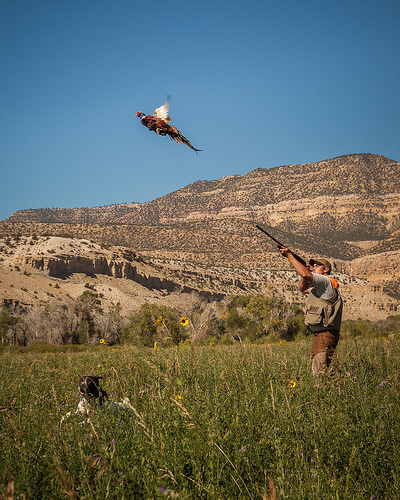
This starts with good shotgunning skills, and that means taking time to shoot at the range. Having an experienced shooter or trainer can help, but good shotgunning always requires learning the fundamentals and routine practice. I’m a fan of sporting clays because it adds a level of realism and varied shot presentations, but trap and skeet teach the fundamentals of shooting crossers and outgoing targets, both of which are valuable for shooters.
You also need to consider how you practice. Taking the time to mount your gun, draw a breath, and call for a target isn’t very realistic and doesn’t translate well to field shooting. Instead, practice from a low gun position and learn proper gun mount. What you’ll learn after some time is that you don’t need to rush even on fast shots. A smooth gun mount, a solid swing that continues after the shot and a good trigger press will increase your odds of hits, and with practice these motions become fluid and smooth and you suddenly won’t feel as rushed on the shot. Also focus on breaking one target at a time when you’re shooting doubles. This helps you zero in on a single bird and avoid the pitfall of ‘flock shooting.”
The other key to shotgunning success is to pattern your gun with the loads you’ll be using in the field. Not all shotguns shoot to point of aim with every load. Many are high or low, and this is important information when you’re drawing a bead on a hard-flying bird.
These five tips will help you maximize your time in the field and be a better upland hunter. Some require off-season work and training, but the results will be worthwhile when you’re walking out of the field with a heavy game bag.