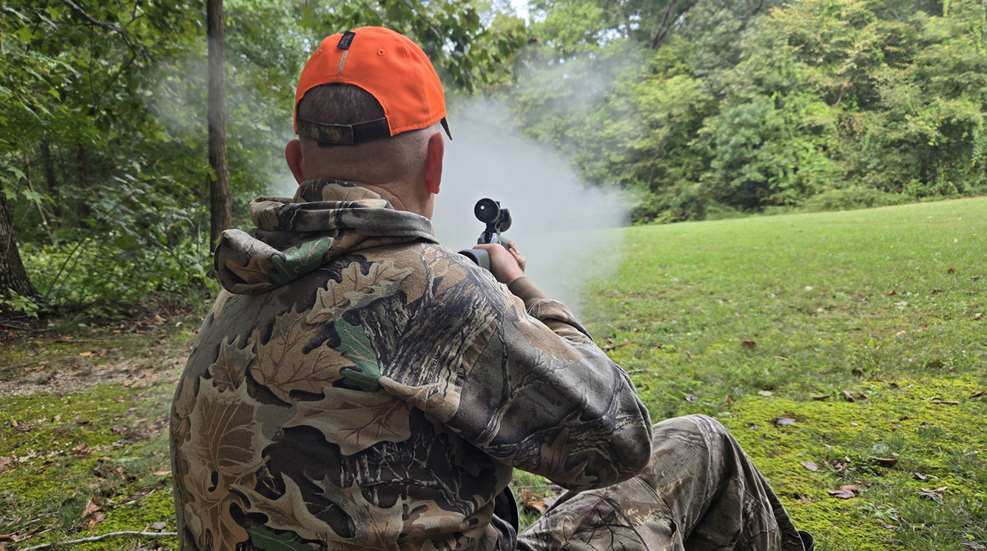
Muzzleloader season is my favorite time to be in the deer woods. In my area of the country, the rut is on and deer are moving. Leaves are an array of gorgeous blends of yellow, orange, red and streaks of remaining defiant green. There is excitement in the air for the bucks chasing a doe to breed and for hunters hoping to put a round downrange and venison on the tailgate. But before we can get to that loaded tailgate, we have to avoid some muzzleloader mishaps.
Fouled Rifle
No matter how often we hear it and no matter how much we know it, sooner or later we will get bitten by a fouled rifle. This is not just the barrel, but it certainly can be the barrel that causes issues.
Be sure your barrel is not overly fouled. An overly fouled barrel becomes inaccurate. It is ok and even preferred to have a bit of fouling and run a clean patch after each shot, but after five or six shots the barrel really should be cleaned thoroughly and dried before being reloaded.
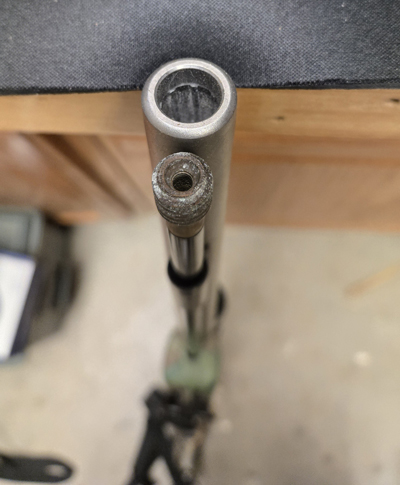
Fouled or rusted firing pins can bite you too! The first time I made this mistake it cost me a small meat buck. The six pointer came right under my stand, stood there eating acorns and I already had him on the skinning rack in my head. Imagine my surprise when I pulled the trigger and even the primer would not go off! I changed out primers and the buck stood there and went back to eating. This happened three more times that evening before the buck got nervous and eased off. When I got home, I realized the firing pin area was stuck from fouling, and I had to scrub it hard with a wire brush while holding the trigger back and pushing the pin out to get it cleaned properly. I never made that mistake again. The firing pin could not even strike my primer!
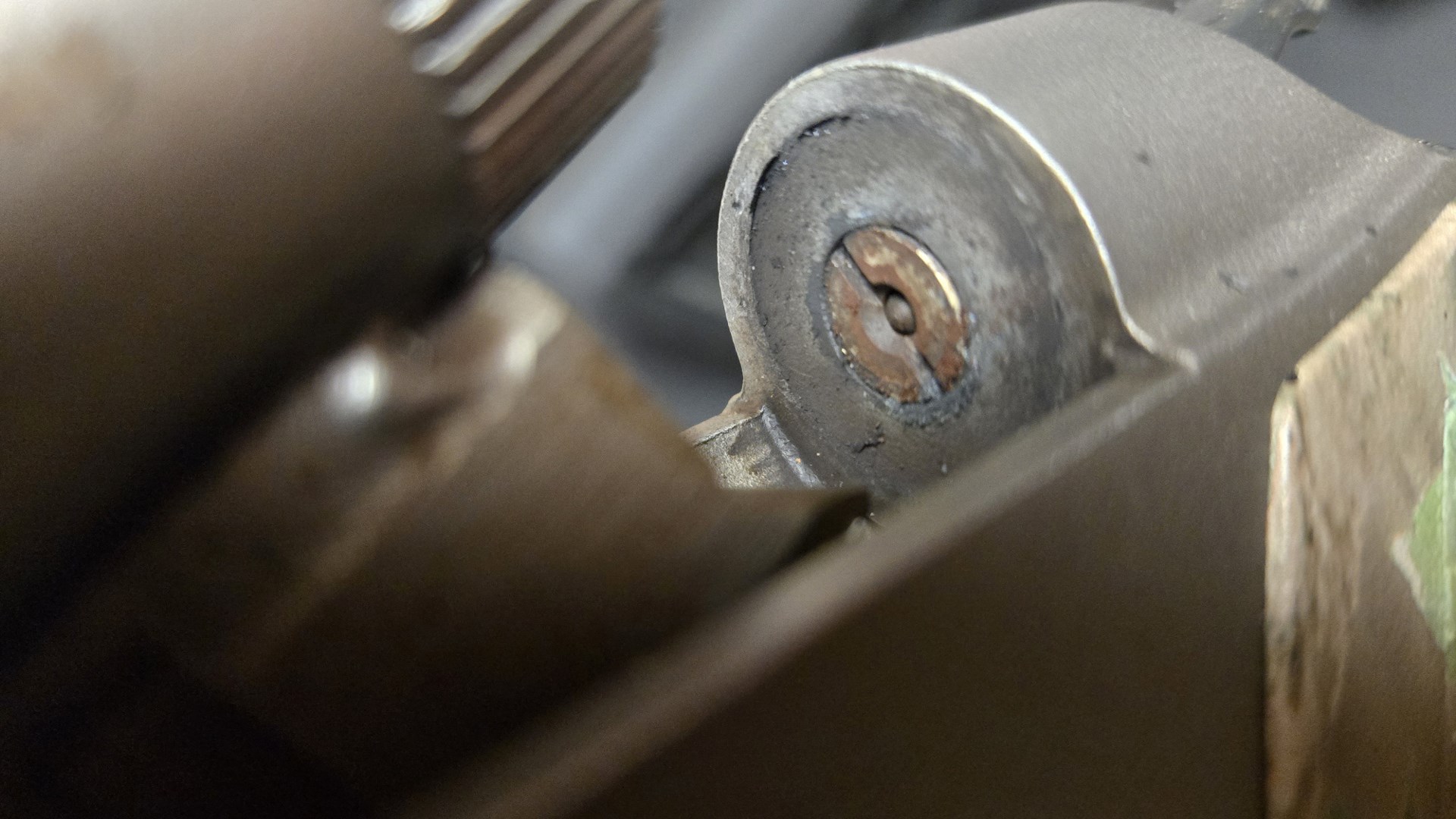
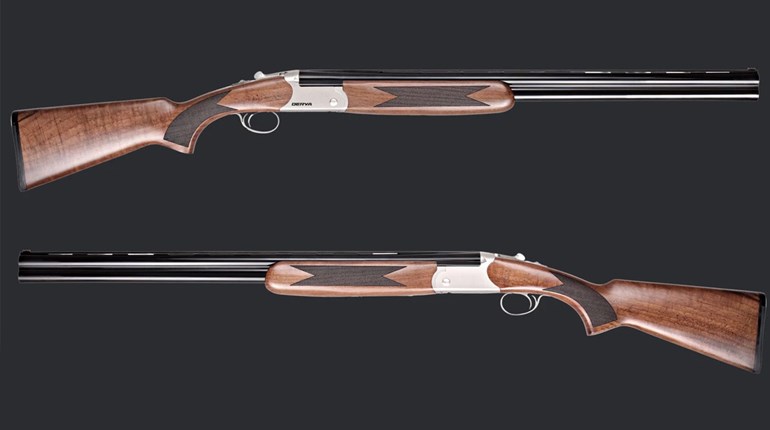
Another time I used my rifle to take three deer within a week, but did not yet clean it. The last hunt was a damp, rainy hunt. When I used the rifle again the next morning, I managed to drop a doe right in front of me, and I reloaded just in time for a buck to come down the ridge following the doe’s scent. I tried to carefully close the break action so I could drop him too, but the rifle would not close. Later inspection showed me that there was caked fouling in the breech area that prevented it from closing unless I slammed it shut hard, which would have scared the deer. Had I taken the time to give it a cleaning after I processed the deer the night before, I likely would have been busy processing two deer instead of one the next day. Being too tired after processing and taking the risk not to clean my rifle cost me a nice buck.
A fouled breech plug can be disastrous too. Do not overlook thoroughly cleaning out your breech plug. I make a point to scrub the exterior of mine until it shines, and then I spray solvent through it, run hot water through it and spray more solvent. For a particularly fouled plug I let it soak in a cap full of solvent for a half hour. Make sure the plug is completely dry before reinstalling. A plug with liquid in it will ruin your hunt too!
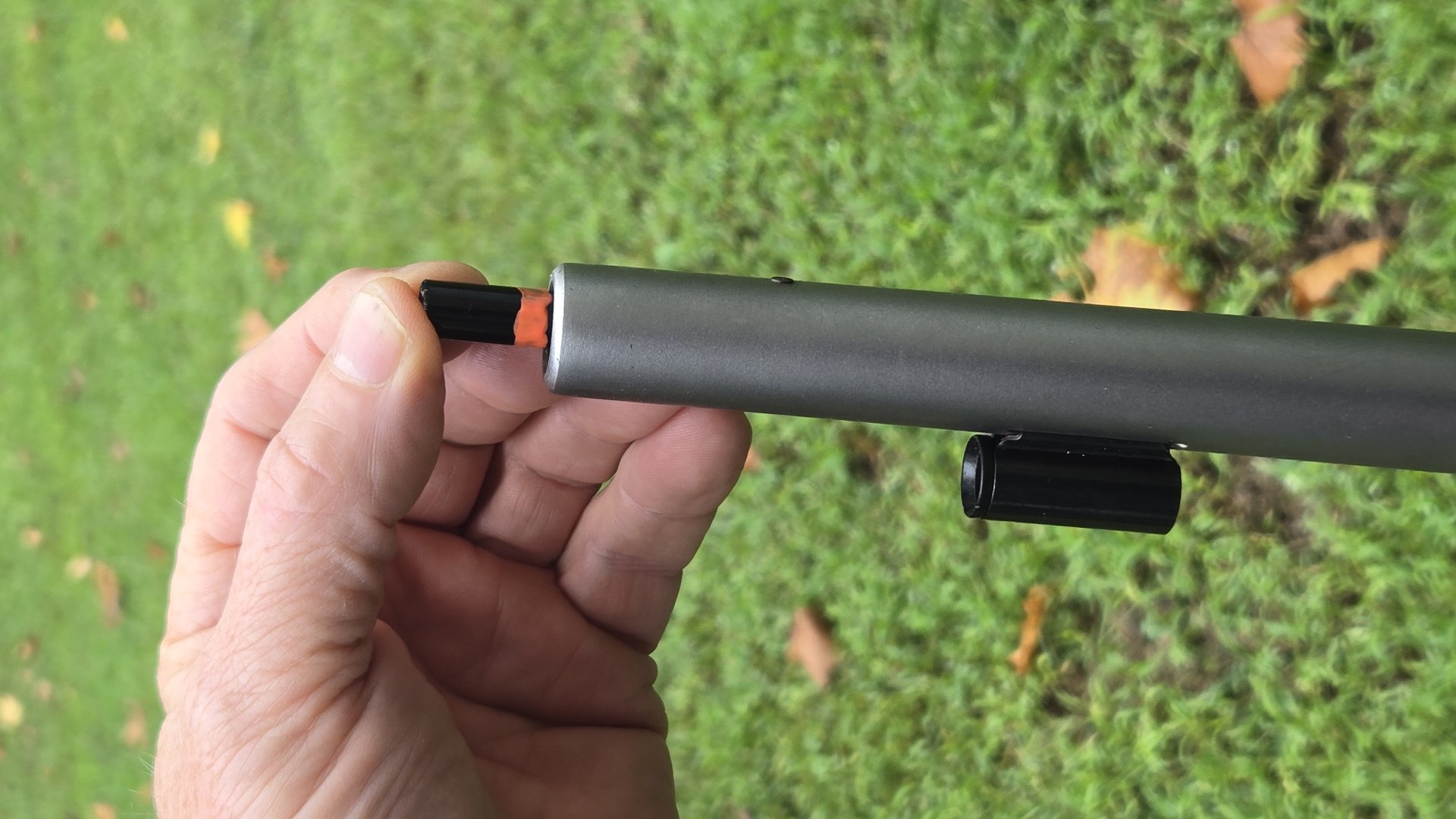 Mark your ramrod to help prevent double loads.
Double Load
In all my chats with fellow muzzleloader hunters, the topic of a double loaded rifle inevitably comes up. Thankfully, no one I have encountered has paid the price physically or medically for this mistake, but it can be a dangerous mishap. Some of us leave the smokepole with a charge of powder in it and a bullet in it after the season ends as we hurry to start firearms season for deer or move on to another game animal such as waterfowl. Our intent may be to fire off that last round after the season, or use it on a coyote or groundhog (my excuse) later on. While leaving a charge and a bullet in the rifle for a few months (without a primer of course!) won’t cause any issues per se other than some possible corrosion that we could have avoided, the problem is when the next fall rolls around and the rifle is not checked. Sometimes hunters figure their rifle was “on target” last season so there is no need to check it again, they get ready to go hunting, do not pay close attention to the process, and load another charge and bullet on top of last year’s load. UGH! Marking your ramrod where it is fully loaded with ONE charge is a great idea, and helps avoid this possibly dangerous scenario. Please check your rifle BEFORE loading it and give it a cleaning too!
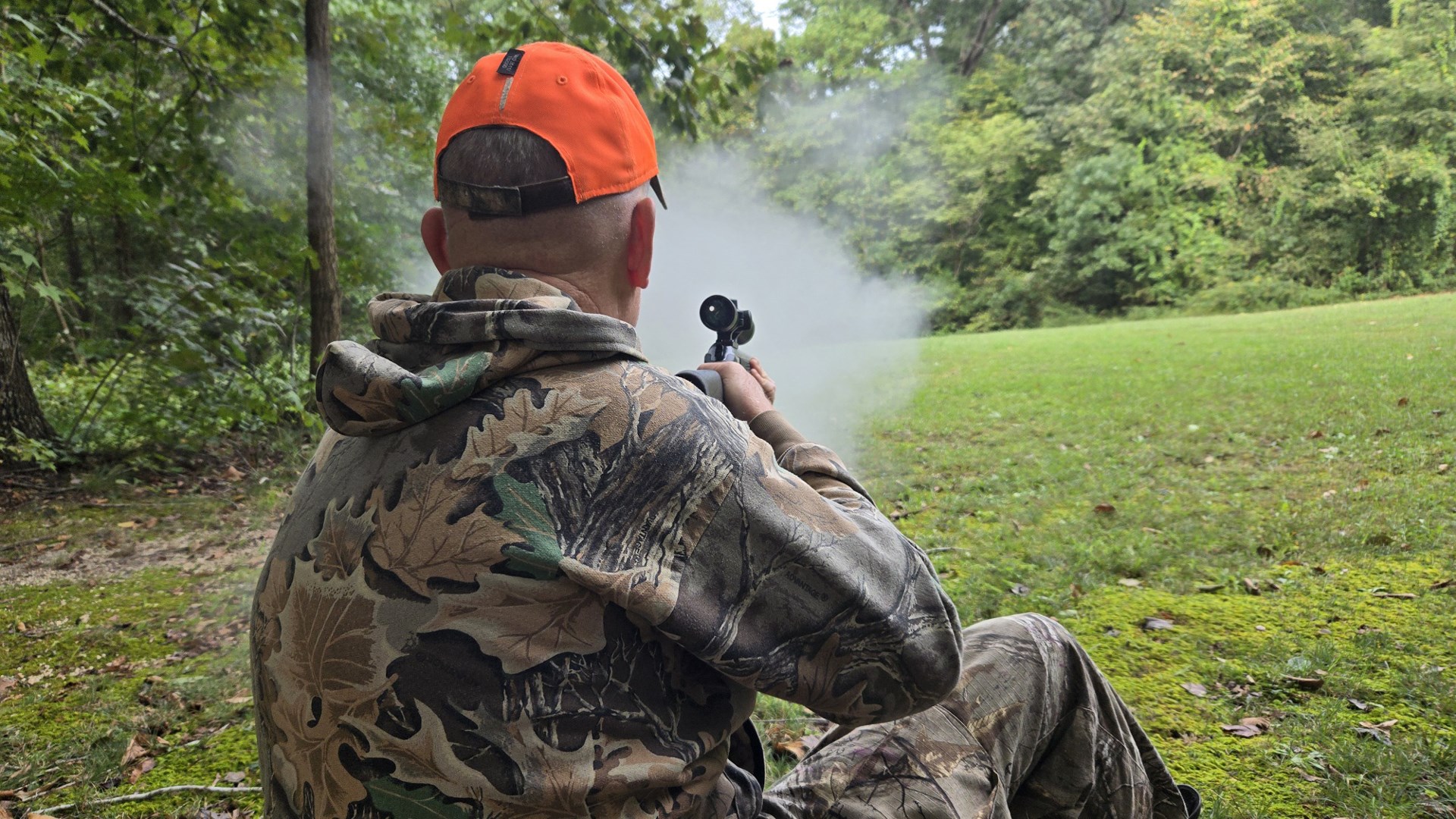
Trying to See Around the Smoke
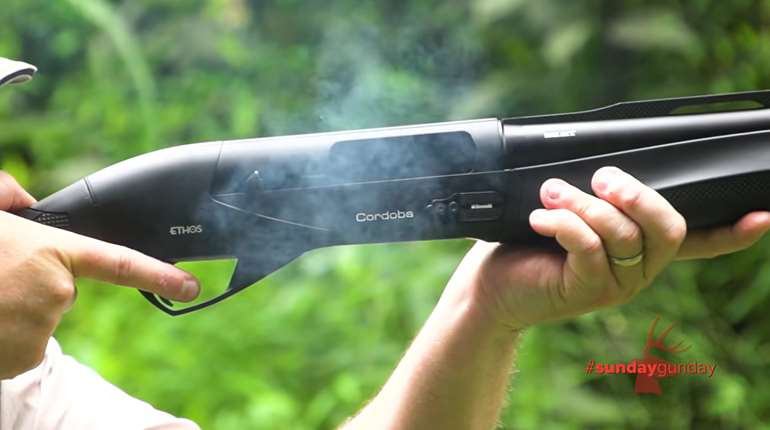
I have been guilty of this. A nice deer enters the field or shooting lane and we peer through the sights, flip the safety off, take up the slack in the trigger and let it rip. BOOM! In our haste to see if the deer goes down, we yank our face off the stock prematurely and try to see around the smoke we know will be there. Bad idea! Take your time to follow through and know you hit the deer with confidence. There is no amount of speed that will let us see around the smoke by not following through, and all that will happen is we will miss the shot. Muzzleloader bullets are relatively slow compared to modern-day rifles, and even with modern day rifles, pulling your face off the stock as you trip the trigger will result in missed shots. Instead, practice shooting a bit and be patient when you press the trigger.
This season, as you ready for using the smokepole, review these mishaps so you have a safe and successful hunt and harvest.