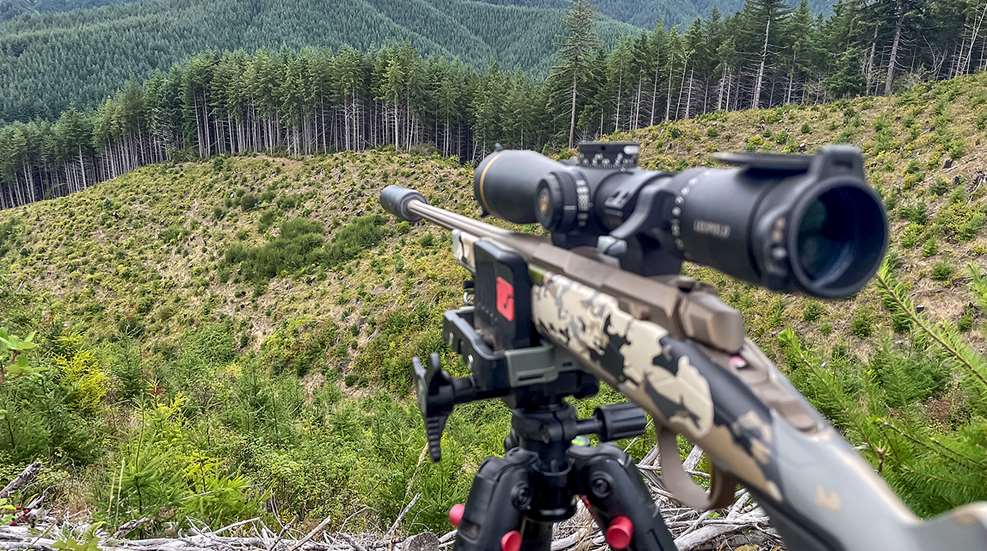
Every generation has a story starting with, “I remember the good old days.” Elk hunters have a similar dialogue and although elk numbers are at some of their highest in modern history, public-land hunting still represents a sea of challenges. With decades of elk hunting in my rearview and an ongoing education, a few lessons I’ve learned from elk hunting may aid you in your public-land elk pursuits. Every situation differs as does the elk that inhabit an area. Nevertheless, taking into consideration the following could maybe improve your odds the next time you scramble to put an elk game plan together as the circumstances unveil a series of overwhelming challenges.
Test the Calling Waters
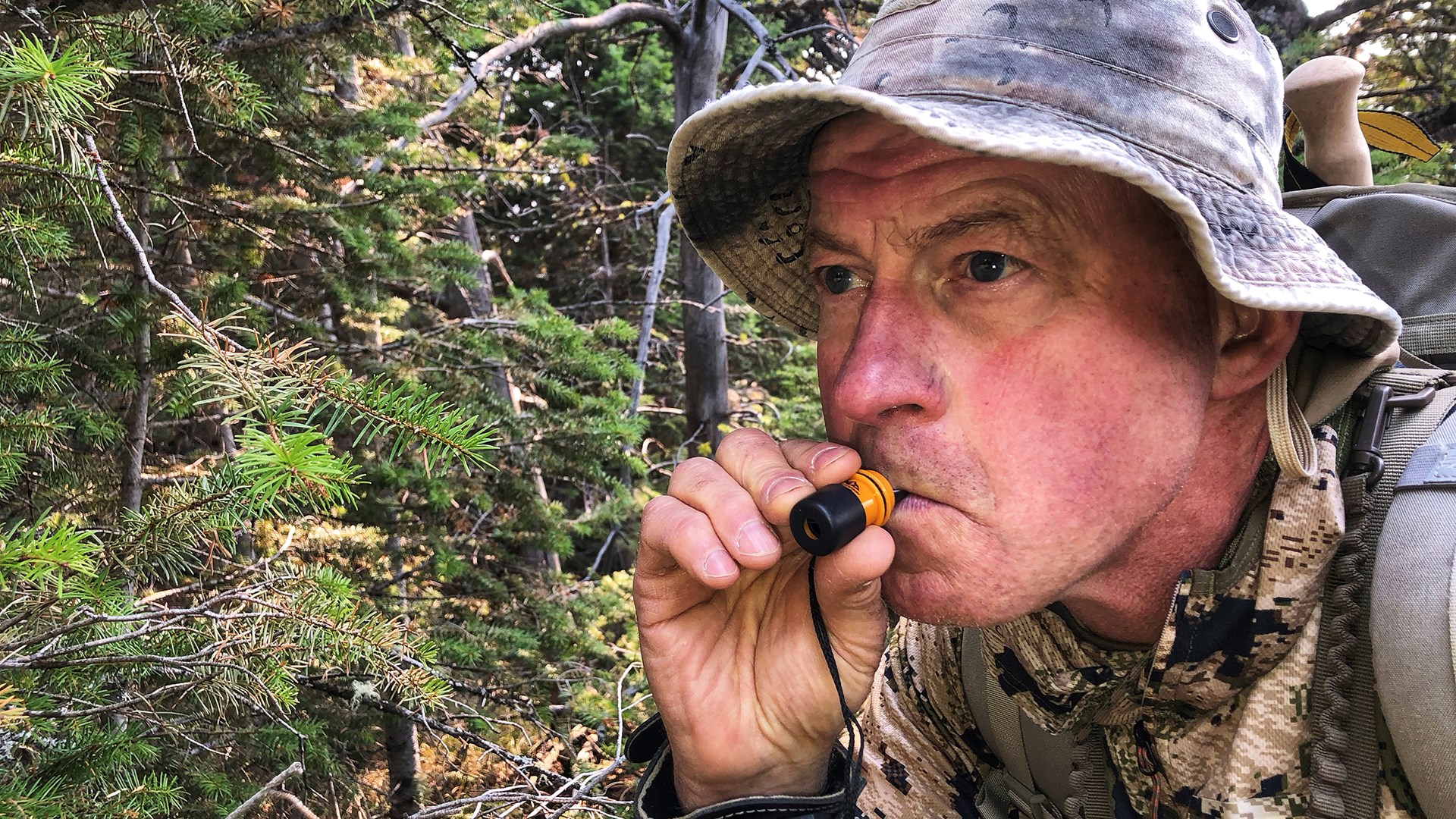
Who does not love to call elk? Having a bull charge your position as you bugle back ranks as one of hunting’s most adrenaline-inducing experiences. Public-land elk may not charge you the way they do on the famous Vermejo Park Ranch in New Mexico where hunting is managed more tightly than the gold supply at Fort Knox. So, when you hear a bull sound off on public land, evaluate it to first see if “the elk” might be another hunter, then test the waters.
If a test bugle or cow call message goes unanswered, odds increase it is an elk that has experienced tremendous calling pressure. It does not necessarily mean it will not show up, but to increase your odds, follow these steps. First, confirm the direction the elk are moving. That is often easily determined in steep country. They tend to go up. Next, try to circumnavigate the herd and position yourself where the elk want to go. If I know the pattern beforehand, I hustle to those sanctuary locations in the predawn to be waiting for elk arriving later that morning. Finally, begin with tempered calling. Subtle often works better than belligerent. Increase the tempo only if the elk ramp up the conversation.
One recent experience stands out as an example of how pressured elk react to haphazard calling. I was situated above a herd at daybreak, and the bull and I exchanged pleasantries as it moved up the mountain. Unbeknownst to me, a group of hunters heard the elk from a trail below and hustled behind them, calling nearly nonstop. The elk smelled a rat, clamped up, and I was nearly run over by the elk in their haste to spring up and over the mountain. Test the waters and be where the elk want to be for calling success.
Find the Refuge Migration Routes
A change I have witnessed over the past decade is the transition of elk from spending more time high in public-land mountain settings to now literally running to private refuges. The example I noted previously, the Vermejo Park Ranch, is a prime example. Large ranch estates across elk country are being purchased, expanded and exclusively managed to minimize pressure on wildlife living there, including elk. Although elk have passed down migratory patterns over centuries, until Europeans invaded North America those migration routes stood strong. Today, some have been transitioning from seasonal travel patterns to elk seeking refuge, and many sprawling private estates offer those escapes. My scouting now includes finding any possible private holdings elk may be using in a sprint to escape the hordes of public land hunters.
Although your scouting and wildlife agency data may reveal elk actively using a hunting area in the offseason, new GPS data suggest elk understand that a season is about to open and pack their bags when a private refuge exists nearby, likely at a lower elevation. I’ve witnessed it in real time in my home state of Wyoming and in Montana. Elk sense the increase hum of camp setup and scouting in the hours before the opener and oftentimes assemble in masses for a nonseasonal migration to a nearby, off-limits ranch.
I’ve been fooled more than once by stumbling into dozens of elk screaming at each other in a chaotic relocation. I thought I landed in a fantasy hunting realm. Two days later, after the masses passed, most locations were quieter than a mountain monastery. On several occasions I held out for up to a week before eating tag soup. Understand how elk use public land, where they stay during hunting season and where may they end up for any ambush opportunities.
Be Ready for the Masses
Although herd bulls prefer not to share their female compatriots, hunting pressure, herds massing on private lands and geography could cause several small herds to gather into a sizable accumulation of elk. Those large herds challenge hunters with hundreds of eyes guarding their perimeter. Another byproduct of elk massing is their penchant for using open country as security. Last fall I joined my nephew on a limited-draw elk hunt in Wyoming where the unit included a large swath of private ground, primarily open country. The elk found it, likely years prior. Regardless, every afternoon more than a hundred elk would assemble on the open slopes. Be ready.
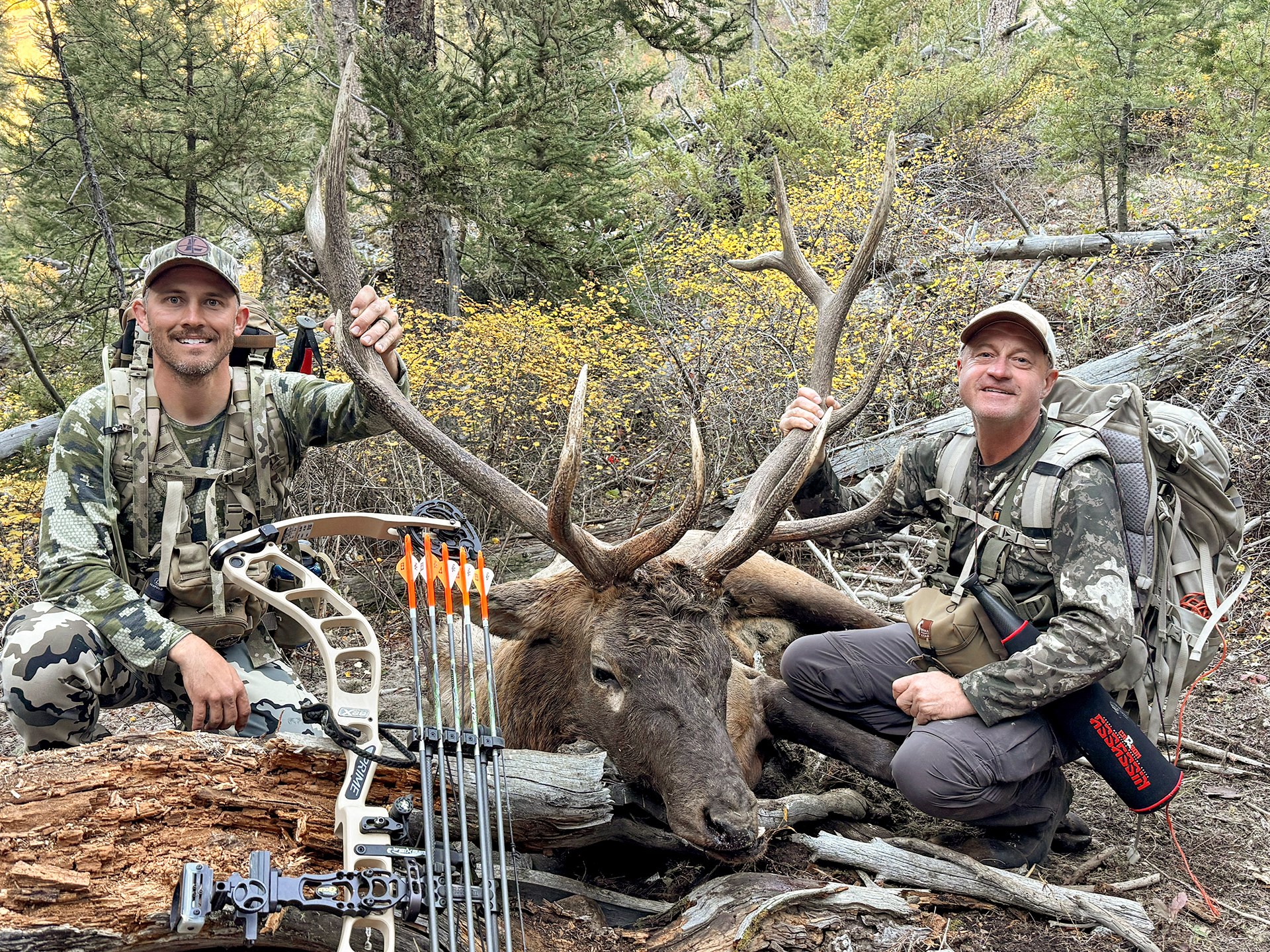
Your only hope is to use your hunting app (huntstand.com) and hunt the fringes. In my nephew’s case the elk would spend some of their day under the thermal cover of lodgepoles found primarily on public land. Under the cover of timber, elk would scatter into occasional separate harems and wander. He eventually slipped up on a herd bull bullying his cows from the pines to more open country on the nearby private boundary. It took nearly two weeks of patience for the stars to align but it did result in a mature bull trophy.
A creative ambush strategy could also benefit your assault on a herd of dozens of elk. A hunting buddy and I crafted a plan to use timbered public land for a concealed hike to a narrow canyon the elk used to access a privately owned series of hayfields. Hunting apps aided in mapping out the strategy with elk support by staying in a noticeable travel pattern. He filled his tag with a straggling, lackadaisical herd moving between the public and private one September evening with the perfectly played plan.
Close Your Eyes, Jump and Avoid the Trendy Locations
When you travel through most hunting units you quickly determine the trendy locations. Campers and tents form small communities and popular public-land trails hum with the activity of payment-plan offroad vehicles. Avoid these areas as the elk will be avoiding them as well.
You may need to pass through them on your way to jump-off points to trails of less desirability but the farther you can separate yourself from hustle the better, especially if the elk do not have a nearby ranch estate for escape. These locations may be miles from the hunting bustle or within eyesight of your starting point.
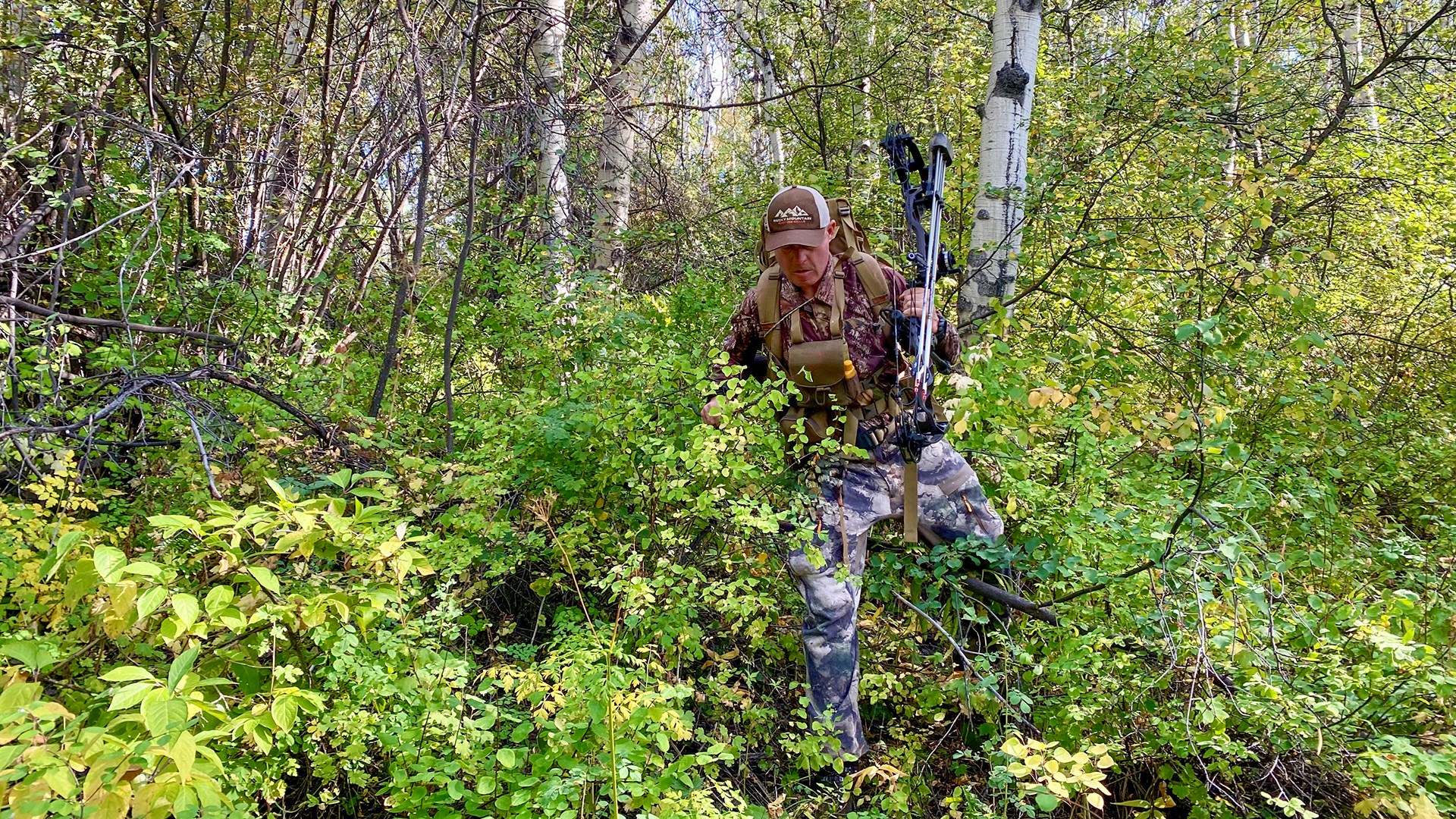
One location I hunt I can see my parked ATV from where the elk hunting is best. To get there though requires you to close your eyes and jump. Access includes a near-vertical descent down a rocky, oftentimes muddy trail of nearly 1,000 feet and then back up the opposite side of the canyon. Another smaller, yet equally challenging canyon serves as a further deterrence to the out-of-shape crowd. I also hunt several areas that require you to hike nearly 2 miles to reach elk through rough alpine terrain. Out of these two, the vertical challenges dissuade more hunters than the miles, but I rarely have hunting company in either location. Get away to get the elk.
I enjoy reading about the good old elk days like those hunts penned from the popular hunting author Jack O’Connor. Nevertheless, with intensive planning and some grit, the good old days can start this coming elk season.
* For more tactics and adventure, join Mark on Instagram @kaysermark and Facebook @markkayseroutdoors.