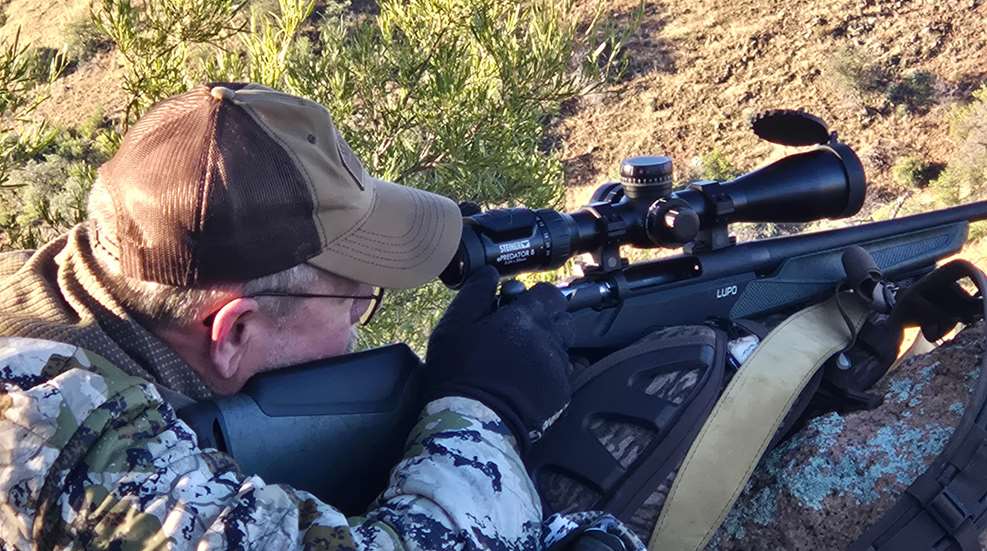
Smart optics are changing the way hunters and shooters approach distance, accuracy and confidence in the field. Rangefinding riflescopes, dial-up turrets and integrated ballistic systems are no longer gimmicks. They work, but only if you take the time to understand them and use them to their full potential. That learning curve is part of the investment, and the quickest way to shorten it is with time on the range.
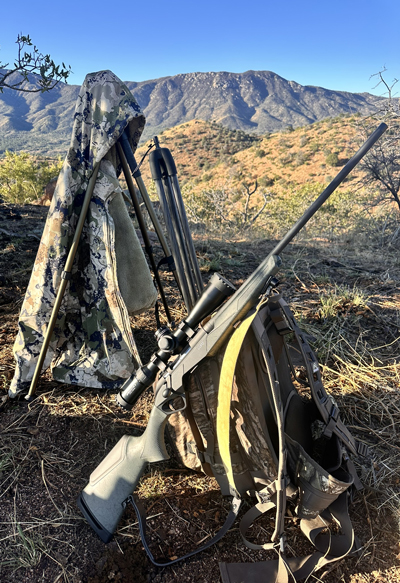
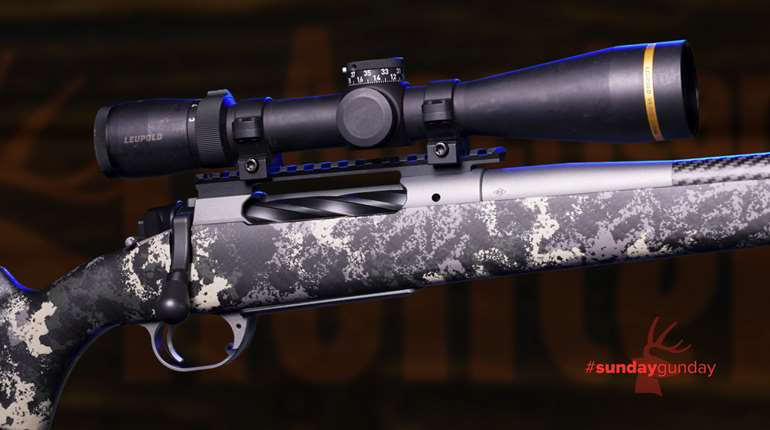
I got a firsthand look at what modern optics can do during a Coues deer hunt in Mexico. The country was big and open, with deer that rarely give you a close look. It was the perfect place to put a smart optic to work and see if it could live up to expectations. I mounted a Steiner Predator 8 riflescope on a Benelli Lupo rifle chambered in 7mm PRC and headed to the range before the hunt to get familiar with the setup.
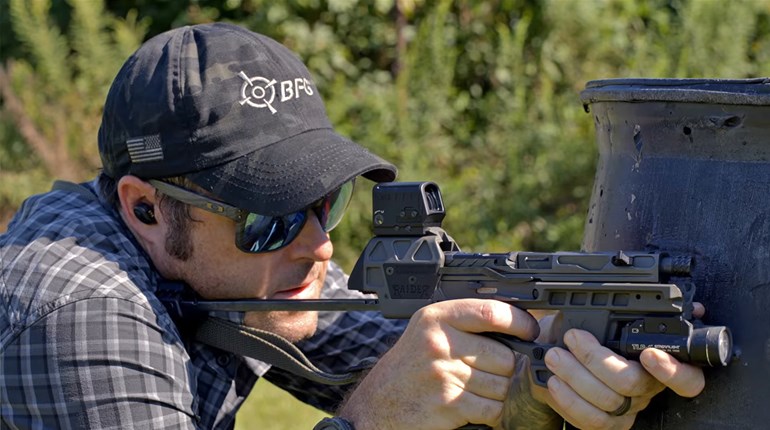
It did not take long to see what the system was capable of. At 100 yards, the rifle was stacking bullets so tight they were touching. That kind of confidence at a known distance makes it easier to trust what comes next. We stretched things out to 425 yards to see how the scope handled adjustments. Parallax was dialed, focus sharpened and the magnification turned up to get a clear look at the target. I dialed the turret to see 420 yards in the heads-up display, settled in and broke the shot. The bullet hit less than an inch from the bull’s-eye.
We repeated the process and got the same result. That consistency is what matters. It is one thing to make a shot once, it is another to do it over and over again. The range session proved the optic and rifle combination could deliver. More importantly, it showed how dialing the turret to match the exact distance removed guesswork.
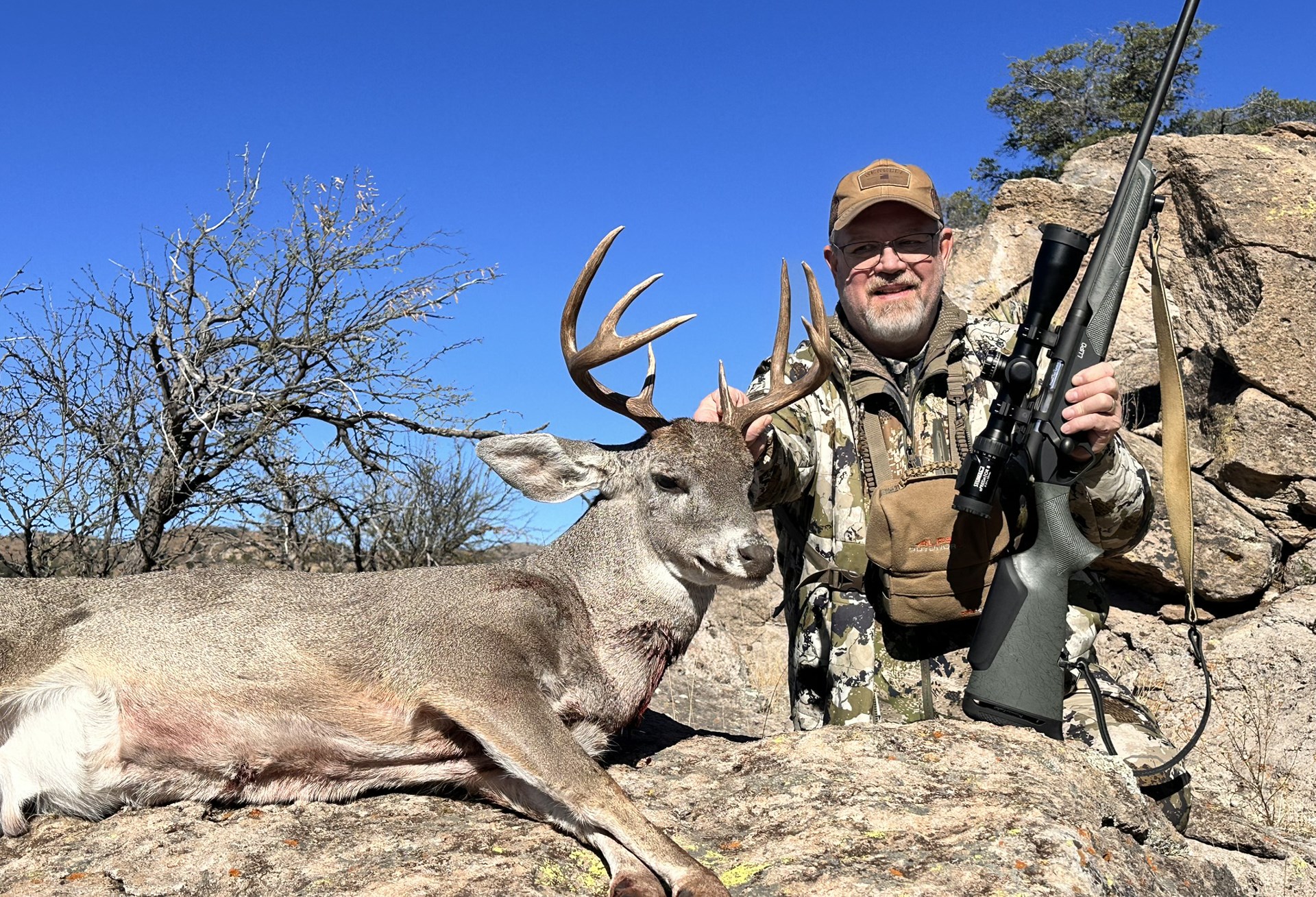
That lesson carried over into the hunt. When the opportunity came on a Coues deer at over 530 yards, there was no rush. Time was taken to build a solid rest, confirm the range and dial the riflescope precisely. The shot broke clean and the deer dropped. That kind of performance comes from preparation and from understanding how to use the optic, not just owning it.
There are different ways manufacturers are approaching smart optics, and Burris has pushed the category forward in a big way. I have spent time with their latest systems, and they highlight how technology can simplify long-range shooting when it is set up properly.
The Burris Eliminator 6 is a true rangefinding riflescope. It combines a laser rangefinder with a ballistic calculator and displays an aiming point right in the reticle. My hunting partner Jordan Egli showed up to camp with one mounted on his Tikka 6.5 Creedmoor, fresh out of the box. Instead of guessing or heading straight to the trigger, he took a couple of minutes to input his ammunition data into the BurrisConnect app and upload it to the scope. We did the same with the Steiner scope in Mexico, using the SteinerConnect 2.0 app.
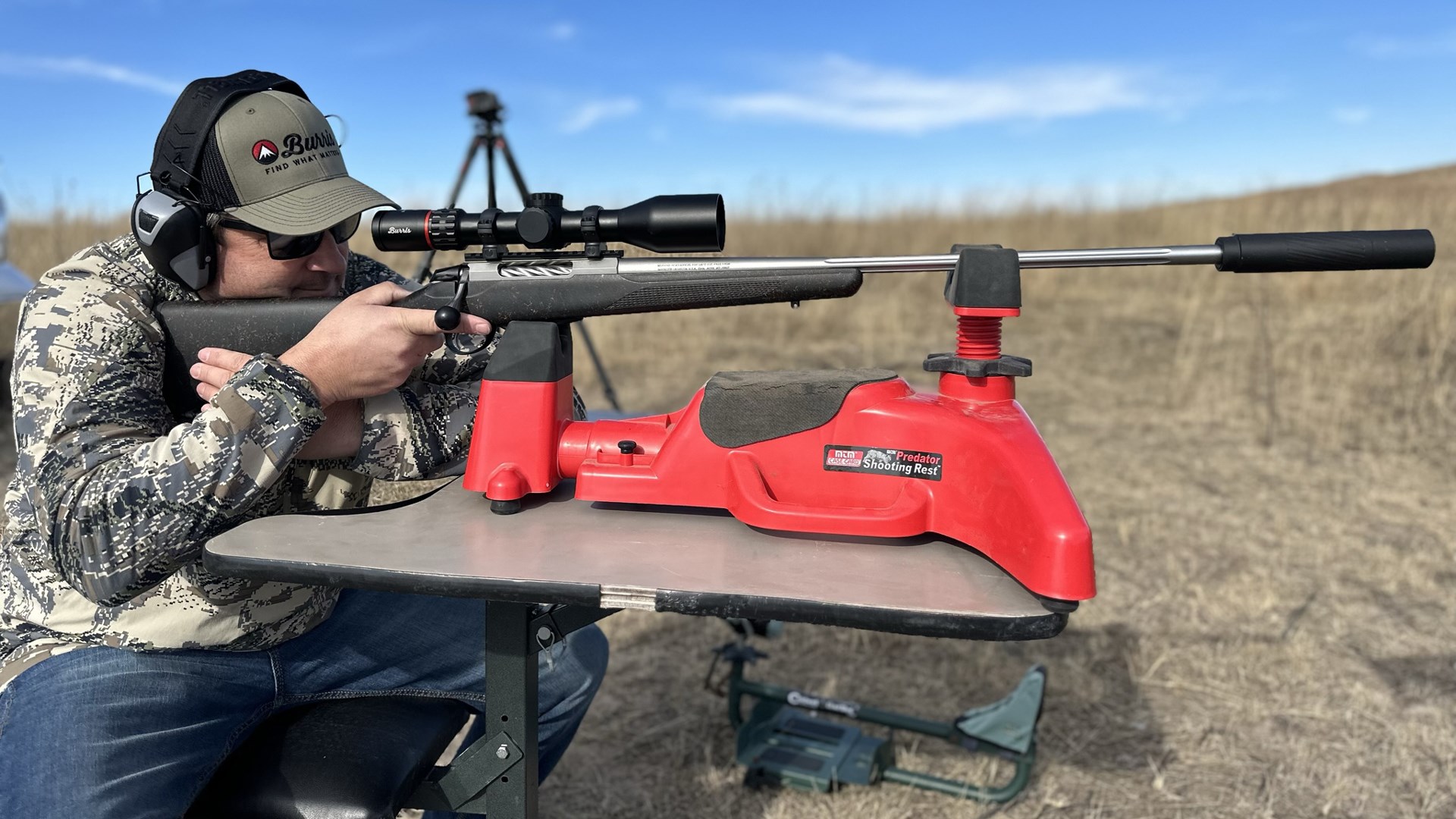
Once the rifle was zeroed at 100 yards, the system took over. At 200 and 300 yards, the rangefinder was activated, an aiming point appeared, and bullets landed exactly where they should. There were no dope charts, no dialing turrets and no guessing holdover. Everything was calculated and displayed in real time, including environmental conditions like temperature and pressure.
The Eliminator 6 is built around that idea of direct hold. You range the target, place the illuminated aiming point and shoot. It handles the math behind the scenes. With onboard sensors calculating density altitude and a ballistic profile tailored to your rifle, it takes what used to be a complicated process and makes it immediate.
The Burris Veracity PH takes a different approach but is just as effective. Instead of ranging for you, it works with the BurrisConnect app and a programmable elevation turret system. Once your rifle and ammunition data are uploaded, the scope provides a heads-up display that tells you exactly what distance your turret setting corresponds to.
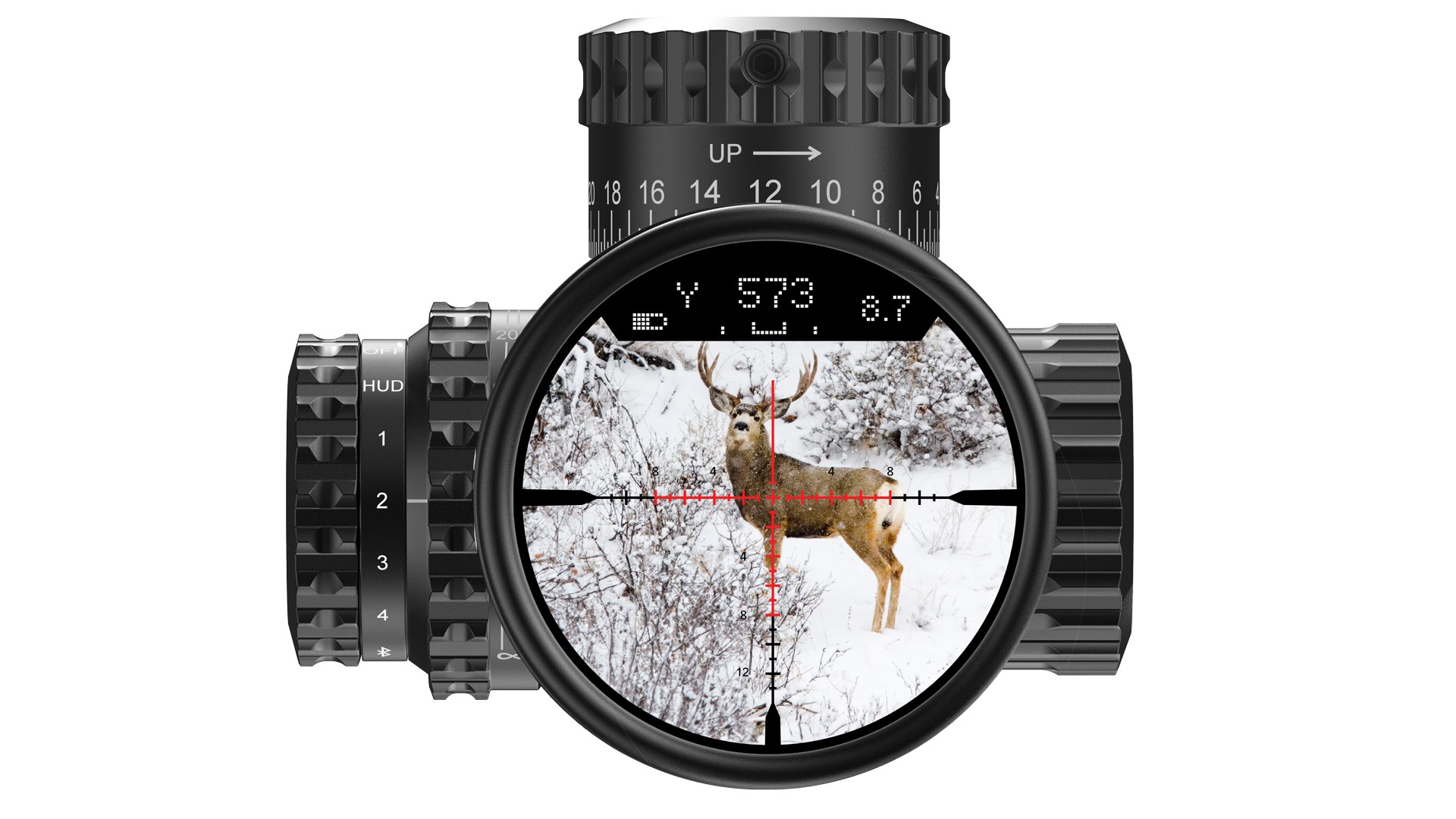
If a deer is ranged at 300 yards, you simply dial the turret until the display reads 300. The reticle is now set for that exact distance. There are no MOA or Mil calculations to worry about. It is a clean system that bridges traditional dialing with modern technology.
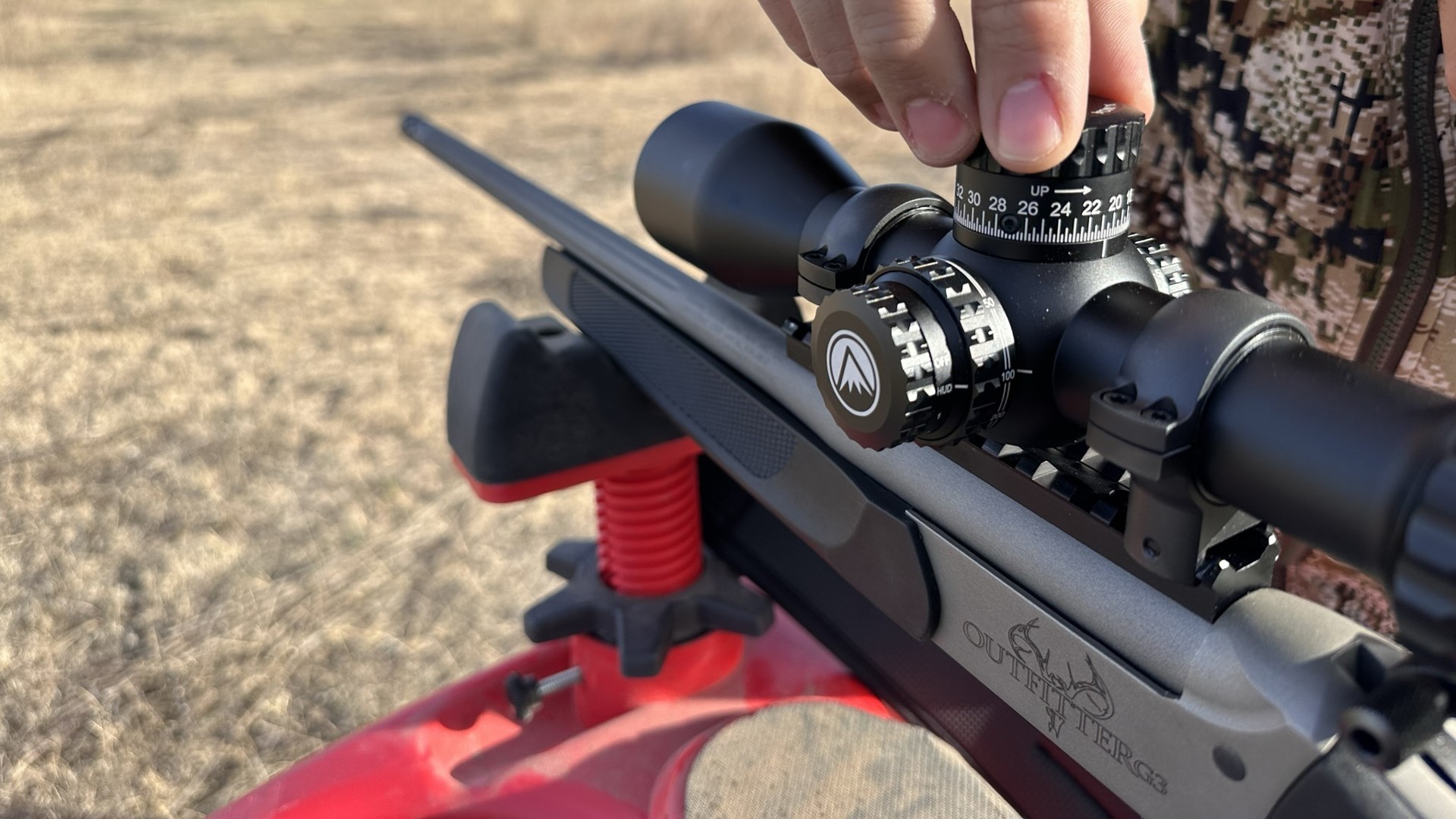
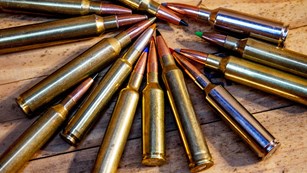
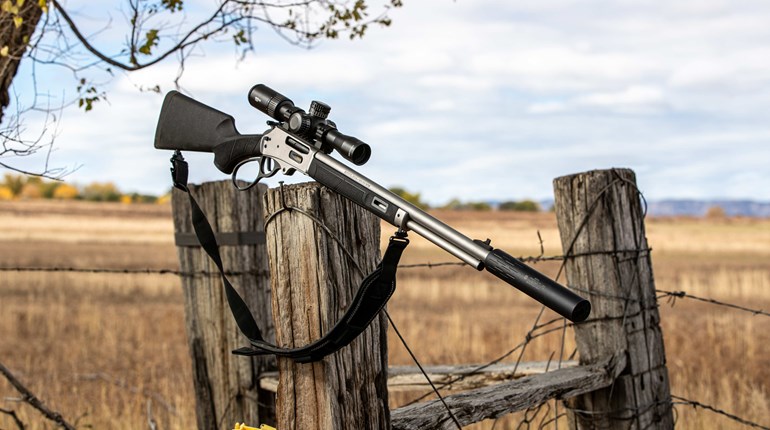
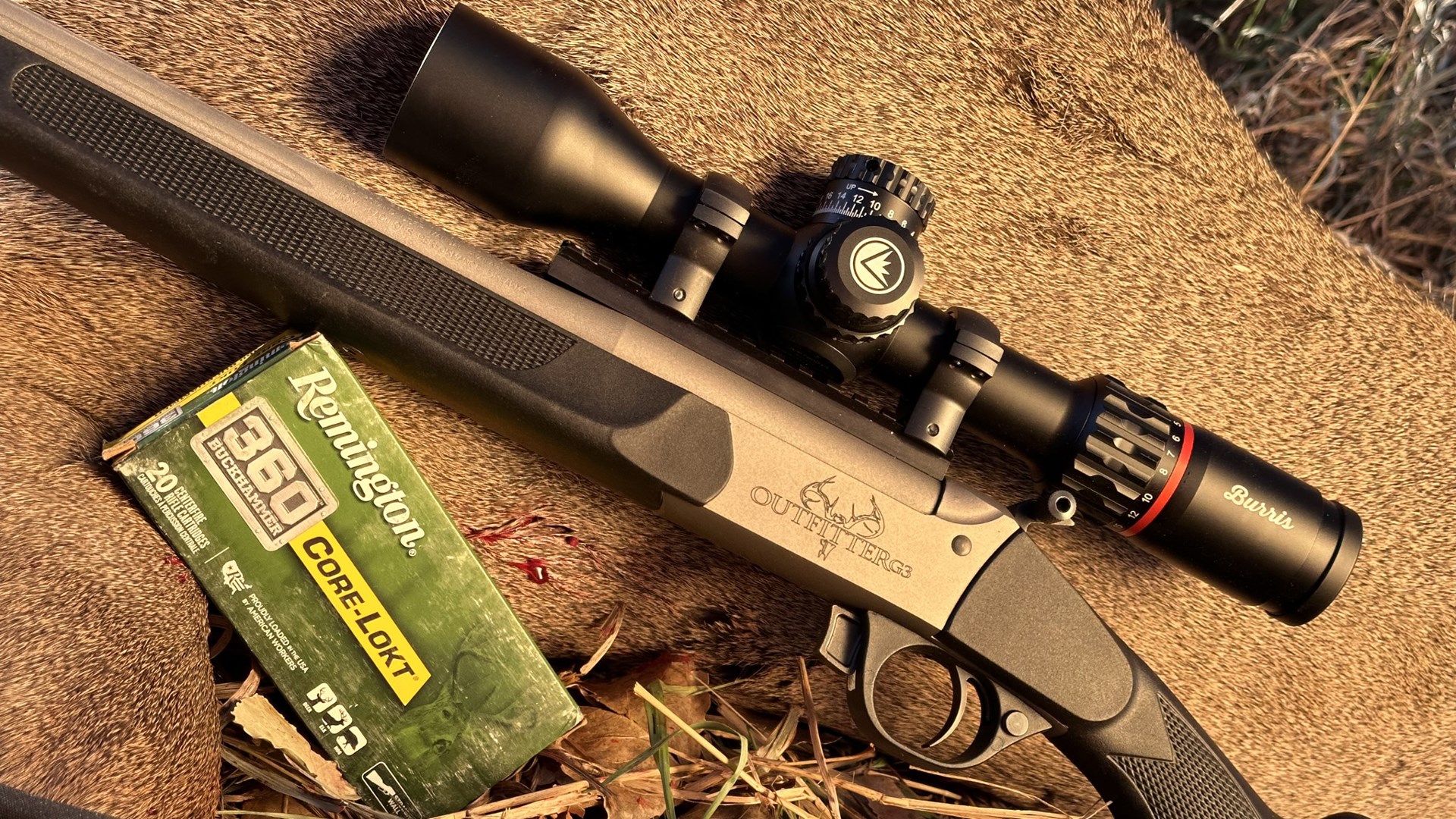
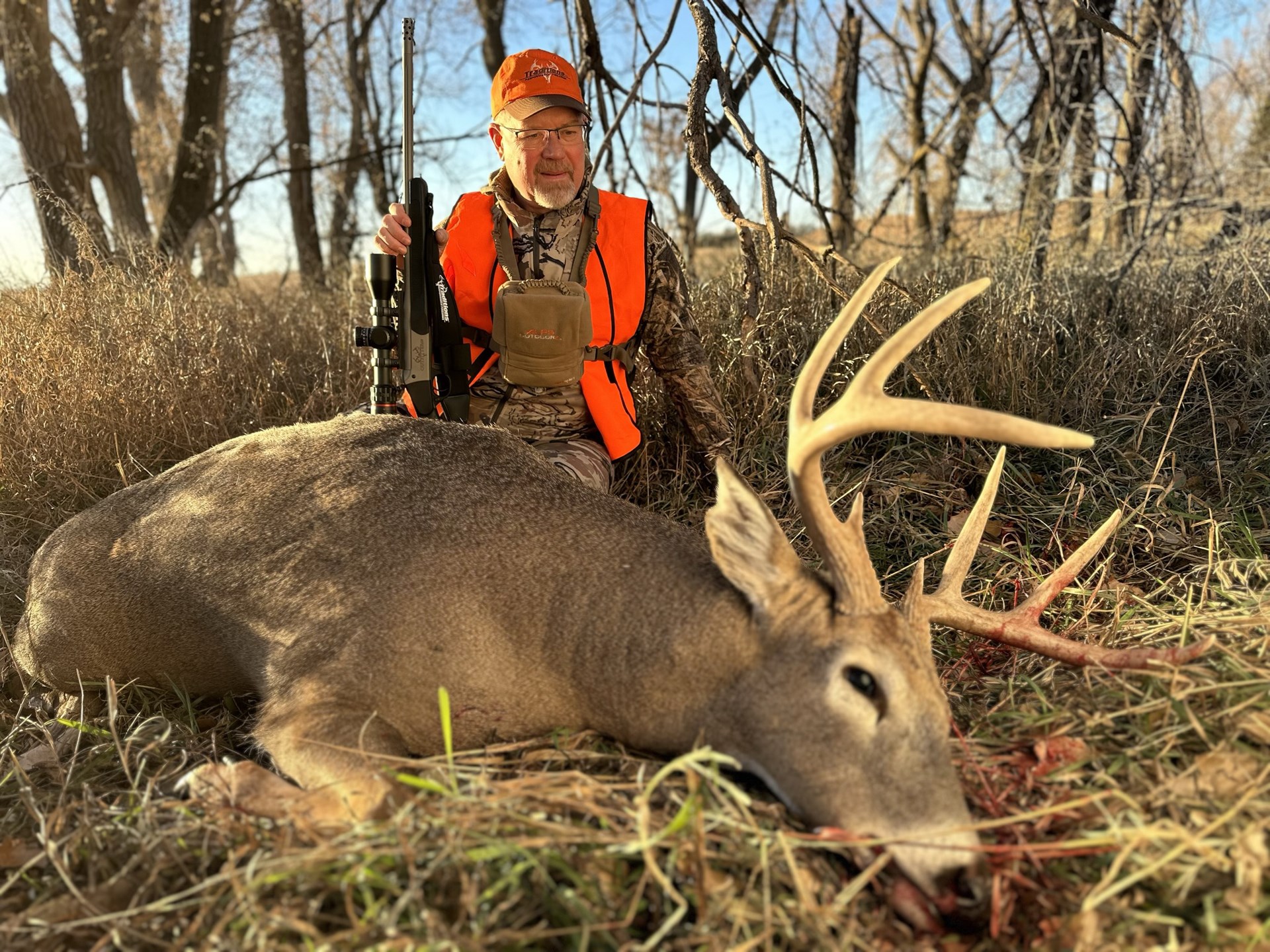
I used the Veracity PH on a Traditions Outfitter G3 in 360 Buckhammer, a cartridge not known for long-range performance. With the scope handling the ballistic data, the effective range was extended well beyond what most would expect. A 300-yard shot on steel confirmed the system, and that same setup led to a clean harvest on a mature whitetail. The Veracity PH also proved valuable on my Traditions NitroFire muzzleloader. The consistency of the FireStick charge and the ballistic accuracy of the optic created a pairing that was accurate at distances thought impossible.
What stands out with both systems is how they remove variables. Whether you are dialing a turret to match a known distance or letting a rangefinding scope provide a direct aiming point, the goal is the same. Eliminate guesswork and increase confidence.
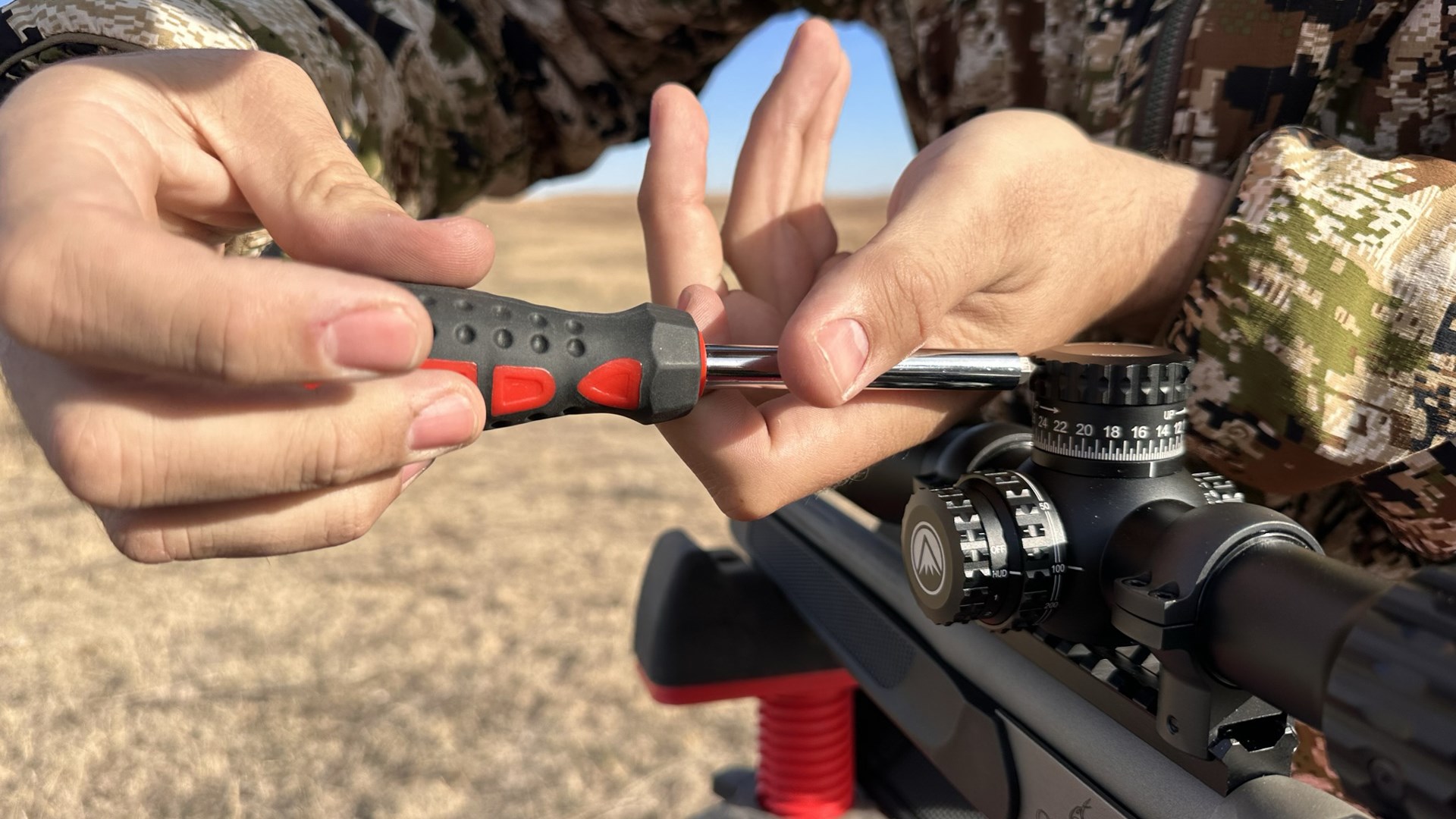
Smart optics are not a shortcut to skill, but they are a powerful tool when used properly. Time on the range is where it all comes together. Learning how to adjust parallax, confirm zero, understand your ballistic profile, and trust your equipment is what allows these optics to shine. I used a Garmin Xero C2 chronograph to develop my bullet profiles with exact velocities, which in turn ensures accuracy at longer ranges.
When you put in that time, the payoff is real. Better accuracy, more consistency and the confidence to make ethical shots when it matters most.