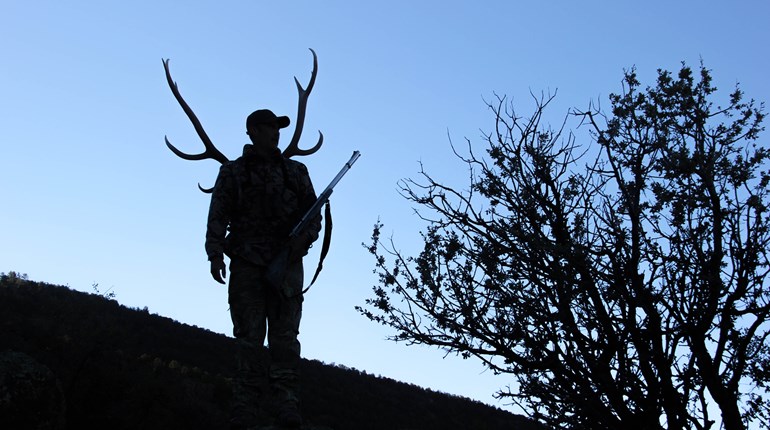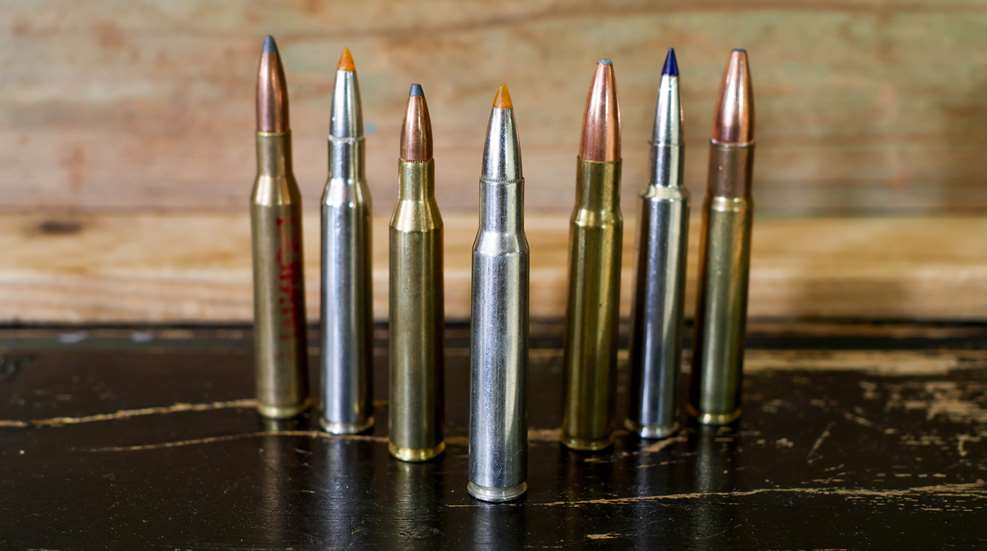
At this point in time, 120 years after its introduction, we hunters should be very familiar with the .30-06 Springfield. It is after-all, still a benchmark hunting cartridge, capable of checking an amazing amount of boxes in the big-game hunting world. It was born as a military cartridge, essentially designed to replace the outdated .30-40 Krag, but like most military cartridges, it would go on to shine in the hunting fields. Whether here in the United States or across the Canadian provinces, as well as in Europe, Africa and Australia, the .30-06 is universally known among hunters and has a great reputation among the Professional Hunters as well. But the .30-06 Springfield is also a great dad, having a lineup of famous sons which have earned great reputations for themselves. Let’s dig deeper into the family tree.
The .30-06 Springfield
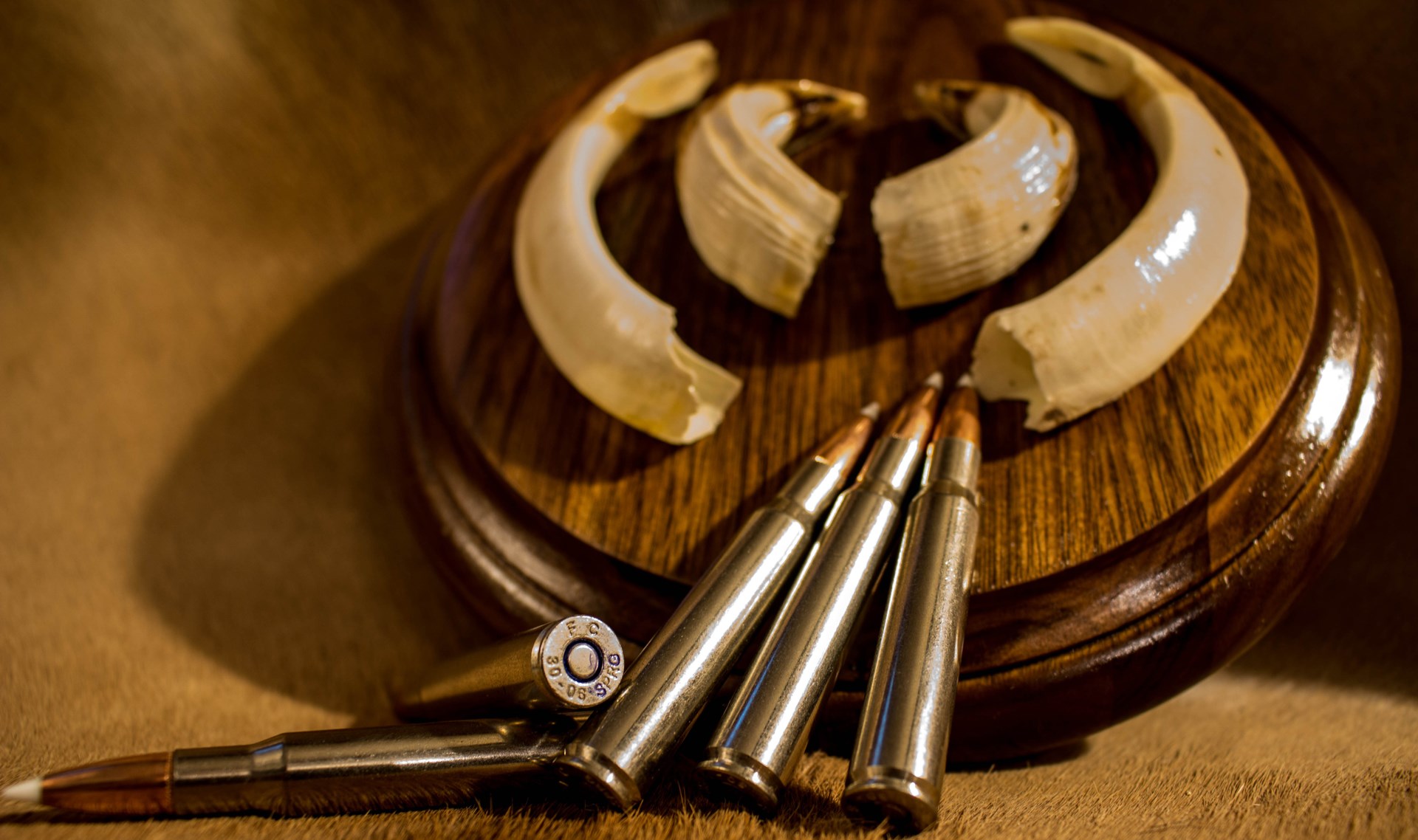
“Cartridge, ball, caliber .30, Model of 1906” is the official designation, but to the hunting world it is the “thirty-ought-six”, or the “ought-six”. It was the third version of the U.S. Army’s efforts to better the performance of the .30-40 Krag, coming after the .30-01—the rimless cartridge first developed—and subsequently the .30-03 Springfield. The two earlier iterations used the 220-grain round nose bullet common to the .30-40 Krag, yet when the revisions were made to arrive at the Model of 1906, the bullet weight was dropped to 150 grains in a spitzer configuration, with the velocity boosted to 2,700 fps. The cartridge shared the 0.473-inch rim diameter, 17 ½-degree shoulder to handle headspacing duties, but the case was shortened to 2.494 inches, in comparison to the ‘03’s 2.540-inch case (this will come into play later). Over the years, hunters have employed projectiles ranging in weight from 110 grains all the way up to the massive 250-grain slugs, with the bullets weighing between 150 and 200 grains being the most popular. It is a suitable hunting cartridge for almost every species save the true African heavyweights, though it has been used for all of them, including elephant. A good number of hunters have spent nearly their entire career with an ’06 in hand—Dr. J.Y. Jones and Grancel Fitz come quickly to mind—and many writers—Hemingway, Ruark, Roosevelt and more are included in this mix—have sung the praises of the .30-06 in many a famous hunting book. In the hunting world, .30-caliber is a good place to be, and the .30-06 Springfield remains the benchmark among .30-caliber cartridges.
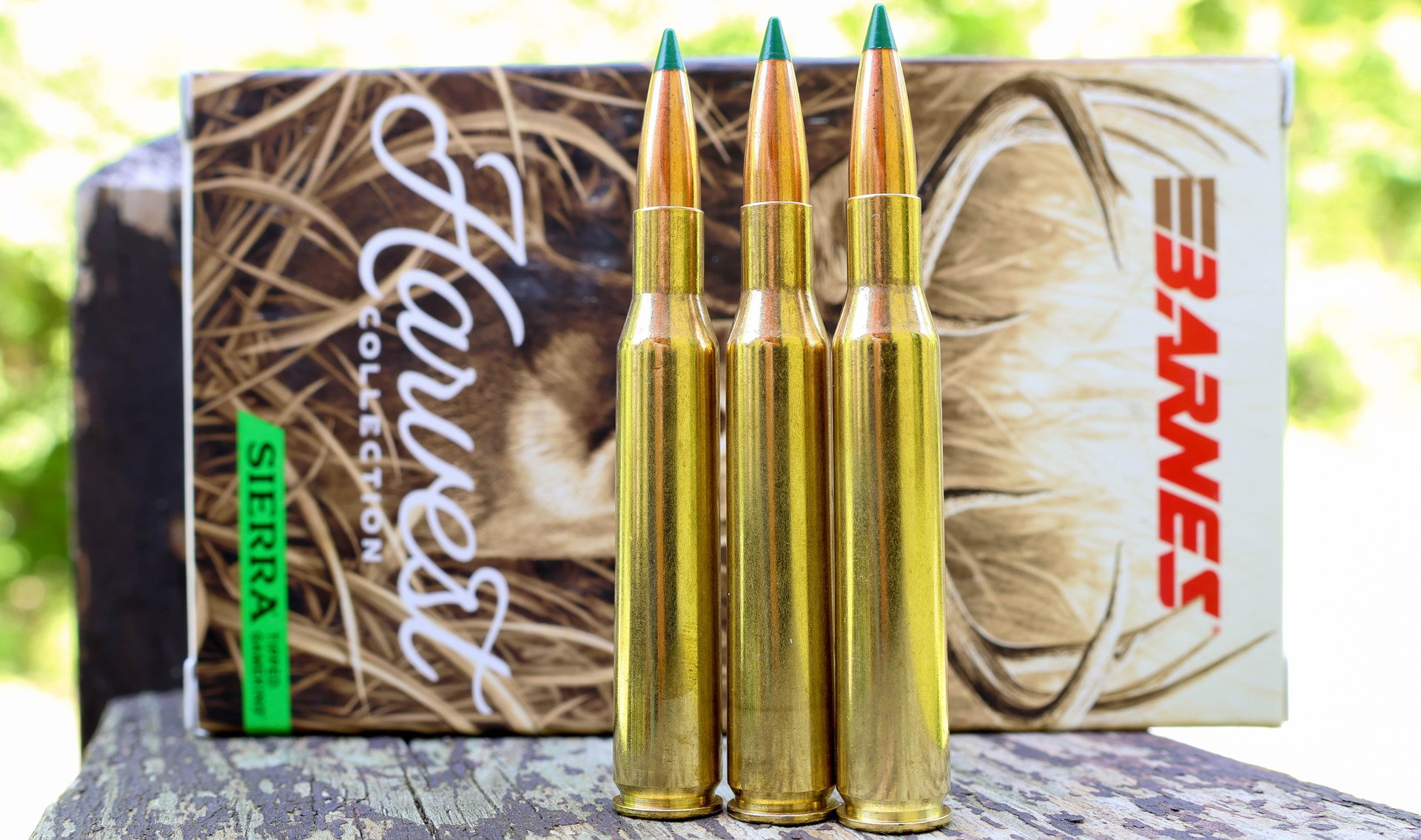
The .270 Winchester
1925 saw the first commercial release of one of the children of the .30-06 Springfield; well, sort of. Championed early on by Jack O’Connor, the new .270 Winchester used a bullet of .277 inches in diameter, with 130- and 150-grain loads initially, and shares the rim diameter and shoulder angle of its parent. But instead of using the 2.494-inch case of the ’06, Winchester opted for the 2.540-inch case of the .30-03, for reasons I cannot quite explain. Nonetheless, our beloved .270 Winchester has the longer case, and it certainly doesn’t seem to have hurt it in any way, shape or form. The twist rate of the common .270 rifles (1:10) limits the cartridge to 150-grain bullets, though some of the shorter, round-nosed 160s will stabilize. That said, the projectiles of the 2020s are certainly better than those of the 1920s, and modern projectiles have only made this cartridge more effective. Where O’Connor and Elmer Keith may have argued about the effectiveness of the .270 on elk, moose, and other large game, today’s projectiles have settled that argument. The .270 Winchester remains the most successful offspring of the Springfield family, and I don’t see that changing anytime soon.
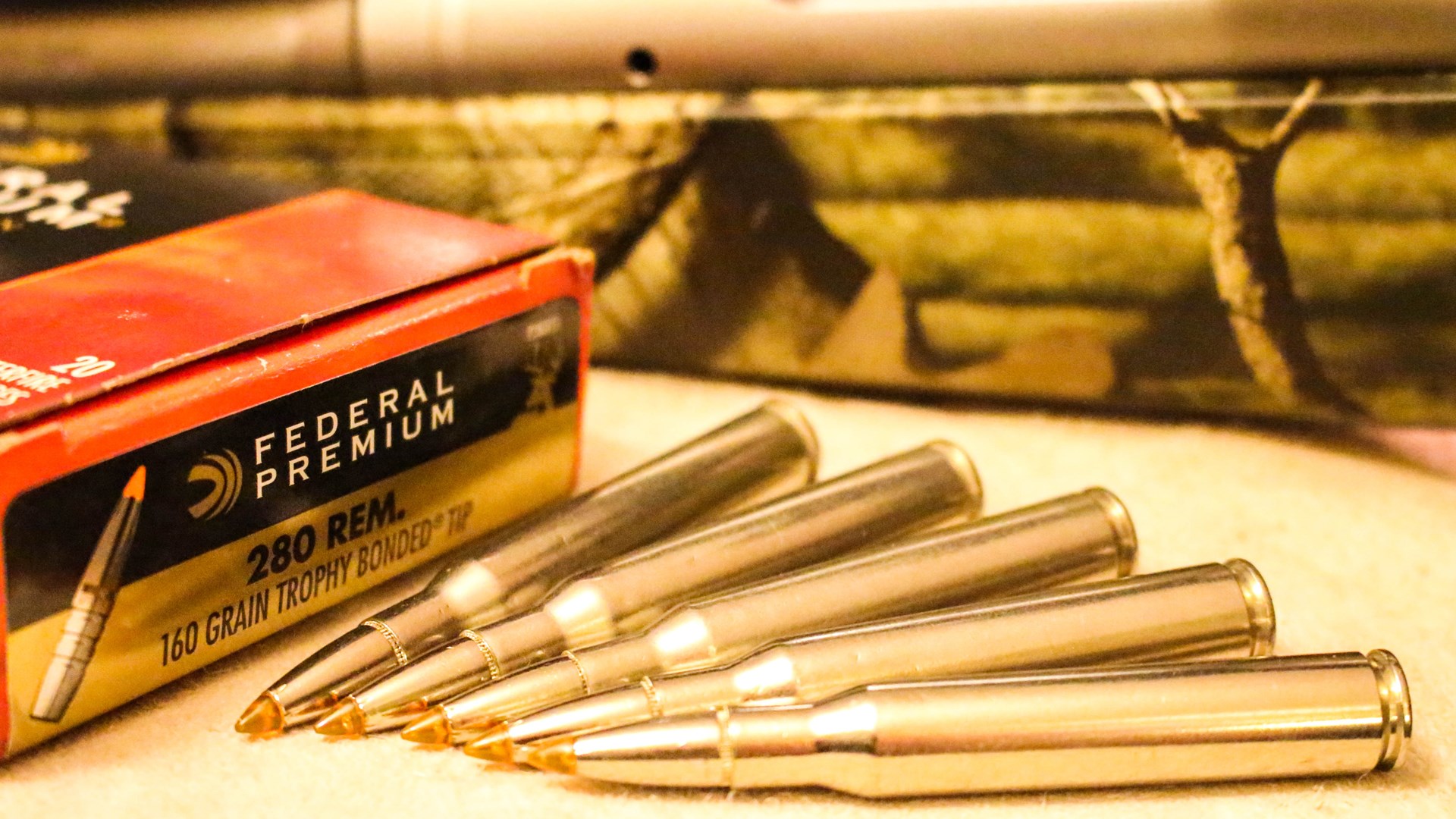
The .280 Remington
The .30-06 case proved to be a wildcatter’s dream, and it makes perfect sense that someone would mate that case with the 7mm bullets made famous by the 7x57 Mauser. Remington championed the idea, and in 1957 released the .280 Remington. And, if history ever gave a cartridge the shaft, it gave it to the .280 Remington. No, there was no lack of available firearms. No, there were no issues with the cartridge’s performance, either on the target board or in the game fields. It just seems that the 32 year head start enjoyed by the .270 Winchester shoved the younger cartridge off the stage, immediately. Yet, the cartridge did the slow burn, with more than a few riflemen quietly enjoying the performance; among those was none other than Jack O’Connor himself. In 1978, in what appears in hindsight to be a marketing Hail Mary, Remington had the brilliant idea to rename the cartridge. Since they had such success with the 7mm Remington Magnum (released in 1962), they renamed it the 7mm-06 Remington. It isn’t difficult to see why there was immediate confusion, and inside of a year, Remington renamed the cartridge yet again, this time settling on the 7mm Express Remington. And needless to say, that only made things worse. By 1981, Remington reverted back to the .280 Remington moniker. The case length is the same as that of the .270 Winchester—2.540 inches—and it shares the family’s 17 ½-degree shoulder, so there really aren’t many surprises here. The 7mm lineup of hunting bullets is excellent, and the .280 Remington has enough case capacity to drive them to respectable velocities. I like the 140-grain load at 2,950 fps for deer hunting and the 165-grain load at 2,820 fps for larger game species. I’ve loaded more than a few 175-grain Nosler Partitions and Swift A-Frames for those headed to Africa. I shot my first decent whitetail with a Remington autoloader chambered for .280 Remington, and there isn’t a deer hunt out there where I’d feel ill-equipped were I using a rifle so chambered.
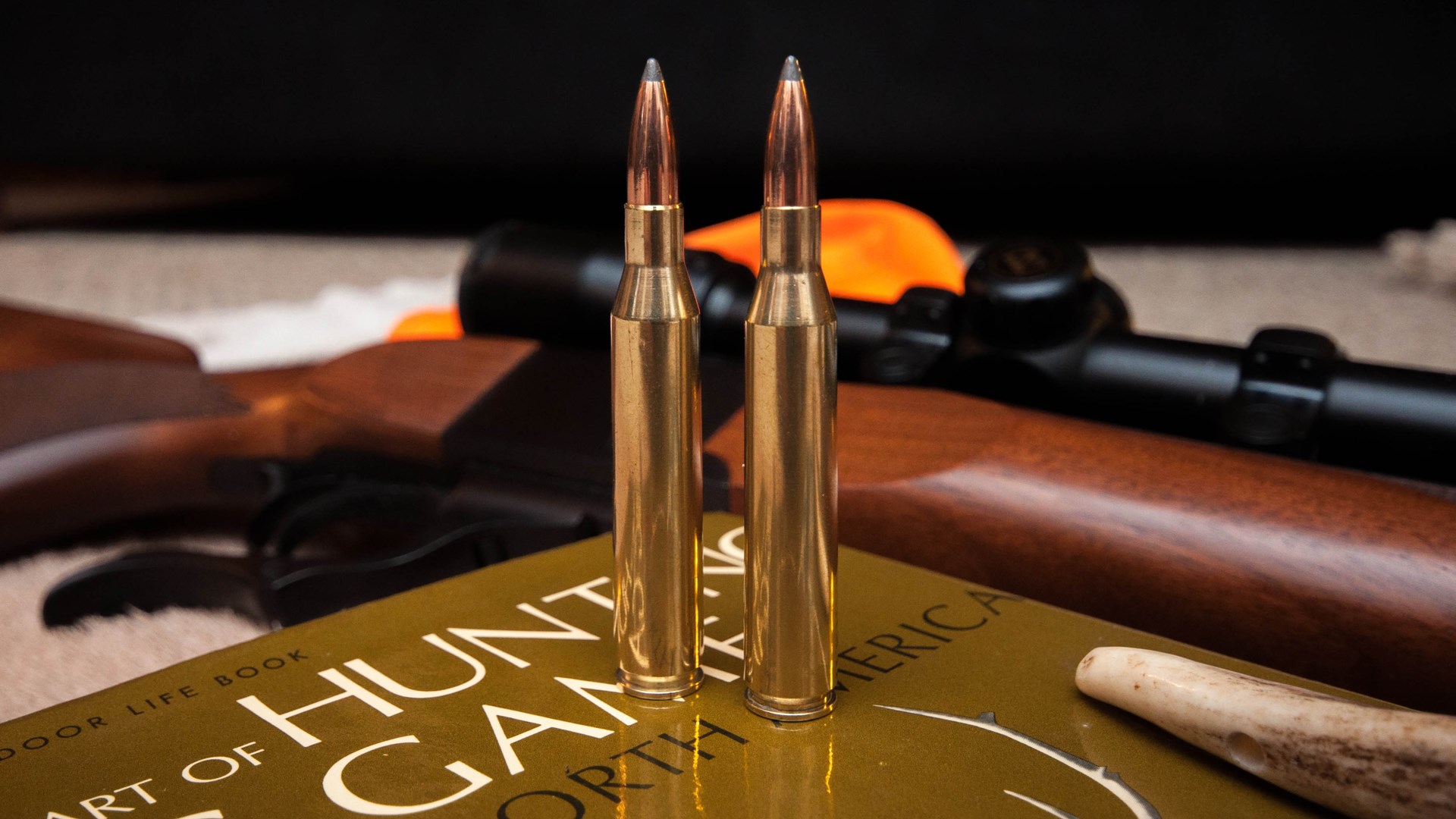
The .25-06 Remington
Big Green has a knack for grabbing those wildcat cartridges which show promise and making them legitimate. The .22-250 Remington and .257 Roberts come immediately to mind, but one of the brightest examples of this is the .25-06 Remington. The wildcat versions hearken back to the .25 Neidner of the 1920s and several other iterations, but the powders of the era didn’t do the cartridges justice. By the late 1960s, we had IMR4350, IMR 4831 and other slow-burning choices, and Remington saw fit to bring us the .25-06 Remington in 1969. Using the .257-inch diameter bullets of the .250-3000 Savage, .257 Weatherby Magnum and .257 Roberts, Remington’s newly-baptized cartridge fit perfectly in a long-action receiver, and the reloaders could easily make their own cases from plentiful .30-06 Springfield cases, as the two share the same 2.494-inch case length. The .25-06 Remington was the darling of antelope hunters for decades—it seemed that from the 1970s to the early 21st century most writers loved the .25 Remington for pronghorn—but of late the 6.5 Creedmoor has seemed to replace the quarterbore. Bullets ranging from 100 to 120 grains have always given me the best accuracy, especially the Nosler Ballistic Tip and AccuBond, the Hornady ELD-X, and the Swift Scirocco II. I don’t feel the .25-06 Remington is the best choice for species such as elk, moose or bear, but for deer and similar-sized game, it is easy on the shoulder, offers plenty of accuracy, and gives the terminal performance deer hunters love. It’ll push the 120-grain bullets to right around 3,000 fps, and has a wonderful selection of component bullets available to the handloader.
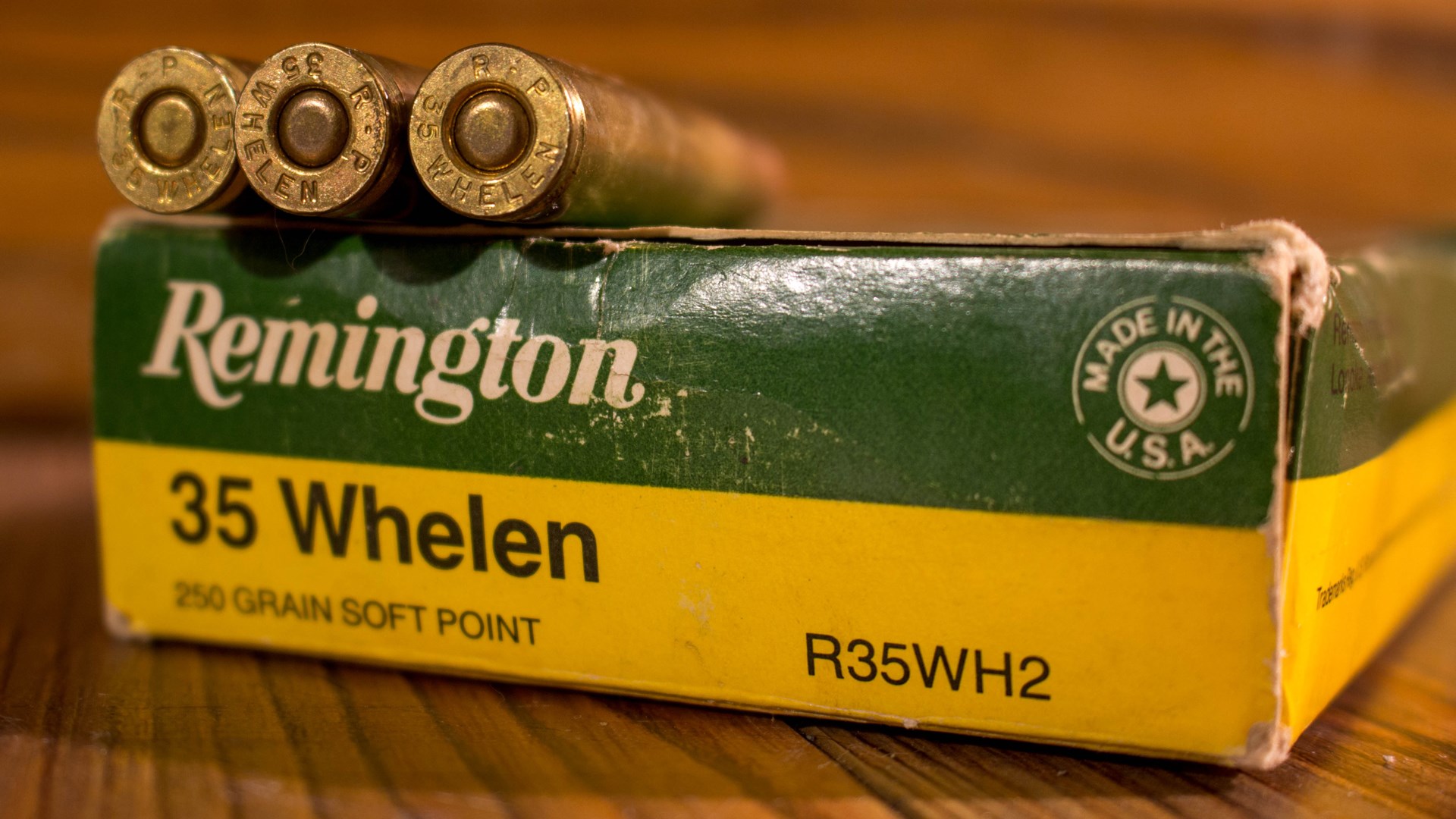
The .35 Whelen
Did I mention that Remington loves picking up wildcats? Here we have another example of an ’06-based case brought to commercial success by Remington, long after it made its presence known. Developed by James Howe—of Griffin & Howe fame, where they still specialize in rifles chambered for the cartridge—and so named as to honor his boss, Col. Townsend Whelen, the .35 Whelen is the .30-06 case necked up to hold .358-inch diameter bullets. Yes, there are a few accounts where Col. Whelen is credited with the design, but the preponderance of evidence (including a few accounts from Whelen himself) shows that Howe deserves the credit. The goal was to create a medium-bore cartridge along the line of the .333 Jeffery, .318 Westley Richards and .350 Rigby Magnum, but based on an American case, taking advantage of the plentiful surplus American rifle actions. Even though the .35 Whelen was designed in 1922, and Griffin & Howe produced a good number of rifles for it, it would remain illegitimate for 66 years, finally being put into commercial production in 1988 (my freshman year of college) by Remington. The Whelen uses the ’06 case—at 2.494 inches—and the common 17 ½-degree shoulder angle. Seeing that the .30-06 can effectively use the 220-grain bullets, you’d think Whelen ammunition would want to stick with the heavier bullets, but that's not the case. Yes, you can find a few examples of the 250-grain load, leaving the muzzle at 2,400 fps (and I really like that formula), but the majority of factory loads are centered around the 180-, 200- and 225-grain bullets. If you prefer the heavier stuff, there are plenty of 250-grain component bullets available to the handloader. For deer and other common game species of that size, the lighter bullets should pose no issue, but if used against the larger cervids I’d want those lighter bullets to be bonded or monometal if at all possible. All ballistics aside, the .35 Whelen is just plain cool.
The .338-06 A-Square
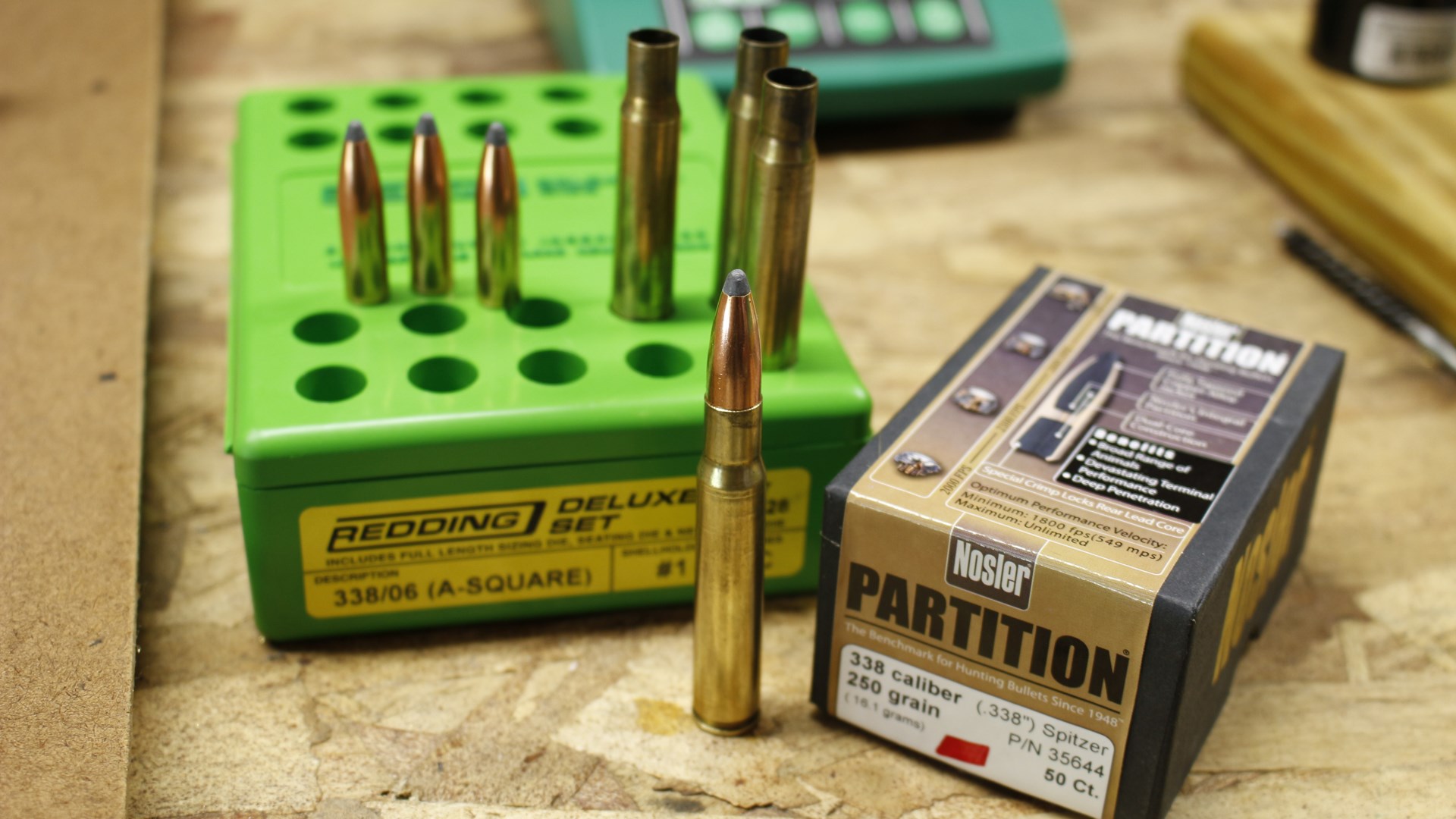
Probably the least popular of the commercially accepted offspring of the .30-06 Springfield, this cartridge might make the most sense for someone looking for a cartridge bigger than .30-caliber, based on the Springfield case. Simply mating the ’06 case with the .338-inch diameter bullets common to the .338 Winchester Magnum and .340 Winchester Magnum. Officially accepted in the late 1990s, with Art Alphin’s A-Square surname, you get the performance of the 250-grain .338-inch diameter bullets, with better Sectional Density and Ballistic Coefficient values than the 250-grain bullets of the .35 Whelen, housed in a rifle which can be made lighter without kicking the snot out of you. The issue with the .338-06 is that what little factory ammunition that was available seems to have dried up. Nosler once offered the 225-grain AccuBond at 2,575 fps, but it seems that has been discontinued. Even the specialty shops are using the case headstamped .30-06, necked up. So, if you want a cartridge in-between the .30-06 Springfield and .35 Whelen, you’ll pretty much rely on handloading, and that’s okay. It’s very simple to neck up Springfield brass from .308 to .338, and there are plenty of wonderful component bullets to customize your ammunition to the game animal to be pursued.
The Wildcats
There have been many wildcats developed over the years which either had a brief moment in the sun, or have simply faded into history. The 6.5-06 is one; I first read about this in the Nosler loading manual (before Creedmoor was a common word in the shooting world) and it certainly makes sense. The .35 Whelen wasn't the only cartridge to bear that surname—there is also a .375 Whelen and .400 Whelen based on the ’06, with the latter having a shoulder so slight it can be problematic. On the other end of the spectrum, there were a number of 6mm-06 cartridge designs, such as the .240 Super Varminter. I’ve heard mention of .22-06 cartridges, though I've not personally seen any examples of them.
Mr. Ackley’s Efforts
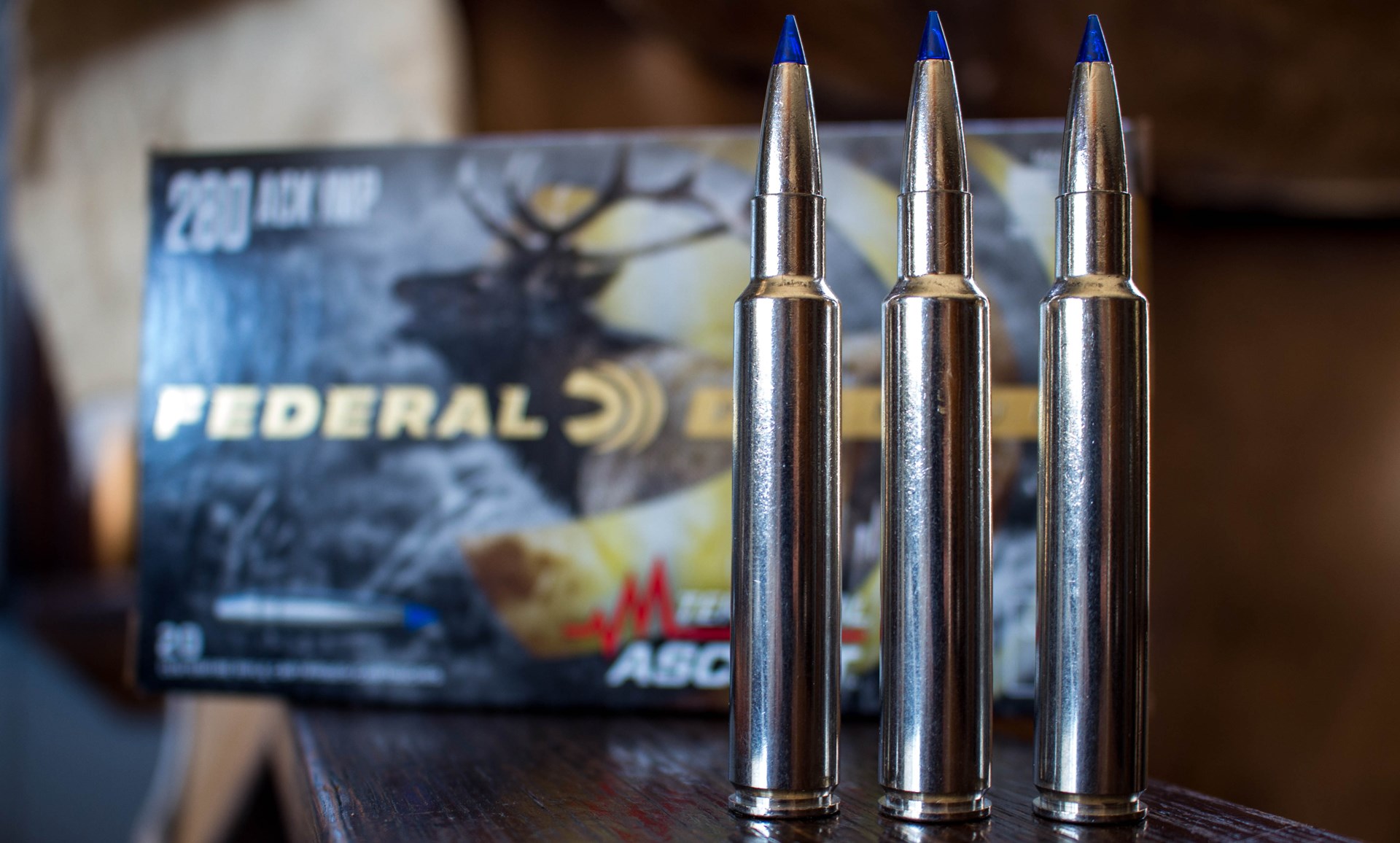
Nearly every one of the children of the .30-06, as well as the ’06 itself, received the Ackley Improved treatment, where the majority of the body taper was removed and the shoulder angle greatly increased, in order to increase the powder capacity. I’ve shot a .30-06 Ackley Improved which gave a significant velocity increase and was impressed. I do feel that of the lot, the .280 Ackley Improved is the best, giving velocities not far behind the 7mm Remington Magnum in a much more efficient package. I’ve used that cartridge for whitetails here in New York, as well as taking it on safari to Namibia; I can see why some guys shoot nothing but .280AI—it’s a stellar cartridge, readily available and incredibly accurate.