At 500 years and going, Beretta has outlasted even the Roman Republic’s 482-year time span. When Fabbrica d’ Armi Pietro Beretta was founded, in 1526, the first English colony in what would become America was 81 years in the future; meanwhile, in Europe, the Renaissance was in full swing in Italy—Michelangelo was then 51 years old and painting away in Florence—and the early Protestant Reformation (sparked by Martin Luther in 1517) was impacting the empire of the Roman Catholic Church.
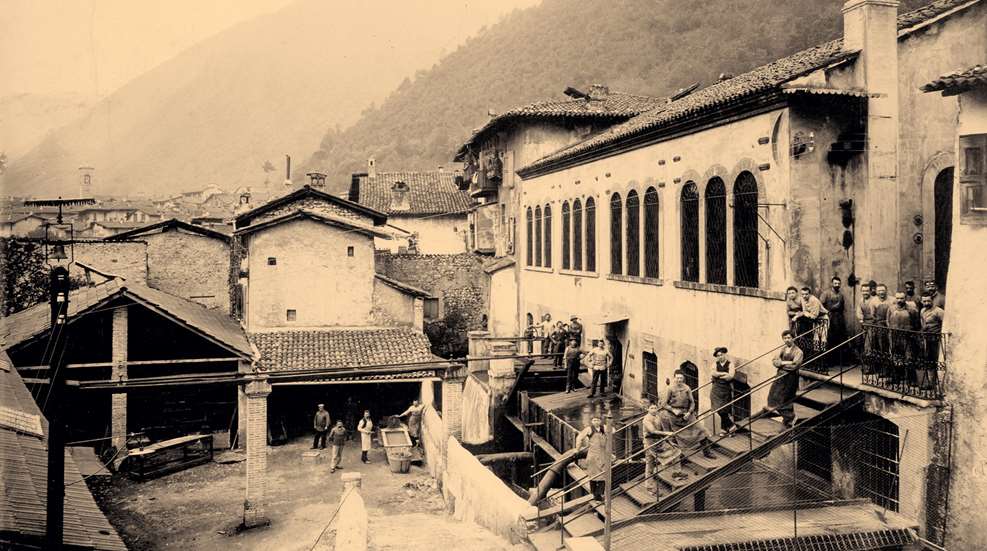
In this climate of creativity and change, artisans gathered in Gardone Val Trompia, Italy, to make guns under the Beretta name. Maestro Bartolomeo Beretta, a skilled ironworker, had secured a contract with the Arsenal of Venice. For 296 ducats, he delivered 185 arquebus barrels—primitive firearms that would arm the republic’s forces against encroaching threats.
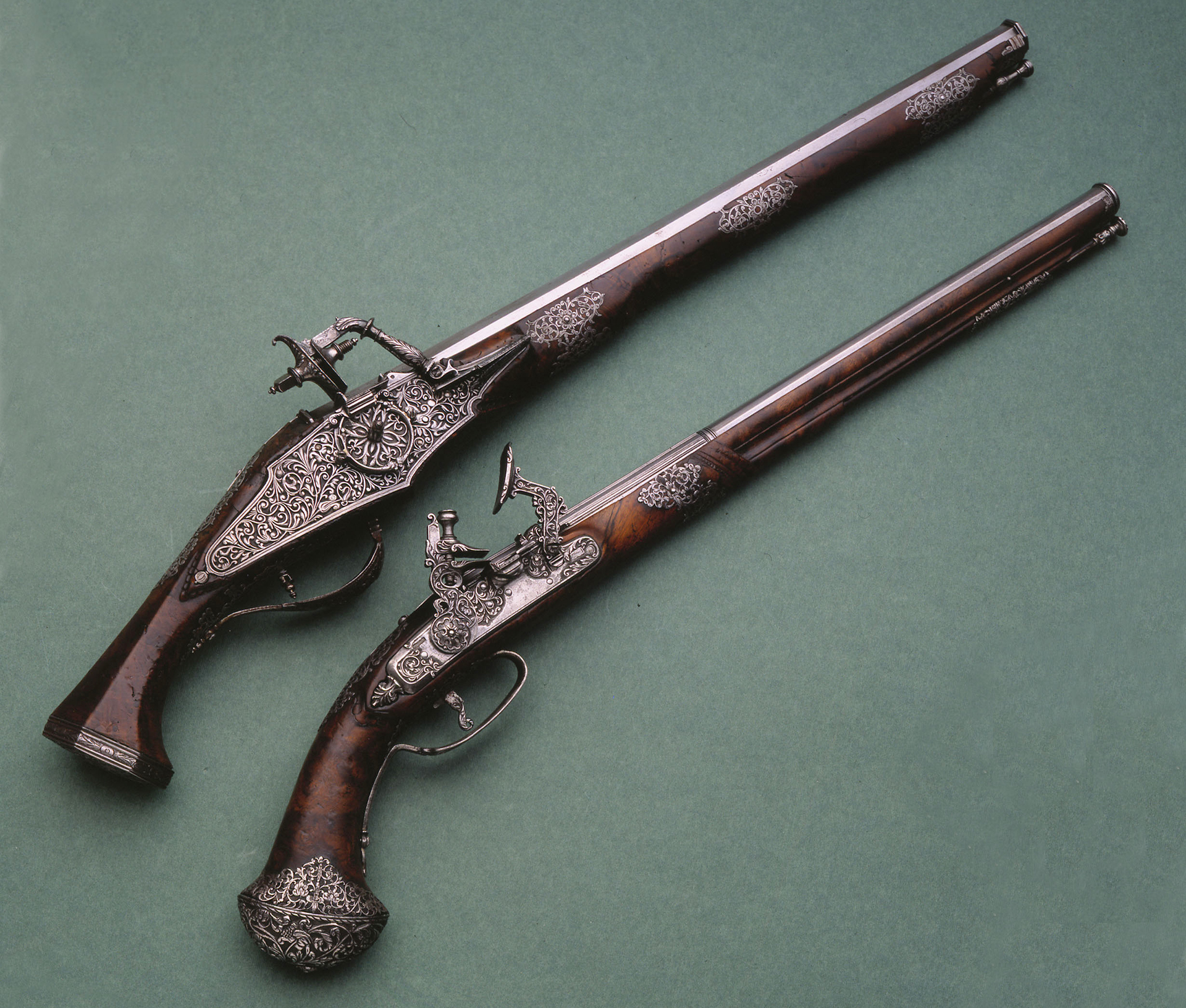
This wasn’t mere commerce; it was the spark of an industrial empire. From those humble forges, Beretta grew, weathering wars, empires and industrial revolutions. By the 17th century, the family had formalized its operations, producing muskets and pistols that equipped European armies.
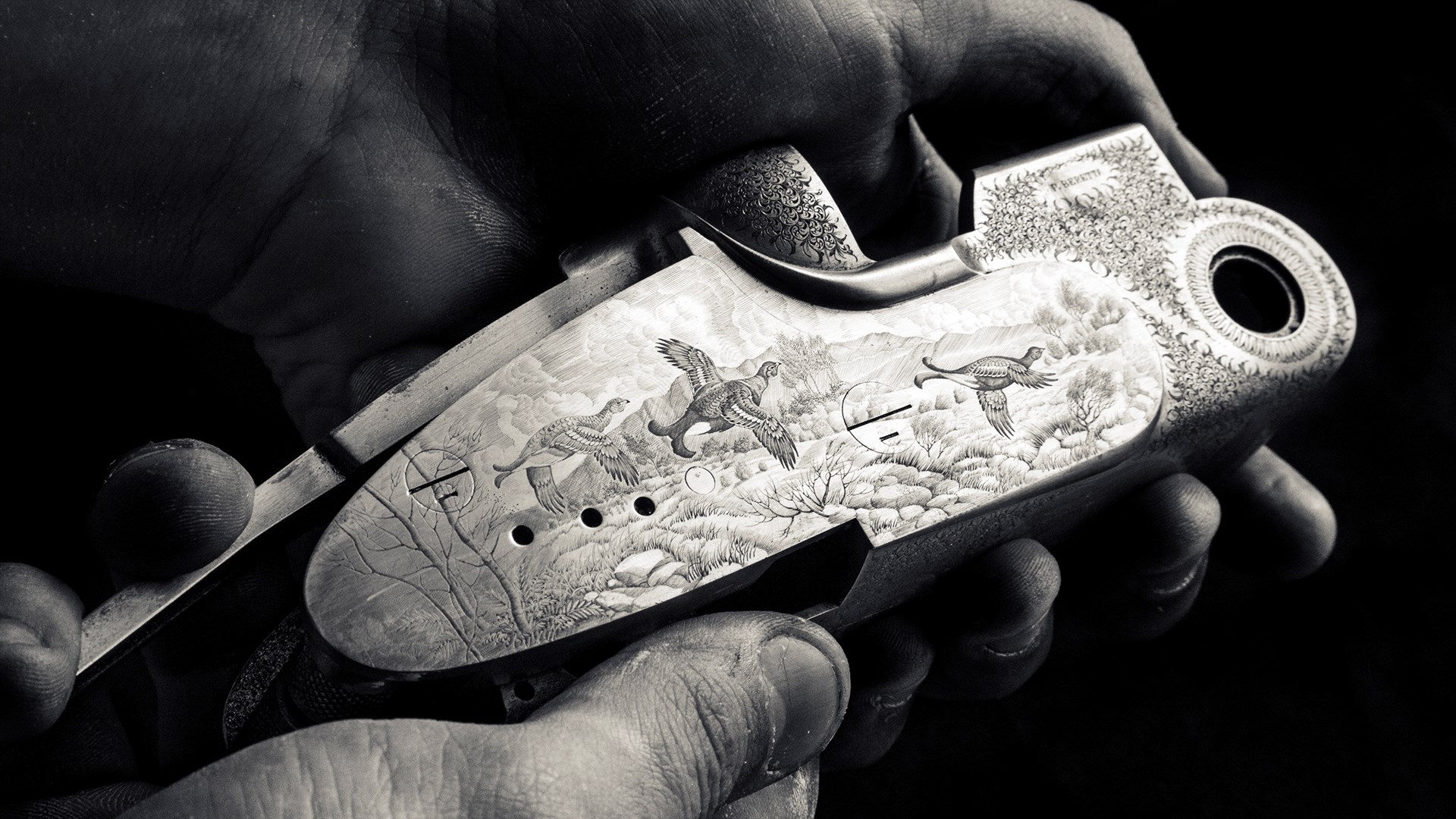
Fast-forward to the 19th century, and we find that Beretta’s narrative deepened with technological leaps. Under Pietro Beretta’s leadership in the 1800s, the company embraced mechanization, transitioning from hand-forged pieces to precision-machined components. This era saw the first Beretta shotguns that revolutionized hunting. Imagine a Victorian gentleman in the misty English moors, shouldering a Beretta hammerless shotgun—its innovative ejector system flinging spent shells with effortless grace—and you can see the impact these gun designs have had on the function and aesthetics of shotgunning. Indeed, Beretta’s 19th century shotguns weren’t just tools; they were works of art, as they are today.
In the 20th century, Beretta’s innovations accelerated, mirroring the world’s tumultuous pace. During World War I, the company supplied the Italian military with the Model 1915 pistol, a semi-automatic marvel featuring an innovative blowback system that enhanced reliability in trench warfare.
World War II tested Beretta’s mettle, as it produced the Model 1934 pistol for Axis forces—a compact 9mm short that exemplified modular design. Yet, in the war’s aftermath, Beretta emerged as a sporting and self-defense company. Beretta, for example, introduced the SO series over/under shotguns. These shotguns, with their patented locking mechanisms and ergonomic designs, dominated Olympic trap shooting, securing gold medals and elevating Beretta to sporting legend status.
The 1950s saw the birth of the Beretta Model 1951, a single-action 9mm used by the Italian military. In the 1970s, Beretta began producing the 92 series, a game-changer in handgun evolution. With its double-action/single-action trigger, open-slide design and 15-round magazine, the 92FS (later the M9) became the U.S. military’s standard sidearm in 1985, serving in conflicts from Desert Storm to Afghanistan.
The end of the 20th century and early 21st has brought more diversification for the storied company. Beretta expanded into rifles with the ARX100, a modular semi-automatic rifle featuring quick-change barrels and ambidextrous operations. In shotguns, the A400 series introduced Kick-Off recoil reduction, minimizing felt recoil. Innovations like the Beretta Pico, the world’s thinnest .380 pistol, catered to concealed carry, blending slim profiles with robust safeties. The company’s foray into optics and accessories, via subsidiaries like Steiner and Burris, integrated red-dot sights and riflescopes and binos.
For hunters, beginning in the 1990s, the Silver Pigeon series offered engraved elegance with functional prowess, like Optima-Bore chokes for pattern optimization. These products represent Beretta’s philosophy of “form follows function,” where beauty enhances utility. The 500th celebrations now include limited-edition models, like gold-inlaid commemorative pistols, blending artistry with engineering.
In the competitive-shooting sports, Beretta firearms have won more than 100 Olympic medals, inspiring youth to pursue marksmanship. In defense, they’ve equipped NATO allies and the U.S. military. Economically, Beretta employs thousands in Italy and the United States.
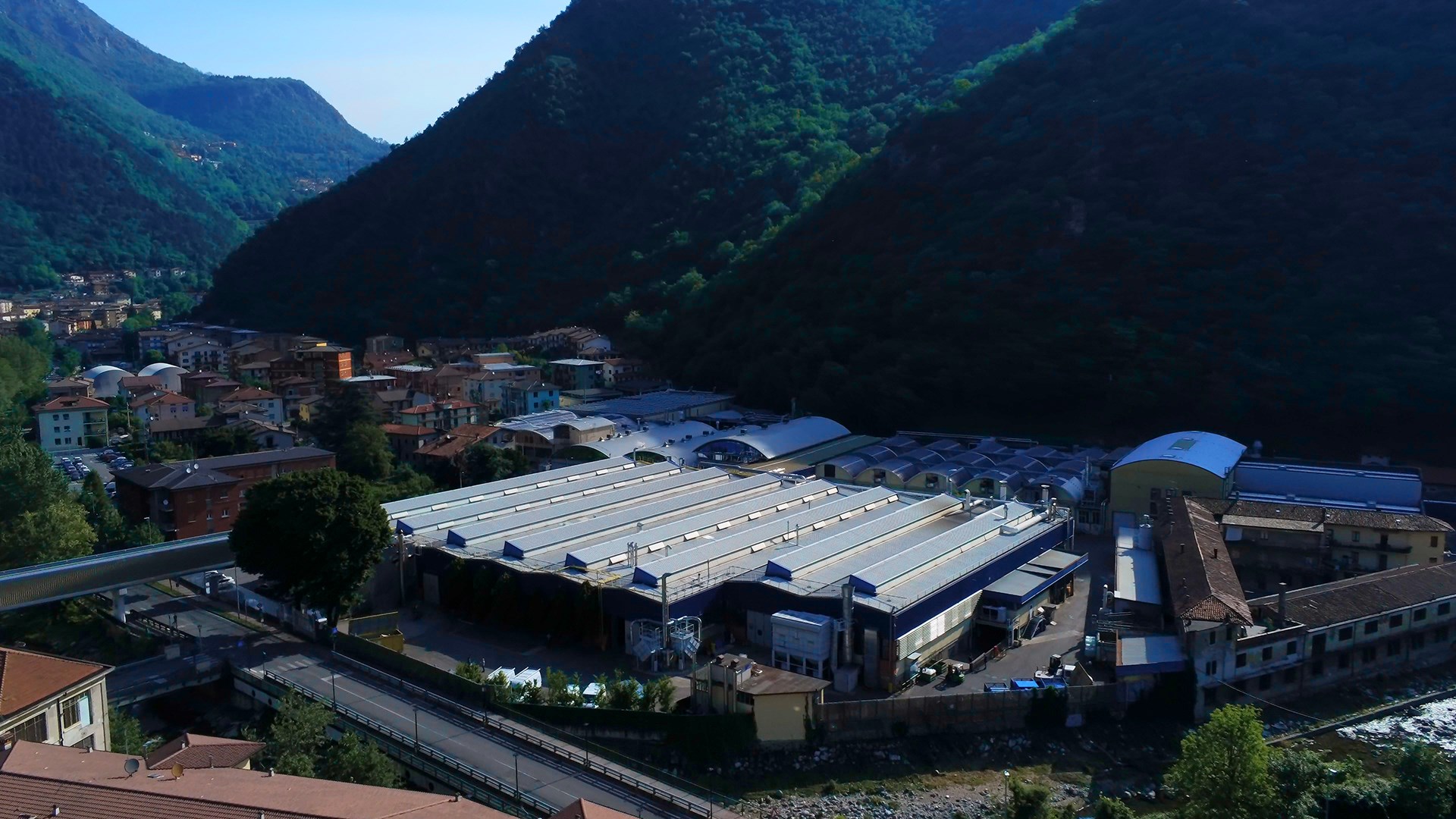
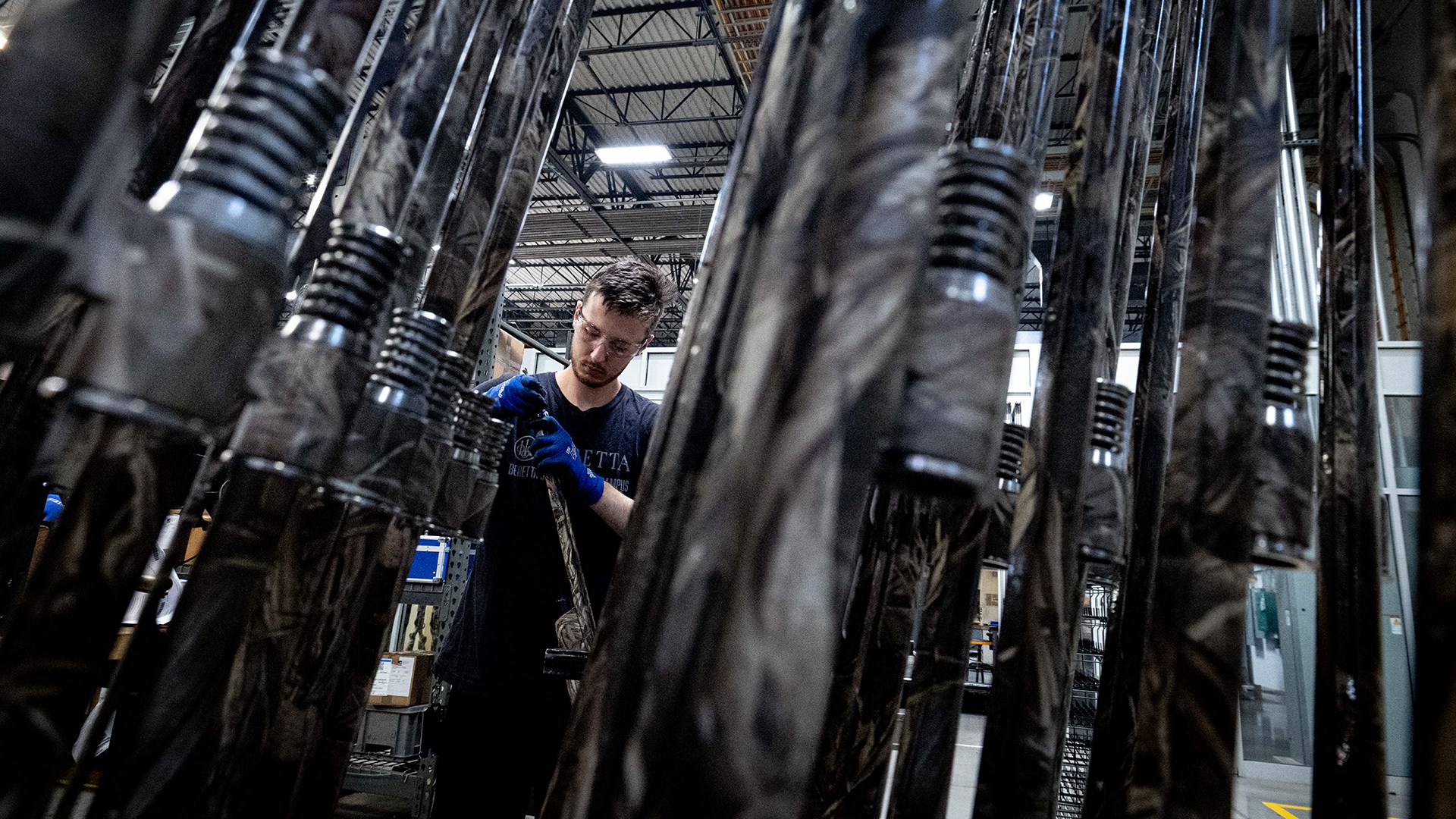
In 2016, Beretta relocated its American manufacturing operations to Gallatin, Tenn. It built a state-of-the-art manufacturing and R&D campus spanning about 156,000 square feet on 100 acres. Beretta USA originally established U.S. manufacturing in Accokeek, Md., starting in 1977. They made the decision to move to Tennessee due to factors like state incentives and changes in Maryland’s gun laws. The Tennessee plant became the sole site for Beretta’s U.S. firearm production, including handguns, shotguns and rifles.
From arquebus barrels to modern masterpieces, Beretta has innovated relentlessly. This 500th milestone is a celebration of human achievement. It’s important because Beretta reminds us that legacy isn’t static. Over half a millennium, Beretta hasn’t just survived; it has thrived as it makes fine guns for us.