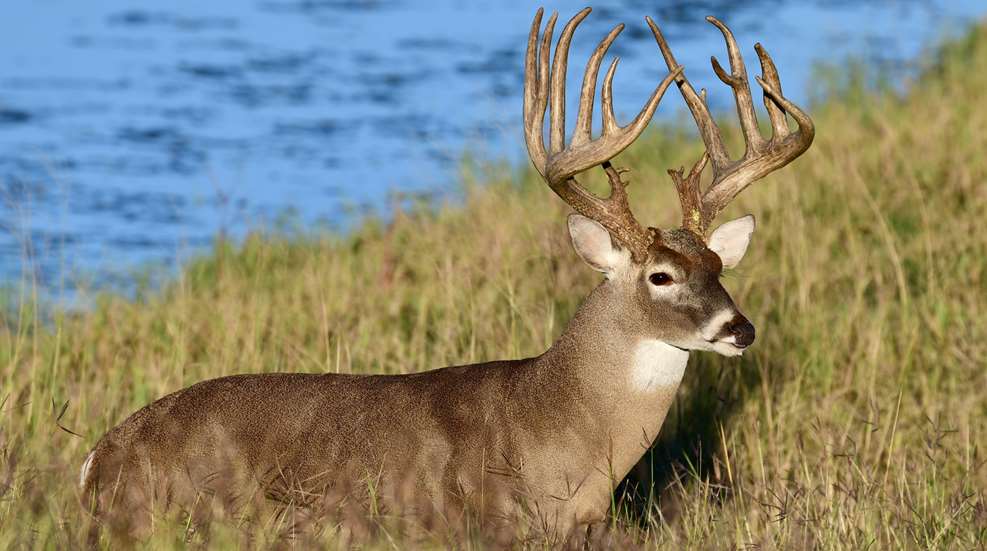
If we define mature whitetail bucks as those that are 3½-years old or older, then there are a significantly higher percentage of mature bucks being harvested today than at any time in modern hunting history.
In the 1990s and early 2000s, for example, nearly half of the national buck harvest consisted of yearling bucks (1½-year olds), while mature bucks made up less than 20 percent of most harvests, according to data analyzed by the National Deer Association.
This has been flipped almost completely.
In the last few years, the percentage of mature bucks being taken reached a new record of over 40 percent of the total buck harvest nationally. Yearling bucks dropped to a record low of around 26 percent (or lower in some reports).
Around 2016, the national mature buck harvest exceeded the percentage of yearlings killed.
The adoption of Quality Deer Management (QDM) practices, antler-point restrictions in some states and better education have allowed many yearling bucks to get older. The increase in doe/antlerless harvests, as deer herds reached or surpassed local carrying capacities, is another reason for this trend. Overall, this has helped to both balance deer populations and it has allowed more bucks to reach maturity without causing overpopulations of deer.
Even as this has occurred, the total buck harvest nationwide has remained relatively high (over 3 million in recent seasons). This means that hunters are killing more mature bucks in absolute numbers as well, not just a higher percentage of older bucks.
So, that macro look at the nation’s whitetail herd is interesting and good, might conclude any deer hunter, but how can any particular hunter—especially one who can’t afford an outfitted hunt—get in on the big buck bonanza?
First, realize that state-level percentages can vary widely. Some states (such as parts of the South and Midwest with strong QDM) report that 70-80 percent of bucks harvested are mature bucks; whereas areas with heavier pressure still see high yearling takes.
So yes, to get in on the bonanza, it helps to hunt in places that QDM is practiced or in areas where access is more restricted for a variety of reasons.
Before hunters shake their heads and shrug, however, realize this can mean a smaller area within a zone in which a majority of yearling bucks don’t make it through the hunting seasons.
Beating the odds requires looking for terrain features that can make it more difficult for hunters and easier for bucks to survive. This can be as simple as looking for those blue swamp icons on a topographic map. You are looking for escape habitat that allow bucks to stay unseen. Look closer for places that narrow deer movement and, perhaps, don’t be afraid to wear hip waders or to climb steep ridges to get into places others won’t.
Another strategy is to travel to states, counties or zones that have point restrictions or other rules. This doesn’t have to require hiring an outfitter or paying for a hunting lease. Judicious scouting for terrain bucks utilize as they travel in the rut, for example, between thick bedding areas can be productive.
Also, often the best places on public lands are on the edges of the properties near private lands. This is especially true in the outer parts of suburbs stretching into what were traditionally agricultural lands. This patchwork of habitat is often split by riparian areas that act as highways for deer travelling just beyond peoples’ back lawns; in fact, deer will often stay on these lands (near homes owned by people who don’t hunt) by day, but then travel by night to consume crops on nearby farms.
In a nation with over 30 million whitetails—and a larger than ever percentage of mature bucks—there are opportunities for those willing to use mapping apps and more.