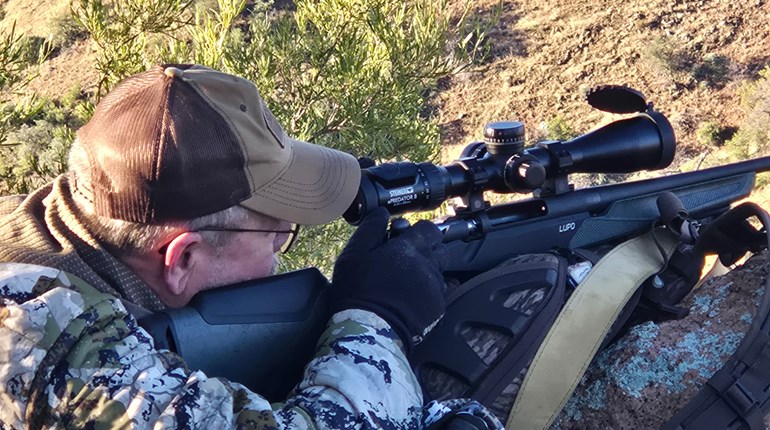
The art of producing a finely tuned bugle with just enough attitude to provoke an 800-pound bull into shooting range is addicting. I admit, as much as I try to refrain from overcalling in a given situation, I oftentimes get caught up in the moment and yes, call too much. Honing elk-calling skills ranks high in the world of DIY elk-hunting tactics, so outfit yourself sagely with the best calls. Practice to perfect and test the waters as you prowl elk country.
For smartphone photo gallery success, however, you need more plays in your public-land approach.
One experience drove that home for me. Somewhere nearing the two-week mark in an undisclosed Montana general unit, my enthusiasm faded, my physical energy was nearly depleted and my hunting compadres had vamoosed days earlier. Adding to the gloom, the elk herd I targeted decided this morning was the time for a move to an opposite mountainside. As the bugling dwindled, I marked the general location and began the arduous trip to the next mountain, arriving there shortly before noon. Nearing my last hunch of their location, I stumbled upon a spring with wallowing sign spattered all around it. Perfect! I’d lay up here for midday, hoping a bull visited the wallow, and I’d continue the hunt when the afternoon bugling kicked off.
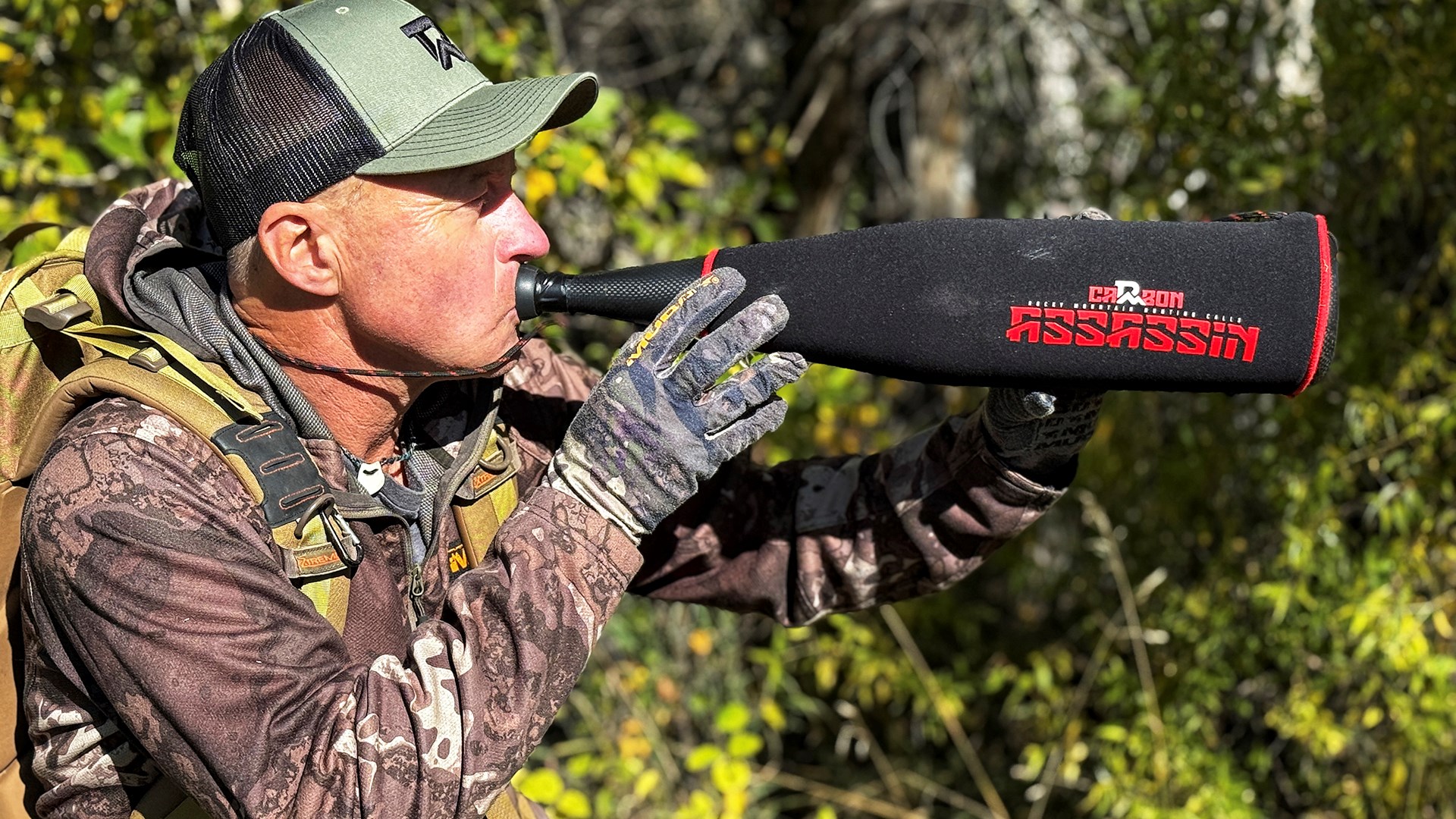
Somewhere in the middle of a Pizza Ranch buffet dream (it’s a Midwest, mid-America thing) a bugle ripped me from the fantasy buffet line. Slinging on my backpack, I waited for a confirmation bugle then jogged toward the fading resonation of my audible clue. The next time I heard the bugle, depression set in. The herd was crossing a private valley and returning to where I had encountered them that morning. Slumping onto a slope, I could feel the excitement of September elk hunting ebbing through my body. With little hope, I lifted my Rocky Mountain Hunting Calls bugle (rockymountainhuntingcalls.com) to my lips to get one last confirmation of the runaway herd. Before I could lower the bugle, the primordial scream of a bull just yards away shocked me. Was my luck about change?
I immediately jumped to my feet and scurried uphill through a cedar patch with a downwind advantage. He bugled again, this time closer. He demanded a meeting. An opening appeared to the side I suspected the bull would follow through the trees and, as I paused, he materialized. With several branches veiling me, I drew on the bull, and he scrutinized the movement through the limbs a second too long as my arrow found its mark in his heart. Although the bugle brought an ending to this hunt, waiting near water and moving in an anticipatory fashion assisted in my DIY, public-land success.
Bugles and cow calls rock to rev up fall elk. Nevertheless, you can increase your elk success by going beyond a bugle-only belief. Bump up your bugling with these additional approaches to public-land elk.
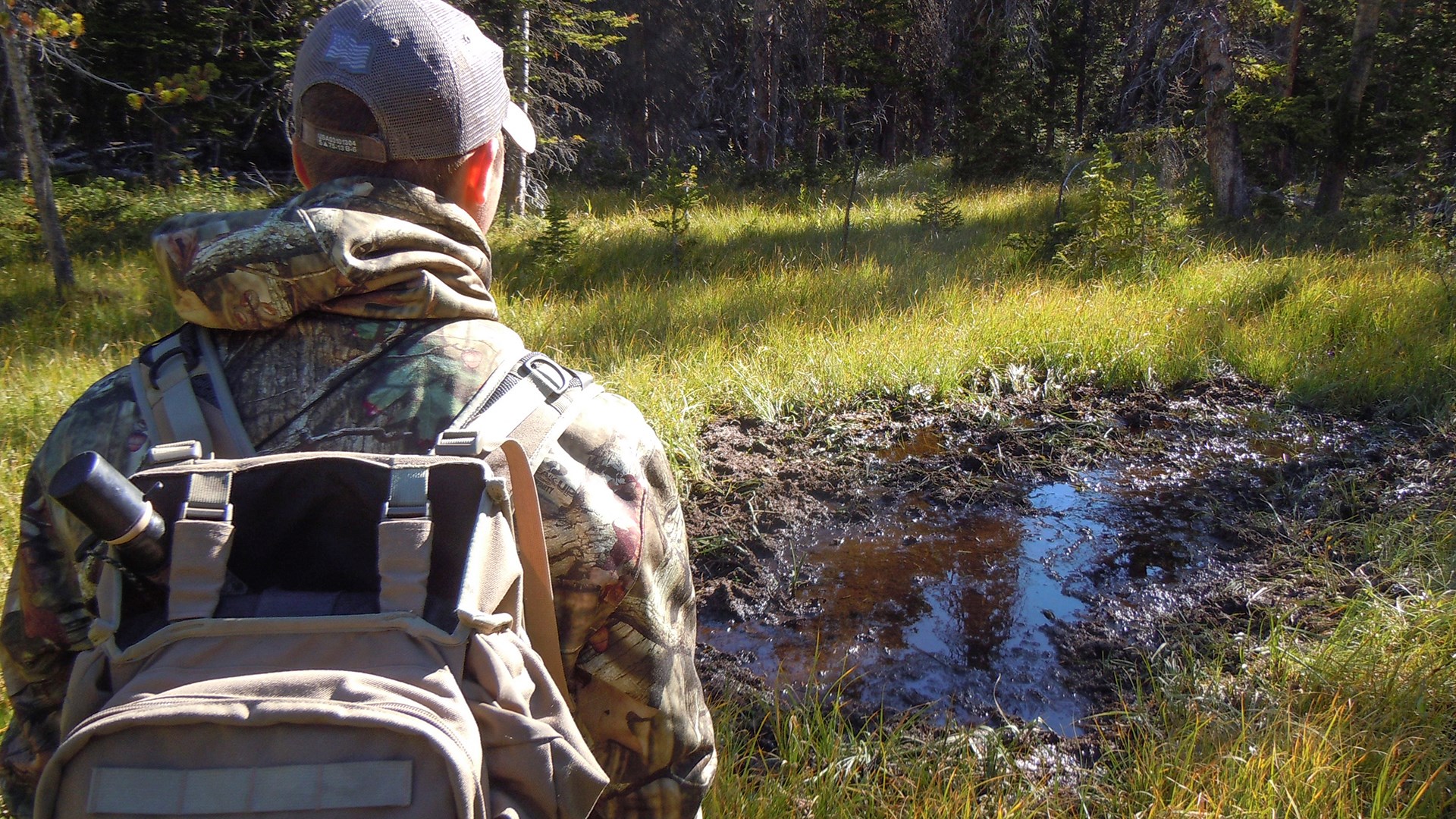 Keep in mind wallows or water, trails or saddles and dark timber with benches as possible ambush sites elk will frequent at midday.
Find Elk Then Worry About Wind
“We won’t be able to hunt there until the thermals switch,” a hunting partner of mine whispered as we hatched a plan in the predawn dimness. I’ve heard this argument before, and it holds water if you hear elk nearby or fully know elk are in a downwind position to catch your scent. But use common sense. While trying to pinpoint elk you might ultimately give up acres of hunting potential simply by avoiding areas where your scent might disperse. I don’t do this anymore. If I do not have any clues elk may be downwind or in a thermal conduit of my wind-driven scent, I search for elk first.
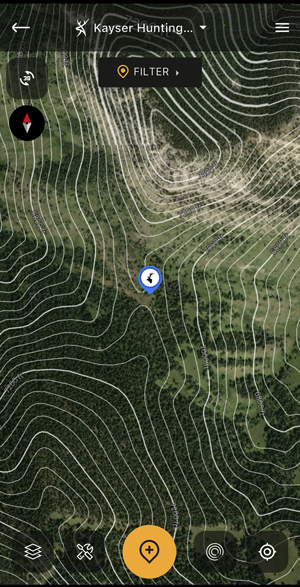
That sounds like a haphazard approach, but wind funnels indiscriminately, even when thermals are in play or forecasts are considered. Terrain, such as small draws, side canyons and vertical ridges, plus the heating of the day, all add to shifts, spirals and modifications that you cannot predict other than in the microenvironment within a short radius around you. I rely on my HuntStand hunting app (huntstand.com) with its wind graphic to begin my day but quickly must improvise in the mountains with so many factors in play. My best improvisation is to merely move through country to locate elk. Once they are found, I revert to being a freshman in junior high and work out geometric angles of approach utilizing the given wind in an area.
For example, I always access my favorite hunting area in Montana by ascending to the top of the mountain, more than 1,500 feet from a lower trail, and wait for elk to scale the opposite side as they leave morning meadows after feeding. Cool thermals drop my scent down to them, but by adjusting and allowing terrain to funnel my scent down a different canyon, plus moving horizontally above them so my scent is not descending directly down, I have tagged several bulls with this mountain strategy. Find the elk first. Worry about wind later.
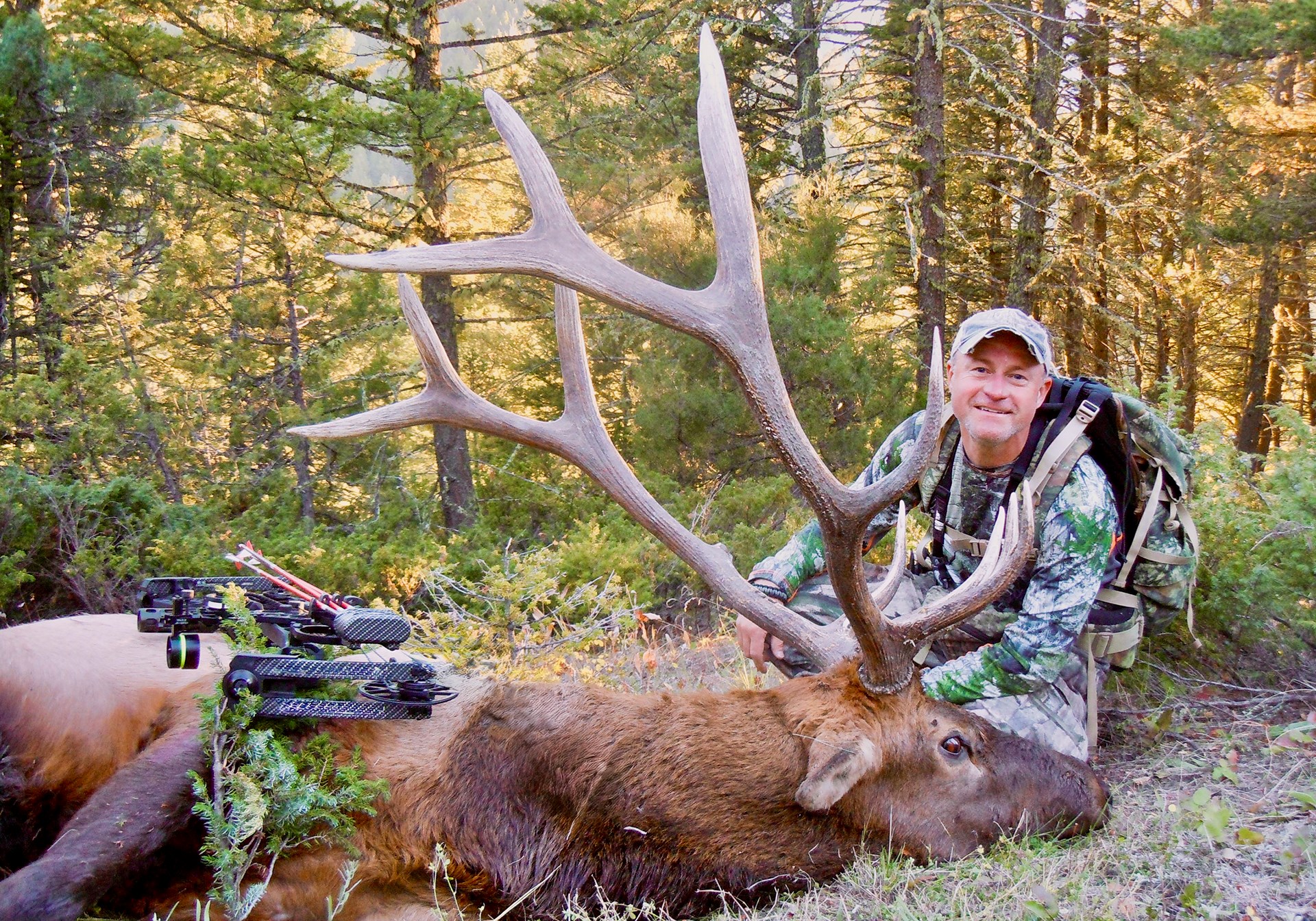 Call, yes but move downwind quickly after you do. It’s a tactic the author has used to perfection countless times.
ABM: Always Be Moving
Autumn elk, particularly in September, rarely stand still. They cool their jets while bedding and slow down while grazing, but in between perpetual motion takes over. Calves play carefree within a herd. Cows round up calves, dodge bull advances and fling hooves while keeping the pecking order. And bulls will be bulls with unchained courting and defensive moves against satellite bulls within their personal space. This motion peaks during morning rushes to sanctuary cover and dusk sprints to feed or water. In brief, you rarely find yourself in the presence of a bull that is in lockdown.
With that in mind, your stalking routine and especially your calling strategy should include movement. By its very nature, stalking includes movement but any stalk on elk requires you to foretell their track for a high probability of interception. Just following along usually ends in you losing the herd due to their long-legged jogging or you running out of gas during the chase.
With elk already on the move your hunting app becomes a critical tool in deciphering where they may end up. Immediately scan for areas that are not near ATV trails, separated by a canyon or two or have a steep north face a lengthy distance from their morning departure location. If a herd develops a pattern, search for ways to navigate to their hidey hole before they arrive. Be waiting where they want to be instead of calling them to a location they just left. Chasing bugles at dawn accelerates your adrenaline but could leave you lonely an hour later. If you know their end game, you’ll have a midmorning, midday and afternoon chance for a successful meeting.
Your disco dance move should be to call and shift positions with downwind swings. Pressured elk tend to angle downwind of the last known origin of sound, your mews or bugles. Adjusting downwind approximately 100 yards, more or less depending on habitat, puts you in the locale of where a downwind bull could appear. I’ve shot several bulls, mainly with arrows, where I bugled, mewed then raced downwind to set up for a savvy bull to pass by. One of my most memorable shots didn’t include a kill, but a missed opportunity on a plump 5x5 bull that showed up out of nowhere and stopped perfectly at 12 yards … with a tree trunk blocking his vitals while I was at full draw. He whirled a moment later, and I never had a shot. I made a promise to come back someday with my chainsaw and remove that venison-stealing tree.
Add the Extra Sounds
“We’re going to do what?” my perplexed son asked me. I had just finished explaining that to get a hung-up bull we’d been working on for more than 20 minutes we had to sound like a herd moving through the forest. Moving away from the bull at a 90-degree angle, we jogged down a mountainside tumbling rocks, snapping branches and emitting the occasional calf chirp. On a lower bench we separated, and he set up in a clump of stunted pines while I raced 50 yards away behind a large lodgepole. Moments later and without a sound, the bull walked out from behind a veil of pines, and I soon heard the thwack of my son’s broadhead smacking the lonesome 6-pointer.
That bull’s reluctance went out the window when it heard elk leaving in a rutting rush. Add those sounds to create a house party atmosphere or merely the subtleties of elk doing their thing in the woods. Yes, elk can be as quiet as church mice, but as big creatures, with weights exceeding 500 pounds and calves exhibiting squirrel-like enthusiasm, elk tend to make noise when comfortable with their safety. Elk woods are strewn with limbs, deadfall and scree slopes and all make noise when a heavyweight elk takes the wrong step. Add in a few of these as you move between calling sites.
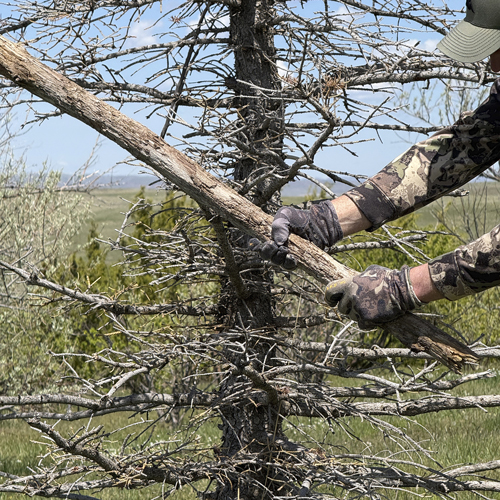
Snap, crackle and pop are not the only sounds you can create to fool an elk questioning the situation. I’ll often pick up a limb and begin raking the trunk of a tree to impersonate a bull sparring with a tree. Early in the rut, after velvet removal, bulls do this to release testosterone aggression. During the rut they rub and rake to advertise dominance.
Another elk noisemaker I add while hunting wallows creates the sound of a bull splashing in the mud/urine spa. Pick up a log 10 inches or larger in diameter and several feet long. Now, whack it in the water to sound like a bull pawing or rolling in the muck. Be extra careful to direct the splash away from you as to not get covered in the mud/urine love potion elk create at a wallow.
Finally, recreate the sound of bull glunking. This guttural, rhythmic reverberation is the sound a bull makes when excited, especially while hounding a cow in estrus. Tap lightly with your palm on the bell of a bugle to create the glunking sound. Bulls understand its meaning. On quiet days the sound carries. A couple years back I glunked a bull from more than 200 yards into 40 yards for a September finale.
Make a Midday Plan
Elk hunting is exhausting, at least the DIY, public-land hunts I participate in. They wear me out more than listening to the nonstop chatter of political pundits. Making your way back to camp or simply dropping your pack and crashing under the nearest pine are options. Lord knows I take my share of midday naps in elk country. Give your downtime more meaning. Instead of just dropping wherever, map out locations that may provide possible midday elk encounters as you recharge your batteries.
Yes, elk country is big and daunting, but elk do exhibit some patterns, even during midday. Three locations I always evaluate for a midday rest stop include water or wallows, trails or saddles and dark timber with benches allowing for comfortable elk bedding grounds. Even though elk do rest up at midday with cud chewing as a priority, during September and into October bulls have ants in their pants. They may bed, they may get up and sniff an incoming estrus cow. They may rise and walk hundreds of yards away from a herd to rehydrate or wallow. And satellite bulls could simply take off cross-country in search of new action.
I rank water, particularly in arid zones, as my top choice for a midday respite. Springs, reservoirs and puddles along creeks, among other locations, attract elk that require gallons of water to hydrate daily. In addition, bulls seek out water with a penchant for mud to urinate in and splash or roll across their bodies as a walking announcement of scent-driven authority. You may be able to preset a ground blind or hang a treestand in areas near trails but expect to situate yourself downwind and hunker in cover. Open an eyelid every now and then to check for a silent bull visiting the spa. I’ve shot several good bulls while waiting at water including a 6x7 herd bull that walked away from his harem to wade into a pond 36 yards from me. Luckily, he expired on solid ground.
Heavily used trails and those that cross saddles also represent excellent setup sites for a midday siesta. With trails crisscrossing much of elk country, be on the lookout for those with crisp, fresh tracks, mushy, steamy droppings and fresh elk rubs along the route. Consider where they lead to and from to adjust where you should set up. It’s best to set up along a trail near bedding cover for a possible midday nap rousting as opposed to one near food that may not see action until early evening.
Finally, if you stumble across bedding sign on a bench in dark timber, mull that as an option to relax and wait for possible impatient bull action. Bulls, especially satellites, may roam through dark timber at midday searching for a herd to pester. An entire herd may even ghost through after being bumped by hunters elsewhere. You never know. One September I was sitting on a log, munching on trail mix and listening to my transistor radio via a single earbud. My good ear picked up elk sounds and I slowly glanced to discover a bull 20 yards away. He passed by closer than that as he surveyed the bedding area and finally looked away at 29 yards, which enabled me to get the shot. I never finished my trail mix.
* Looking for more useful hunting tactics and adventure from Mark Kayser? Follow along with his hunts this season on Instagram @kaysermark and Facebook @markkayseroutdoors.
Elk Extras
As the years pass, I strive to make my backpack lighter. The elk mountains are not getting any shorter. Nevertheless, I always stash several elements in my pack to aid in the tactics outlined here.
First, I rely primarily on two elk calls. Both are manufactured by Rocky Mountain Hunting Calls. This article stresses going beyond the bugle, but you do need a bugle, and the company’s Assassin Carbon Bugle Tube pairs perfectly with your other calls and tactics. I team it with any number of their diaphragms (I’m partial to the Black Magic GTP) to achieve realistic sounds via the innovative V.E.T.T. (volume, enhanced, tone, technology) mouthpiece system to reduce vibration that combines with the carbon for true resonance. I even chirp their Lil Flirt cow call through it to enhance its true sound. rockymountainhuntingcalls.com
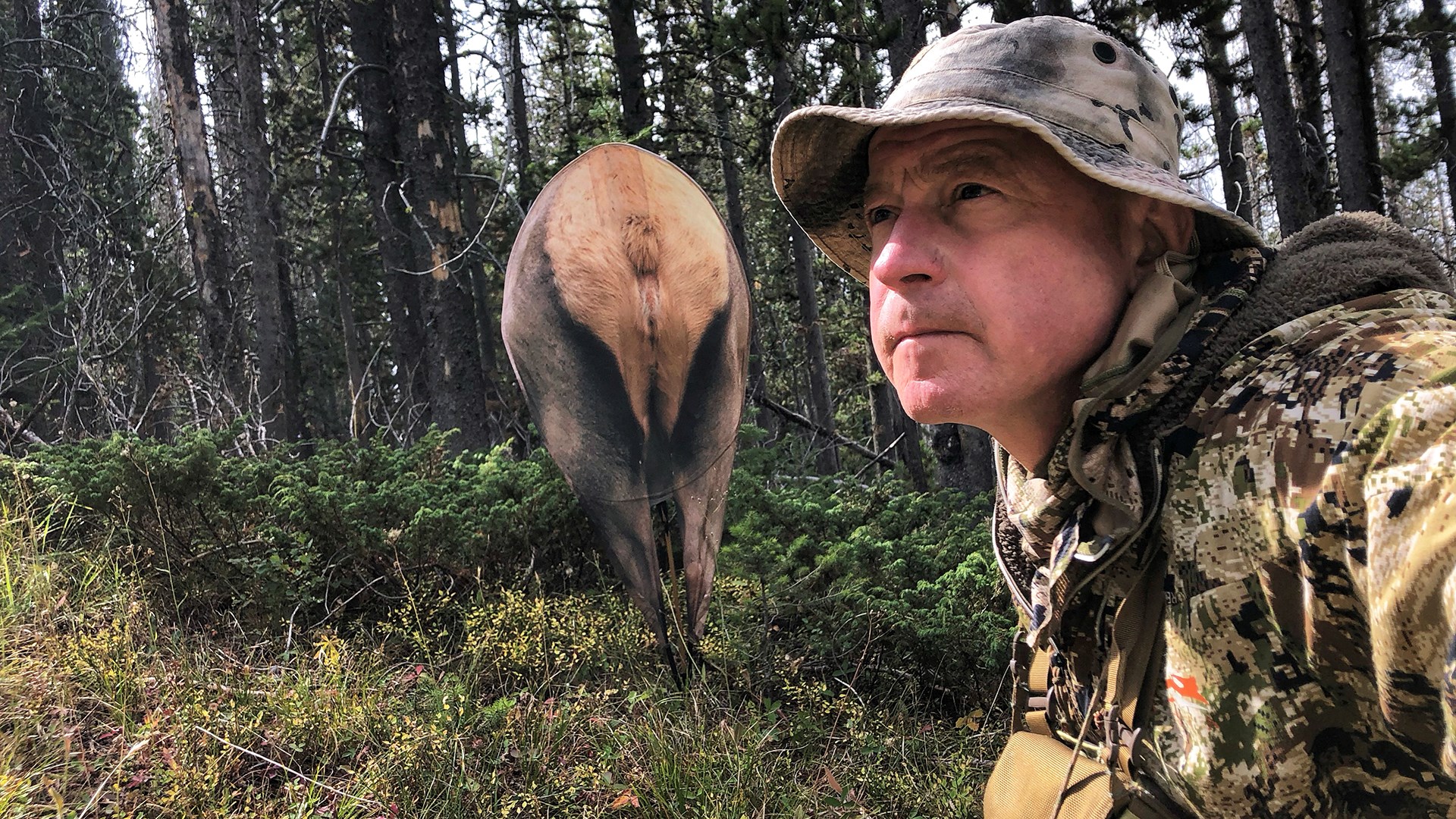
To add a visual reality to my bugles, I carry the lightweight Montana Decoy Company Backcountry Elk (bow season only). It features the photo realistic butt of a cow elk in easily deployable 2D fashion. It folds up to a 9x9-inch bundle and weighs just more than 2 pounds. montanadecoy.com
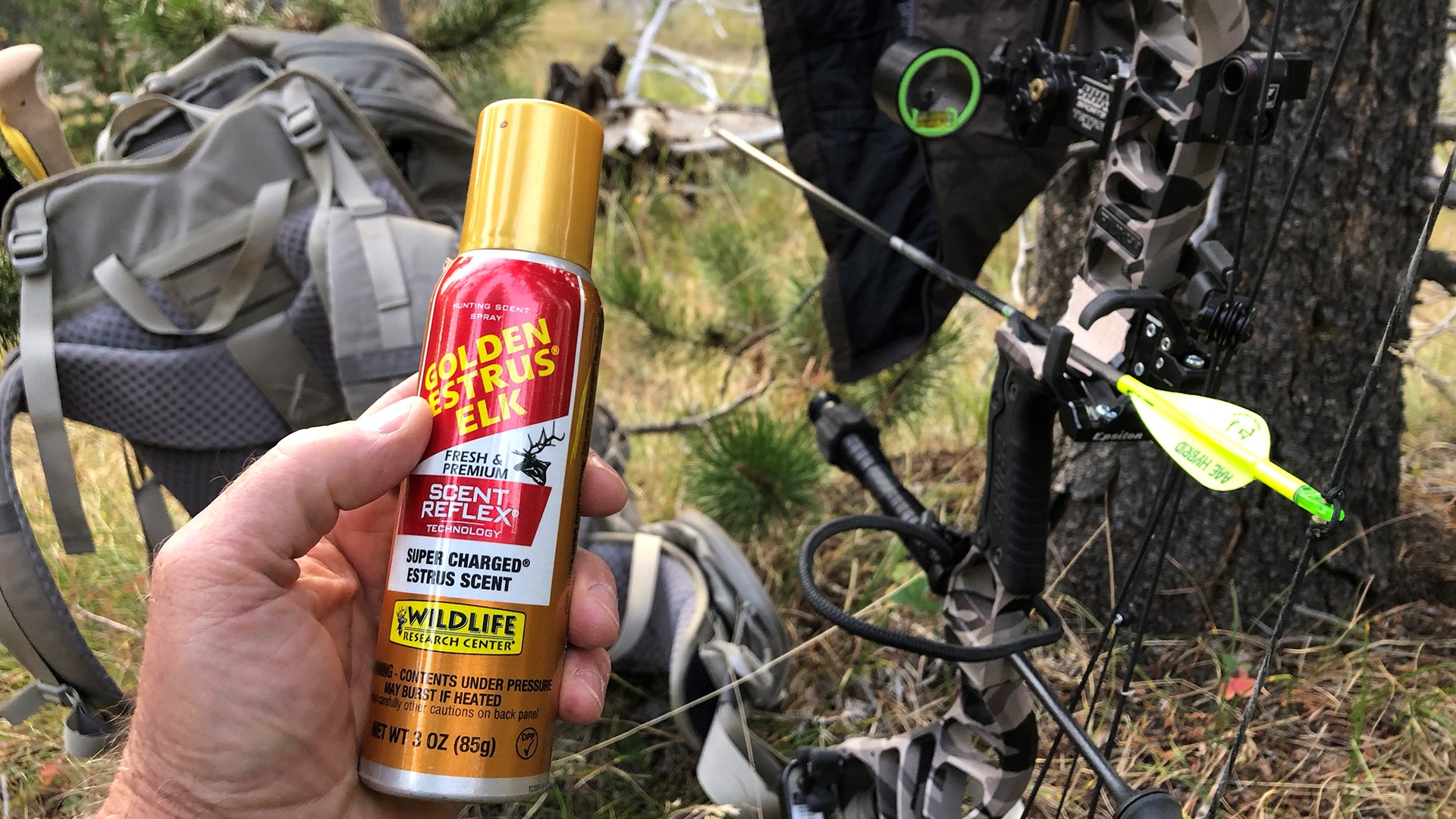
Finally, while waiting near trails and wallows, I always disseminate the scent of elk in an upwind area where elk will likely ramble about. Wildlife Research Center has several great elk scents including Golden Estrus elk that, when misted around a wallow or soaked in a wick, can attract and distract elk while I settle for the shot. wildlife.com