The first dozen years of the 20th century saw British gunmakers hard at work, developing those cartridges for the bolt-action repeating rifles which would go on to become the benchmarks of international hunting. Having made the transition from black powder and pure lead projectiles to smokeless powder and copper-jacketed bullets, the accepted caliber and bullet-weight minimums were definitely being challenged. Those traveling sportsmen headed for the various British and European colonies were both pushing the boundaries and—through field trials—developing many of “rules” by which we still abide to this day.
Among these cartridges were big-game legends like the .375 Holland & Holland Magnum, .416 Rigby, .404 Jeffery and the .425 Westley Richards. It was common for these prestigious names to pair these larger ‘medium’ bores with a smaller cartridge, one suitable for all game in a pinch, but without the stopping power of their larger siblings. These pairings included the .350 Rigby Magnum and .416 Rigby, .425 Westley Richards and .318 Westley Richards, .375 Holland & Holland and (initially) the .275 Holland & Holland Magnum or (in 1925) the .300 Holland & Holland Magnum, and finally the .404 Jeffery and .333 Jeffery. I have fallen head-over-heels for the .404 Jeffery, but the .333 Jeffery has sadly faded into near obscurity; yet it played an important role in a few ways, and still makes a great choice for larger thin-skinned game animals.
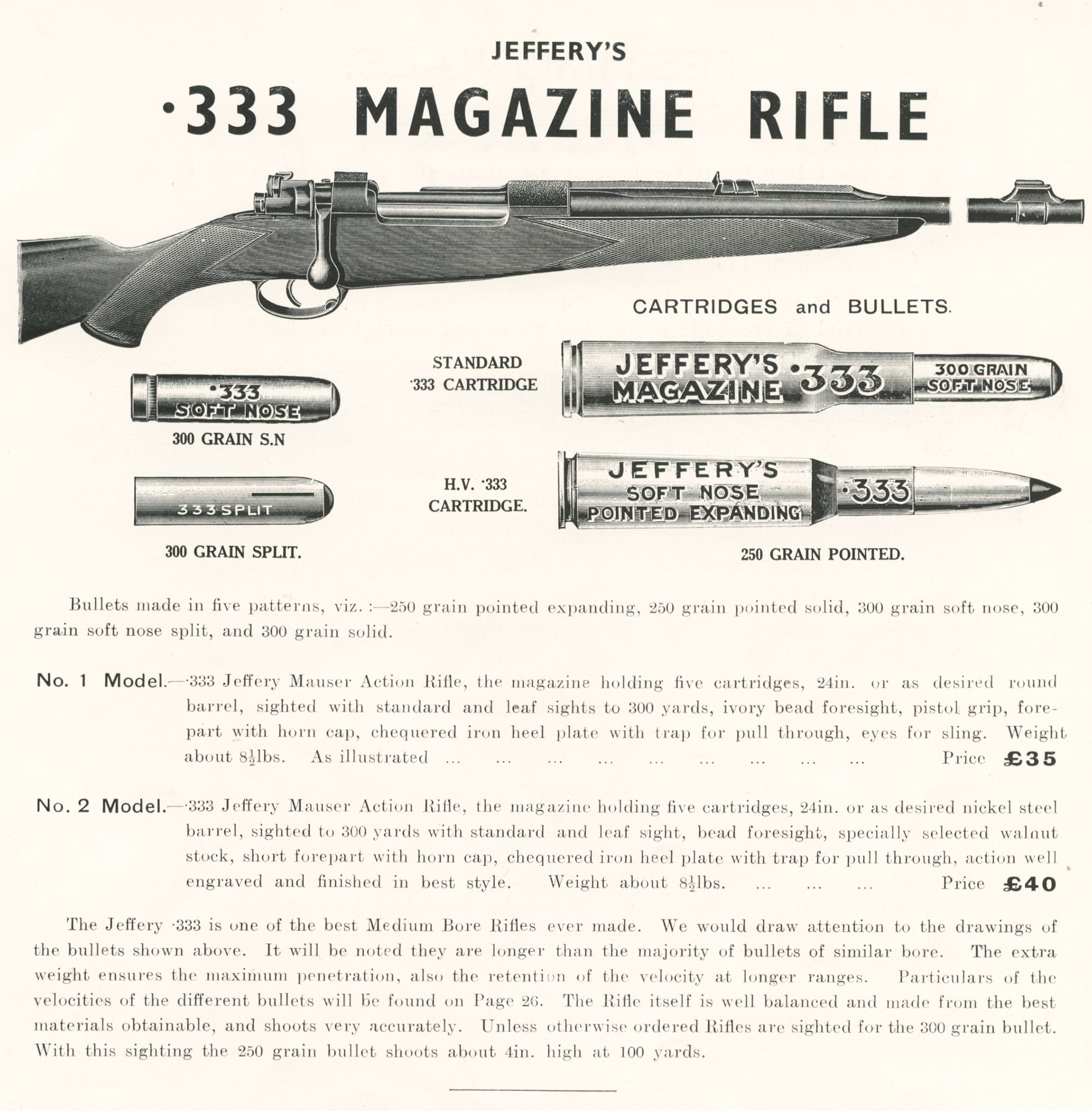
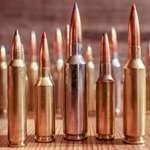
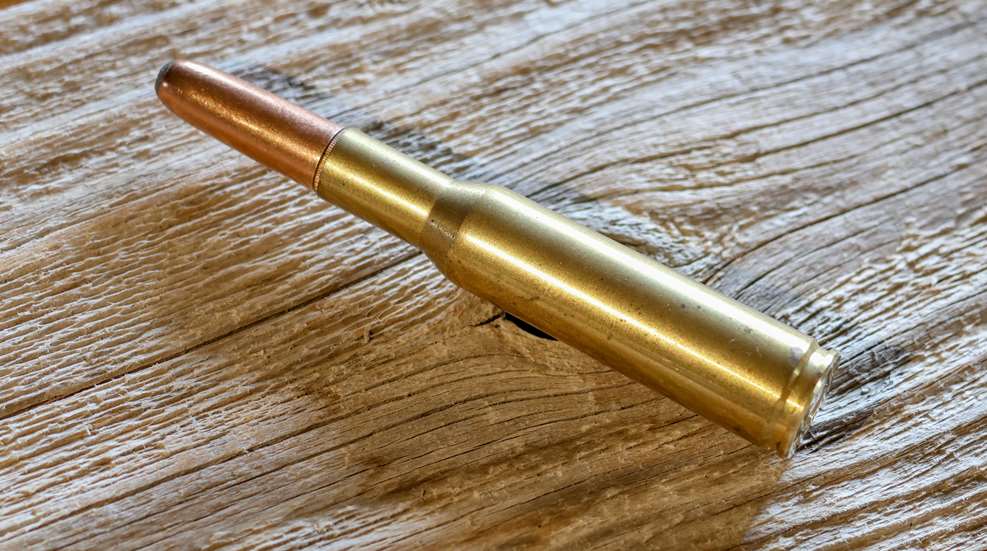
W.J. Jeffery & Co. of London had released the .404 Jeffery in 1905, designed for use in a Mauser bolt-action repeating rifle, and they necked that excellent cartridge down to hold bullets of .333 inches in diameter. Exactly where that bullet/bore diameter came from is lost to history, and it seems to be entirely proprietary. Using a case measuring 2.475 inches, with a cartridge overall length of 3.500 inches, the .333 Jeffery fits neatly in a long-action receiver. In near-opposition to the .404 Jeffery’s slight, eight-degree shoulder, the .333 uses a 19-degree 51-minute shoulder to handle the headspacing duties and the 0.538-inch neck will certainly hold even the longest bullets firmly in place. And long the bullets for the .333 Jeffery are! The original ammunition loadings saw a 250-grain copper-capped hollowpoint bullet at a muzzle velocity of 2,500 fps, generating 3,480 ft.-lbs. of energy at muzzle, and the much more famous 300-grain bullet at 2,200 fps, for 3,230 ft.-lbs. of energy at the muzzle. Please keep in mind that, common for the era, these velocity and energy figures were derived using a ballistic pendulum and a 28-inch barrel, so in reality the velocity and energy figures you might see in reality would be a bit lower. This is common to a good number of cartridges of this early 20th century-era.
That 300-grain slug has a Sectional Density of .386—a fantastic figure when it comes to penetration—and it was that bullet that helped garner the reputation that the .333 Jeffery had among the early hunters of Africa and India. With a mild recoil and a projectile which offered impressive penetration even on larger game species, the .333 Jeffery has been used on all game species, including the massive African elephant, though the larger bore diameters are invariably better suited for that work.
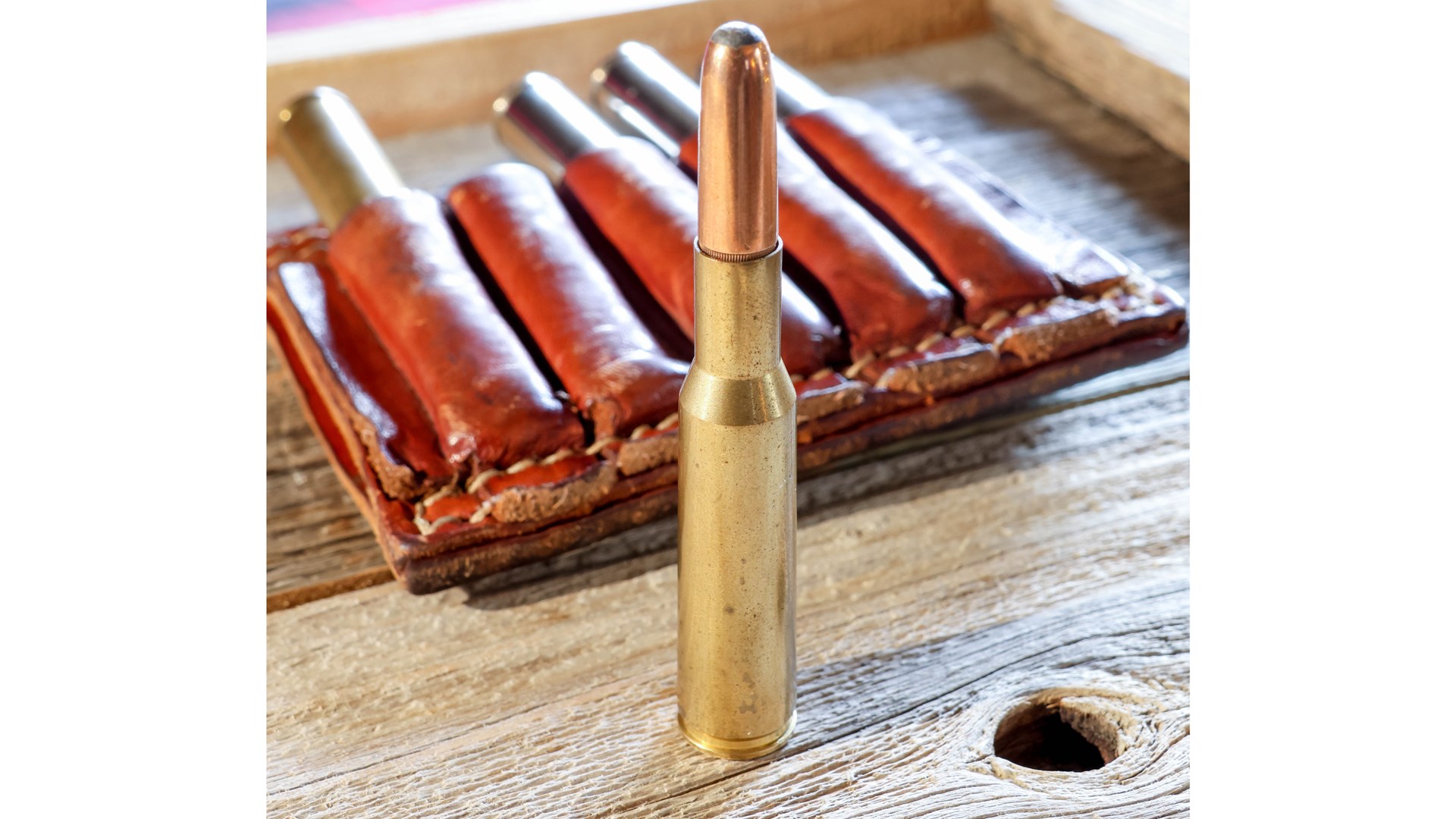
It was the reputation of the .333 Jeffery’s bullets that led Charlie O’Neil, Elmer Keith and Don Hopkins to mate the .333-inch diameter projectiles with the common and plentiful .30-06 Springfield case, resulting in the wildcat .333 OKH, a precursor to the .338-06, in 1945. That trio also developed a .334 OKH, using the same projectiles, but with a shortened .300 H&H Magnum case; this was assuredly the inspiration for the .338 Winchester Magnum, which mated a shortened H&H case and the .338-inch-diameter projectiles of the earlier .33 Winchester.
In addition to the rimless cartridge, W.J. Jeffery offered the .333 Jeffery Flanged, a rimmed variant of the design, for use in the single shot and double rifles. Essentially just a rimmed version of .333 Jeffery, the pressures were lowered slightly, and velocities ran about 50 fps or so below those of the rimless cartridge. The .333 Jeffery Flanged remains a rarity, even in comparison to the rimless version.
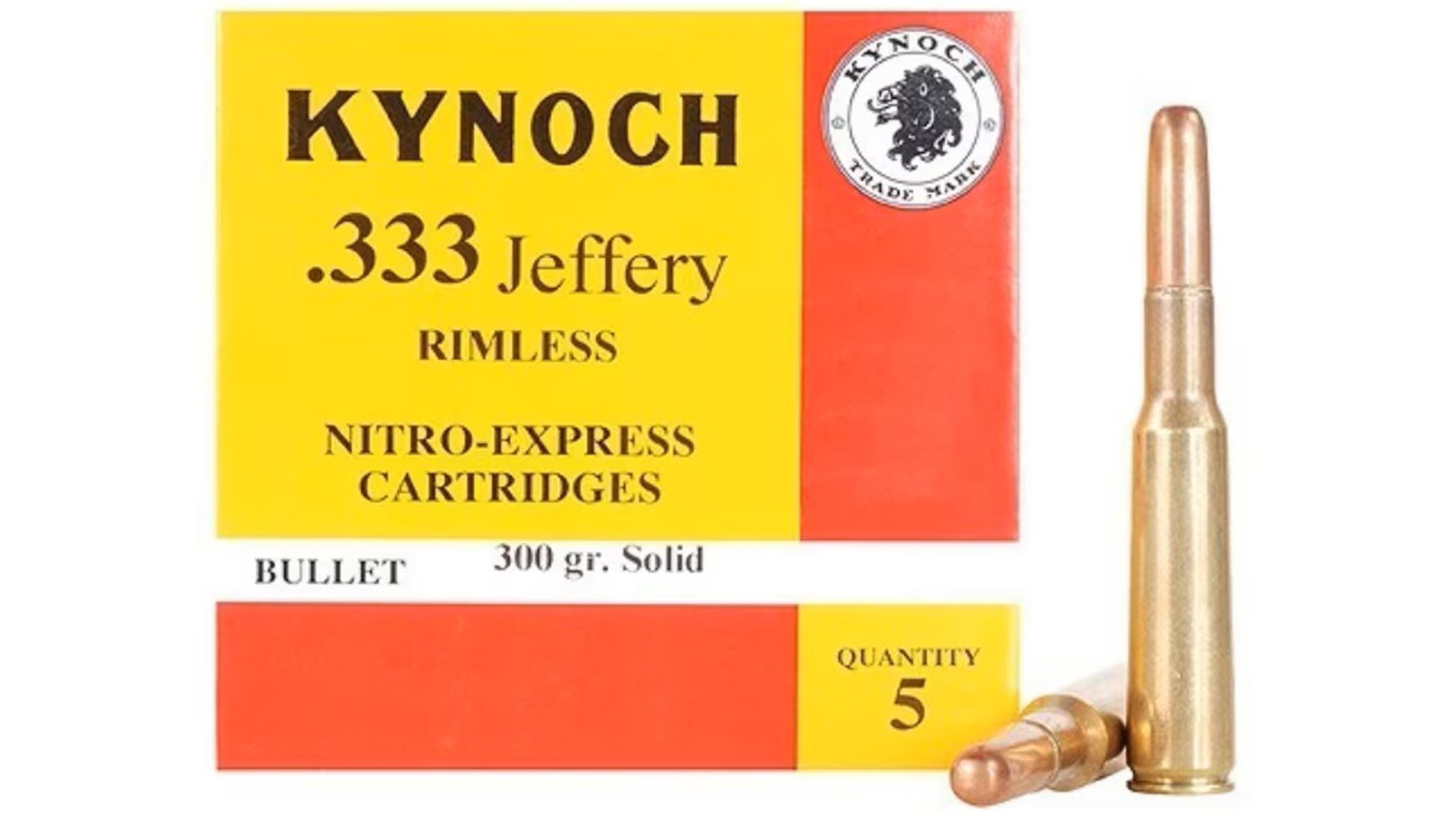
The major issue with the .333 Jeffery is the lack of available factory-loaded ammunition. When Kynoch ceased the production of ammunition for so many of those cartridges referenced in the classic African and Indian hunting literature, many of those British guns went silent. Federal Premium did the world a big favor when they brought back ammunition for the .416 Rigby and .470 Nitro Express in 1988, and Hornady’s efforts to provide quality ammunition for many of those British cartridges—the .404 Jeffery, .450/400 3” NE, .450 NE and .500 NE—are most certainly appreciated. To keep a .333 Jeffery rifle fed, you’re going to have to look to handloading, with cases available from Quality Cartridge (in limited runs), dies from RCBS and CH4D or on a custom basis, and projectiles produced by Woodleigh (in 250-grain softpoint, and 300-grain softpoint and solid), or a custom shop like Hawk bullets from New Jersey. Look to powders in the H4350 or Reloder 19 burn rate, and a good large rifle magnum primer.
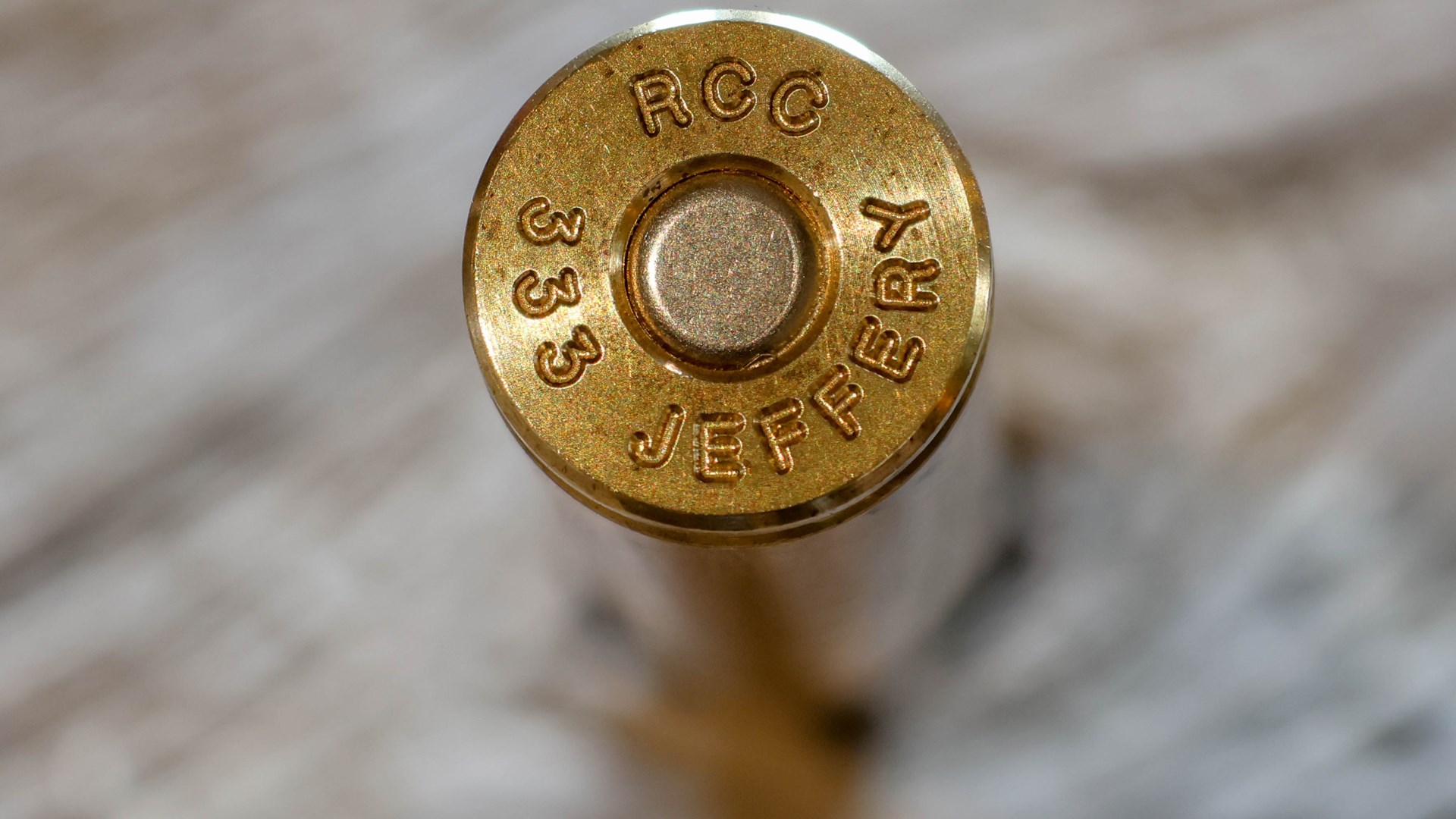
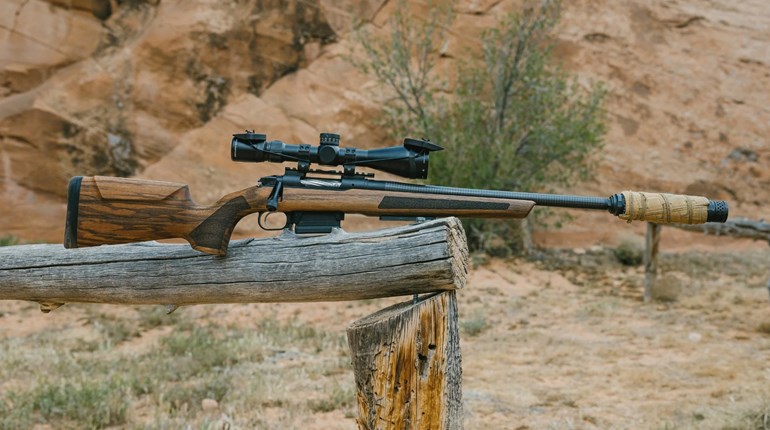
“Practical” is not a word I’d associate with the .333 Jeffery, but if I saw a hunter show up in safari camp with a rifle so chambered, I’d beg a look at it. The cartridge surely represents the Golden Era of African safaris, and that experimental period when the limits of smokeless powder cartridges were being defined. Yes, the .404 Jeffery and .500 Jeffery remain much more popular than the 333 Jeffery, but the fact that the cartridge is wonderfully effective in the field cannot be ignored.