
 The “Myth”
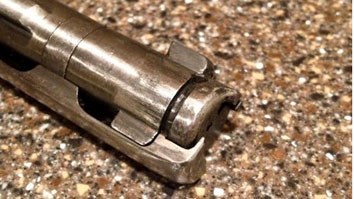
The claw extractor, introduced by Wilhelm & Paul Mauser in the late 1800s, is an infallible system of feeding and extraction.
The Design
Made world famous by the 1898 Mauser, the claw extractor rides on the right side of the bolt and runs the full length of the bolt body. The extractor does not rotate, instead, the bolt rotates and the extractor remains attached via a collar. The extractor hook grasps the cartridge rim as it rises from the magazine and holds it under tension as the cartridge is fed into the chamber and extracted. The design is considered superior to other systems since it provides “controlled round feeding,” that is, the cartridge is held in place throughout the process and is less prone than other systems to short-stroking, double-feeding, etc. The claw extractor is considered favorable for dangerous game hunting due to the inherent reliability of the system.
The Models
Beside the aforementioned Mauser ’98, the claw extractor can be found on the Winchester Model 70 (except for the “push feed” models produced for 30 or so years), the Dakota 76, Kimber’s bolt action rifles, the CZ’s 550 and 527, Ruger Model 77s (claw only effective on extraction) and others. Essentially, just about every turn bolt rifle that doesn’t follow the Remington 700 “push-feed” design incorporates some derivative of the Mauser-type claw extractor.
The Old World Advantage
When Mauser designed the claw extractor, they had full control over Germany’s massive munitions industry. That means that Mauser controlled the specs on everything from the rifles to the ammunition chambered in them. The claw extractor relies on a consistent rim, extractor groove diameters, and cartridge diameter in order to hold it securely and German munitions factories turned out cartridges with very uniform specs.
The Expert Deferral
I recently spent a day in the shop of custom riflemaker D’Arcy Echols, who is considered one of the World’s premier rifle builders. Echols’ Legend and Classic rifles are built from the ground up to ensure 100 percent reliability and the extractor issue is one that has arisen during D’Arcy’s decades of experience. D’Arcy explained two problems to me—first of all, a proper claw extractor must be constructed of spring or similar steel to function reliably as it must apply consistent, repeatable tension on the cartridge, and many of today’s factory parts are made of inexpensive MIM metal that do not have this property. Secondly, the cartridge extractor groove diameter just forward of the rim must, ideally, be the same diameter from one manufacturer to the next. This would then allow a properly dimensioned bolt face and extractor to apply the same amount of tension time after time round after round regardless of the manufacturer. Unfortunately, modern brass thicknesses can be all over the map. To demonstrate this, D’Arcy pulled random ammunition samples from several modern manufacturers and measured their diameter just forward of the rim in the extractor groove itself.
Measurements Were As Follows:
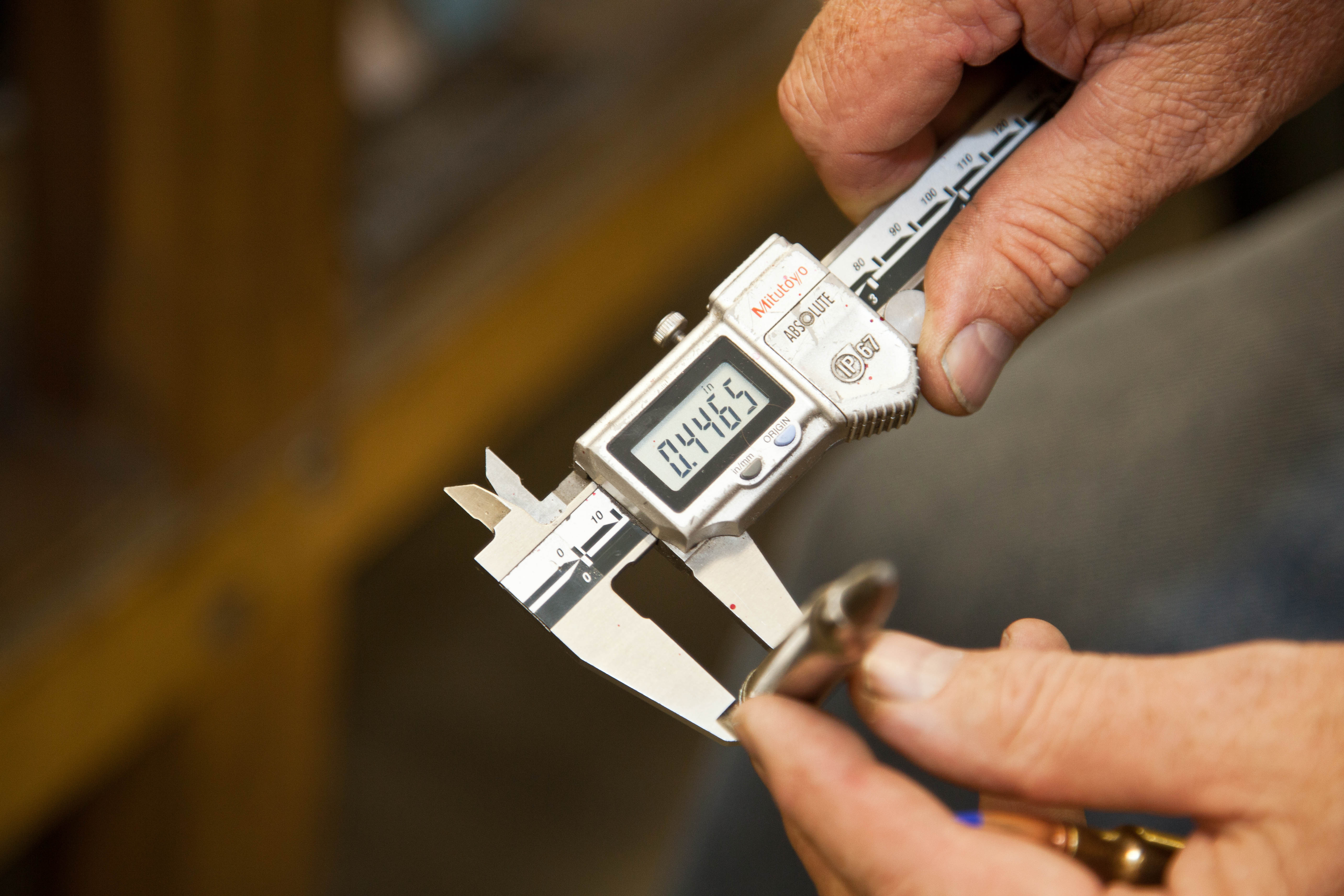
.4465”
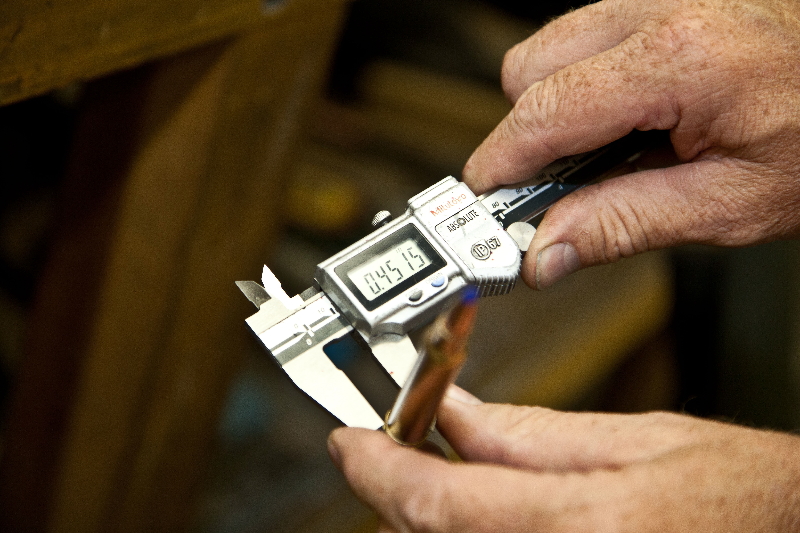
.4515”
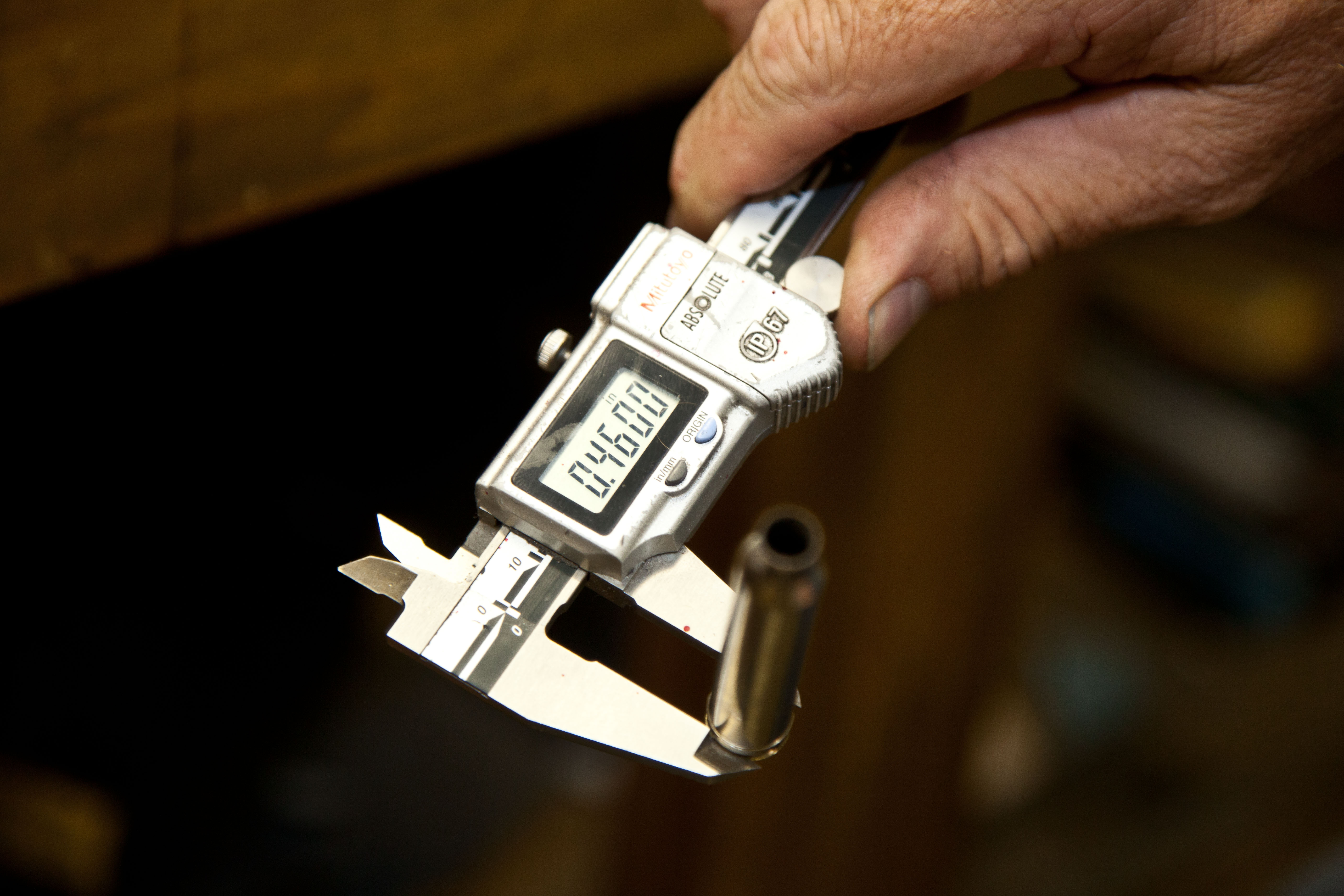
.4600”
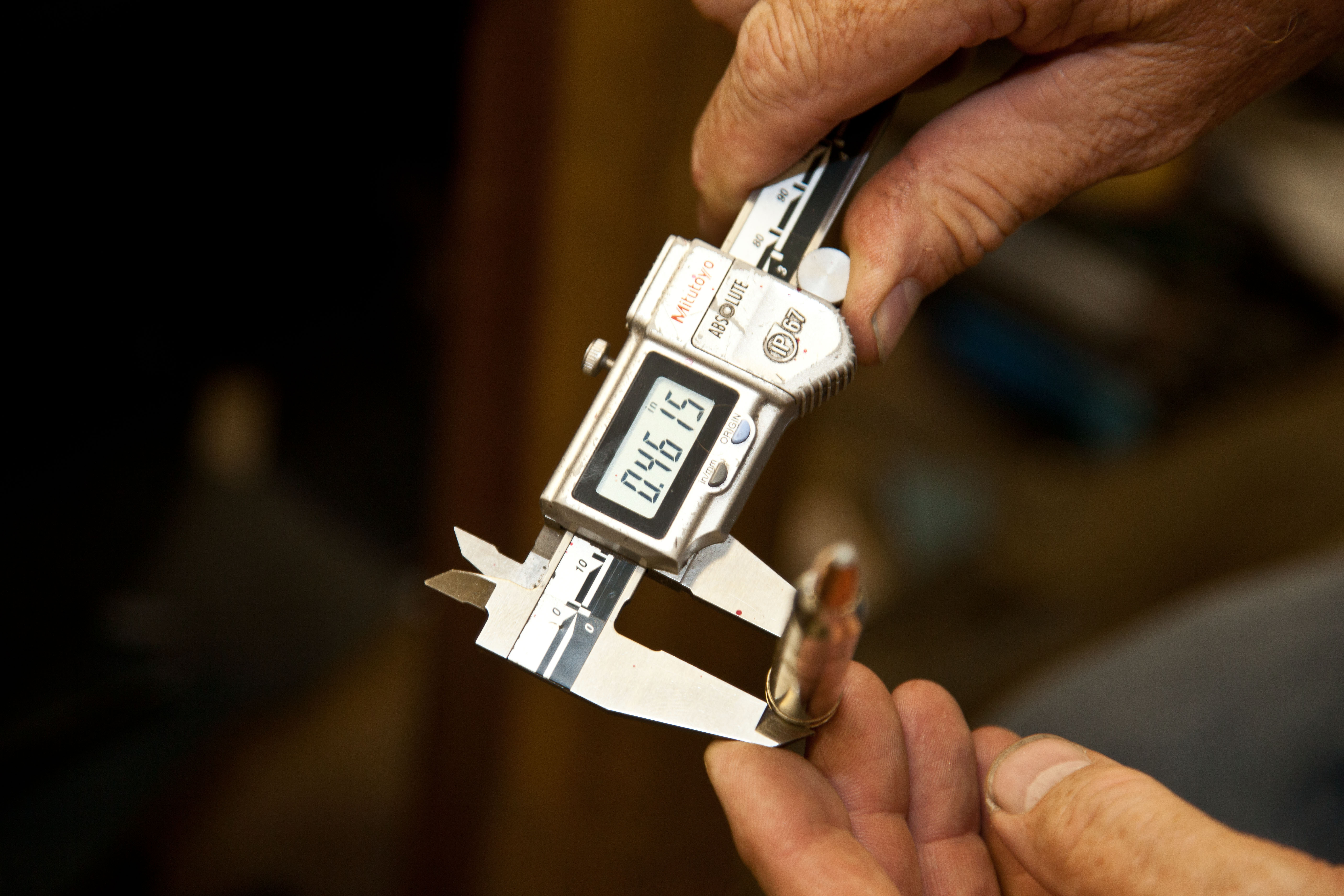
.4615”
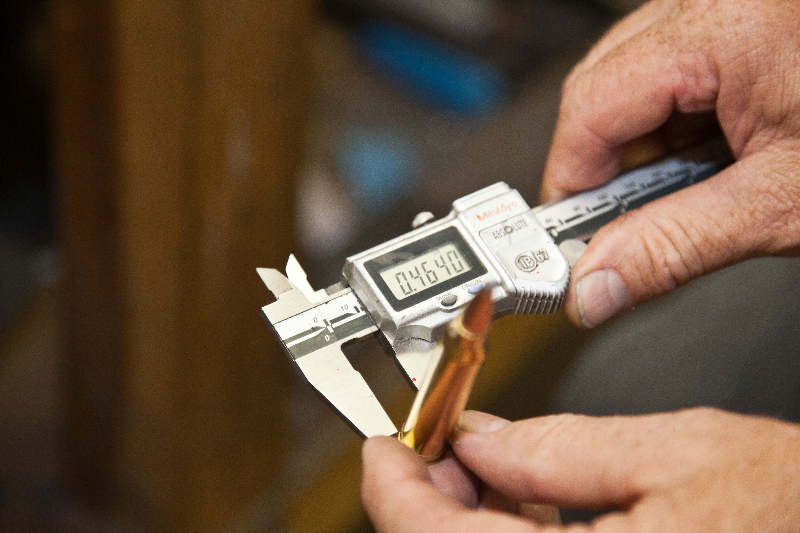
.4640”
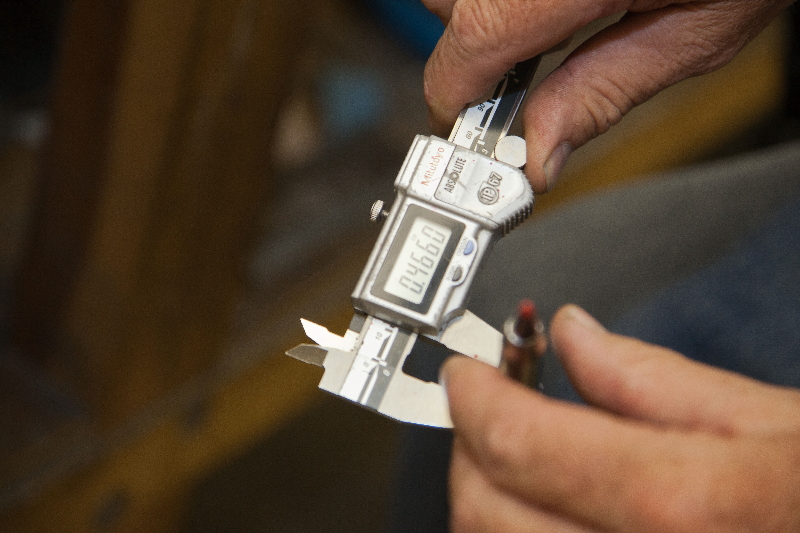
.4660”
The max deviation of the sample was .0195,” which, though within SAAMI specs, is still a large deviation when it comes to such a delicate area. To further demonstrate the practical problem, D’Arcy grabbed the bolt from a .300 Weatherby and placed each round under the extractor. The rounds at the smaller end of the spectrum weren’t secured by any extractor tension, and simply fell to the floor—so much for “controlled round feeding.”
The Ruling
A properly fit Mauser-type extractor constructed of the proper material firmly grasps the cartridge from the time it leaves the magazine until it is ejected from the action and is a brilliant system of ensuring reliability. That said, the exacting tolerances necessary to fit the bolt, extractor and cartridge case in harmony are not present under today’s mass production techniques. In addition, improper steels are often used. What is marketed as “controlled round feeding” on many production rifles these days is a glorified push-feed system, thanks to loose tolerances on both the extractor and ammunition. While this may work most of the time, it is not a foolproof system. If you’re looking for perfection, have an expert gunsmith install a proper extractor and consider sticking to a single source of brass.