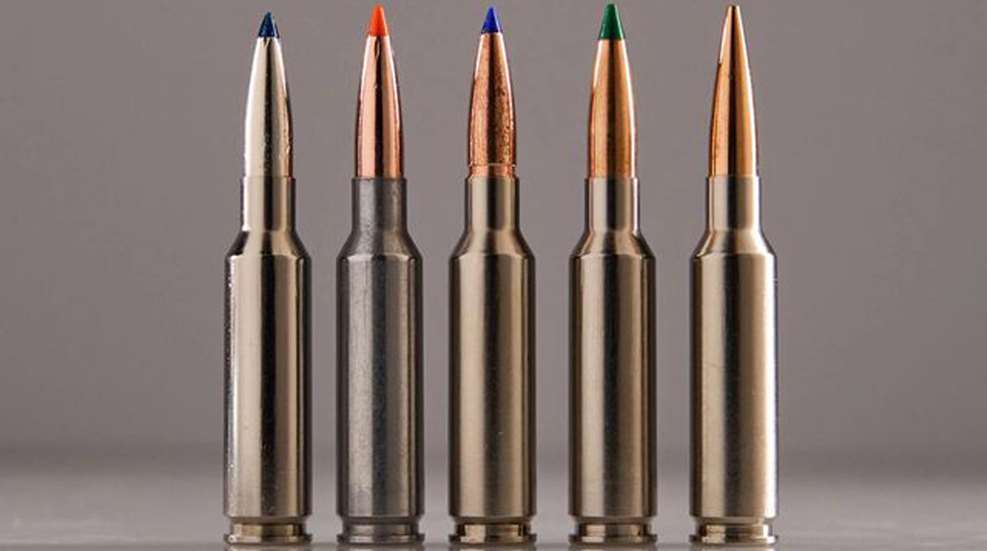
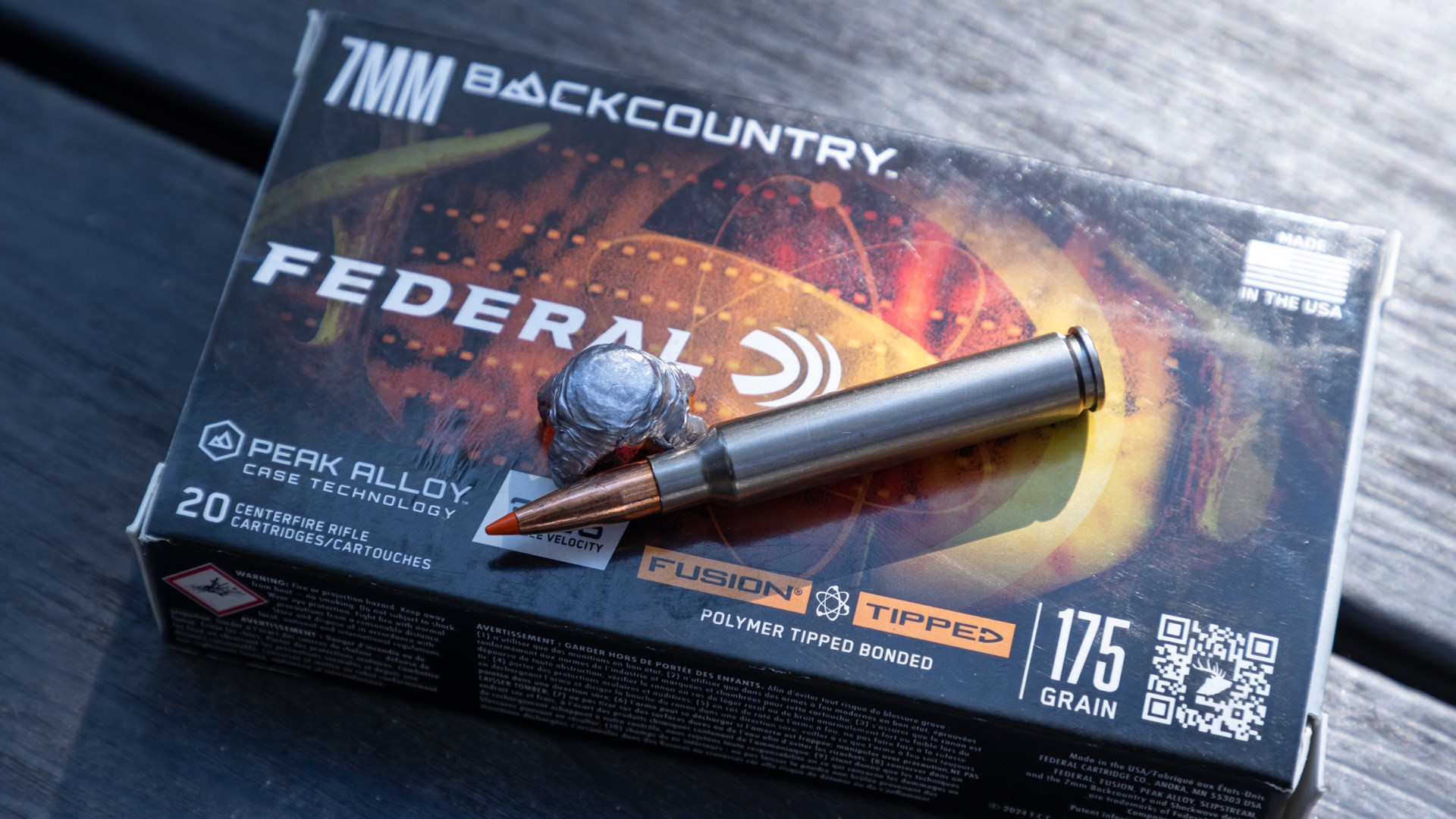
The release of Federal Premium’s new 7mm Backcountry cartridge—mating the Peak Alloy steel cases with the heavier 7mm projectiles, and delivering 7mm Remington Magnum velocities from a 20-inch barrel—was an absolute eye-opener for me. Not that the velocities were unprecedented, nor was this the first attempt at varying from the traditional brass case. But the concept of breaking the long-accepted pressure maximums, and perhaps establishing a new standard, assuredly intrigued me. The history of the projectile, and of the centerfire cartridge, is fascinating, and it seems as though we are ready to take the next step forward. Or are we?
Just 150 years ago, the centerfire cartridge was still a new-fangled idea, despite the fact that we had the .45 Colt, .44-40 WCF and .45-70 Government. In fact, my dad hunted with old timers who still used muzzleloading rifles into the 1920s, and they weren’t trying to take advantage of another season—it was what the family had. Yes, the .30-06 Springfield and 7x57mm Mauser were available, but the technology (and financial means) hadn’t reached those simple folks yet. Those muzzleloading rifles, with their blackpowder charges and patched lead ball or bullet were only capable of generating so much velocity. All that changed with the advent of the contained cartridge, which gave a velocity (and pressure) increase, and when smokeless powder came on the scene in the late 19th century, it showed the limits of the lead projectile. Once the velocities climbed a bit over the 2,000 fps mark, the lead bullet would violently skid down the barrel, instead of ‘taking’ the rifling and going into gyroscopic stability.
Placing a jacket of copper—a material harder than lead, yet still soft enough to receive the imprint of the steel barrel’s rifling—changed matters again, and what we might consider the modern centerfire cartridge was born. By this time, the cartridge case material has changed from copper (popular in the post-Civil War era) to brass, which was durable enough to maintain its shape during handling and loading in a repeating rifle, yet was malleable enough to be reshaped and reloaded in a simple press.
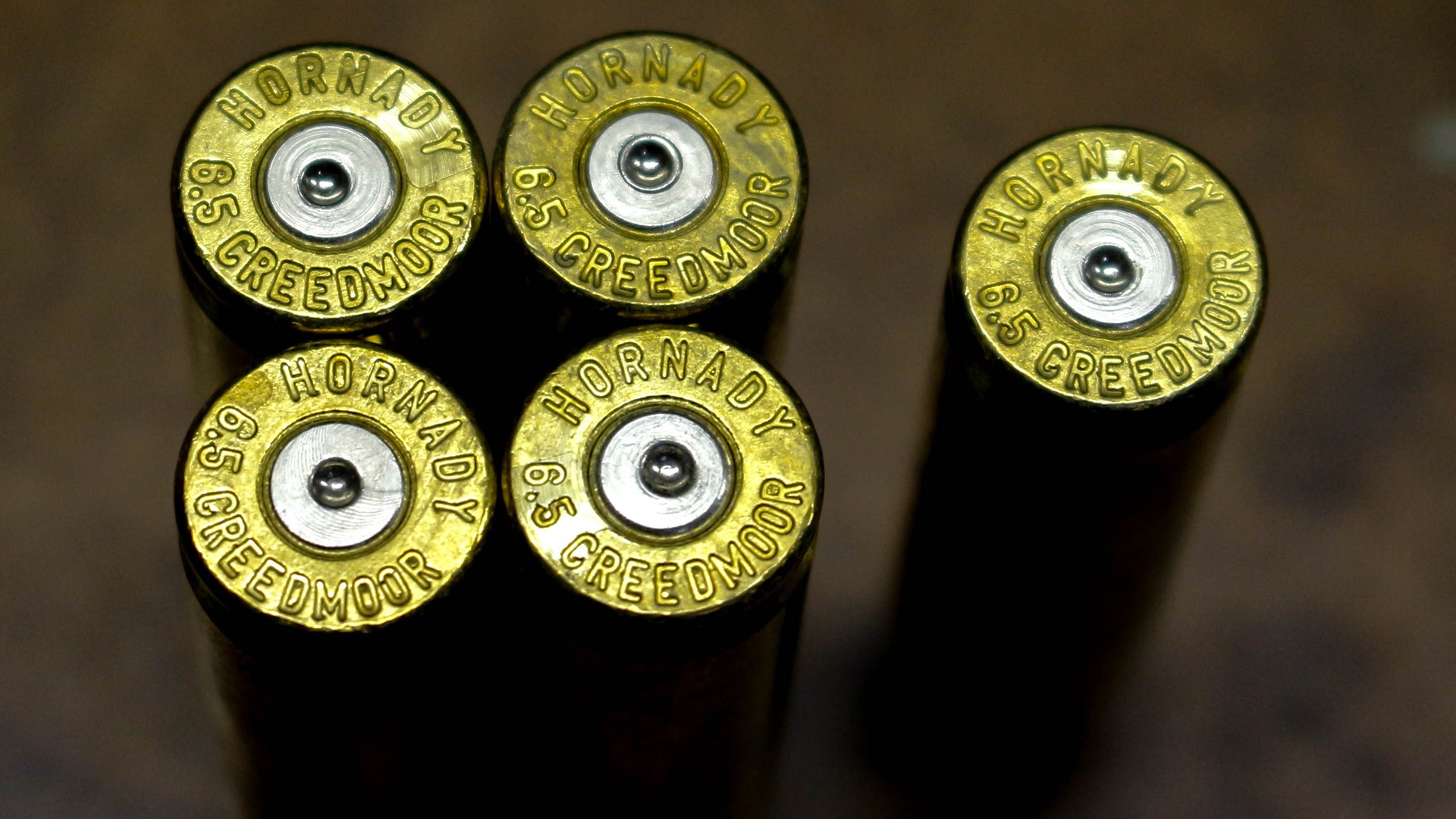 Flattened and cratered primers.
So, with jacketed bullets and smokeless powder, velocities started to increase as time goes on, with cartridges becoming larger to handle more of the smokeless powder, which had more slower-burning options after the Second World War. Scrolling through the SAAMI (the Sporting Arms and Ammunition Manufacturers’ Institute, the controlling body for our commercial ammunition) lists of maximum allowable pressures for centerfire rifle cartridges, you’ll find that things pretty well top off at 65,000 psi. Older rifle cartridges are held to lower pressure limits. For example, the .45-70 Government are limited to 28,000 psi and the .30-30 Winchester is limited to 42,000 psi; I'm sure the metallurgy of those older rifles plays a role in these limits. But the vast majority of our most common rifle cartridges see a limit of 65,000 psi or slightly less, as pressures higher than that will have an insalubrious effect on the conventional brass cartridge case.
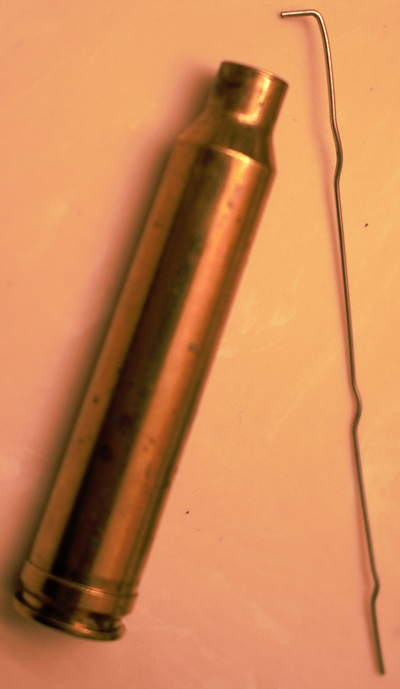
Brass cases subjected to excessive pressures will stretch severely, especially just ahead of the web, to the point where the case can physically separate in just a few firings. Reloaders will be familiar with the homemade ‘feeler’ tool, usually a paper clip, straightened out, with the end bent at a right angle, used to feel the inside of case for excess stretching above the web. So in order to prevent catastrophic failure, SAAMI has determined that a pressure limit of 65,000 psi will keep our anatomy, as well as the configuration and conformation of our firearms intact. But, what if, in the search for cartridges capable of higher pressure limits, we changed the materials we used?
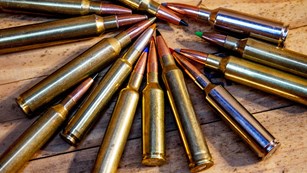
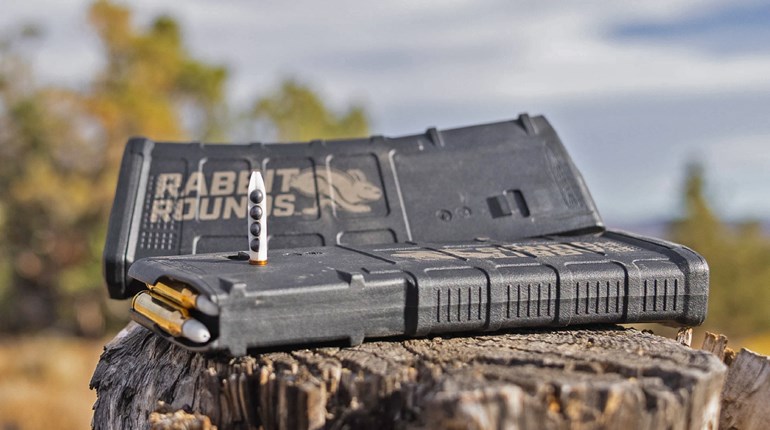
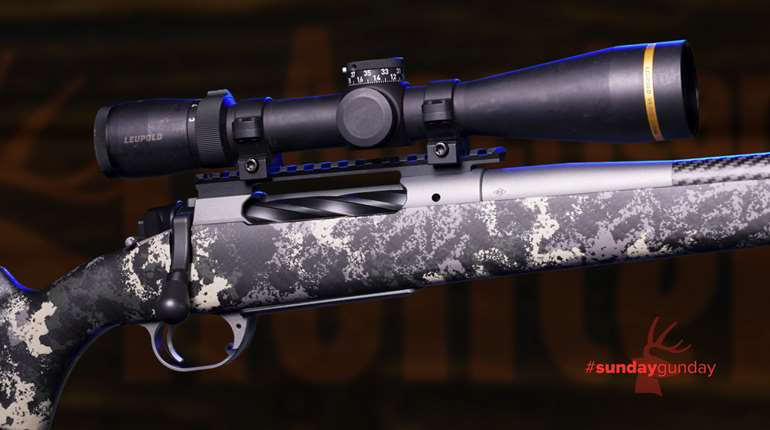
The .277 Fury—released by SIG Sauer in 2019—used a three piece case, melding a steel base and web, an aluminum locking washer and brass upper section to allow for a maximum pressure level of 80,000 psi. It was undeniably ‘different’, and many traditionalists were eager to point out the fact that we didn’t need any of this new-fangled nonsense; we already have all we need. The next major advancement was the 2024 release of Federal’s 7mm Backcountry, a .30-06-length cartridge (with similar, but not identical, dimensions) which attains the same muzzle velocity of the larger-cased 7mm Remington Magnum through the use of a Peak Alloy steel case. The goal was to obtain those velocities from a 20-inch barrel, not the typical 24-inch barrel typically used with faster cartridges, thereby allowing a suppressor to be employed without creating an unwieldy rifle. It performed as advertised.
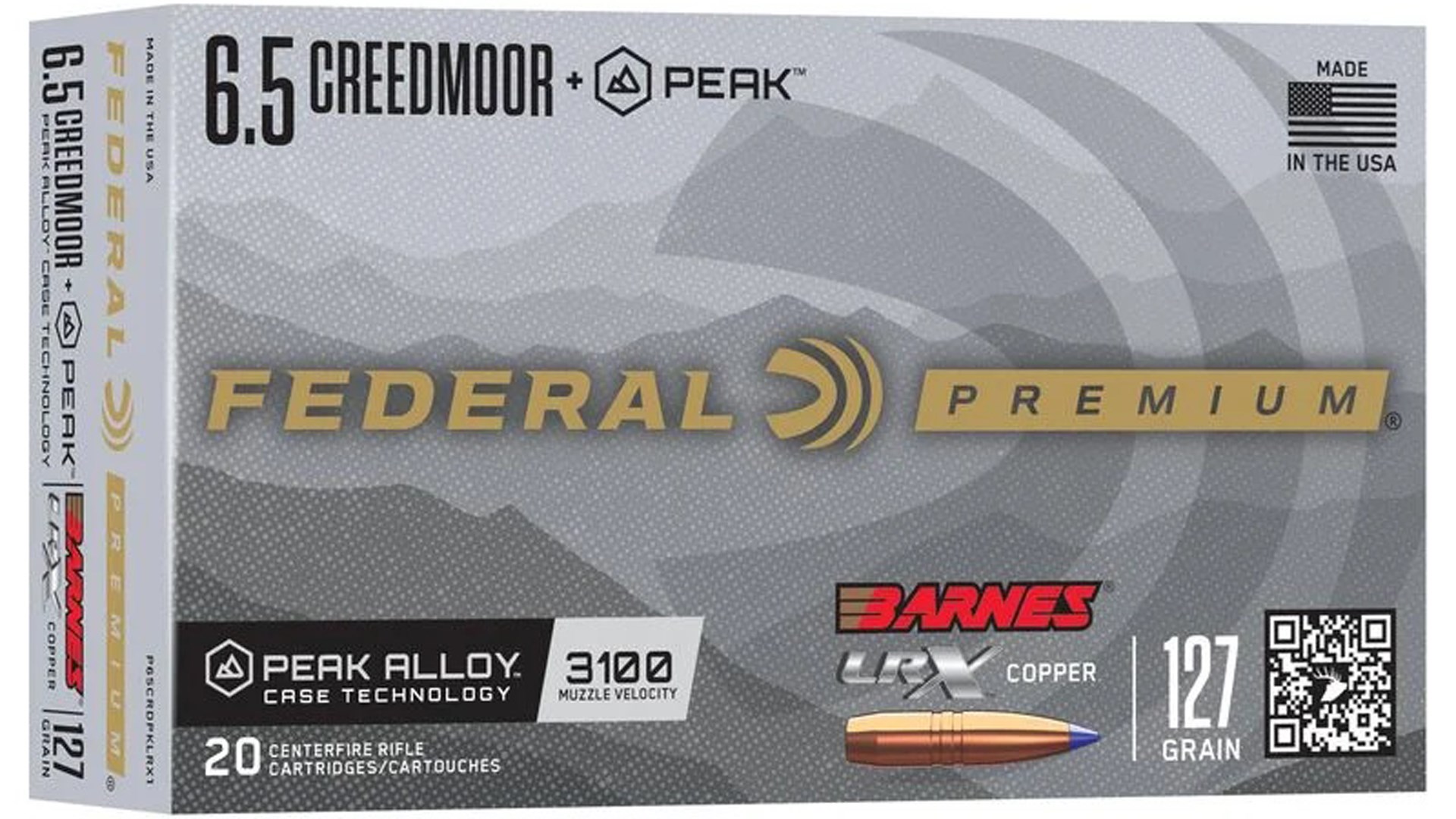
But just this June—and we didn’t miss that it had a release date of 6/5—Federal announced the 6.5 Creedmoor +Peak ammo, giving the Creedmoor a definite facelift. That steel alloy case and a pressure threshold of 80,000 psi account for a velocity increase of up to 300 fps, as well as seeing the Creedmoor use the 153- to 156-grain bullets. This puts the Creedmoor completely on par with the larger-cased 6.5 PRC, and shows the cartridge in a new light. Love it or hate it, the Creedmoor just became a completely different cartridge.
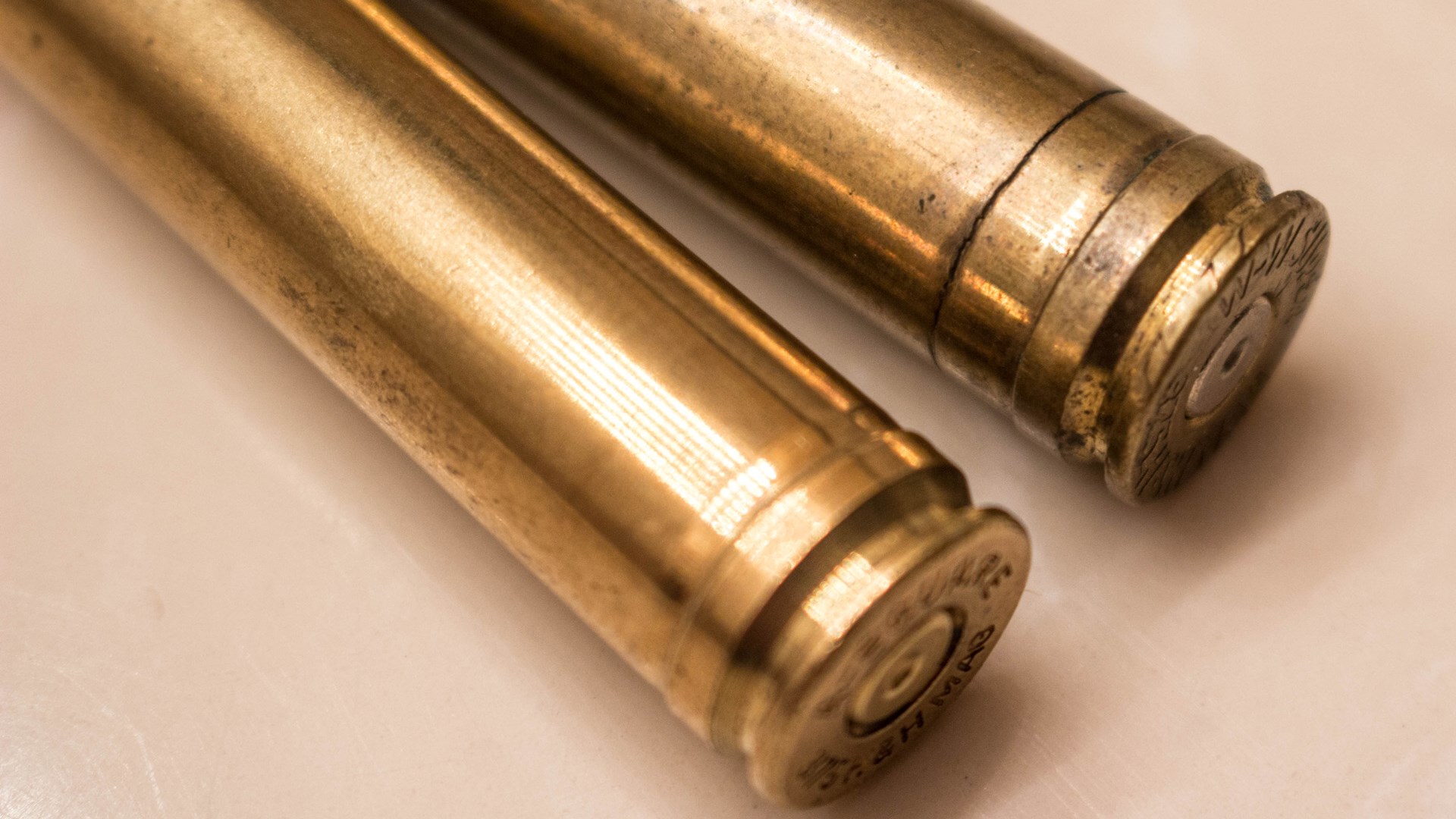 .375 H&H split above web.
The elevated pressure limits will certainly increase the demands on the rifles receiver, and that was probably a big factor in choosing the popular 6.5 Creedmoor as the first cartridge to receive the +Peak treatment, as the vast majority of rifles so chambered are of relatively new construction, and have the stronger metallurgy associated with the 21st century. The instant I heard about the +Peak idea, my nostalgic mind turned immediately to the classics. What if we had a .30-06 Springfield +Peak which gave us .300 magnum velocities, but in a rifle with another cartridge in the magazine? What if the .308 Winchester could approach the .300 WSM? Just as the transition to smokeless powder and jacketed bullets saw the hunting world make a notable switch to smaller cartridges and bore diameters (the .45-calibers were considered all-arounders at the turn of the 20th century in India and Africa), the +Peak steel alloy cases have the potential to change the rules once again.
Where Elmer Keith and Prof. O’Connor spent time debating whether or not the .270 Winchester and .30-06 Springfield were worthy elk cartridges (spoiler: with modern bullets, they absolutely are), I think our commonly accepted ‘rules and regulations’ may be facing revisions in the near future. Some will make the incorrect assumption that the harder material will take away the ability to reload those cases, but it can be done. Obviously in the case of the highly popular .30-06 Springfield, where numerous rifles of questionable metallurgy exist, a higher pressure cartridge might pose an issue. Maybe Federal’s +Peak treatment will be limited to modern cartridges going forward; only time will tell. When I asked Federal’s J.J. Reich about the possibility of revising older cartridges, or which cartridges might receive the +Peak treatment, he chuckled and asked “can’t we just enjoy the 6.5 Creedmoor +Peak for now?” Yes, J.J., we can, but the tinkerer in me feels, rather strongly, that you and yours have opened the floodgates, and we’ll be seeing +Peak variants of familiar cartridges for years to come.