Have you ever spent hours at the range zeroing a rifle only to learn it is nowhere near center when you go to confirm it at camp? We’ve all been there, frantically trying to fix our mess with the 10 measly rounds we brought on the hunt, hoping we can get squared away before it’s time to hit the field. Many attribute this malady to scope shift during travel, and that can sometimes be the case. However, far more often this point-of-impact change can be attributed to the way we zeroed back home.
I was several years into gun ownership before I realized rifles behave differently whether their barrels are cold or hot. This occurs for two reasons. First, because the bullet must push through the denser, colder air inside a cold bore it’s going to land somewhere different than when the barrel is hot and void of this obstruction (for lack of a better word). Second, as metal warms and cools, its dimensions change ever so slightly. But make no mistake, though the change is slight it is enough to affect where your bullet lands.
The fix is to build a cold-bore zero. This is not as hard as you might think. Although the practice sounds laborious, the methods I describe below actually get more shooters off the firing line sooner, and it usually saves them a box of ammo or two that might be spent in frustration.
Let’s begin by looking at the way most of us were taught to zero a rifle. Basically, we were told to fire a three- or five-shot group, determine the center then adjust windage and/or elevation, followed by another round of three to five shots. If things go well, we call it a day. Often, there is some fine-tuning involved with each correction for windage and elevation, and that is where the trouble usually starts. If you’re adjusting your turrets based on your last shots, you are building a zero off a hot rifle, which is the exact opposite of what you’ll have on a typical big-game hunt.
To build a cold zero, we need a cold rifle for every shot. I know, that sounds like a lot of waiting, but we can speed up that wait time substantially with a few practices. First, never go to the range with only one firearm. This has been my creed from very early on, as so much time is spent on travel and setup alone that it just makes sense to maximize your time and effort by working with more than one rifle. More importantly, having two rifles on the range allows you to shoot one while the other cools. Sometimes, I’ll take two or three rifles that need to be zeroed; other times, I’ll just take a .22 LR and plink away while I’m waiting for the other one to cool.
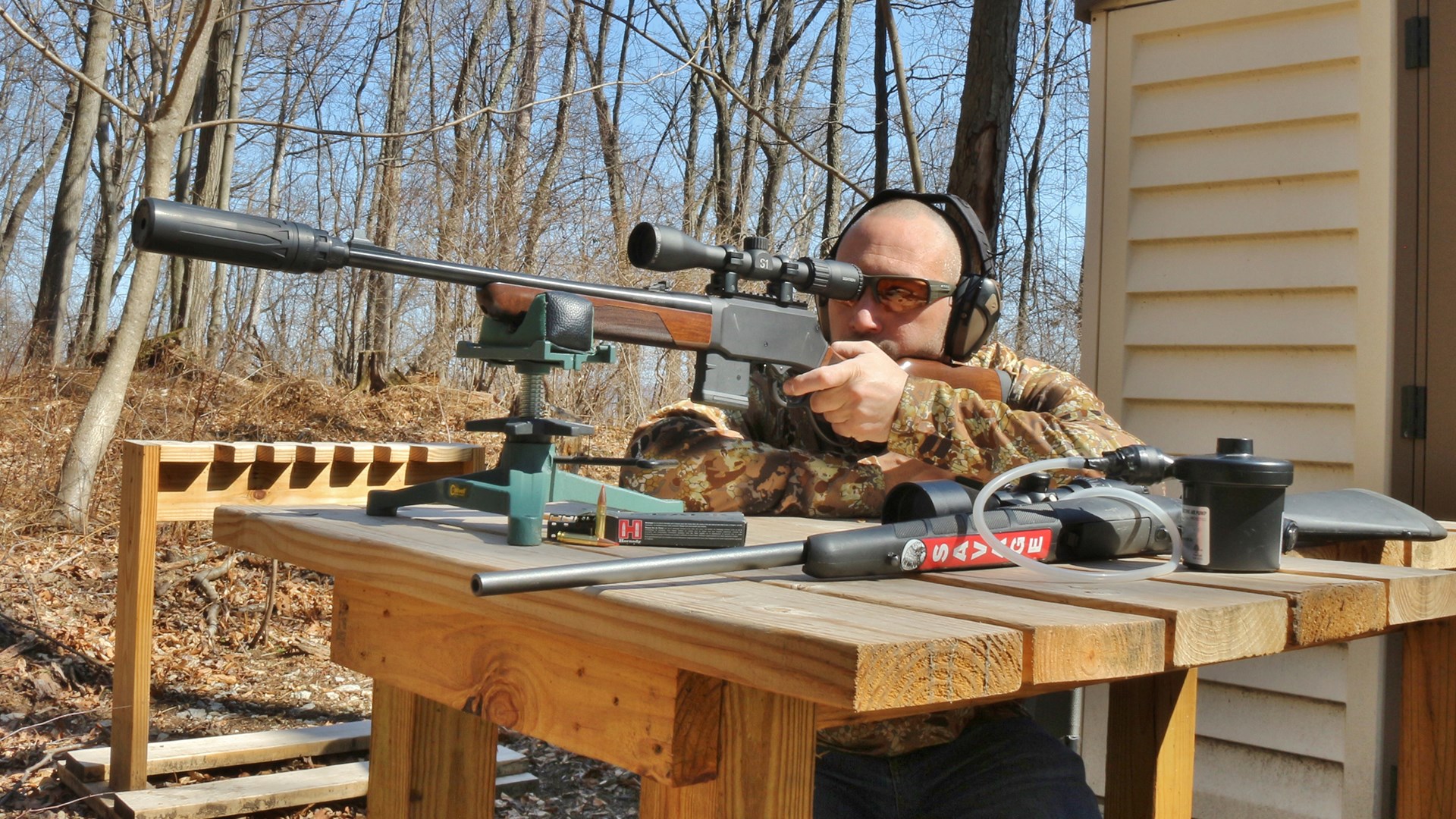
Barrels cool on their own, yes, but if you want to expedite the process, the best way to do so is to pull out the bolt and place the rifle in a gun rack with the muzzle pointed up. This creates a convection effect that pulls the hot air up and away in the same manner as a chimney. On crisp Northeastern days, I can return a gun to ambient temperature in just a few minutes with this method. To speed up the process, consider adding a barrel cooler. These devices incorporate a tiny fan to push more air more quickly through the bore, getting the job done exponentially faster. Can’t justify the expense? That’s understandable. The good news is if you have a portable air mattress inflator you’re only a few bucks’ worth of silicone tubing away from having a barrel cooler.
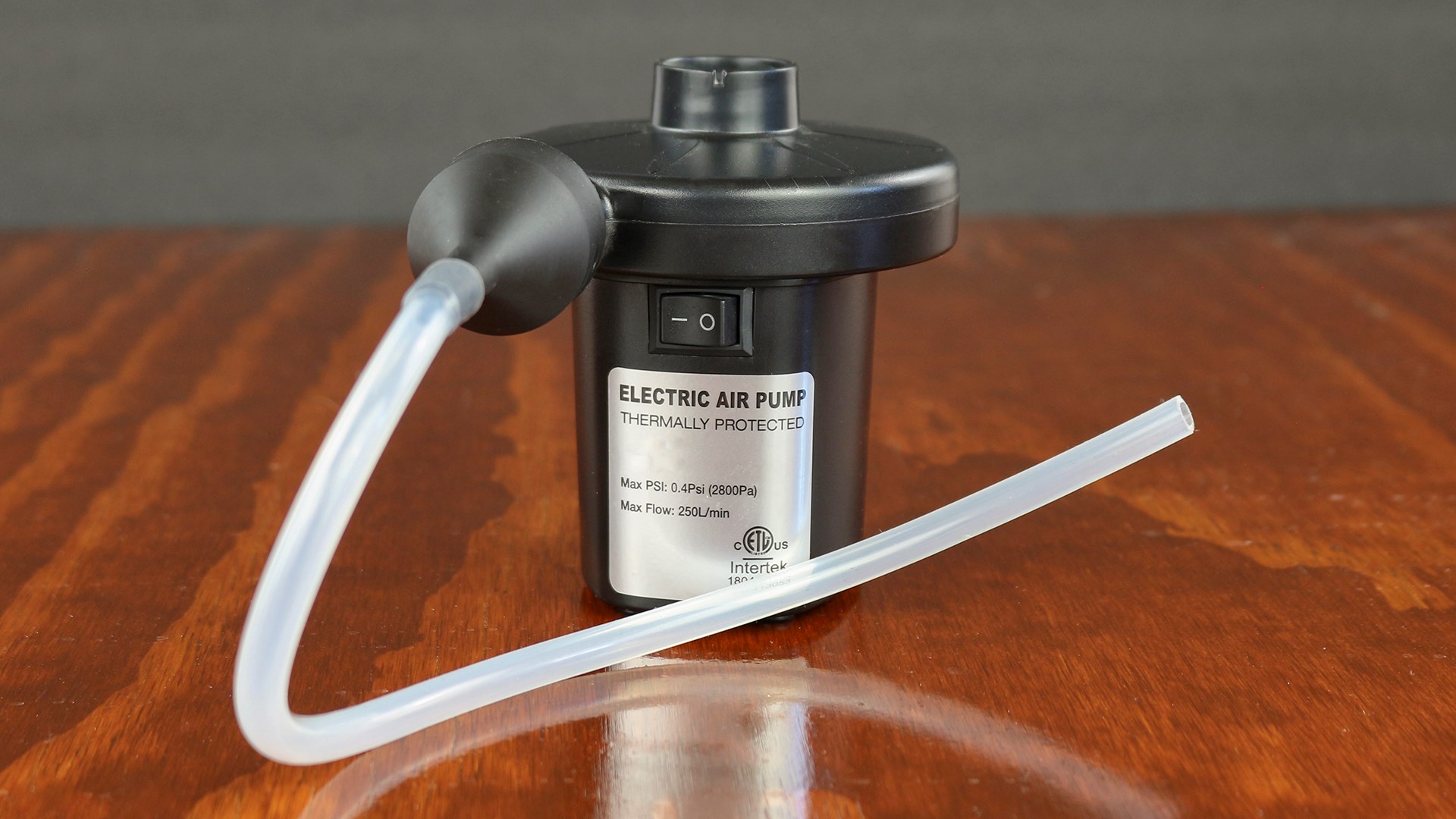 You need a cold rifle for every shot to build a cold-bore zero. The only way to maintain a cold rifle during a range session is to let its barrel cool sufficiently between shots. You may speed up the process by using a barrel cooler.
Once at the range, we have two methods to gather a cold-bore zero. Method No. 1 involves obtaining a conventional hot zero then fine-tuning it with a cooling period between each shot. This is the preferred way if you’re zeroing for the first time, as it usually takes a few extra shots to get on paper. Method No. 2 is my go-to for guns that already have a rough zero. Going this route involves a cooling period and adjustment between each shot. This usually gets me squared away in four or five rounds, especially if all I’m doing is changing ammunition or my zero distance. At the same time, with each shot being fired from a rifle in the same, cold condition, it gives me a more realistic idea of the setup’s overall consistency, which helps to determine its maximum ethical range.
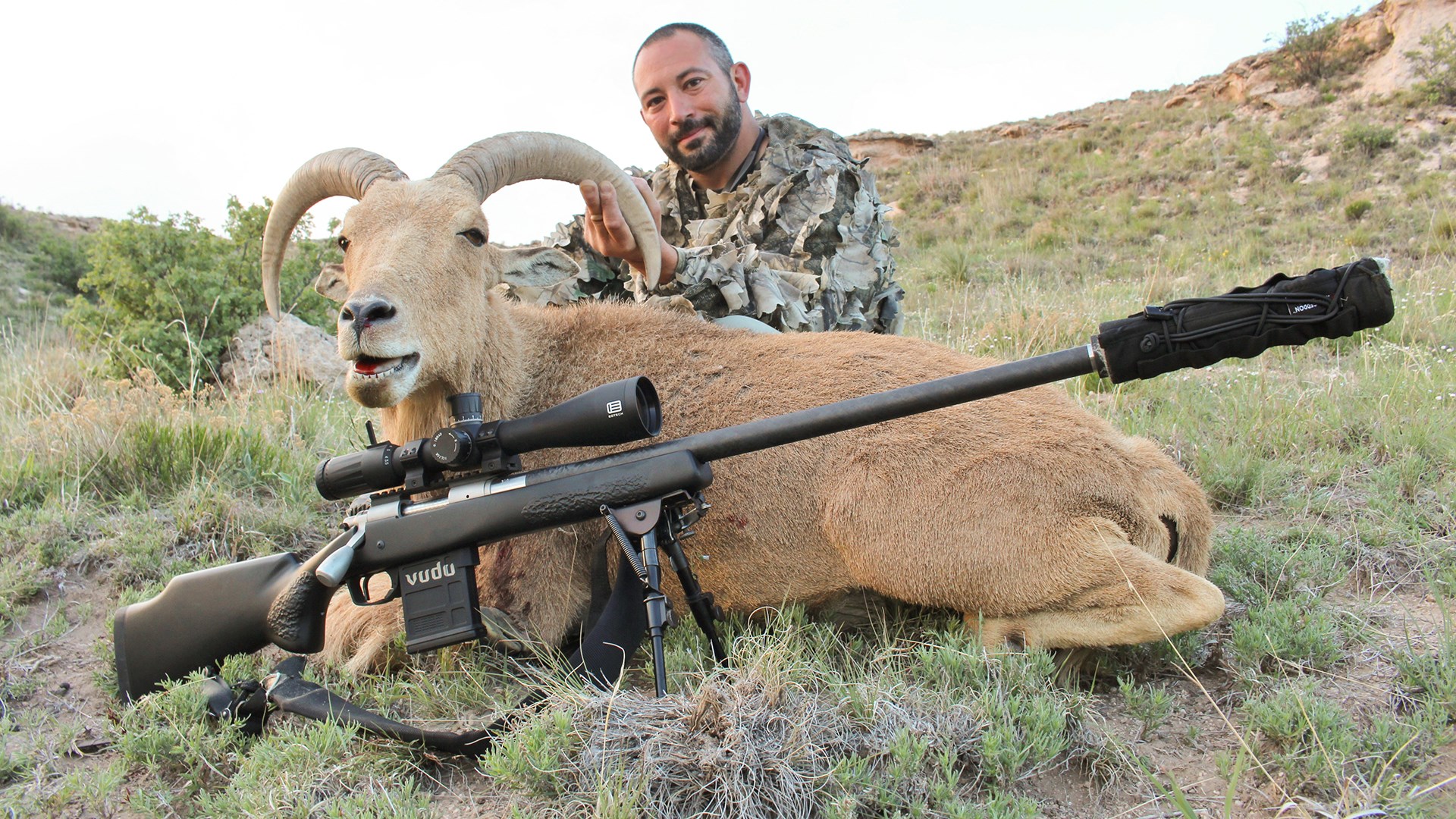
Those hunting with a suppressor have a little more information to factor in, but the overall ideas are the same. Since energy is neither created nor destroyed, only converted, suppressors have a way of turning sound into heat. They also hold more of the aforementioned colder, denser air, so you can expect the difference between a hot shot and a cold shot to be more dramatic. Aside from that, the sole act of adding a suppressor to your rifle is going to change your rifle’s barrel harmonics and thus its zero, so if you plan to use a suppressor make sure you do all your sighting-in with it affixed. During your zeroing process, it’s not an awful idea to remove your can between shots, as both the suppressor and the barrel will cool faster.
Once you your rifle is zeroed, the question remains: Should I clean it? Well, that’s a tough call. Some barrels shoot very differently when they are clean, and I own several that exhibit the shift between a clean vs. dirty barrel is enough to bungle a shot. For that reason, I don’t clean my guns until the season is over. I understand that might be sacrilege to some, so feel free to keep to your typical cleaning practices. If you are a meticulous cleaner, it might be a good idea to clean your barrel between each shot as well, just to ensure consistency.
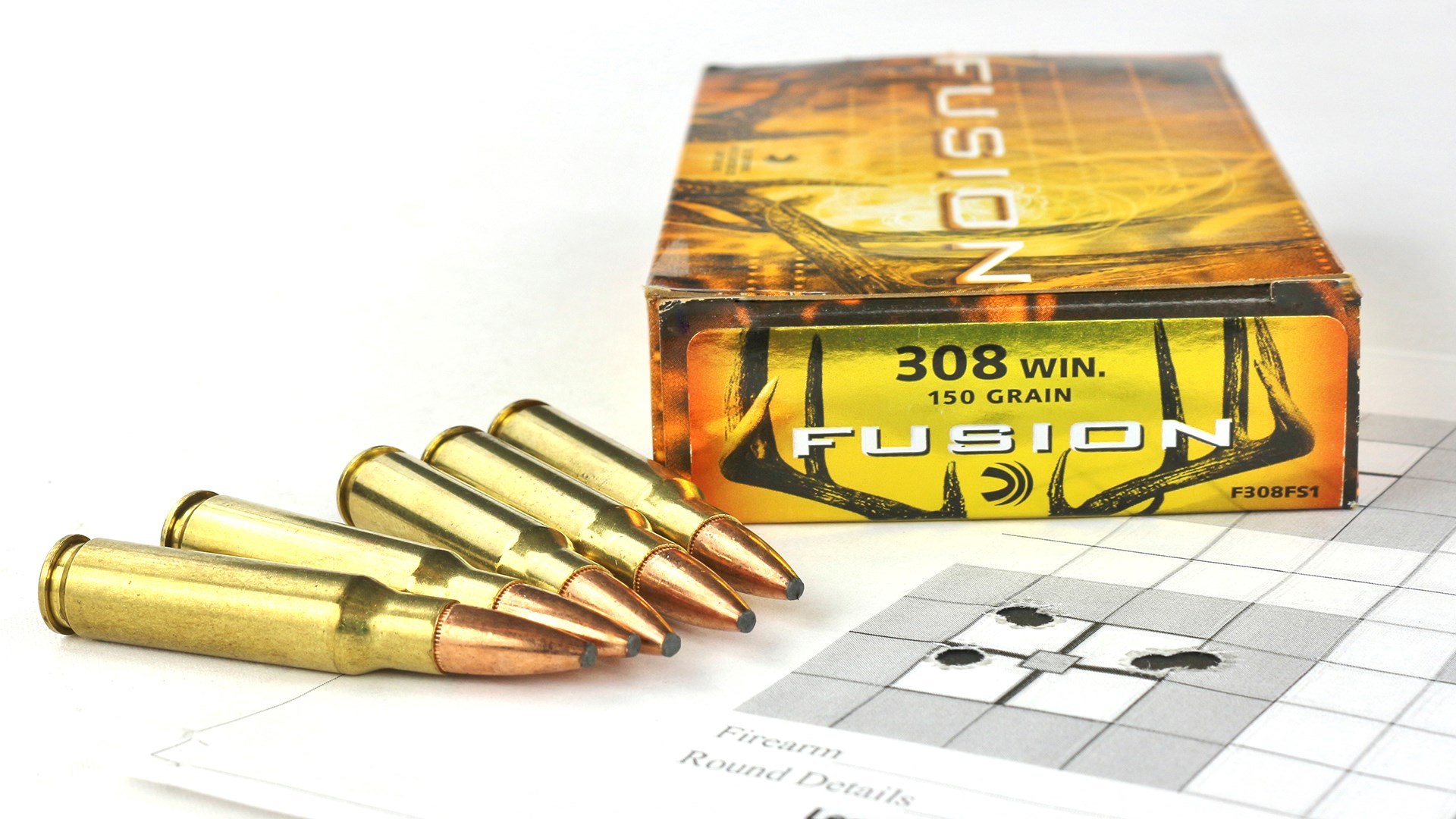
My final tip for building your best cold-bore zero is do your shooting in weather conditions that will as closely as possible mimic those of your hunt. Some ammunition changes drastically with the weather, and I’ve had ammo that moves point of impact as much as 6 inches between January and July at just 100 yards. Lastly, if you plan to build a DOPE (Data on Previous Engagements) card for different ranges, be sure to gather this information with a cold bore as well. The farther you push out in shot distance, the wider the spread will be between hot and cold shooting.
Stick to these practices and you’ll find yourself spending more time telling stories and playing cards at camp instead of scrambling for extra ammo and wondering what the heck happened to your zero.