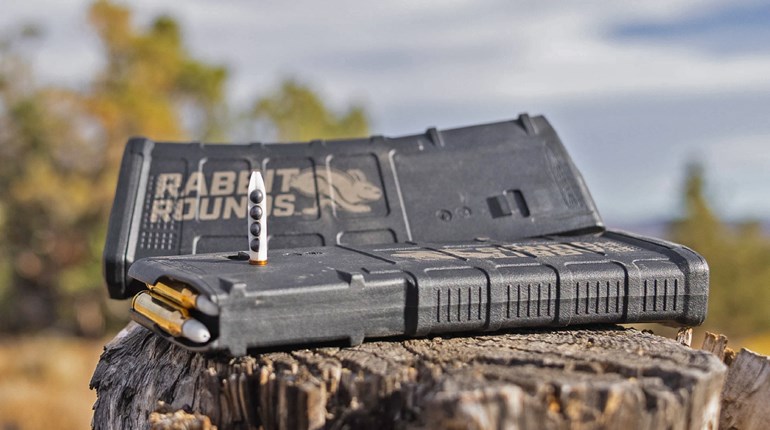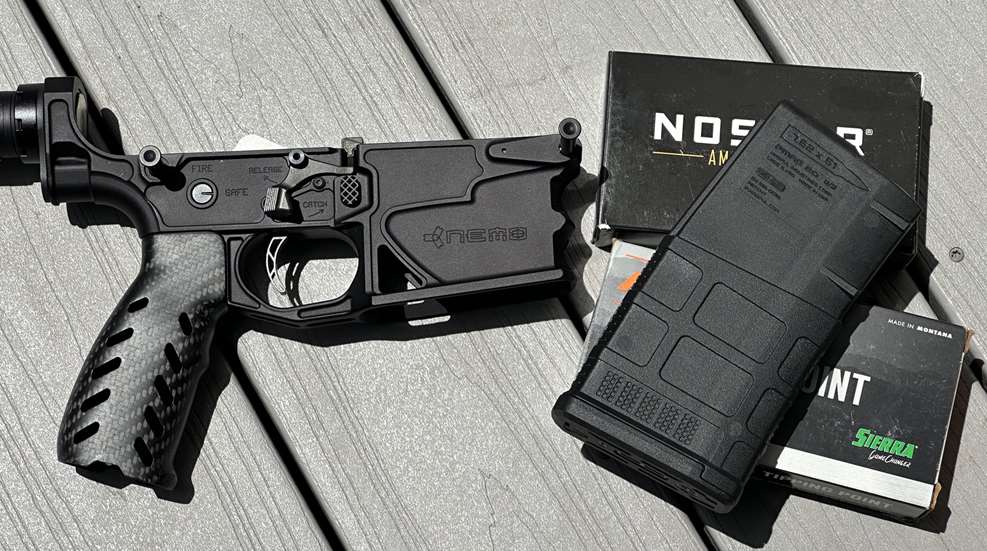
AR-10 rifles are a lot of things, but “lightweight” typically isn’t one of them. That is, until the Ruger SFAR was released. But since that rifle is being discontinued, and the guns were somewhat scarce as it is, I thought I’d try my hand at building a lightweight AR-10 and getting it even lighter, if possible. I wanted to stay within a reasonable budget, though. That said, I observed diminishing returns in weight versus cost—it could be lighter by shaving off a few ounces (maybe as much as half a pound depending on the optic you pick), but it would be ridiculously expensive.
This article is a three-parter; the first focuses on the lower, the second on the upper (including optic) and the third piece on tuning the gun (at the expense of some weight). I packaged all weights together with necessary components, as some components require others (like the grip needing the grip screw), so weights will be inclusive of certain items by default. Also, the weights will be listed as factory spec so there are no surprises, but I think my gun is a tad less than what it should weigh by the manufacturers’ various part weights, unless no weight was noted (like with the trigger). Then I manually weighed the part(s) to get an accurate number and rounded some items to the nearest tenth of a gram for easy math. As for cost, it’ll all be rounded up to the nearest dollar for convenience.
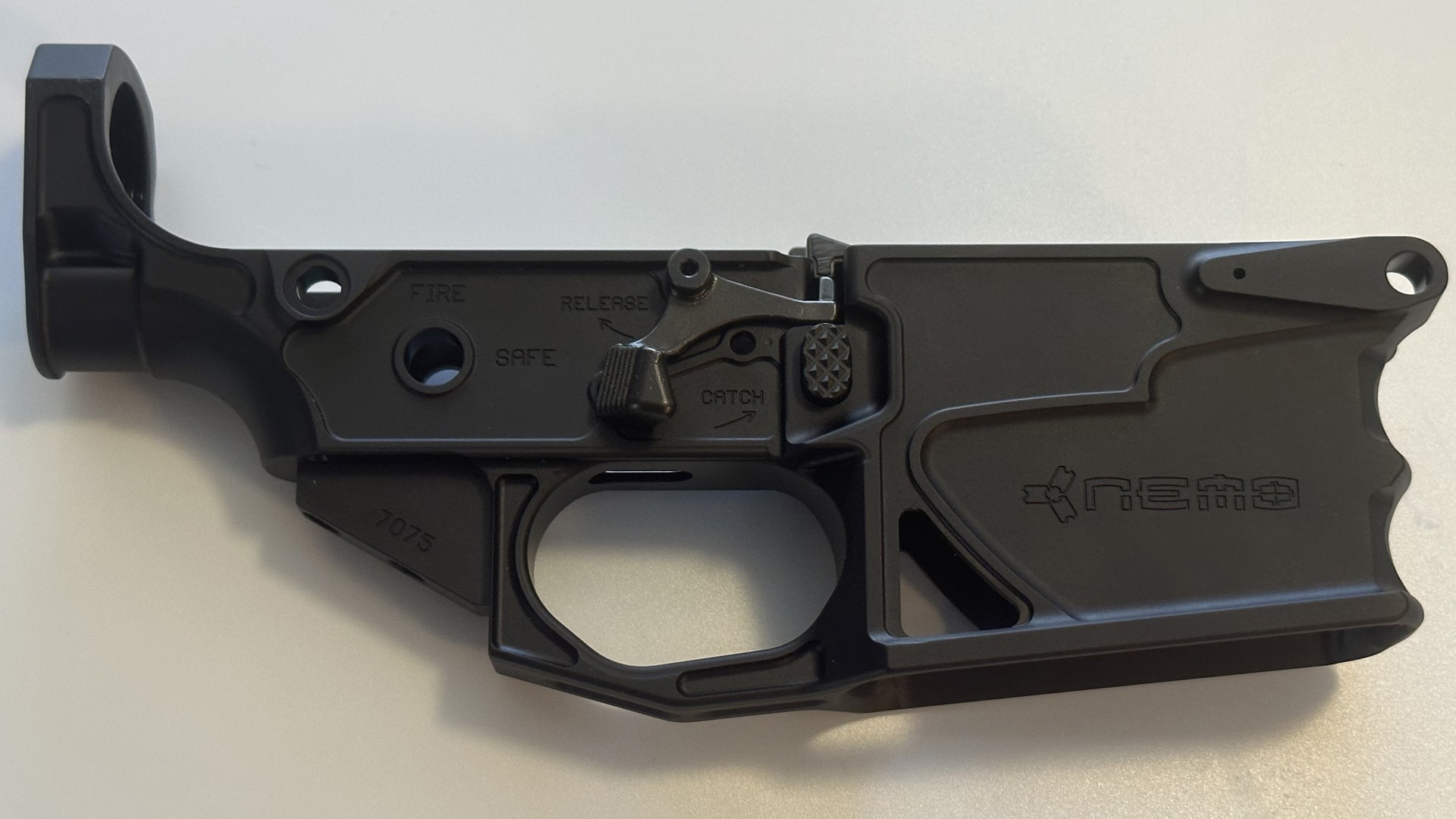
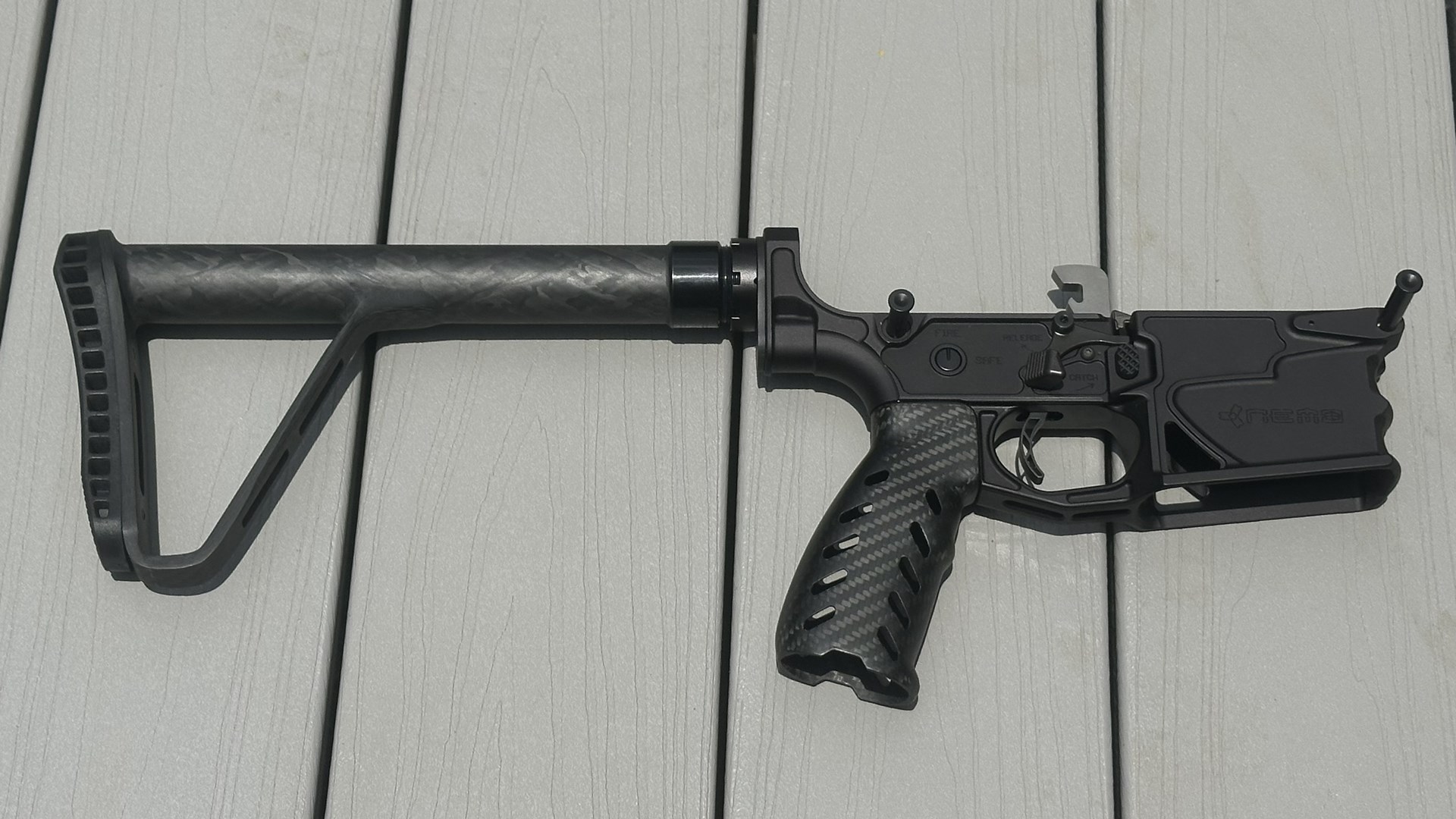
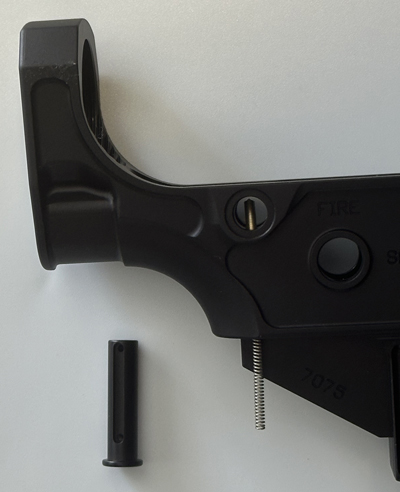
First, the lower. I used Nemo Arms receiver set with the lower, upper and a few small parts—an ambi bolt catch/release, a tension screw (unique to some builds; it enhances accuracy by tightening up the fit between the upper and lower), forward assist retention screws and rear takedown spring retainer, and the trigger guard that is built into the lower. Because those parts are included in the weight, it does offset its “heaviness” compared to totally stripped lowers. Erring on the heavier side of weight estimates, this set weighs 21.5 ounces (it’s a bit lighter, but I’m rounding up). Made from billet 7075-T6 aluminum, it’s skeletonized in some places and has lightening cuts in others, minimizing weight. This set me back $660, but considering I got both the upper and lower, plus some additional parts, it’s not a bad price at all for that comes in the set. Something to note about the lower is the absence of the takedown pin hole in the back. Instead, there’s a second hole next to that for the safety detent and spring under the grip that the rear takedown pin detent and spring drop into, preventing the ever-annoying lost spring (unless you carelessly remove the grip too fast; then you’ll lose your safety spring, too). This means you don’t have to tinker with anything involving the stock, castle nut or endplate (which I’m testing to see if it’s necessary since nothing needs captured now; I may add it if I see wear or experience severe play in the stock), so good on you, Nemo Arms. On a related note, and thinking outside the box about AR assembly headaches, Nemo Arms put a tiny hole in the front of the lower receiver’s takedown pin slot, making it easier to insert the spring and detent with something like a small punch or Allen key.
Many of the lower small parts I purchased from V7 Weapon Systems (V7), because of their use of “super aluminum”. This is where things get a bit interesting, as material science comes into play with many of these small parts. Contrary to popular belief, aluminum—especially V7’s super aluminum—is lighter than titanium. And while V7 offers titanium variants in many of their parts for strength benefits over super aluminum, titanium is relatively cost prohibitive by comparison. By going with aluminum where it was an option (some parts only come in titanium, like the grip screw, trigger pins, and the buffer retaining pin) not only am I getting lighter parts, but I’m also getting less expensive parts. All said and done, between the mag release, safety selector, takedown pins, buffer retainer and all necessary springs and detents, I’ve got a total weight in small parts of 23.27 grams, for $172.
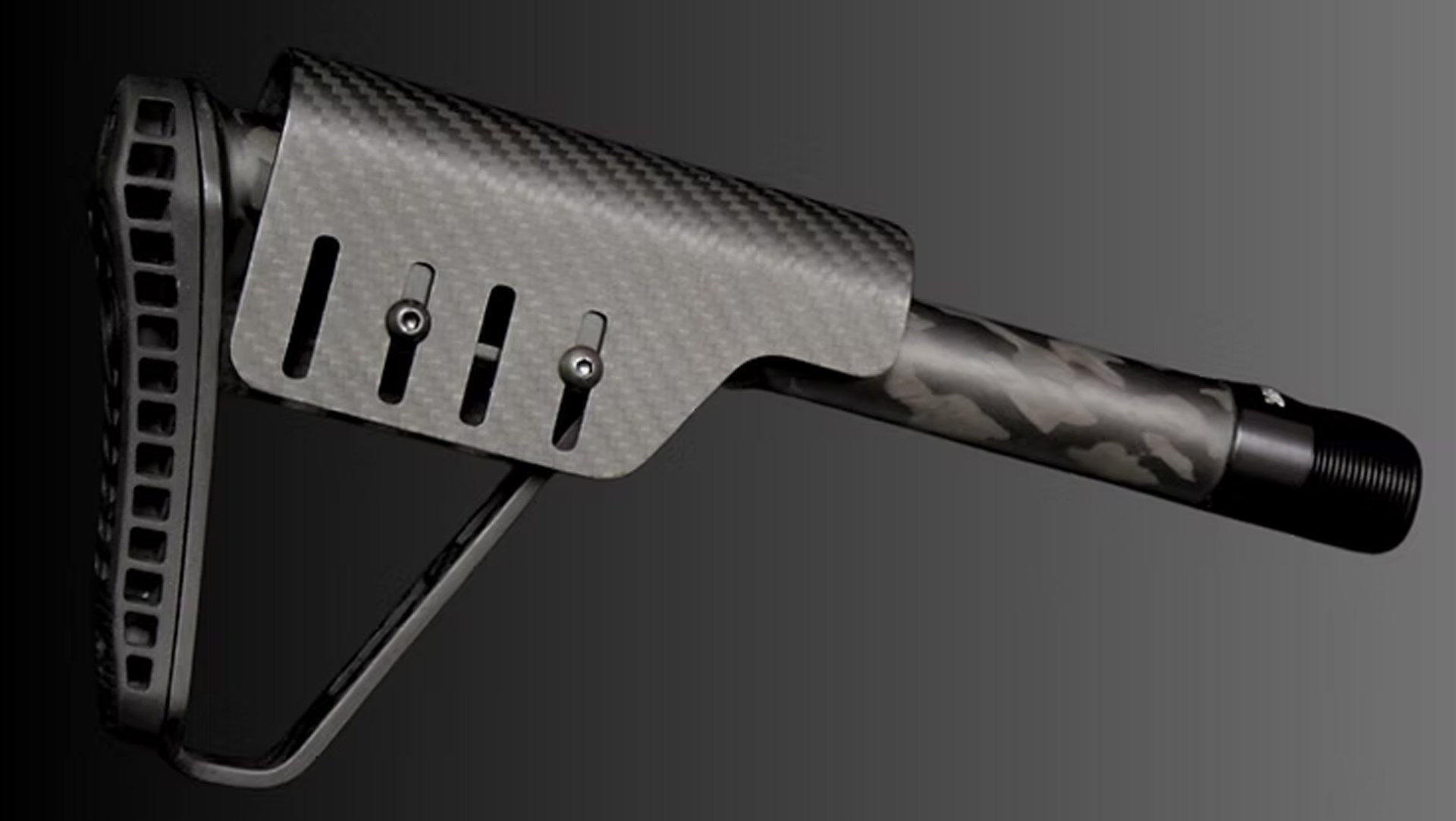
The largest part of the lower is the stock. Smoke Composites makes one of the lightest out there with its carbon-fiber stock, which is fixed, but because of that, it acts as its own buffer tube, too. Again, technically it adds weight, but wanting to make this as shootable as possible (there are stocks out there that are essentially a carbon-fiber hook, and that’s all), I went with the closed model, which adds $20 to the price. However, I gained two M-Lok cutouts or sling-attachment points (the open model lacks those, which is crucial for hunting) and a bit of rigidity. I also upgraded to the Magpul recoil pad for $40, as it’s the lightest pad offered (a Limbsaver option is also available for $10 more and a bit more weight); otherwise, the carbon-fiber butt is all there is against the shoulder. I didn’t get the cheek riser just to trim weight, but one can be added for just under $110. As configured, the stock weighs 188.5 grams—sans castle nut and endplate (which were .58 grams, and came from Smoke Composites, too)—and costs about $300, which isn’t much more than your typical high-end precision AR stock. With the endplate and castle nut—which cost $27 and $29 respectively—it brings the grand total to 189.1 grams.
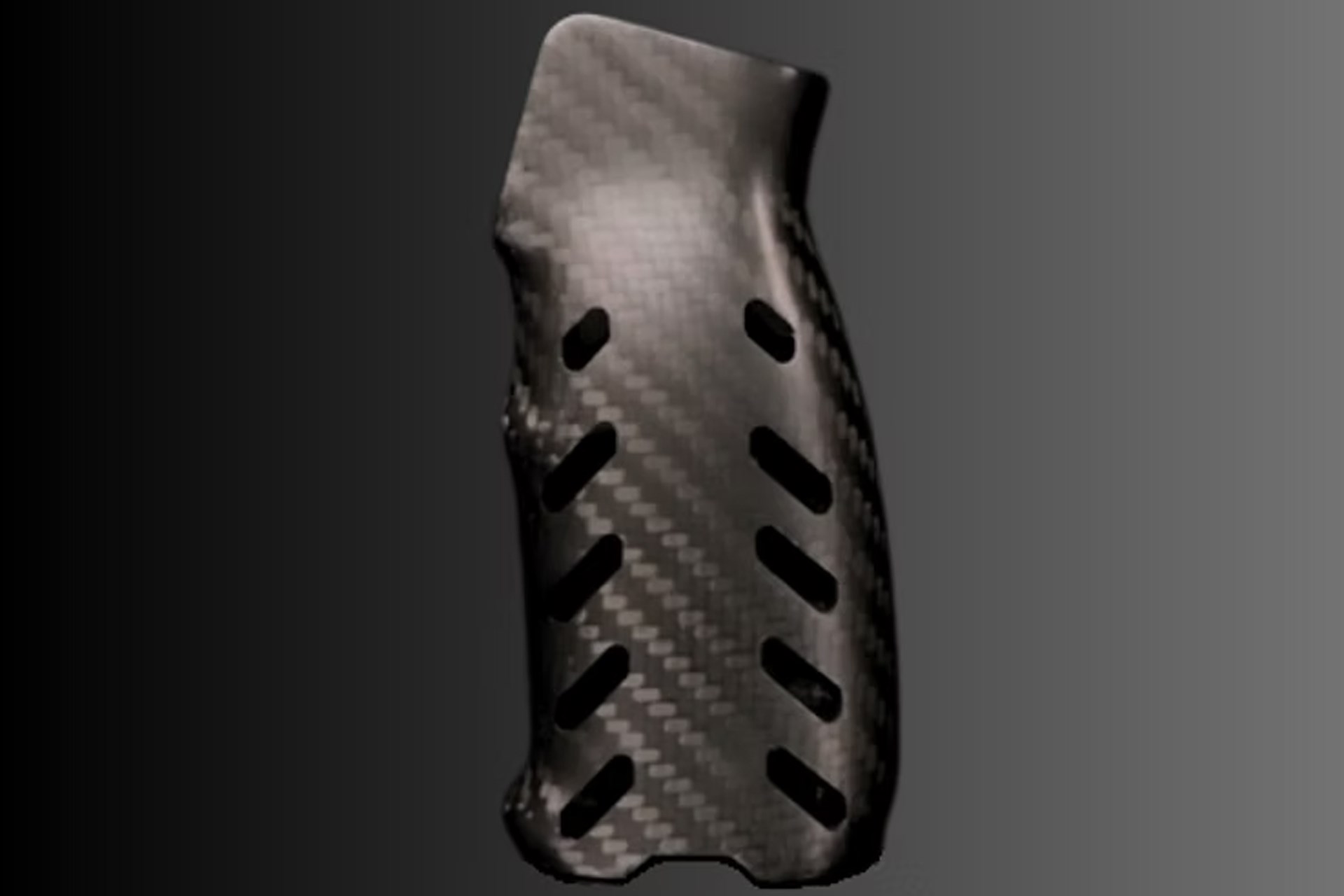
Smoke Composites also made the grip (I opted for a V7 titanium grip screw costing $13), which is … you guessed it; carbon fiber. Though it lacks the texturing of many other grips, the cuts made to the carbon fiber not only minimize weight but add texturing due to the edges of the cuts increasing friction in the hand. The grip was pricey ($199); weight wise, the grip and screw came in at 27.52 grams.
Lastly, the trigger is a skeletonized Timney trigger. A miniscule bit of weight savings could’ve been had by just going with a pieced-out trigger with no housing, but for ease of installation and maybe another gram or two more, I got a self-contained unit that breaks cleanly at about 4 lbs. I went with TI Connector’s titanium trigger pins over anyone else’s, as they also have anti-walk screwheads. If you haven’t heard of this company before, after speaking with Greg over at TI Connector, they’re probably the titanium gurus in the materials space (they do a lot of work in the knife space and make all the titanium screws in the Navy’s new Next Gen Fixed Wing Helmet). The company’s titanium is 6AL4V titanium, and it’s all American made. Between the trigger and screws, the setup weighs about 74 grams. The trigger pins and trigger cost a grand total of $113.
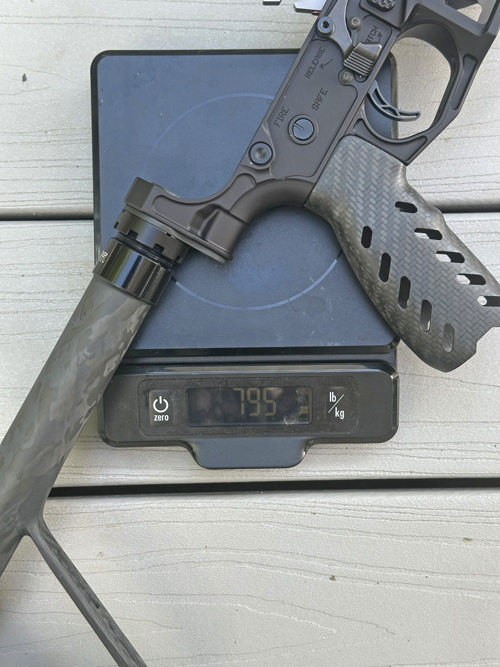
For those wondering, I left the buffer and buffer spring unlisted, because there’s nothing different about these springs, and the buffer and its weight is necessary for function; we’d all rather have a gun that functions than one that creates cycling problems. So, if you’re planning on mimicking this build, use whatever buffer and spring work, regardless of weight. After including these in the build, the overall weight of the lower was 796 grams per my scale (again, your results may vary just a tad based on real weights vs spec weights). So, for a roughly 1,700 bucks, you can have an AR-10 DPMS pattern lower that weighs about 28.1 ounces (rounded), or roughly 1.75 lbs. Now, onto the upper …