If I had to describe deer season in a single word, it would be “short.” While it lasts roughly four months, we really only spend a few minutes of it actively using our shooting gear. Sure, our stands get a thorough workout, mainly from our rear ends being planted there for days on end, but I am not exaggerating when I say that I have fired less than fives boxes of ammo through my primary deer rifle in the last 10 years, and most of that has been just to check a zero!
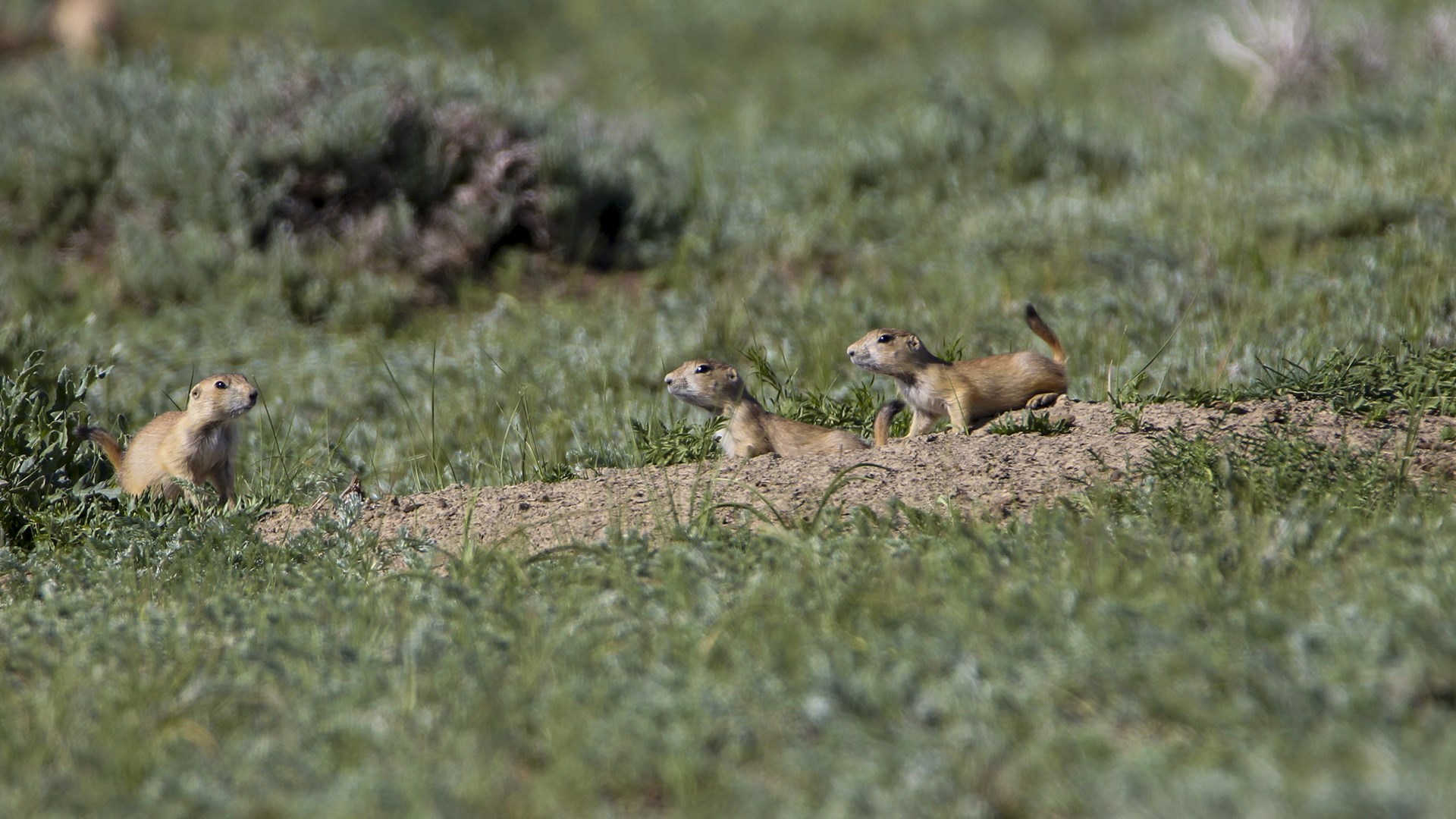
The truth is we all need to be shooting more, and limiting our trigger time to deer season is a surefire way to miss that trophy buck we’ve spent months or even years tracking. A second truth that is painful to digest is that static target ranges get boring. I’m at a point where hanging a sheet of paper or a steel plate in front of a marked berm dangerously borders on what most could consider work. However, if we want to ensure there’s always something to shoot at, that’s what we have to do, right? Not so fast. My highest round expenditure isn’t banging steel or spending a weekend at a shooting camp, it’s hunting prairie dogs. A good dog town offers hundreds of individual opportunities to hone the skills it takes to make you a proficient field shooter, and, best of all, shooting prairie dogs is real-world hunting, which requires utilization of skills that go way beyond plopping down on a bench at your local shooting range. Done right, poppin’ P-dogs let you work on your general marksmanship, learn how to build better shooter positions and even test peripheral gear before it’s too late.
Marksmanship
Let’s start with the most obvious benefit, and that’s the natural trigger time. During my last prairie-dog endeavor, I fired just shy of 1,500 rounds in a single weekend. I was with a buddy outside Casper, Wyo., and with the place riddled with vermin, it got to a point where we had to take a break because we didn’t have a gun with a barrel cool enough to shoot—we had brought five. This brings me to a very important point, and that is that you do not need a dedicated varmint rifle to take part in this hunt. Bringing your deer rifle is just fine, and a great way to get apples-to-apples feedback on your equipment and ballistics. Is hitting a 2-pound rodent with a .30-06 overkill? Yes. Is it fun as heck? Also, yes!
Although I emphasize the quantity of rounds you’ll fire, it’s equally important to observe the quality of these shots as well. Shooting paper or steel does not evoke the adrenaline dump that we as hunters must overcome when presented with a living creature. Knowing that your window is short, that you are perhaps less practiced at that target distance, and that you only have one chance to place a bullet where you want it gets your heart pounding and makes it easy to lose sight of the fundamentals. Being able to experience this time and time again for an entire day (or weekend) goes a long way toward controlling that excited response when it’s a deer in your crosshairs later in the year.
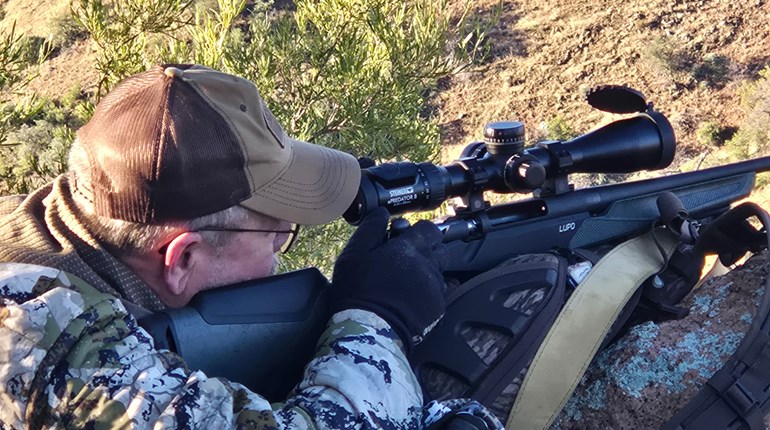
Building on what I just wrote, while a shooter’s form might be impeccable on the range, it often falls apart in the field. Shooting prairie dogs gives you real-world practice to help ensure that you’re remembering to check your natural point of aim, that you’re starting your trigger press during your natural respiratory pause and that you’re following through after a slow, relaxed press (as opposed to a hurried, frantic slap). For maximum effectiveness, bring a buddy along, or employ a guide if it suits you, and have that person watch you as you shoot and provide some feedback.
Improvised Stability
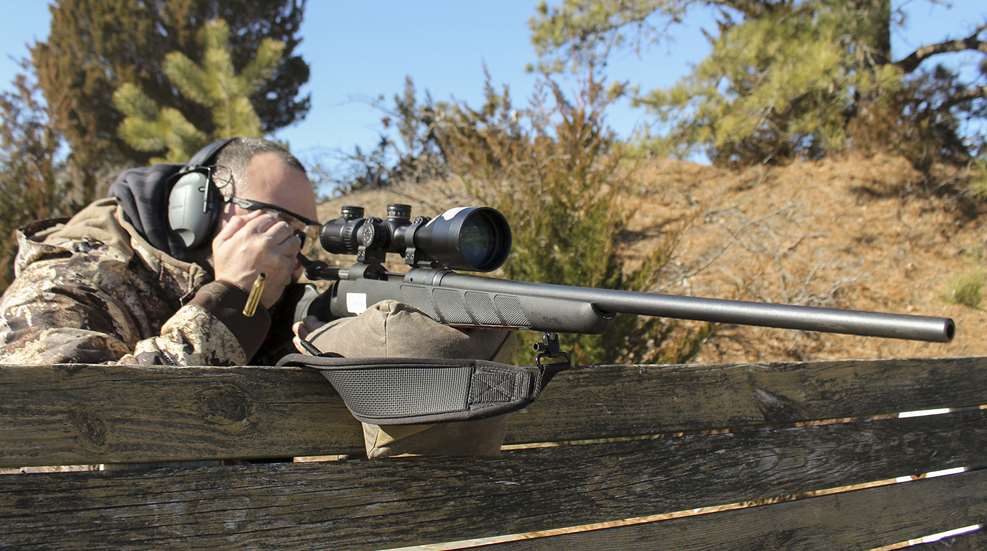
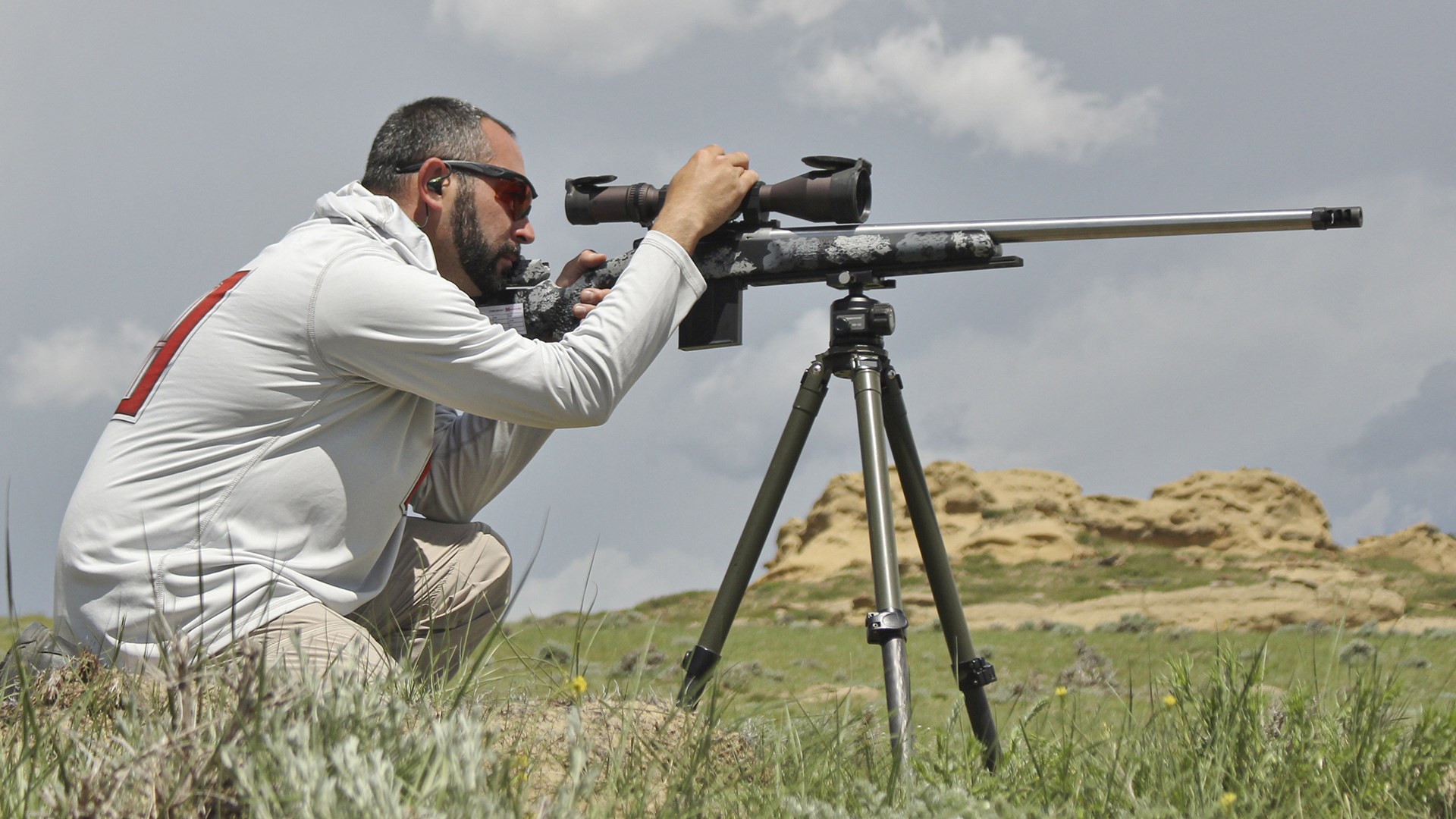
Another problem that comes with shooting-range practice is that we simply get too comfortable. Working off a shooting bench is cozy, but we seldom have this luxury available in the field. An annual prairie dog hunt can quickly become a forced chance to work with your shooting sticks or tripod. It also requires building crosshair stability on a target that is substantially smaller than what you’ll be after this fall. For every rifle hunt (prairie dog or otherwise), I bring an Armageddon Gear Gamechanger sandbag, as its profile grips tree limbs or nearly anything else you plop it onto. Bringing one on a varmint hunt provides dozens of unique opportunities to experiment with different ways to use it and to learn the limitations it may have. The same goes for bipods and tripods, as this is the place to figure out the best way to mount a rifle into them, and to figure out where one ought to place his hands on a tripod. Sometimes I’ll even drag out a pop-up blind as it gives me a chance to build a working understanding of how much window clearance I have and where the blind spots are. Believe it or not, it’s not always as obvious as it seems. If nothing else, it’s a great way to make some shade on a hot day.
Learn Your Distances
While I typically carry a laser rangefinder or range-finding binocular in the field, I understand that many real-world engagements do not allow enough time to use them. Being able to gauge distance in the field on the fly is a necessary skill, and one that cannot be built on a known-distance shooting range. Because missing a prairie dog isn’t the end of the world, I use this time to guesstimate distances then dial in my known DOPE (Data on Previous Engagements) to see if I was right. Sometimes we turn it into a game to see who in the group is closest, with the prize being first in the shooting order on the next round of dogs. If dogs are running dry, you can maximize your attempts by guessing then checking with a rangefinder to confirm you’re right before pulling the trigger.
Shooting in this manner also gives you a chance to see what your gun does at imperfect distances, which is especially important if you have to take a longer poke. More people miss at ranges like 568 yards than they do at 500 or 600. Prairie dogs do not build mounds in perfect, 100-yard increments, making them ideal targets for learning just how flat that magnum cartridge of yours really shoots.
Dog Gone
Thinning a herd of prairie dogs not only helps the cattle population and the hay crop and the general well-being of everything that shares the flatlands, but it can help you put more venison in the freezer later this year. Popping these critters is far more exhilarating than poking paper, which is usually enough motivation to get out and shoot them. By resisting the temptation to bring only a varmint-specific kit, banging away at these critters gives you more opportunities needed to perfect your big-game fieldcraft, and at the end of the day it certainly doesn’t feel like work. ah