Roy Weatherby liked his cartridges big, and he liked them fast. Roy took the belted Holland & Holland case, removed much of the body taper and installed his soon-to-be-famous reverse curve shoulder. Mr. Weatherby adapted his case—at varying lengths—to a good number of the popular bullet diameters of his era, with the .300 Weatherby Magnum, .257 Weatherby Magnum and .270 Weatherby Magnum gaining a fast following. But that was the 1940s and 50s, and America had not yet taken proper notice of the 6.5mm projectiles; though Winchester saw the wisdom as they released their .264 Magnum in late 1950s, Weatherby never adapted their formula to embrace the 6.5mm. At least not in commercial form. That would have to wait until the following century …
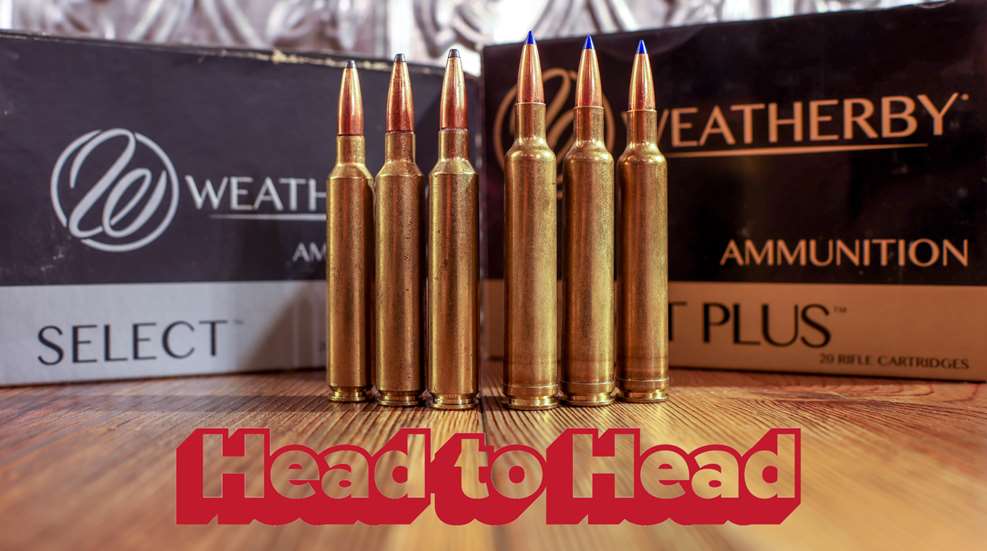
Roy saw his son Ed take the reins of power in 1983, and one of Ed’s last releases was the 6.5-300 Weatherby Magnum. Just a year later, Ed’s son Adam became the third-generation Weatherby to take the helm, and Adam’s first cartridge release was another 6.5—the 6.5 Weatherby RPM—which was a rather radical departure from his grandfather’s formula. Nonetheless, both of these cartridges take full advantage of the excellent 6.5mm projectiles, and both have their own appeal, but in this series we have to decide between two cartridges, so let’s get underway.
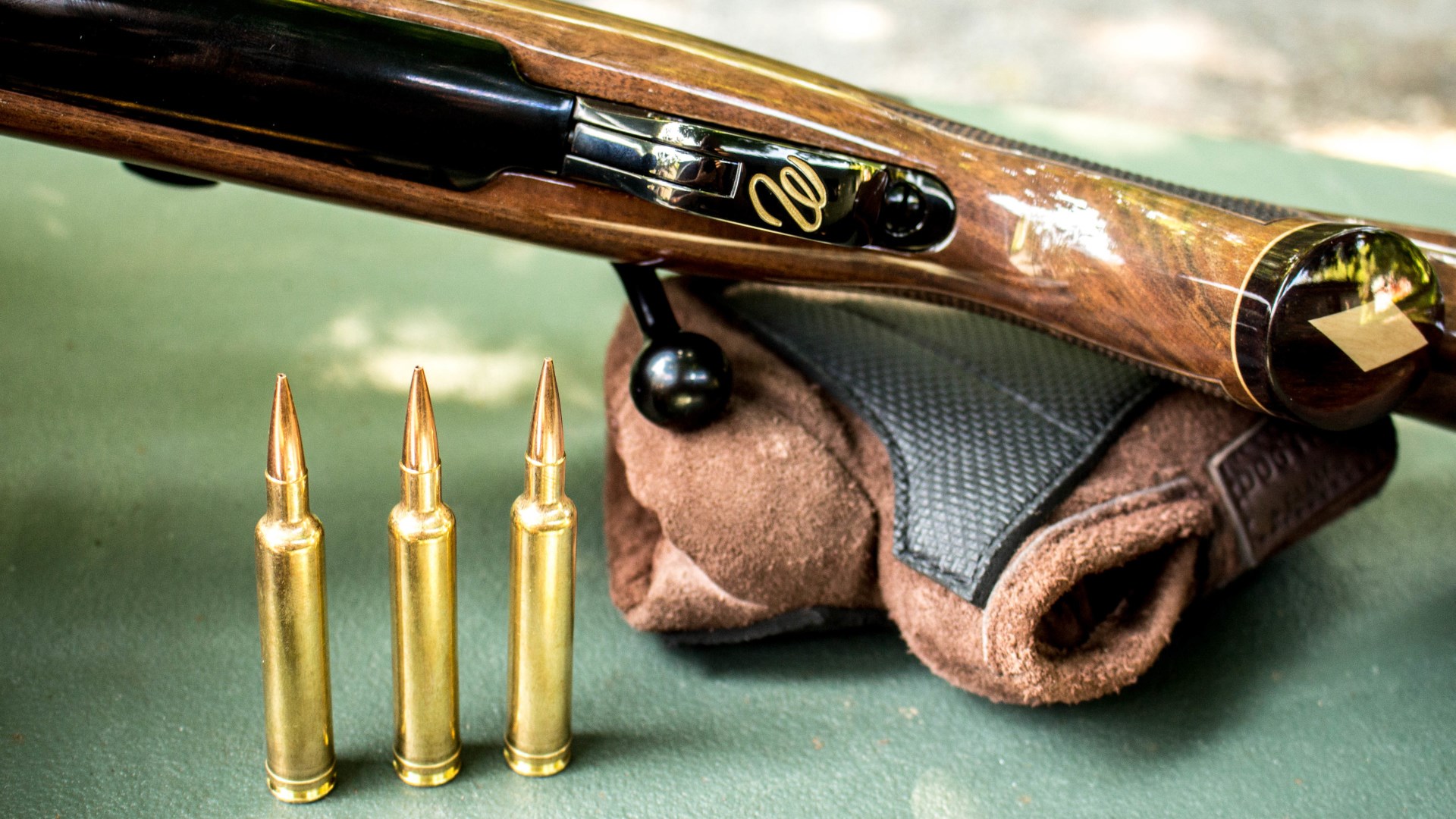
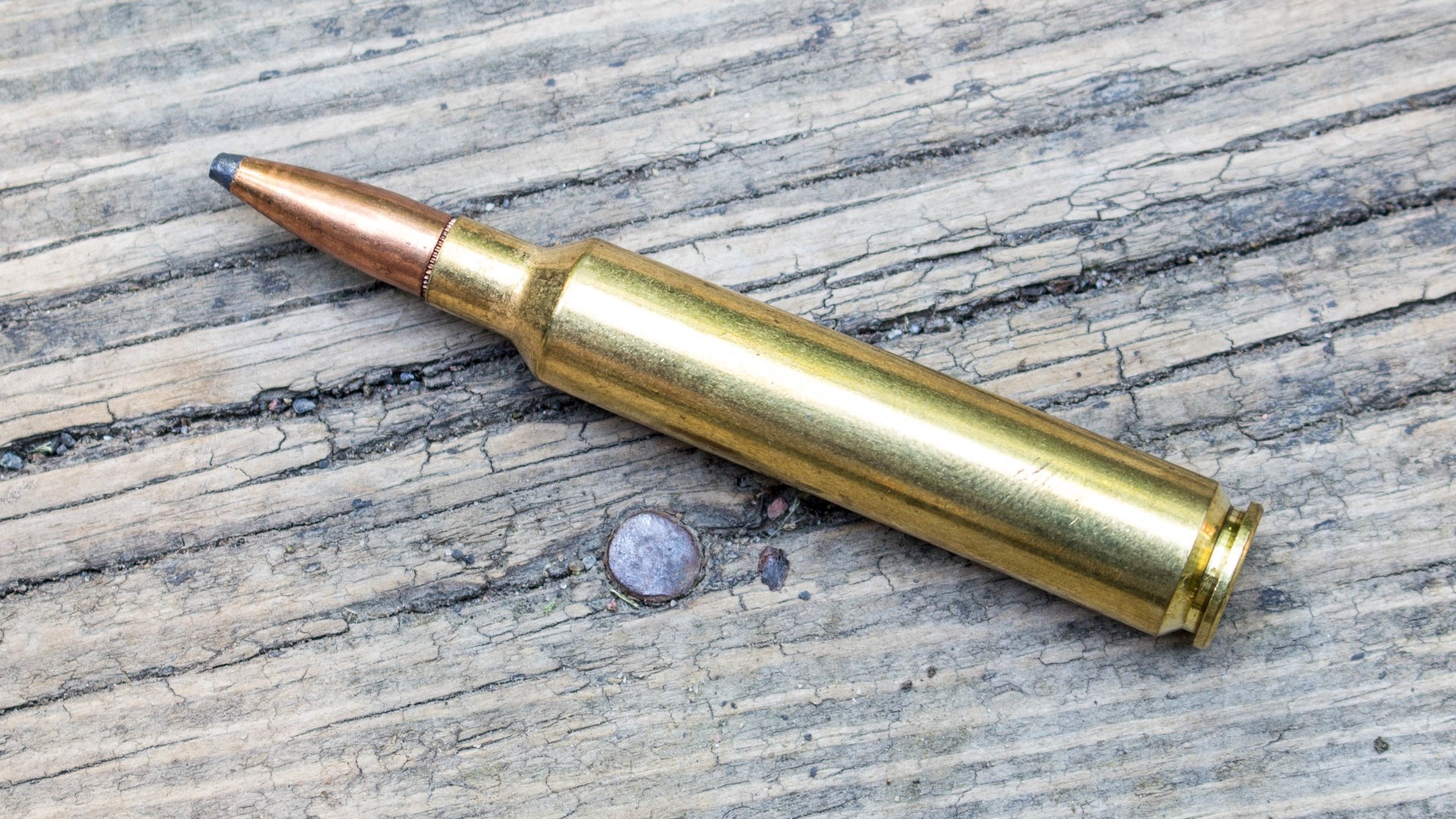
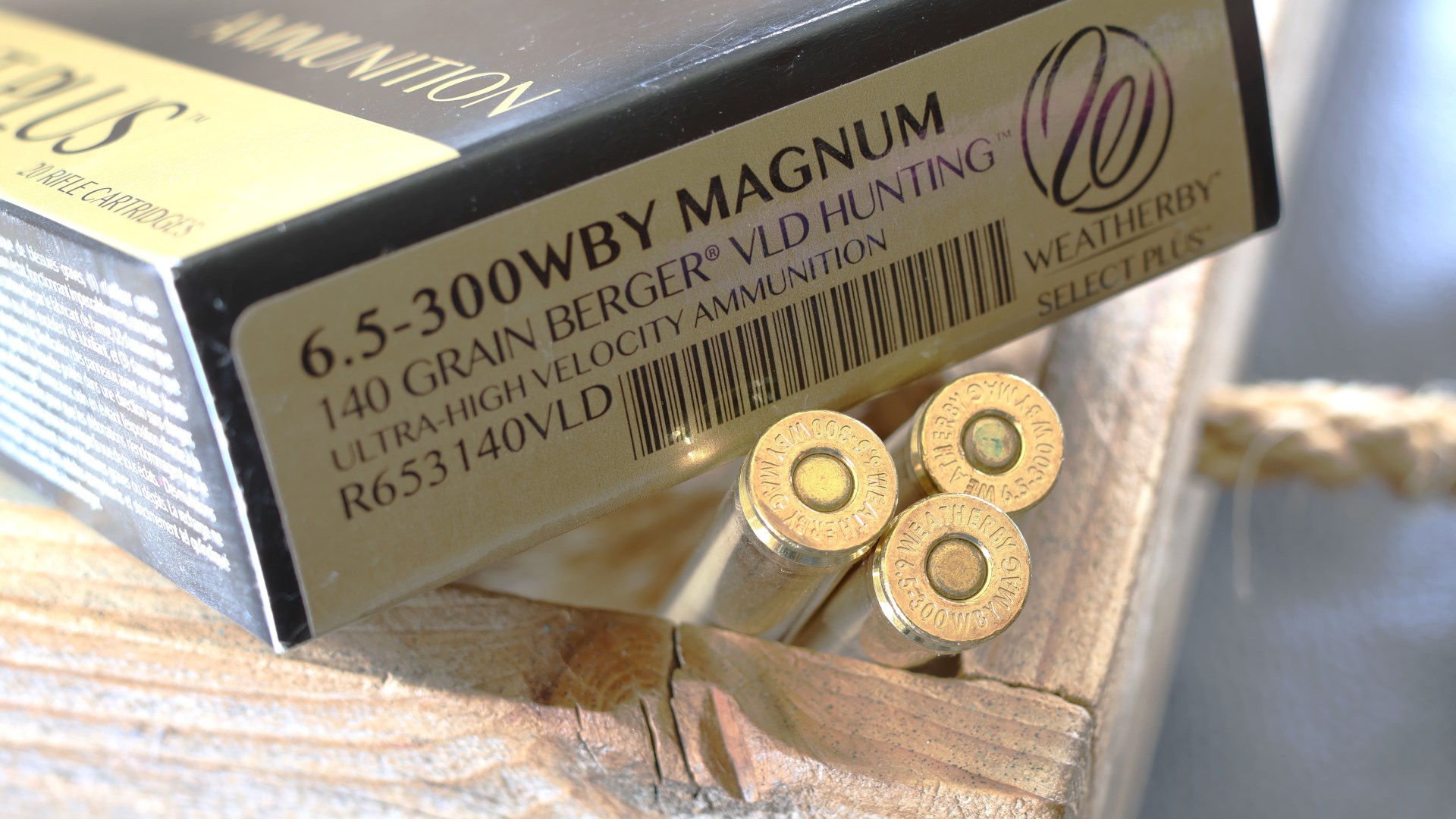
The 6.5-300 Weatherby Magnum is, quite simply, the venerated .300 Weatherby Magnum case necked down to hold 6.5mm bullets. Based on the famous Holland & Holland belted case—which will use that brass belt for headspacing—the .300 Weatherby Magnum and the 6.5-300 Weatherby Magnum have a case length of 2.825 inches, with a cartridge overall length of 3.600 inches. The 0.532-inch rim is the same as the majority of the American “belted magnums” on the market post-1925. While the .300 Weatherby Magnum dates back to the mid-1940s, the 6.5-300 can trace its roots back to some experimentation in the 1950s. Though there are stories of Roy Weatherby making a custom 6.5-300 Weatherby Magnum for Herb Klein in the ‘50s, it took a considerable amount of time for the masses to be offered what would become the fastest commercial 6.5mm cartridge. And fast it is! In the Weatherby ammo line, the 6.5-300 Magnum will push the 127-grain Barnes LRX lead-free copper bullet to 3,475 fps, the 140-grain Hornady InterLock to 3,275 fps, and the 156-grain Berger Elite Hunter to 3,050 fps. And though the velocities are impressive, you don’t want to overheat the barrel of your rifle, as throat erosion is a reality.
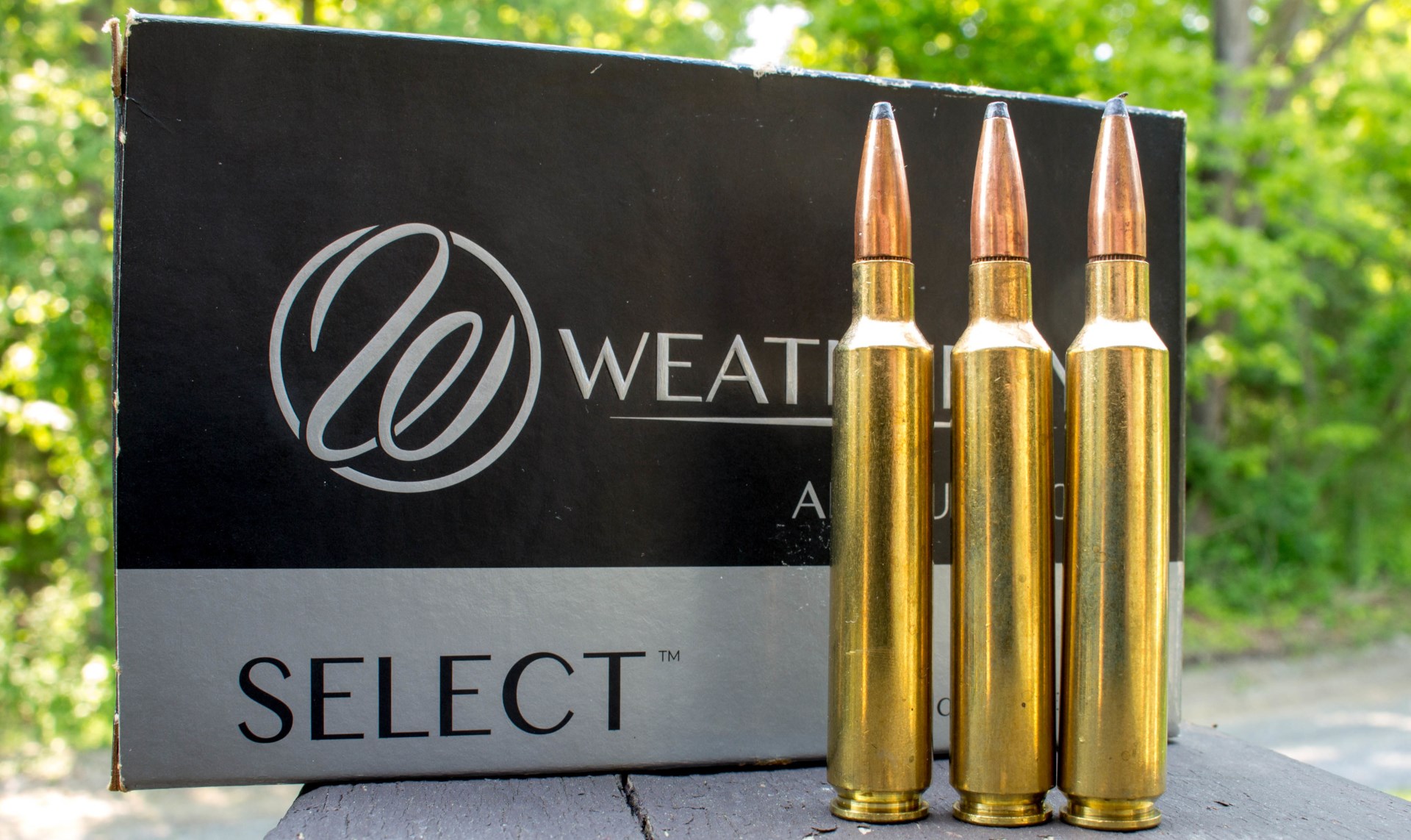
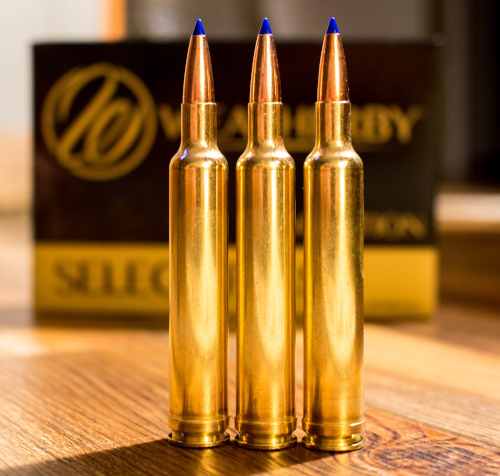
The 6.5 Weatherby RPM marks a sea-change in the history of Weatherby cartridges, as it the first to have a conventional, angled shoulder (in comparison to the radiused shoulder of all the previous Weatherby designs) and also the first of the name not to feature a belt. Instead, the 6.5 RPM is based on an elongated version of the .284 Winchester cartridge, replete with rebated rim. The 6.5 Weatherby RPM was designed specifically for the lighter six-lug Mark V long-action receiver, having a case length of 2.570 inches, and a maximum cartridge overall length of 3.340 inches, the same as the .30-06 Springfield. The 35-degree shoulder handles the headspacing, aids with chamber concentricity, and gives a bit more room for the powder charge. The 6.5 RPM pushes the 127-grain Barnes LRX to 3,225 fps, the 140 Hornady to 2,975 fps, and that sleek Berger bullet to 2,940 fps. Weatherby found the design so satisfactory that there are two subsequent RPM releases: the 338 RPM and the new 25 RPM.
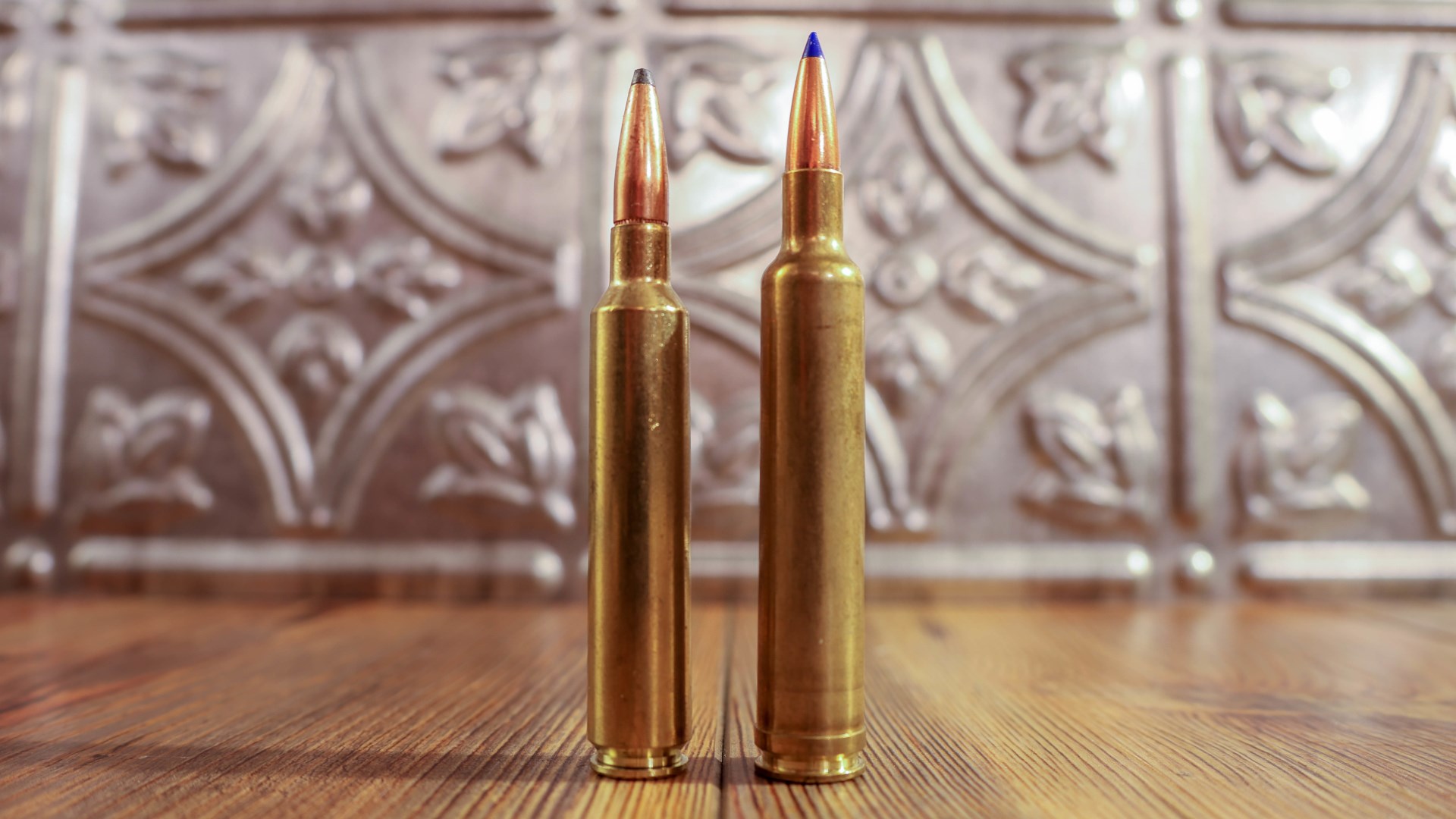
Comparing the two, the first (and most obvious) feature is the sheer size difference between them. As one would expect, the larger 6.5-300 Weatherby Magnum has a velocity advantage, but perhaps not quite commensurate to the difference in volume. Looking at the trajectory, the 250 fps advantage the 6.5-300 offers doesn’t really flatten things out by all that much. Weatherby uses a 300-yard zero for both cartridges, and looking at the 127-grain Barnes LRX (which I’ve found gave the best accuracy in the test rifles I've used), you’ll see a 200-yard rise of 3.1 inches for the 6.5-300 and 3.7 inches for the 6.5 RPM. Out at 400 yards, the 6.5-300 drops 7.5 inches, while the RPM drops 8.8 inches, and at 500 yards, the 6.5-300 drops 20.0 inches and the RPM drops 23.5 inches. So all-in-all, the 6.5 Weatherby RPM stays within one-MOA of the bigger 6.5-300 Weatherby to 500 yards. The bigger case will deliver 250 ft-lbs more than the RPM at 500 yards, despite starting out with an additional 450 ft-lbs.
Ammo costs—per the Weatherby website—are nearly identical, so that point is moot. But given the fact that the ballistic disadvantage of the 6.5 RPM is minimal, the fact that the cartridge doesn’t have the stretching/headspace issues associated with the belted cartridges, and that the cartridge is housed in a much lighter rifle, I like the 6.5 Weatherby RPM best of this pair. Yes, it can be cool to have the fastest cartridge on the block, but in this particular instance, I feel the 6.5 RPM checks more of the boxes on my list, especially when considering that these will both be used in the backcountry and wild places of the hunting world. Seeing that there is now a trio of RPM cartridges on the market—and by all appearances, they are doing well—I think Adam Weatherby & Co. are onto something good here, and that this line isn’t going away anytime soon.