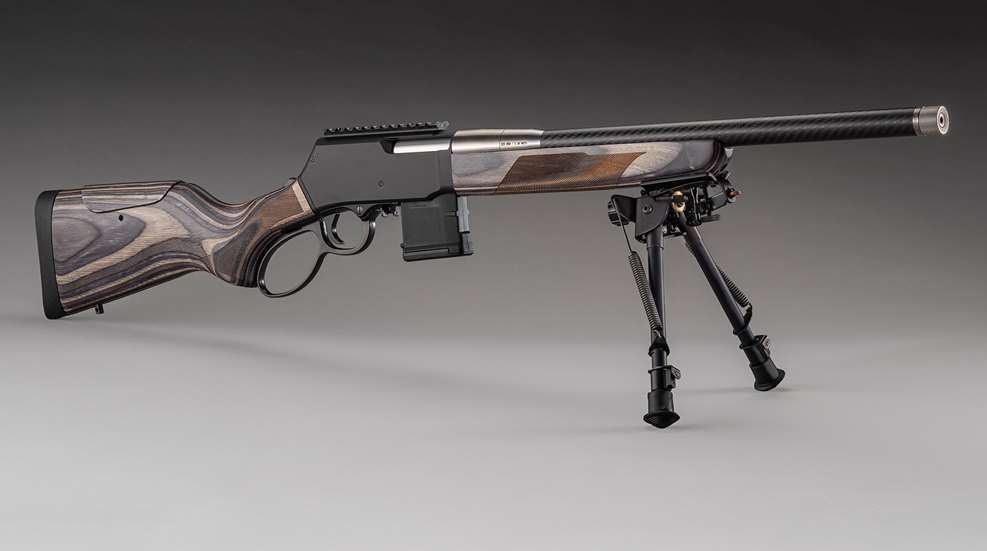
Heritage and tradition sit above nearly everything when it comes to spending time afield. Getting into the woods or exploring the plains provides far more than a chance to harvest game; they present an opportunity to reconnect with those before us and perhaps better understand the motives behind what seems like surface-level madness. In that light, we start to appreciate the change from black to smokeless powder, as well as some of the more modern advancements. Few, if any, would call the Winchester Model 70 or Remington 700 blasphemous, or a departure from “what a rifle ought to be.” These firearms were simply adaptations by our forefathers to deliver a more satisfying hunting experience through better accuracy and field expedience. To that end, I applaud Henry in its creation of the Special Products Division (SPD), especially when the team turns out products like the H23 PREDATOR.
I’ll begin by addressing the all-caps nomenclature, as it’s more than just a way to get it to stand out on a website. “PREDATOR” is an acronym, and it’s short for “Precision Rifle Engineered for Dispatching Agile Targets Over Range.” If you’ll bear with me, I’ll just be referring to it as the “PREDATOR” or its formal catalog code, the H23, for the rest of this story. Naming conventions aside, Henry is billing this as the most accurate lever-action rifle ever created and backs it up with a sub-MOA guarantee. That’s big news for predator hunters, as a fox gets mighty small at 400 or 500 yards.
So, the natural question with any new product is “why?” I found the answer interesting enough to write this piece. Yes, there are plenty of bolt-action rifles out there that can meet this accuracy standard, but none will ever be as fast to run as a lever gun. Well, you can just go with a quality semi-auto if you want speed, but then the issue of suppression comes into play. A closed action will always be quieter when running a can. Plus, you eat a whole lot less carbon, particularly if you’re left-handed. The H23 strikes a balance between these two actions and, in conventional Henry fashion, does so in style.
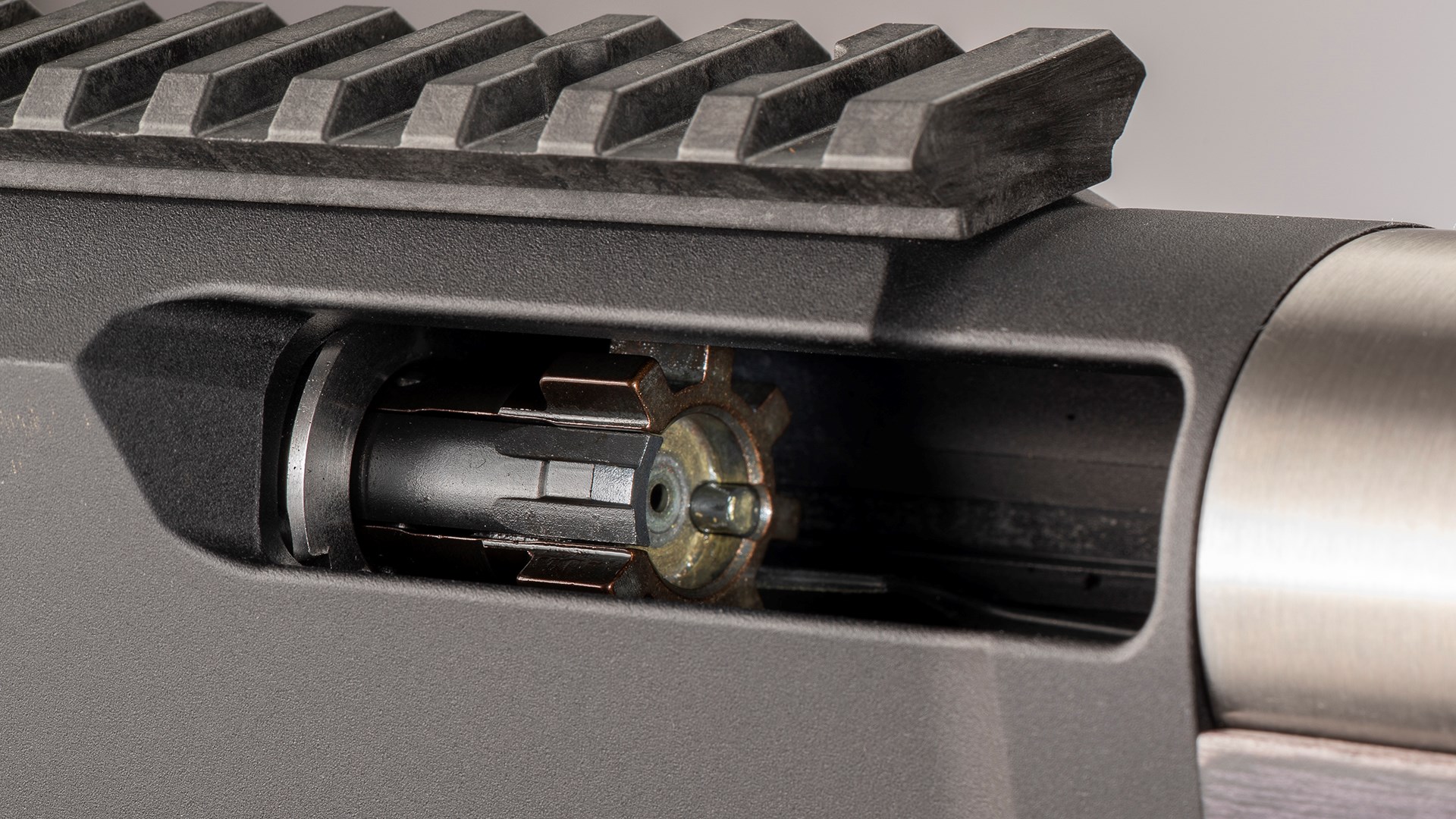
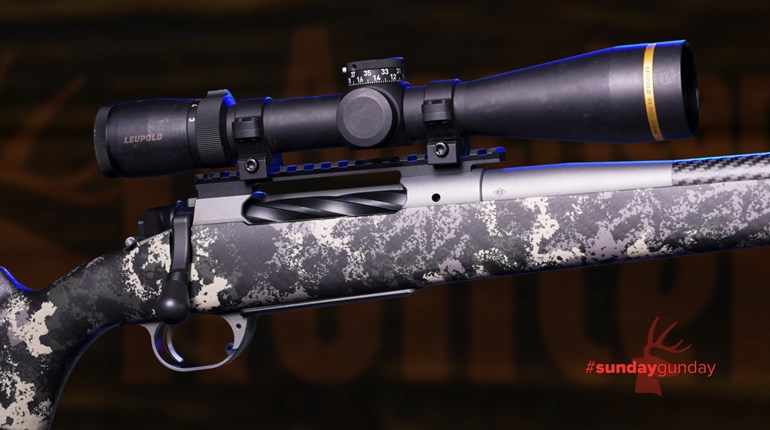
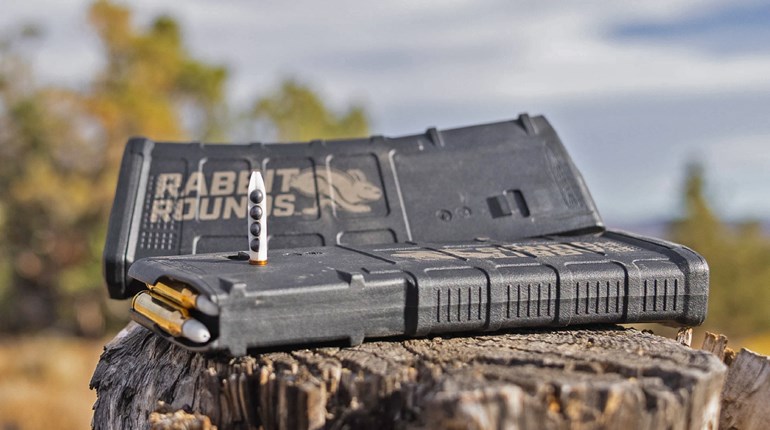
The PREDATOR’s action is unique in the lever-gun category but is borrowed from Henry’s Supreme rifle series. Instead of a stationary bolt head, it utilizes one that is akin to the AR-15, which rotates and locks into a set of recesses on the barrel extension. This camming effect allows the action to handle greater pressures, thus enabling it to chamber modern bottleneck cartridges; in this case, the .223 Remington. As pointed ammunition can be dangerous in tubular magazines, the SPD PREDATOR feeds from a detachable box that is also borrowed from Stoner’s design. A 10-round, detachable Magpul magazine is included, with a five-round limiter if required where you hunt. It will also accept nearly any other STANAG magazine if you already have a stash.
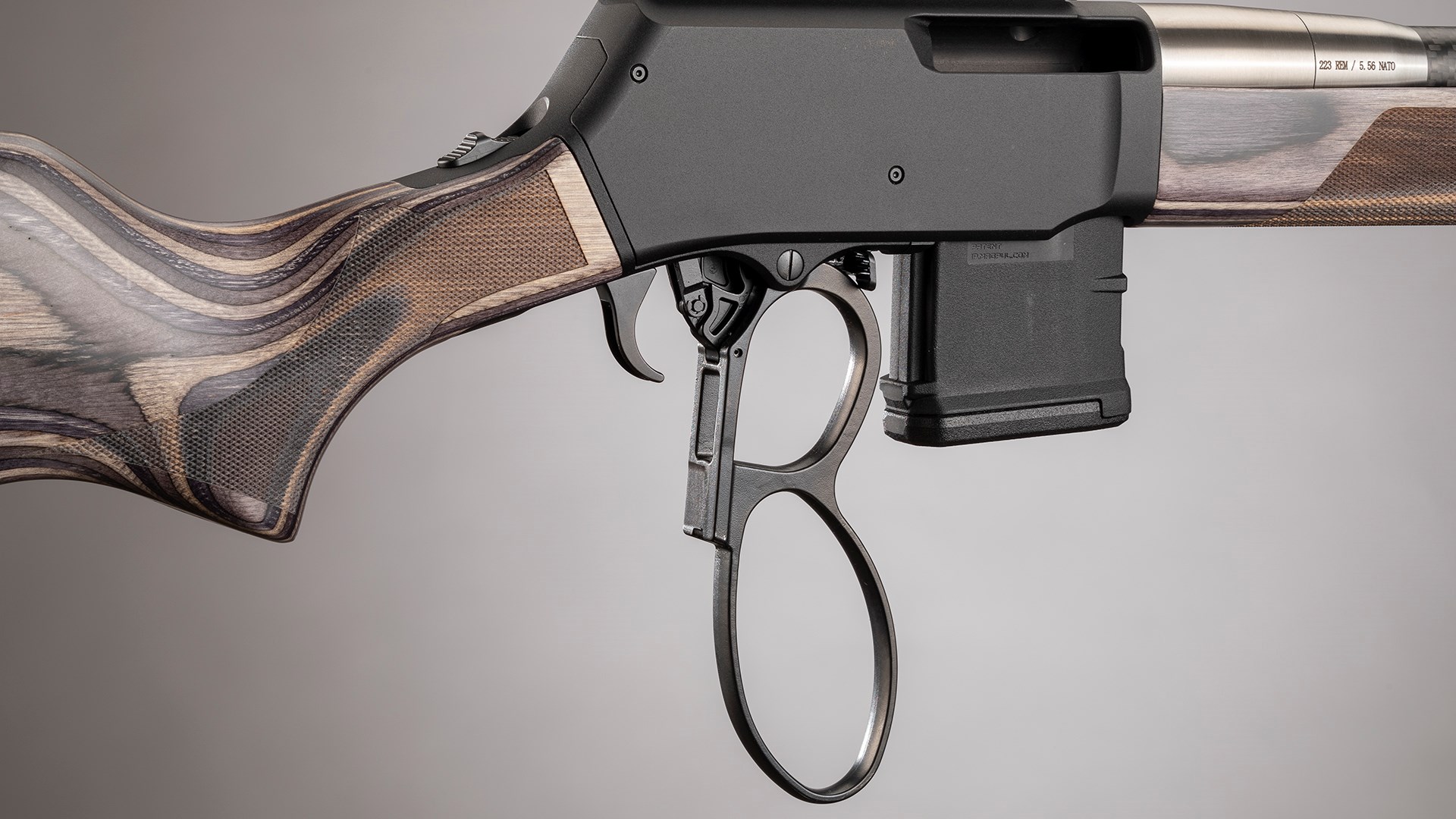
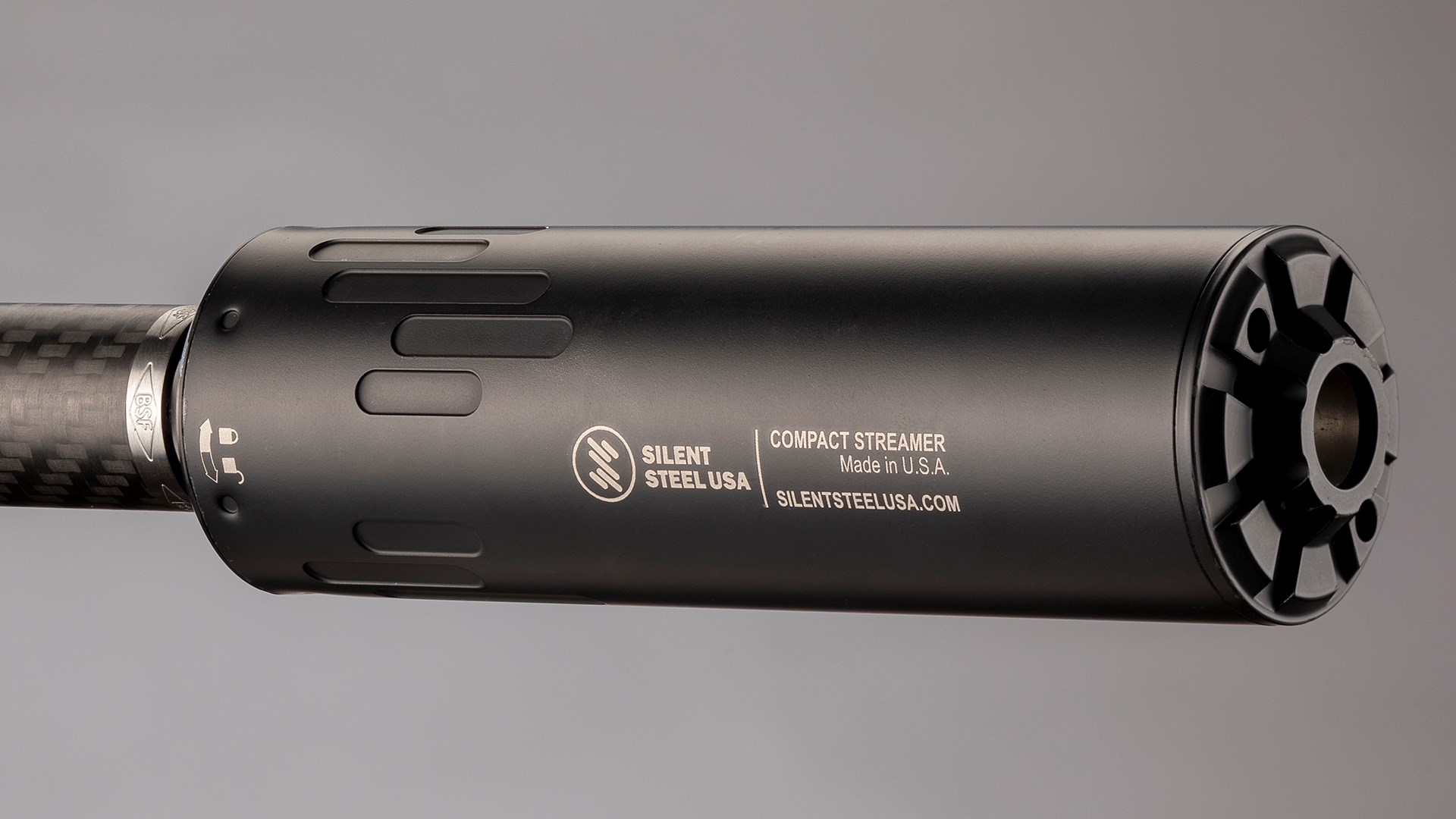
A quality action alone doesn’t guarantee accuracy; at the end of the day, it takes a quality barrel. Henry spared no expense in this department and employed a carbon-wrapped stainless-steel barrel from BSF on the PREDATOR. These begin life as a thin pencil-like barrel, before receiving several layers of weight-saving carbon fiber, sandwiched between high-temp resin, similar to the way items are made from fiberglass. The barrel is also tensioned between a pair of steel collars, thus limiting its contact with the majority of the core, aiding in cooling, and staving off shot displacement from a hot barrel. Finally, it is threaded in 1/2x28 TPI to allow for the easy addition of a muzzle device.
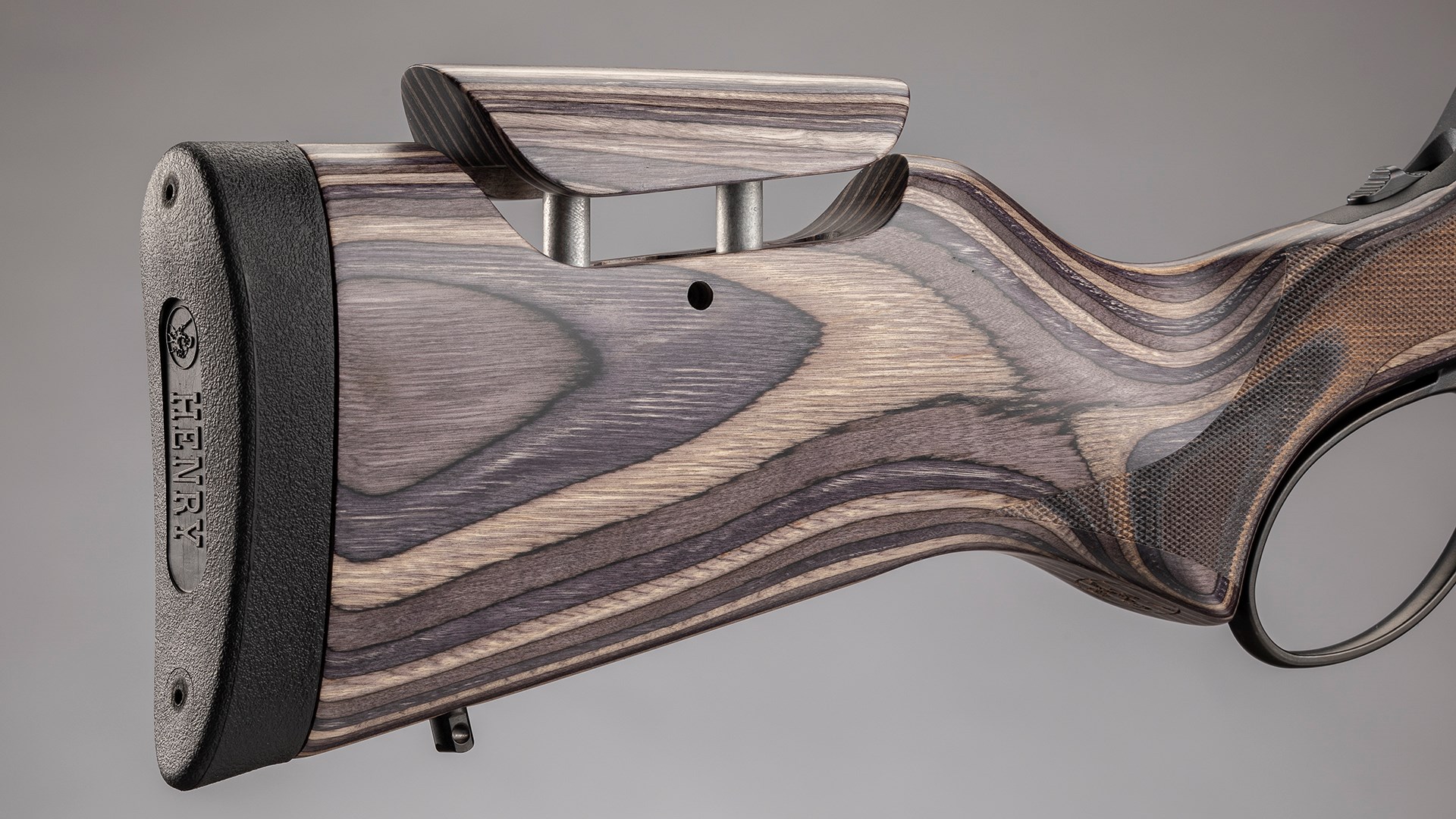
Fine furniture has always been a cornerstone of Henry’s manufacturing process, and the PREDATOR doesn’t depart from that. Going with a laminate buttstock and fore-end might seem like a step in the opposite direction when trying to build the world’s most consistent lever-action rifle, but I’ve seen enough benchrest guns to know otherwise. Many of us have read that wooden stocks are harder on accuracy than synthetics, and this is true. However, laminated furniture is far different from a solemn piece of hardwood. Much like the carbon-fiber barrel it encompasses, it is comprised of an exorbitant amount of synthetic resin. This seals the individual layers of wood from the elements and therefore doesn’t swell the way other wood-based furniture does. Also, like carbon fiber, the layered construction makes it exponentially more rigid while reducing weight. It’s also easier to embed mechanical components into it, which allows Henry to add an adjustable comb without adding a large chunk to the MSRP. So, when you are trying to create something that is both aesthetically appealing and accurate, this is undoubtedly the best way to go.
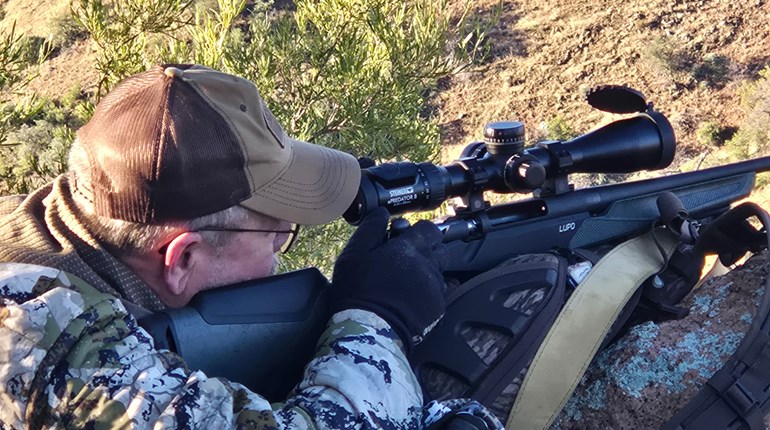
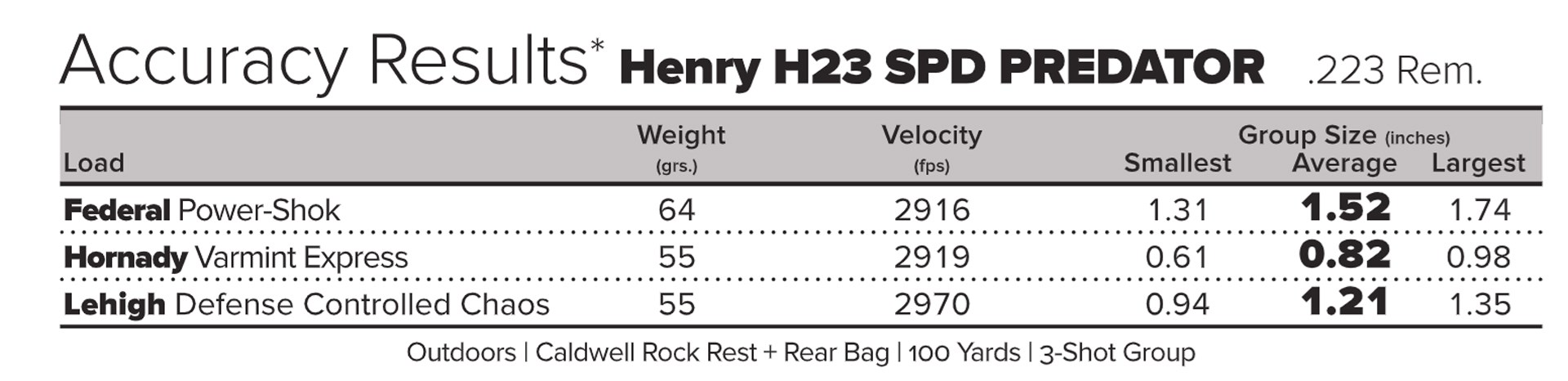
Unlike many of its other rifles, Henry includes a Picatinny rail with the H23 PREDATOR. Also unique is that it is comprised of carbon fiber, which was a first for me. It’s almost a message stating “look how strong carbon can be,” and one that I was interested in investigating. For testing, I mounted one of Trijicon’s new Credo HX 2.5-15X scopes, as, aside from housing some of the clearest glass I’ve ever looked through, it is built with a magnification range that is wide enough to track a dashing dog, yet can zoom in tight enough for a smaller, distant fox or groundhog. Like all accuracy guarantees, Henry’s includes the caveat of “with quality ammunition”, so I made sure to drag out some of the best hunting loads that I had. At the top of the list is Hornady’s Varmint Express with its 55-grain V-Max bullet. This bullet essentially explodes when it touches fur, ensuring a quick dispatch with minimal tracking. Of the same pedigree is Lehigh Defense’s 55-grain Controlled Chaos, except it does its damage without lead. Lastly, I was curious how the rifle would shoot with everyday fodder, so I decided to include Federal’s classic soft-point Power-Shok load in my testing.
I began the day by zeroing in and getting familiar with the trigger. Putting it on a Lyman digital gauge, I found that it broke at a light 2 pounds, 13 ounces. The overall travel was exceptionally smooth, and it broke with just a touch of creep and overtravel. Using the included Harris S-LM bipod to shoot for score—yes, the SPD PREDATOR ships with a bipod—I found that the two pricier loads met the accuracy guarantee, with Federal’s Power-Shok producing groups that were more than adequate for coyote-sized game. I finished the day by mounting a Dead Air Nomad Ti XC suppressor then stretched things out to 500 yards. Using the Credo’s holdovers, I was able to repeatably connect with a 6-inch gong, hearing every impact. Between the rifle’s consistency and the ability to mount a can, I almost forgot that I was shooting a lever gun.
I can say the Henry PREDATOR is not so much of a departure from the original design that it diminishes the lever-gun experience. If anything, modernization ensures that guns like this continue to see new pursuits, while appealing to the newer generations of hunters. At the end of the day, products like this will keep lever actions relevant, ironically doing more to retain traditions than they can ever take away.
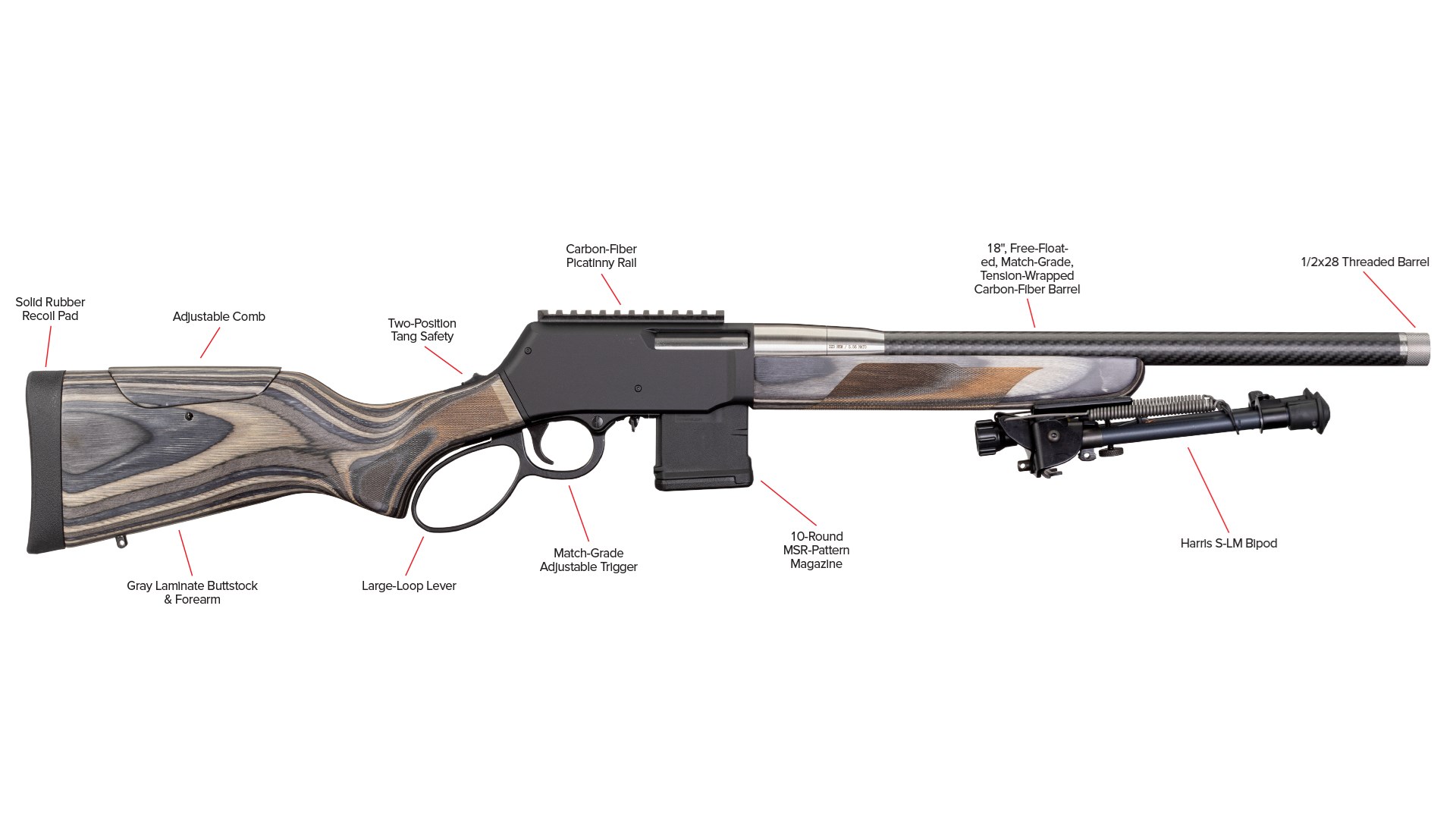
Henry H23 SPD PREDATOR
- henryusa.com
- Type: lever-action centerfire rifle
- Caliber: .223 Rem.
- Magazine: Magpul; detachable MSR-style box; 10-rnd. capacity
- Barrel: BSF, 18"; carbon-fiber tension wrapped 416R stainless steel; free-floated; heavy contour; button rifled; 1:8" RH twist, 6 grooves; threaded ½x28 TPI
- Trigger: single-stage, adjustable pull weight 2.5 lbs.-4 lbs.
- Sights: none; Picatinny rail included
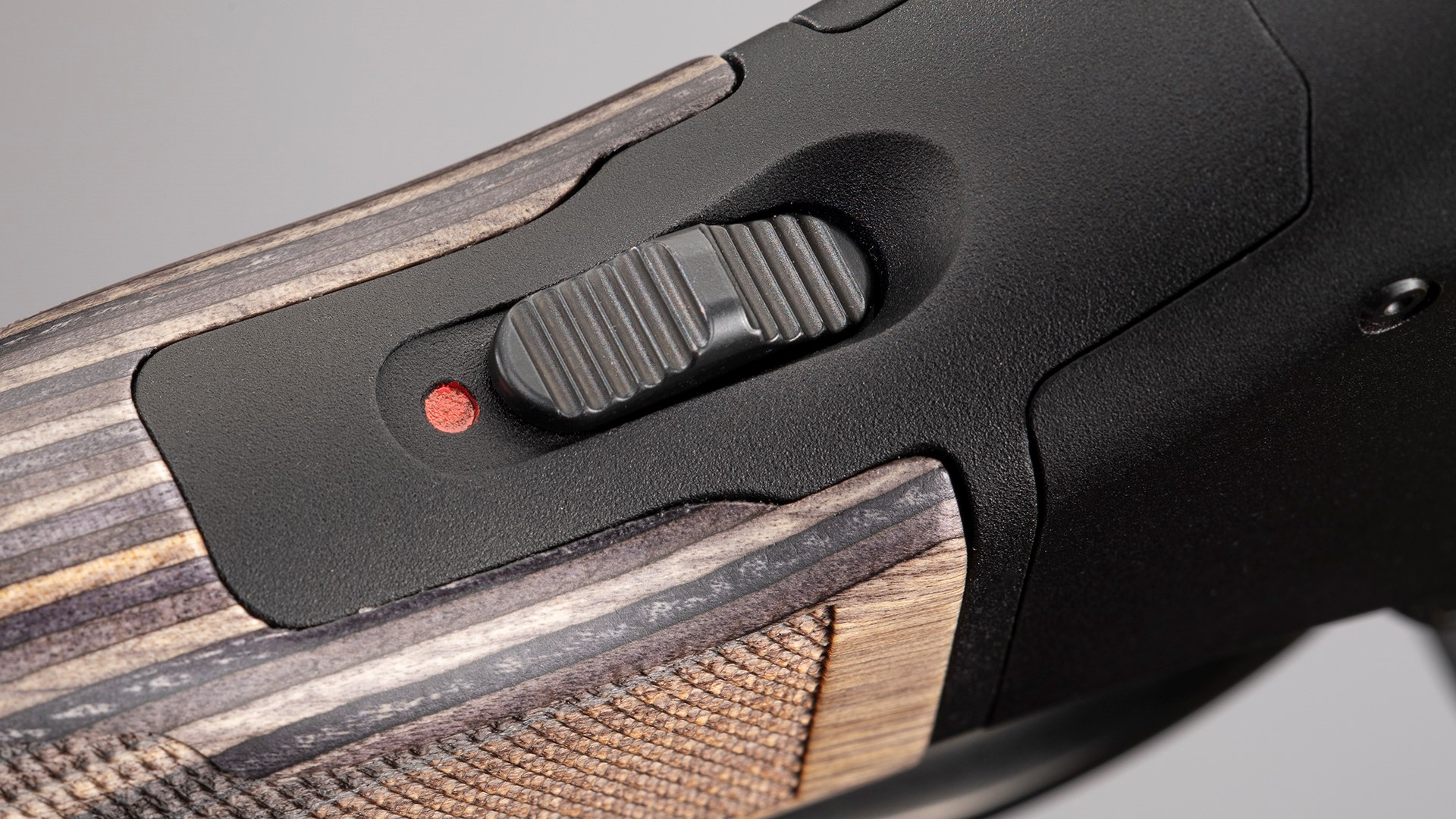
- Safety: two-position tang
- Stock: laminated hardwood; adjustable comb; 14" LOP
- Metal Finish: hard anodized
- Overall Length: 38"
- Weight: 6.2 lbs.
- Accessories: Harris S-LM bipod,
5-rnd. magazine limiter, trigger tool - MSRP: $2,510