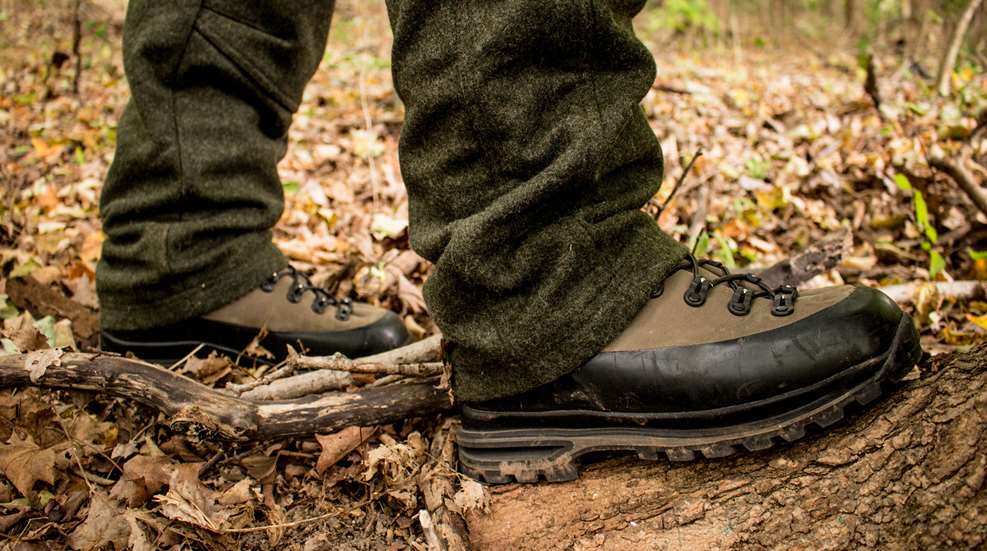
Your firearm, your camo pattern, your shotshell or rifle cartridge, chosen optics, clothing material; all can seem insignificant if your boots aren’t doing their job. One undeniable fact about hunting is that unless your endeavors involve a minor transfer from the truck or ATV to a box blind, your feet and legs are going to do the lion’s share of the work. Should your boots not perform, your hunt might be over; if we’re talking about hunting the Back 40 that’s one thing, but if you’re on a scree slope in Alaska or on the tracks of a bull elephant in the heat of the Zimbabwean veldt it might pose a real issue. And even among the whitetail hunters—who represent a wide and diverse crowd—the optimum footwear might change from the heaviest Pac boots to the lightest boots designed for hot climates.
Now, before we dive into my favorite selections for differing hunting scenarios, a bit about me and my feet. I’ve worked as a surveyor since age 11, and have probably spent more time in the mountains, swamps, woods and fields of New York wearing some form of boot than any other footwear. I was never a big sneaker guy; in fact a pair of Converse Chuck Taylor’s are the only sneakers I own. Depending on the cut, I wear a size 9 ½ or 10 boot, and I prefer to wear wool socks year round, preferably Smartwool. They prevent blisters, wick away moisture, and are the most comfortable I've found. Having been an outdoorsman for both work and play for over 40 years, I've had my fair share of injuries, including spraining both my ankles several times over the years, so ankle support is important to me at times. I have a decent arch in my feet, so flat feet aren’t a problem, and my feet aren’t exceptionally wide or narrow. I have also been blessed to have had the opportunity to hunt many places around the world, from Alaska to Zimbabwe, from Australia to Zambia, and from Scotland to Texas. All told, my experiences might not cover every possible scenario, but I feel I’ve learned what works and what doesn’t, so let’s look at sensible footwear for varying situations.
Dry and Warm Conditions
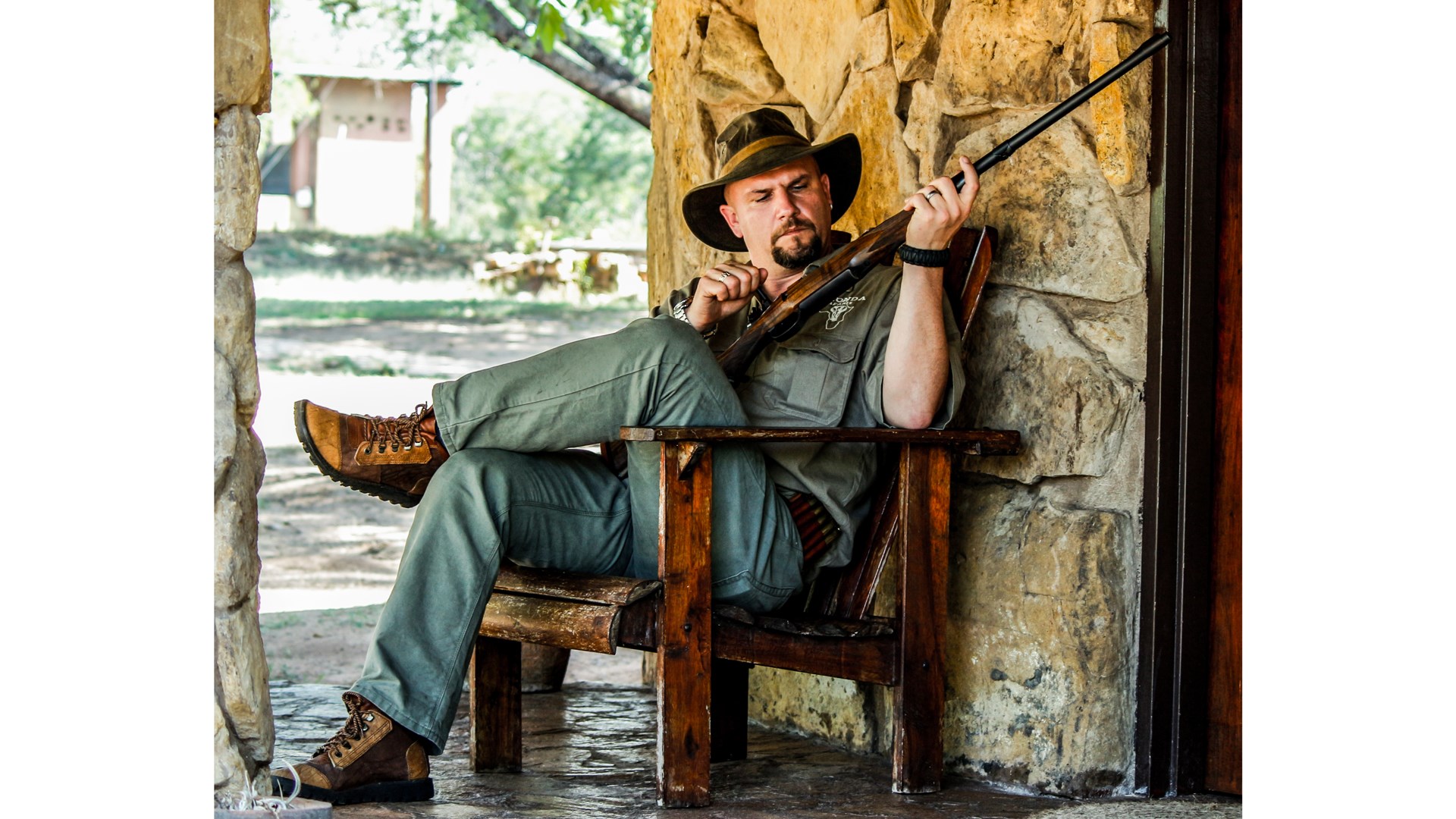
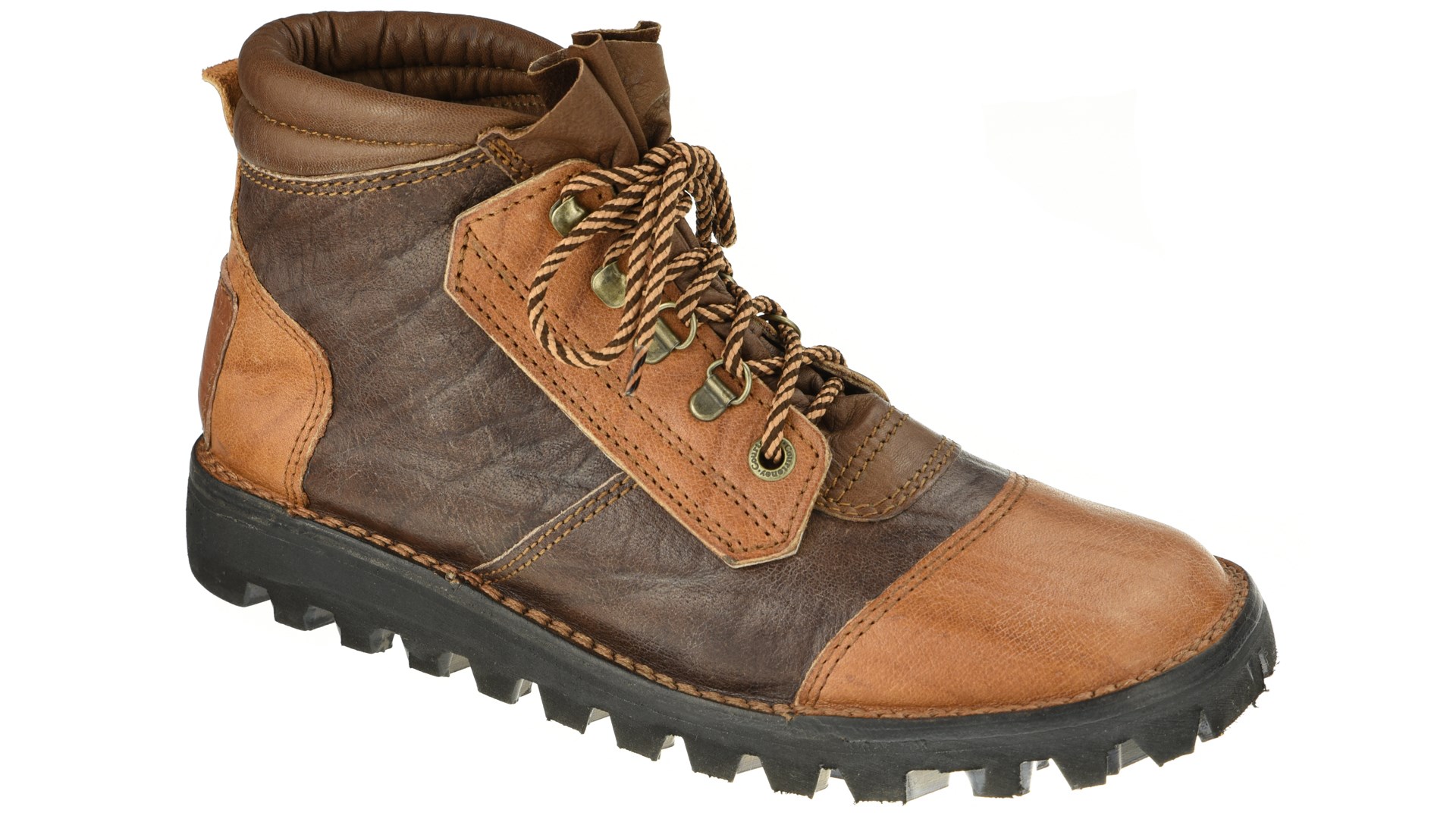
Whether we are talking Texas, Southern Africa, Northern Australia or any similar terrain, boots for warm/dry conditions need to let your feet breathe a bit, handle the sand and rocks, and probably turn thorns. They will also need to be quiet, and many of the more aggressive soles which work so good in the steep timber can be a bit too noisy in those arid conditions. My favorite boots for these conditions are those made by the Courteney Boot Company of Zimbabwe, readily available here in the U.S. through African Sporting Creations. There are a few models, with the Selous being highly popular, though I’ve had a pair of Cape buffalo hide Safari boots which might have more miles on them than some folks’ cars. They are leather-lined, and feature a natural rubber tire-tread sole, which is dead quiet and will handle any thorns you might step on. These are nice enough to wear for travelling and even for casual dinners, and I’ll wager you’ll find yourself wearing them more often than you think. I’ve got four pairs at last count. There are different heights in the lineup, so depending on the ankle support you might need, there are varying options. For those looking for a custom boot experience, Russell Moccasin can surely offer a wide selection of boots perfect for the arid terrain. I have a great pair of their older Mbogo boots, made of durable Cape buffalo hide which turns thorns so well, though if I were to order again I’d go with something a bit quieter than the Vibram Sierra sole. I admit both of these boots are expensive, but in both instance I firmly believe you get what you pay for.
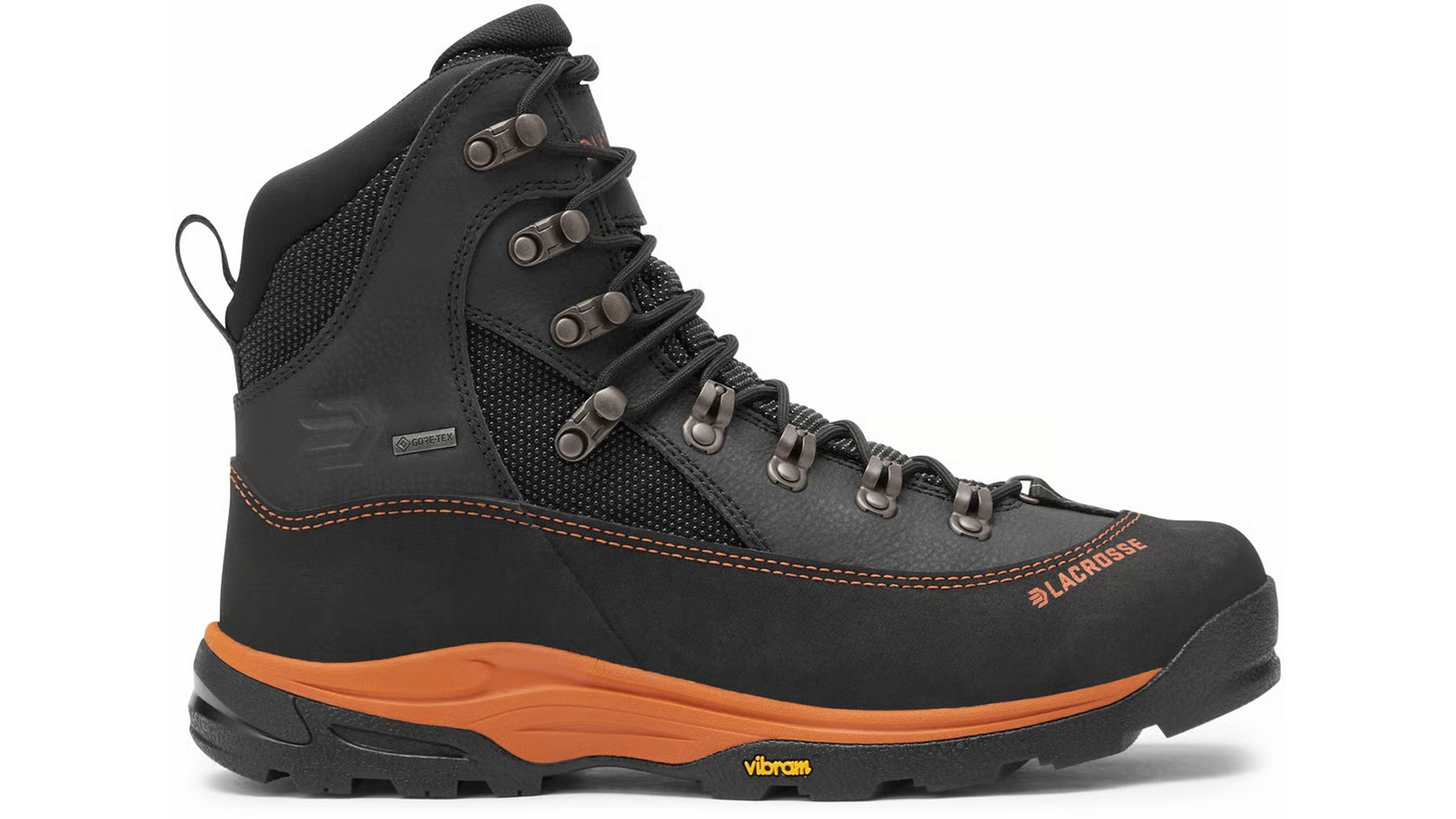
For a good budget choice, I’d recommend the LaCrosse Ursa MS GTX, as the Vibram MONT sole handles the rocks very well, but the GoreTex lining allows the boots to breathe. I’ve also used the Danner Mountain 600 with great results in the varying terrain of Hawaii chasing axis deer, as well as around Texas. I also know a good number of hunters who like the Merrell MOAB series for this type of hunting, as they are light and cool enough to get the job done.
Cold, Wet and Snowy Conditions
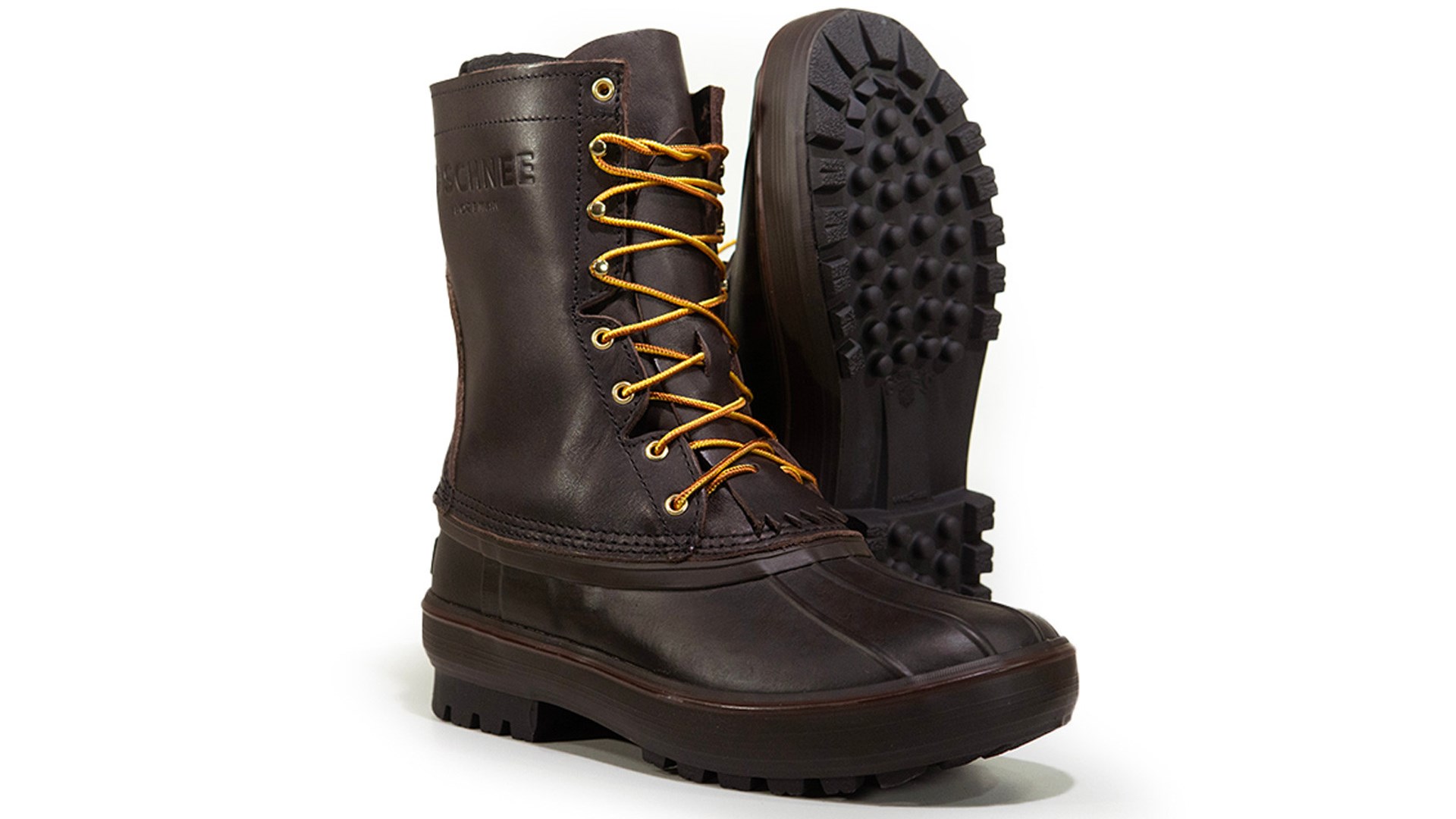
Our New York deer season used to be a snow-covered affair, as the Southern Zone opener was the third Monday of November, and was three weeks long. Winters are now generally a bit warmer—though this last was very cold and snowy—but sitting on stand is still a toe-numbing experience. Take things further north, like the old Quebec caribou hunts in early December, and things can get downright frigid. Again, hearkening back to my surveying career, it wasn't abnormal to wear Sorels or a similar rubber-bottomed pac boot from November until April. While those older models of Sorel boots kept my feet dry, they didn’t offer a whole lot of ankle support, and the thick felt liners held in the sweat, which eventually made my feet cold. Maybe it’s my feet, but they didn’t work well for me, especially when the activity level ramped up. I found my favorite pac boot from a company in Montana: Schnee’s. The company’s 10” Hunter II gave the ankle support I needed, offered a bob sole that worked in both snowy and muddy conditions, and offered a liner which gave me the best balance of breathability and warmth. I have had new bottoms put on my leather uppers twice over the last 20 years, and I’ve yet to find a pac boot that equals these. They are offered in varying heights, and in models with additional insulation.
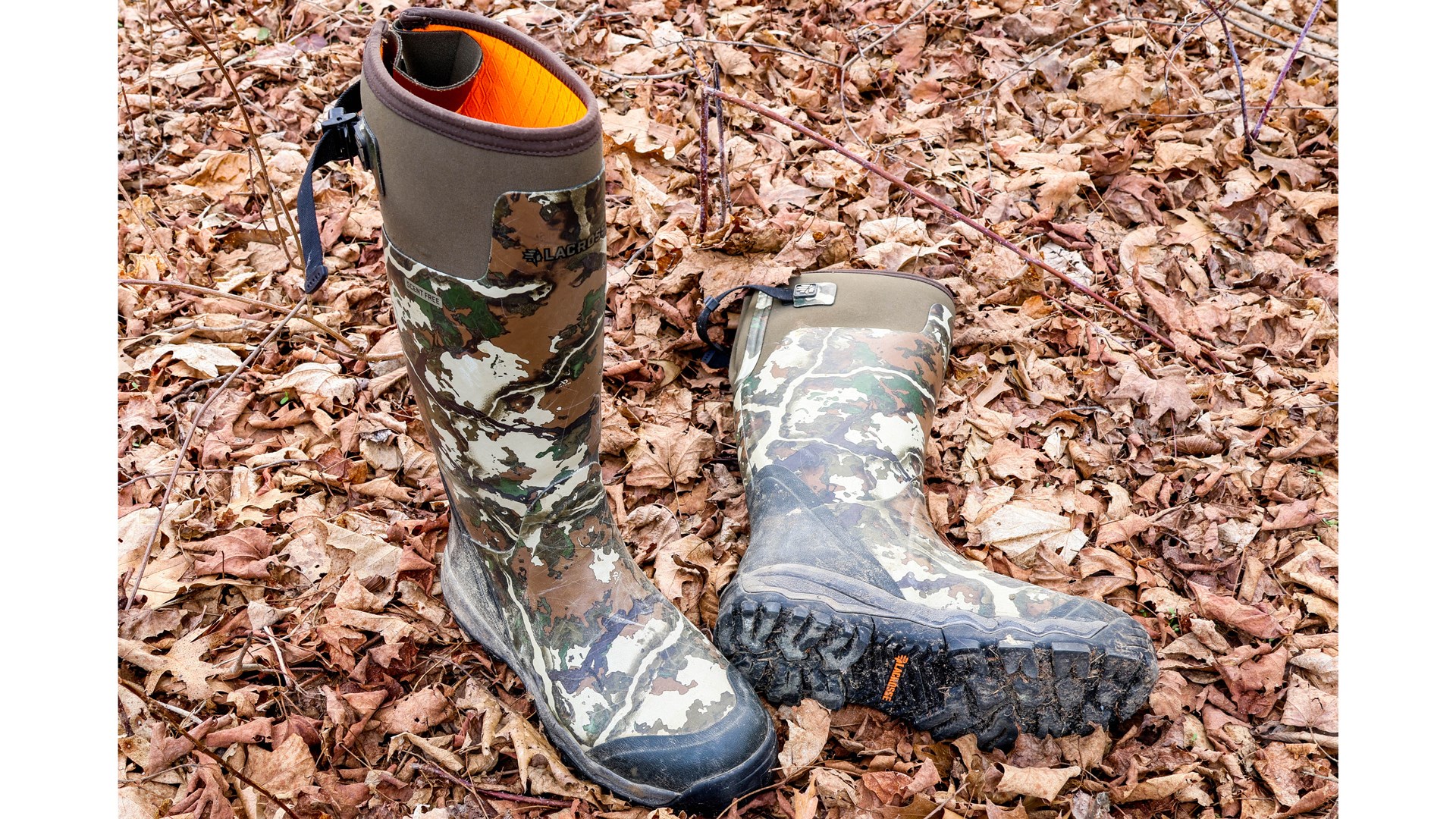
Sometimes the high rubber boots are called for, especially when tracking in those Adirondack cedar swamps where one misstep can easily put the water halfway up your shin, and soaked boots can absolutely ruin your day. I tried the Muck Boots, but for some reason they were a chore to get on and off, and didn’t fit well. I found LaCrosse’s Alpha Burly Pro 18” First Lite Fusion and they did the trick for me. They were light enough so as to not burden my legs, but warm enough with heavy socks as to keep my feet comfortable even when sitting. These would make a great boot for coastal Alaska, where it seems to always be wet.
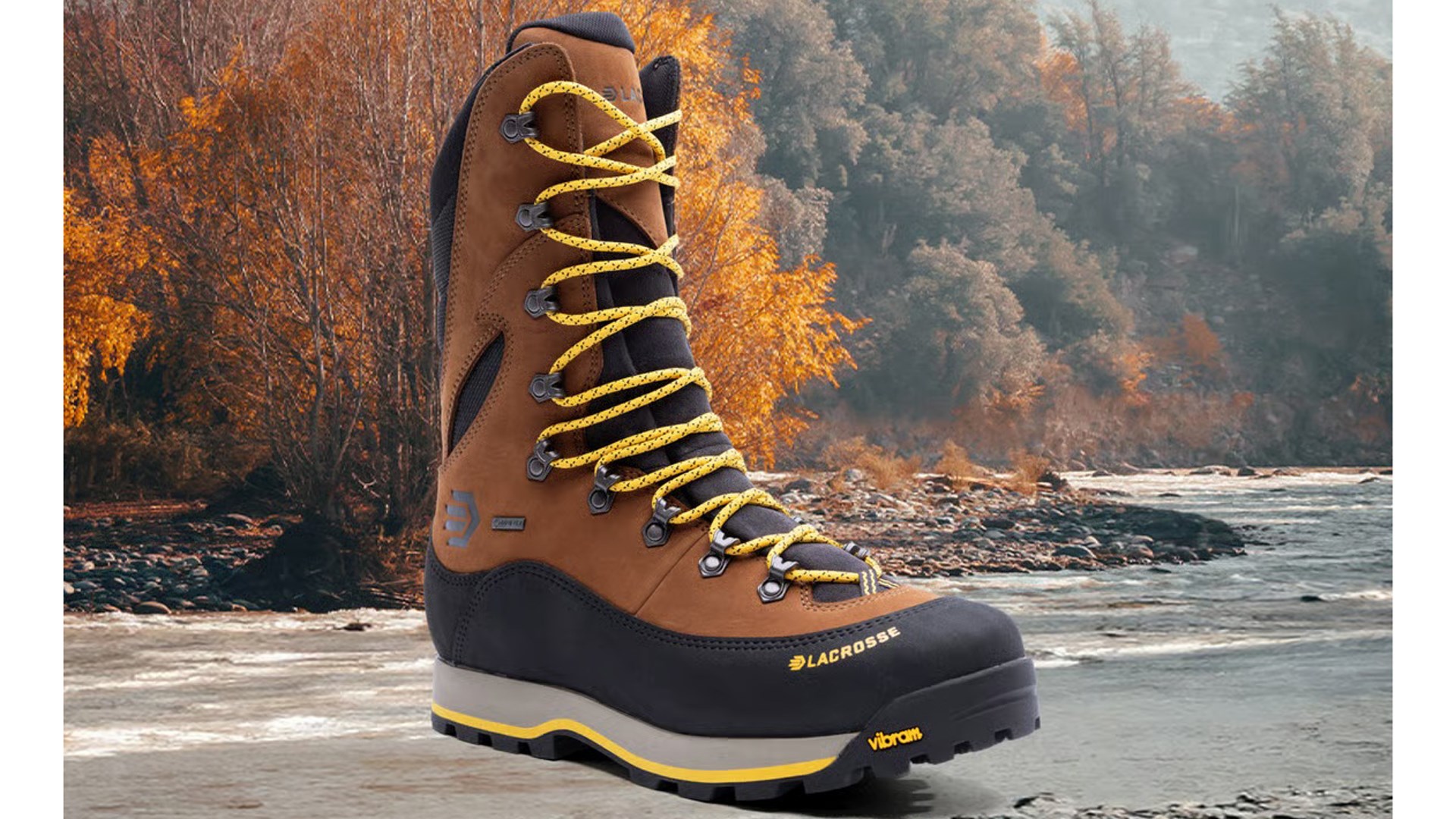
If it’s on the drier side, I like the LaCrosse Ursa LS GTX, with 400 grams of insulation. These are 10-inches high, offer plenty of ankle support, have a neoprene band around the bottom to keep any ground moisture out, and required very little break-in, in spite of the rugged feel. The Vibram Traction Lug sole doesn’t plug up with mud, is quiet enough for stalking, yet still works fine when the temps dip down to single digits. These are my go-to deer season boots these days, as they are the best blend of weight, warmth, support, and traction for my needs.
Mountain-Hunting Boots
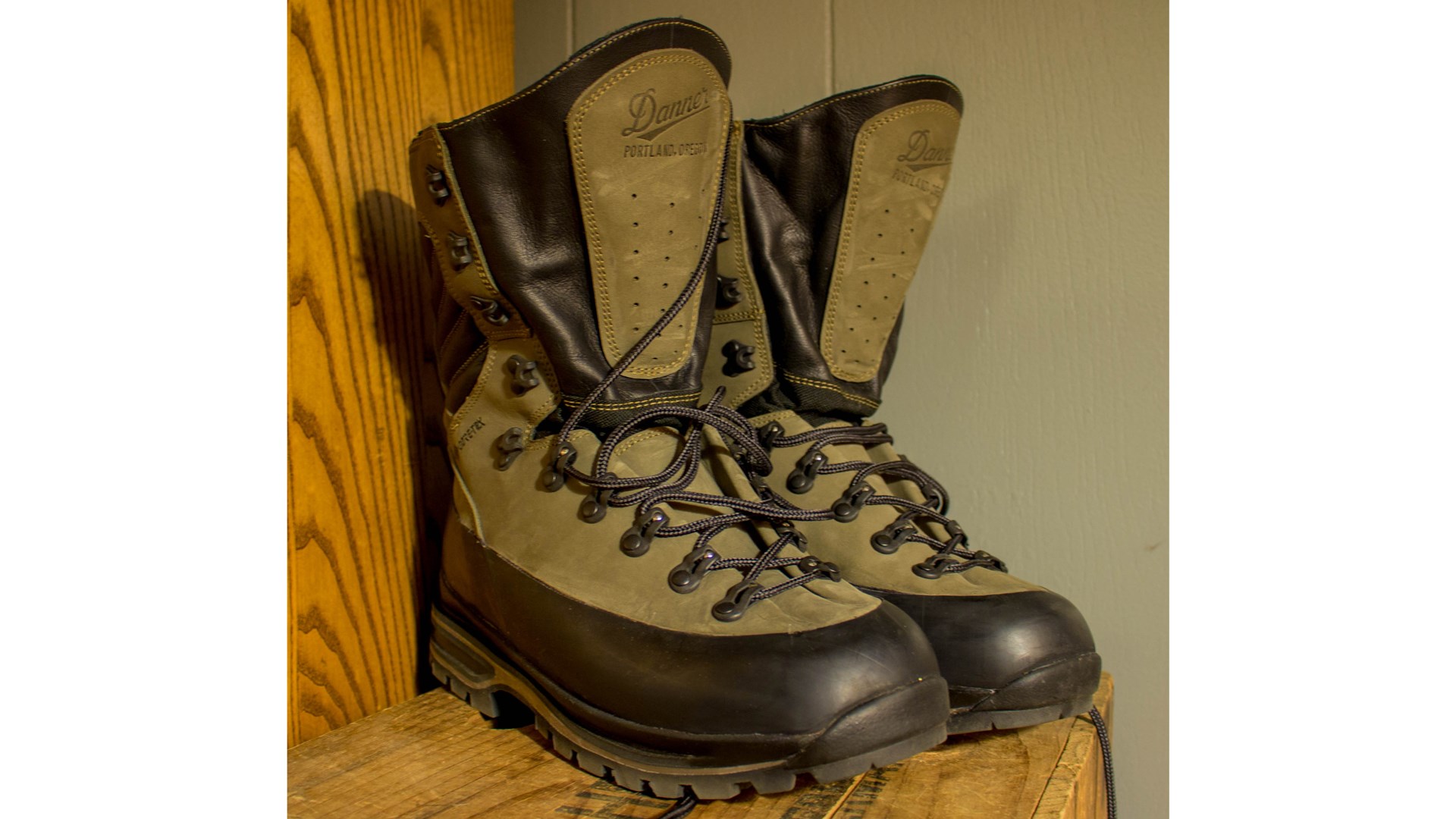
There are many mountain-style boots on the market, and many good ones to choose from. I’ve spent a fair amount of time in the Rockies—especially Colorado, Wyoming and Idaho—where it isn’t hard to roll an ankle, and here in my native New York, we’ve got the Catskill and Adirondack Parks where things can get equally rugged. It is these conditions where my ankles show their issues, and where a lesser boot stands out quickly. I found Danner boots about 35 years ago, and I really appreciated their lace to toe design and how the footprint of their sole seems to help stability. I’ve had several of their models over the years, but my favorite pair is the Thorofare.
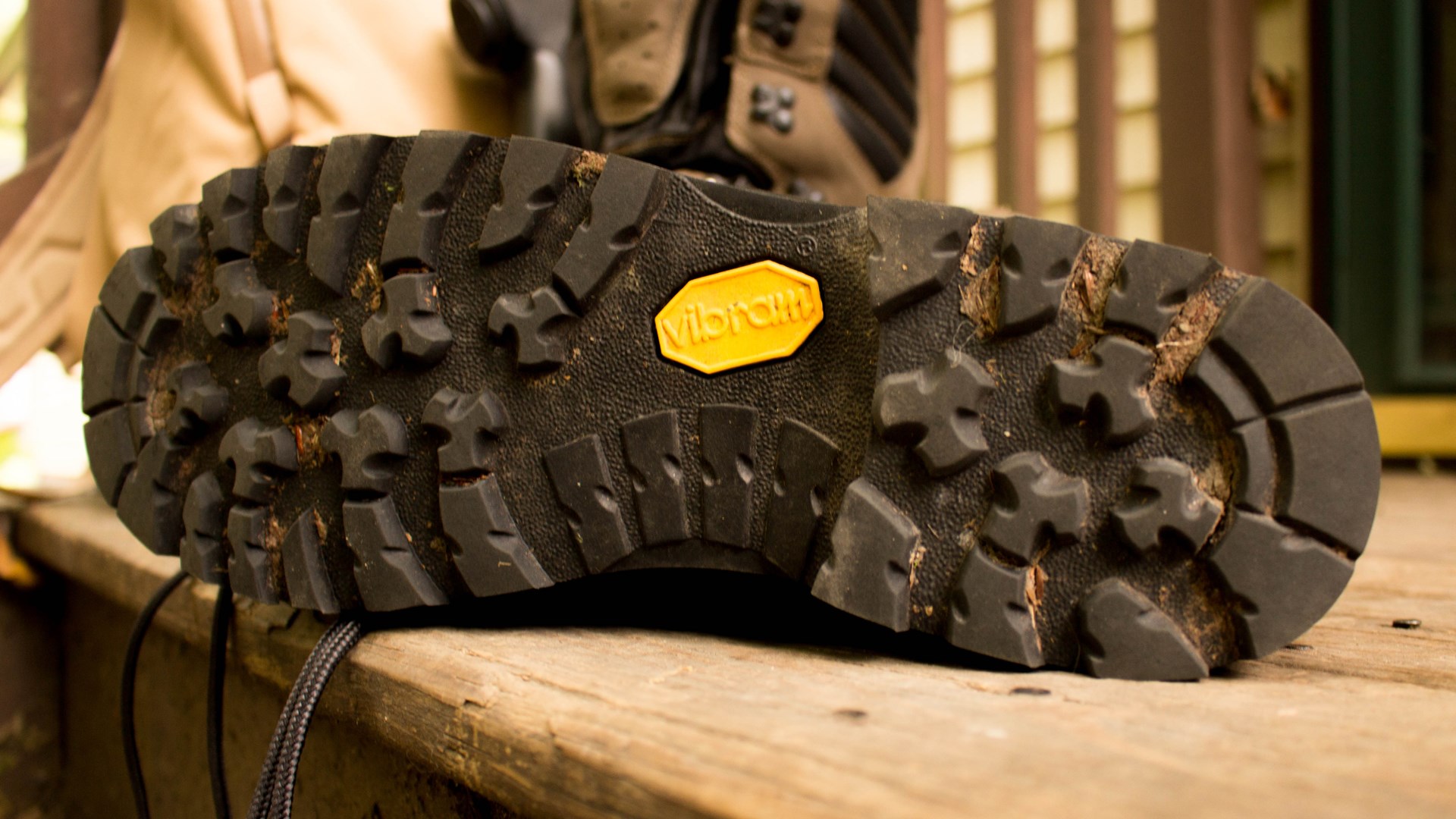
Using a thick polyurethane footbed and a single-piece leather vamp to minimize seams which can leak, the Thorofare gives rugged support, yet the Dynamic Response System in the sole gives the feel you want when hiking through rough terrain. The bottom of the boot is wrapped in a Vibram rubber rand which protects from scuffs, as well as keeps water out of the boot. A GoreTex layer helps let the boot breathe, and the Vibram sole gives a very positive grip whether above or below freezing. I love the roller bearing eyelets on the lower five eyelets, as well as the durability of the NuBuck leather. I will say the Thorofare takes a bit of breaking in, but even during the break-in period I felt no discomfort and they gave me no blisters. Today, five years later, they are extremely comfortable. The rugged design does generate a slight “scrunch” sound with each step as the boot flexes, but if I need a pair of boots to get me to the top of the mountain and back while keeping my knees, hips and lower back in one piece, I reach for these. Though they tip the scales at five pounds per pair, they sure don’t feel it.
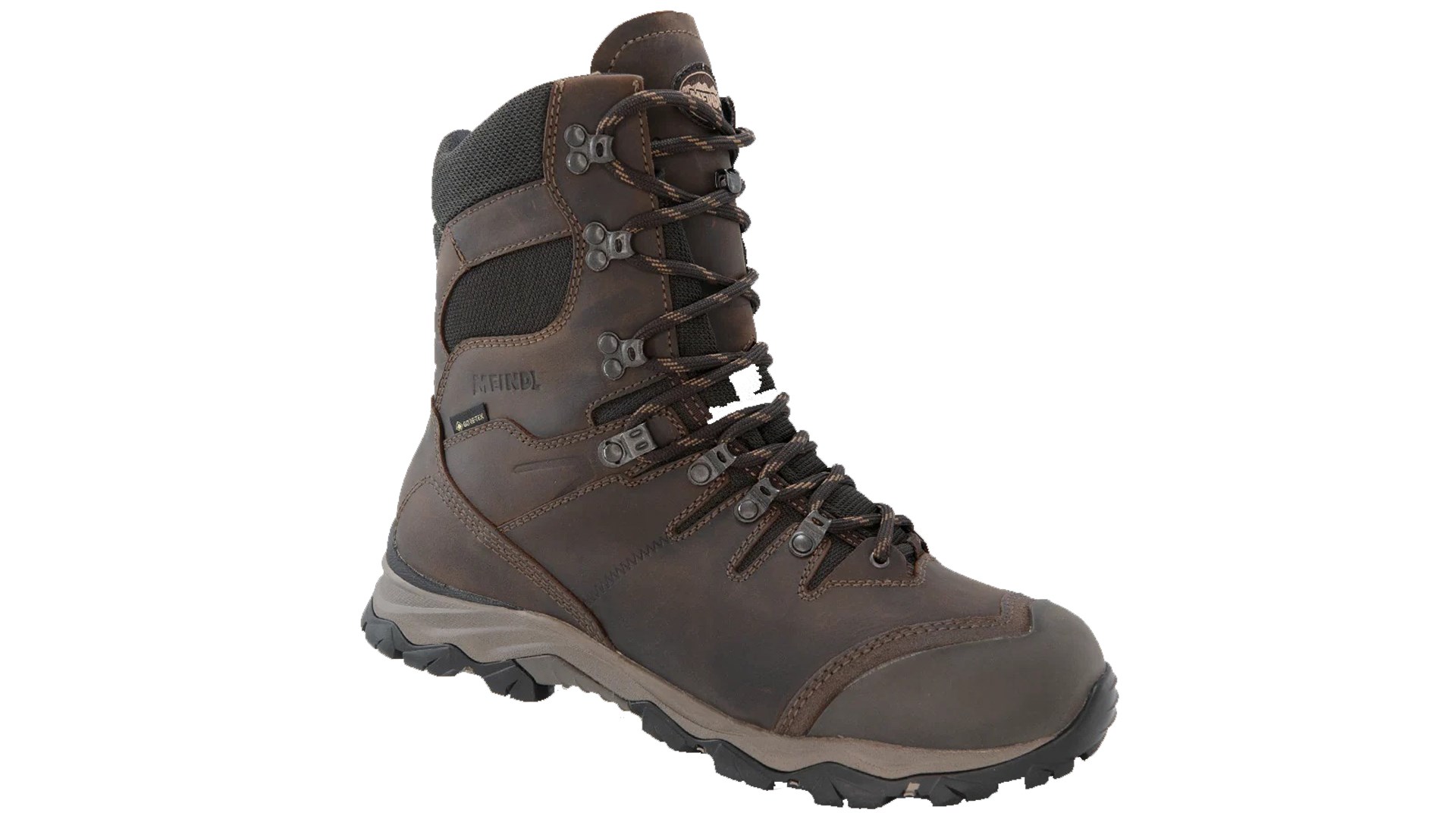
Another of my favorites is the Meindl Eurolight Hunter Uninsulated, as these give great support without a bunch of weight. Weighing just 3.1 pounds per pair, the Eurolight features a GoreTex barrier against moisture, and the Duo Dur III outsole provides firm footing when the grades get steep. They felt great straight out of the box, and make a great boot for the early fall, or when the temps are cool but not cold. I like them for our early fall bear season in the Catskills, as they are quiet while stalking, and keep my feet dry and my ankles in their proper configuration.
Turkey/Bowhunting Boots
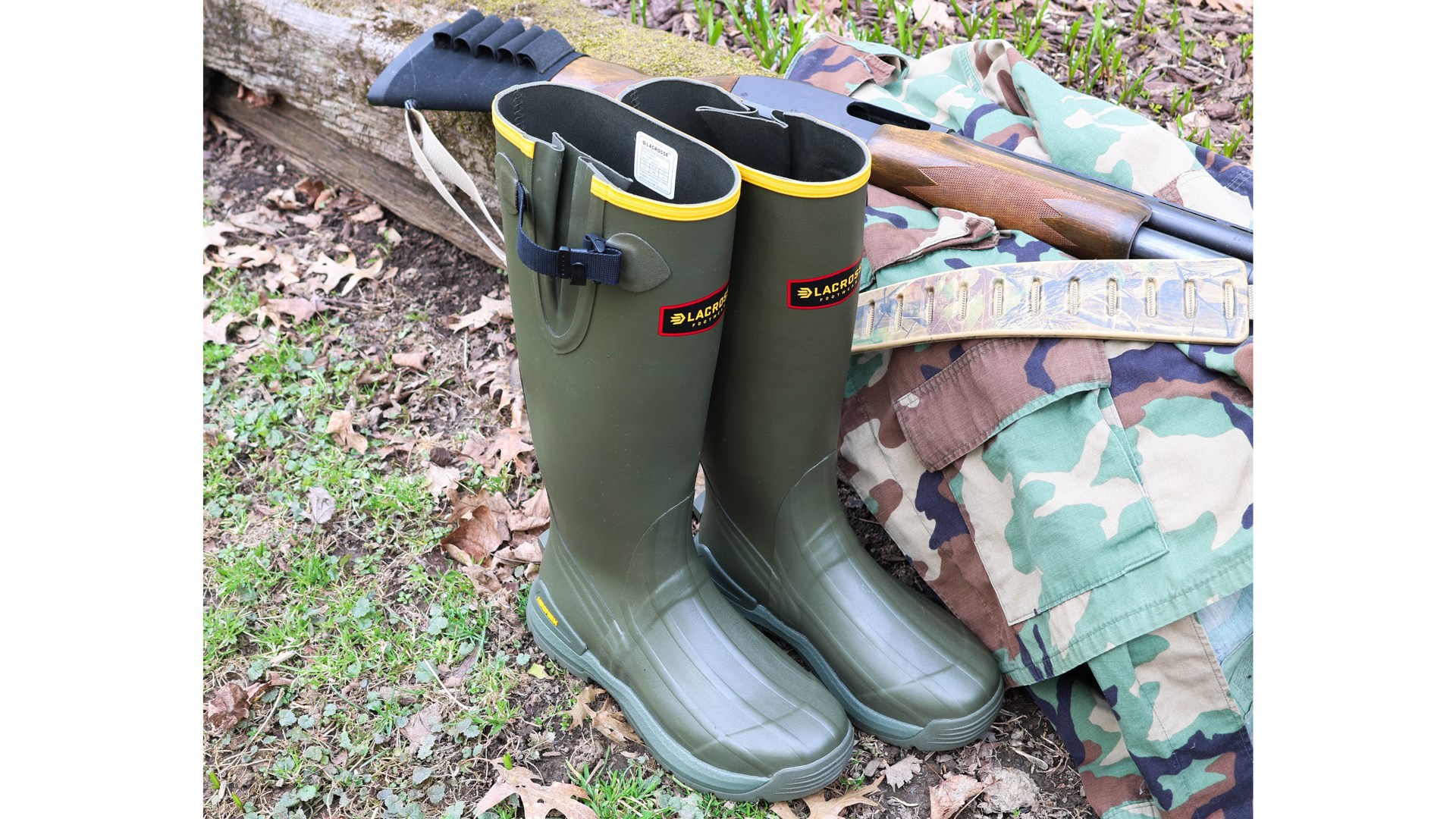
For spring hunting, especially here in New York in May where the weather usually brings us rain or heavy dew in the mornings, wet is the norm. Here is another perfect application for the knee-high rubber boot, and I've just found what might be the most comfortable rubber boot I've ever worn—the LaCrosse Burly Aero. At 17-inches tall, and weighing only 3.6 pounds per pair (compared to the Alpha Burly which come in at 4.8 pounds), these might be the most comfortable and flexible rubber boot I’ve yet to wear. They are uninsulated, and the tread of the sole and the oversize shank provide a steady feel over a wide variety of terrains. I absolutely love the protruding nib, which makes this boot surprisingly easy to get off at the end of the day. Like most rubber boots, I’d do my best to avoid barbed wire fences—the bane of the rubber boot—but I can absolutely see where the Burly Aero could become a favorite of trappers and bowhunters in addition to those obsessed with turkeys. On drier days, the Irish Setter Vaprtrek boot is a unique design which makes a great turkey boot. These are a blend of leather and a Hex Lite rubber outsole, which wraps around the toe and uses a pattern of lugs to offer traction underfoot and from the sides as well. Featuring 400g of Primaloft insulation, these boots will feel equally as comfortable on cool mornings as they will on warmer afternoons. I've found that the Vaprtrek runs a bit narrow, so I’d advise ordering a wider boot than you normally wear, but once they break in, you’ll appreciate this boot on many different outdoor adventures.
All-Terrain
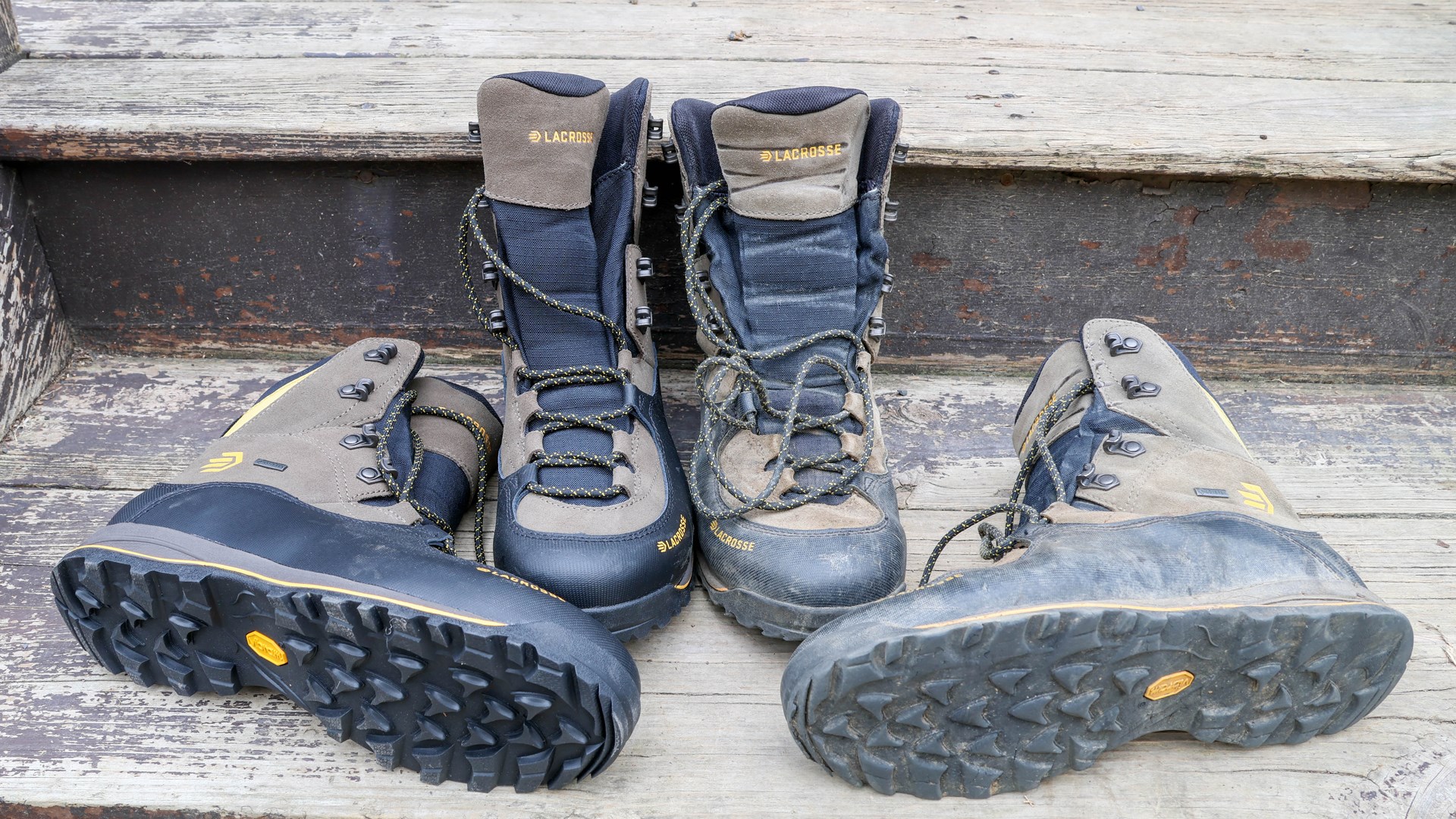
I am a fan of LaCrosse boots, perhaps because they fit my feet so well, perhaps for their value, or perhaps for a blend of the two reasons. The Ursa RS has become one of my favorite boots out there, as they fit my feet like a custom boot and hold up very well. I have beat these boots up while surveying and hunting here all over New York, I've taken them to England and Wales in pursuit of fallow deer and roe deer—and it rained nearly every day—as well as to hunt buffalo and elephant in the wet season in Zimbabwe. They are light—weighing in at 2 ½ pounds per pair—yet are rigid enough to give the ankle support I so appreciate. At eight inches tall, they keep sticks, seeds and burrs out of your feet, yet aren’t cumbersome at all. The Vibram sole and Goretex liner give proper traction and waterproof performance, while the blend of suede and nylon upper keep weight down. I’m on my second pair, and have been very happy with the Ursa RS; it makes a great choice for a three-season boot, handling all but the coldest weather hunts.
I am absolutely aware that there are many correct answers to the hunting-boot question, and that my chosen favorites are just a small cross section of the market. But, I can honestly say I've spent a good amount of time with each of the models listed, and each has a purpose which may or may not suit your needs. Among friends and colleagues, I see lots of Kenetrek, Crispi, Rocky Boots, and other brands in camp; I’m not saying in any way that they are bad or inferior, I just haven’t spent enough time with them to pass judgment. I will say this: I feel that footwear is one of the most important pieces of gear a hunter can purchase, and proper footwear allows me to hunt harder and longer.