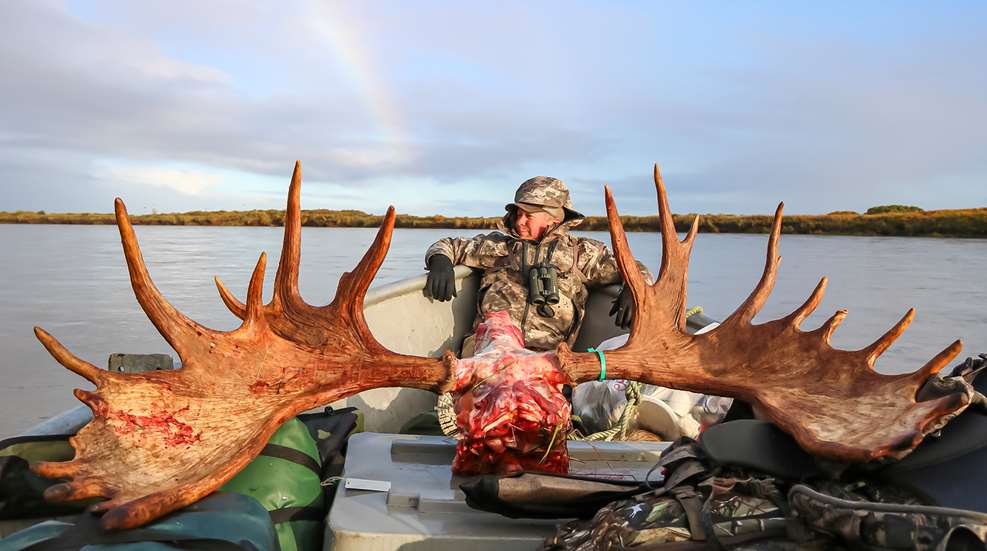
Two men in a raft approached a buddy and I as we dumped a load of moose meat into a jet boat. “We’ll pay ya $1,000 to run us down to the next village,” they pleaded. Their little tent got thrashed in a storm. Their sleeping bags and clothes were soaked. They were cold and scared. It was day two of Alaska’s moose season, their first do-it-yourself hunt.
My buddy and I had eight hours of packing left and another moose tag to fill. Given the tides, we’d lose three days of hunting. We gave them directions, assuring their arrival by dark.
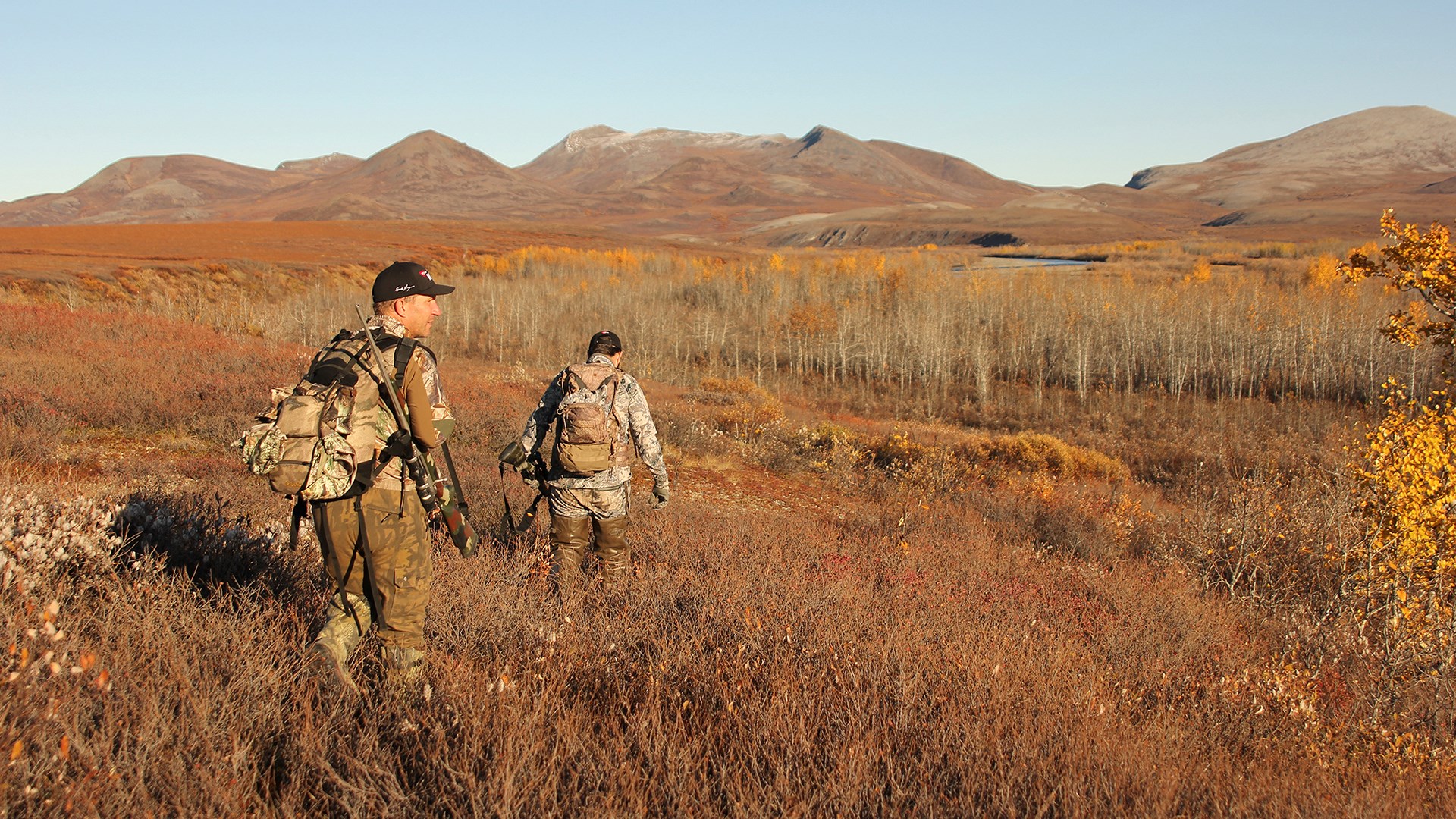
Nothing about moose hunting is easy. A DIY moose hunt starts with being honest. Outdoor skills and mental preparedness are vital. You must be able to survive in the wild under any conditions. If bears, freezing weather, torrential rains, blizzards, mosquitos and being out of touch with civilization makes you uneasy, reconsider.
Your level of fitness is a priority. Moose hunting is extremely tough, especially once a bull is down. Hiking across tundra, through bogs, snow and rivers is the norm. Sock-foot, breathable waders and hiking boots are often used on a hunt.
Next, research a place to hunt. Decide if you’re going on a river or a mountain hunt, or maybe a combination of the two.
On a river hunt you’ll get dropped off by an air charter in one spot and picked up downstream, seven to 10 days later. You’ll navigate rivers by raft so be certain you’re comfortable tackling that with all your gear and 800 pounds of meat, cape and antlers. If two of you tag out, that’s where you’ll stay, the bush plane will find you. Basing yourself where the plane can land can mean hours of packing meat.
On a DIY mountain hunt you’ll likely establish a base camp from which to hike and glass. You might spike camp. Make sure you can physically handle hiking in the terrain you’ll hunt, survive with minimal rations, and navigate in fog, snow and other challenging weather and terrain conditions.
When packing for a moose hunt, lay out the gear you want to take then cut it in half. Light travel in bush planes is essential. On my last 10-day moose hunt on a river I wore the same outer clothes each day, and some of those on my flight into Alaska on commercial airlines. I had a medium-weight rain jacket and hunted in breathable waders. A few pairs of socks, underwear, gloves and a stocking hat, along with a couple base layers, and that was it.
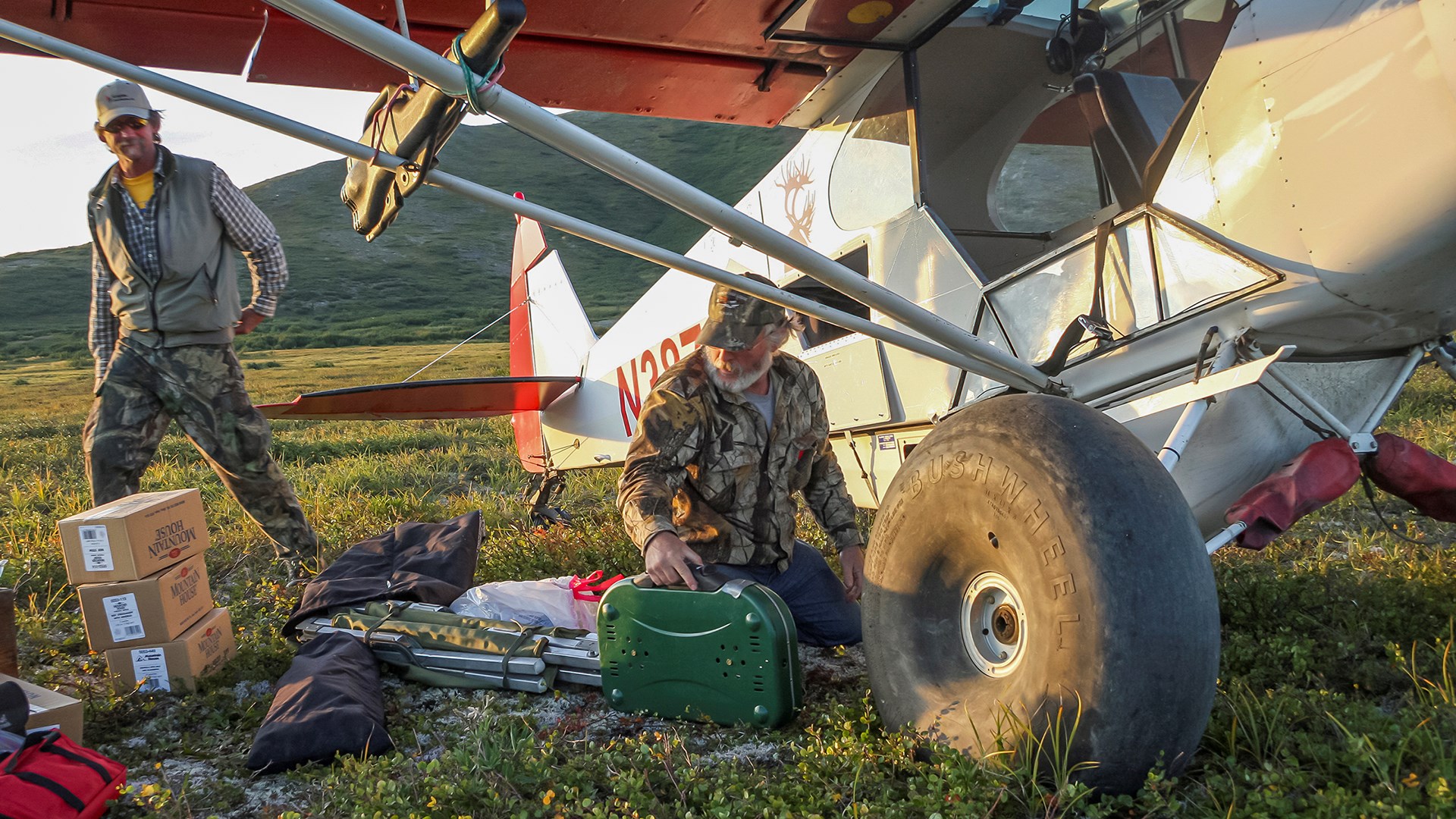
If renting camping gear from a bush plane drop service, insist on going through it before it’s loaded. In addition to the wrong raft frame, I’ve heard of rafts with holes in them and tents that failed in high winds. Years ago a couple buddies used a drop service that forgot to load their food. By the time they discovered it, the plane was long gone. Luckily they caught fish and shot ptarmigan for 10 days. They didn’t see a moose.
Some air services will shop and pack your food. This can be a big time and money saver when flying out of remote villages. Make sure the food is what you want, and that costs have been discussed beforehand.
Consider a satellite phone for the hunt. If there’s an emergency, you want to get out. If a storm is approaching, you may be able to relocate. I’ve experienced downed planes and sunken boats and I’ve been confined to tents for days. Sometimes, simply surviving a hunt in remote Alaska means it was a success.
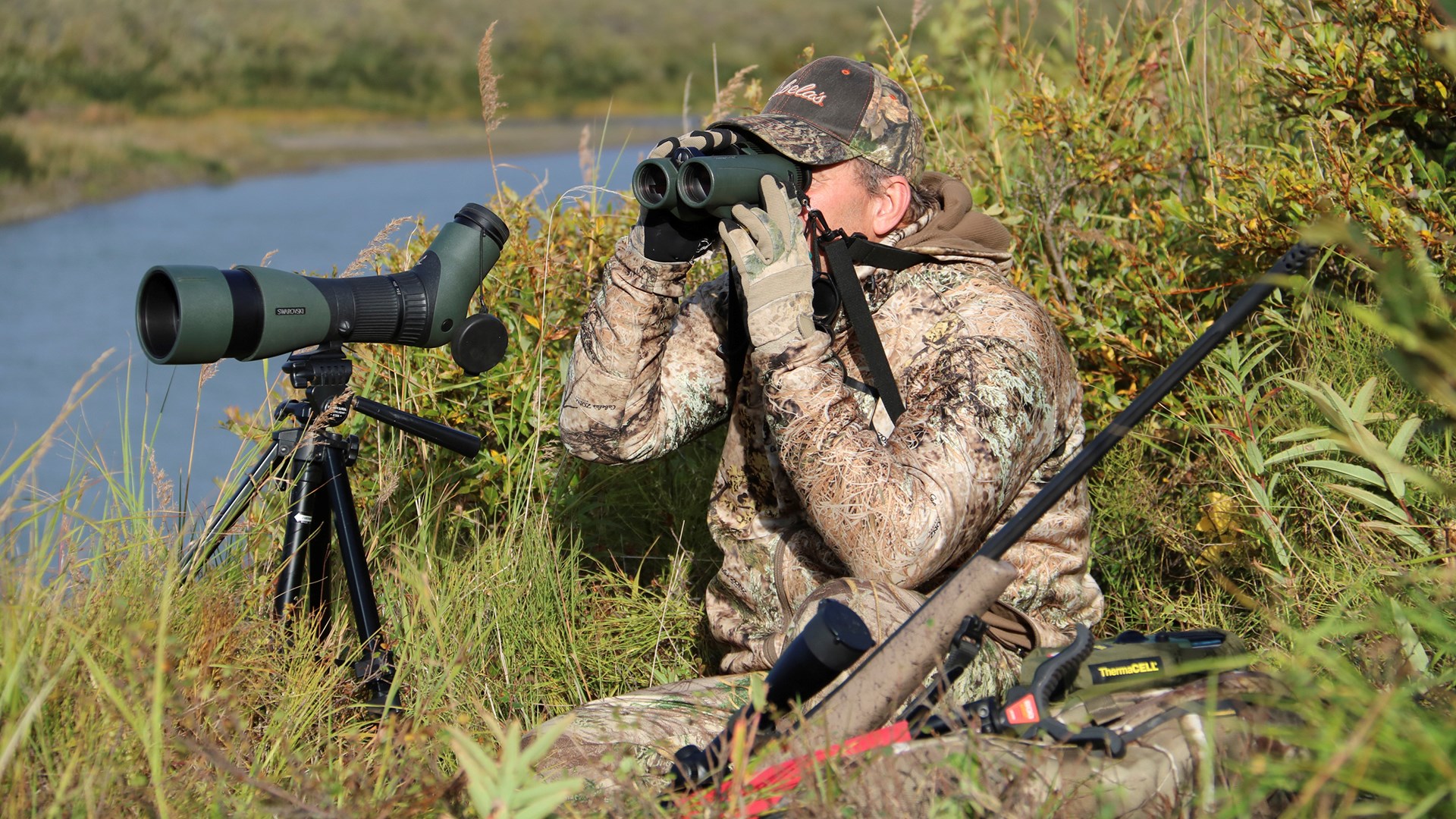
When hunting moose, gain elevation and glass. Cover ground with your eyes, not your feet. Glassing 10 hours a day is normal. I’ve hunted all over the world and rank Alaska’s wet tundra as the hardest, most taxing terrain to negotiate. It can wear you out and cost valuable time.
If floating a river, don’t expect moose to be standing on every gravel bar. Get ashore and glass from high points. A river corridor is a very narrow window into the big picture.
A quality spotting scope and sturdy tripod are key. Get a stout, lightweight tripod that will hold steady on the tundra in high winds. A quality spotter is necessary to size-up bulls and make sure they’re legal by meeting point or spread minimums.
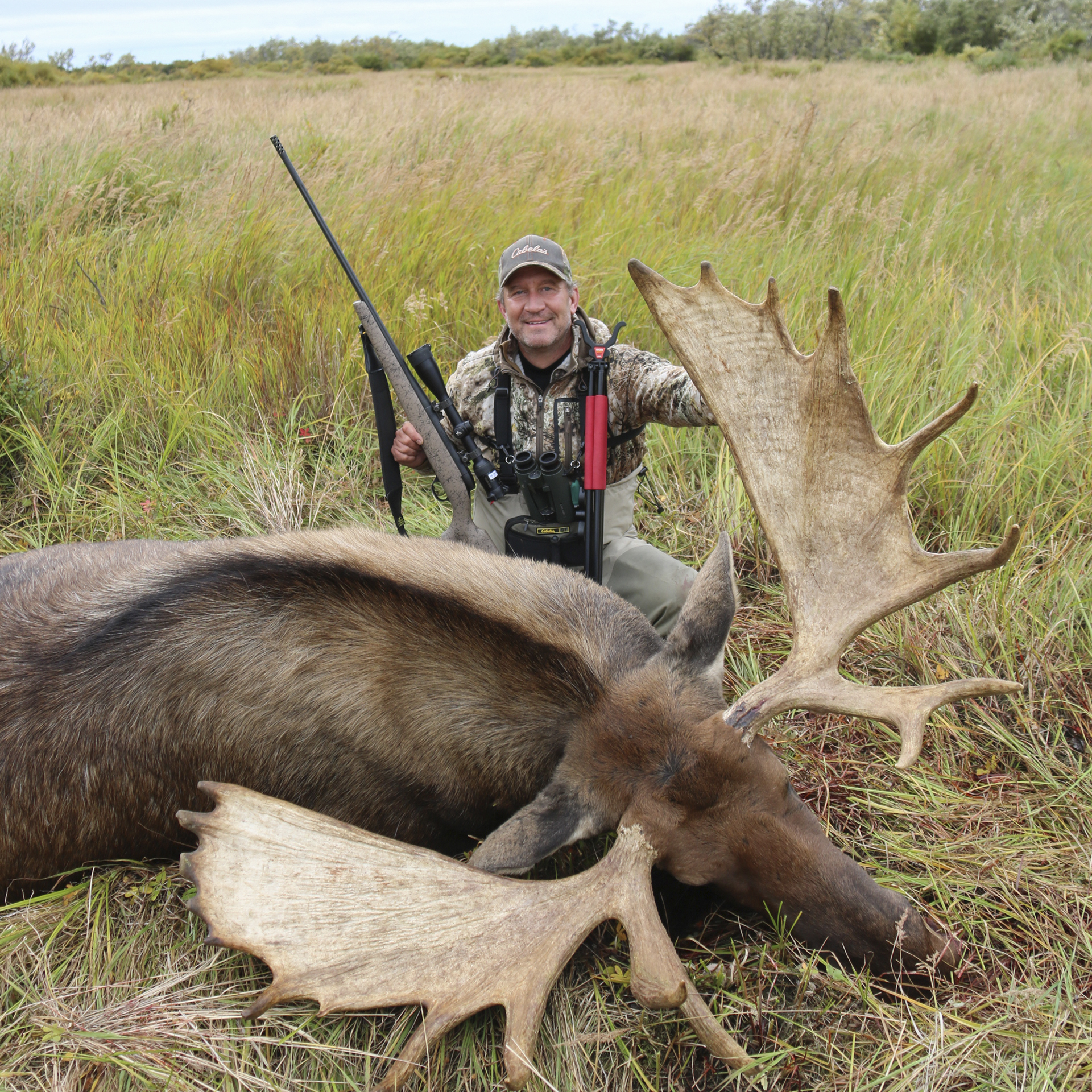
Locate a big bull then figure out how to kill it. On my last hunt we spotted a 70-inch brute. It was in a swamp surrounded by deep water and tall alders. There was no way to reach the bull and it wasn’t responding to calls or decoys. I saw 11 shooter bulls that trip that were impossible to reach.
Before finalizing a DIY moose hunt, plan how you’ll get the meat from the field, all the way home. A couple seasons ago three buddies filled their tags. Several bush plane loads later their meat was out of the field. It took two more loads to get them and their gear. They spent $6,000 they’d not planned on and still had to get the meat and antlers to Anchorage, then all the way home.
Guided hunts for trophy moose start at $20,000. DIY hunts are cheaper. For an air transport service to supply tents, cooking gear and a raft, then get you in and out of the field, along with your moose, the starting cost is about $4,500 per person. Don’t overlook tags, licenses, food, commercial airlines and getting the meat, cape and antlers home. Spending $8,000-$10,ooo on a DIY moose hunt is common. There are multiple transporters in Alaska’s hub villages who can be contacted for options and price quotes.
Moose hunting is about the journey. As I age, every moose hunt I embark upon gets harder and more expensive. But this fall I’ll be back, excited to see what Alaska and these magnificent creatures have in store.
Note: Want to learn how to skin and break down a moose or other big game? Order Scott Haugen’s comprehensive DVD, “Field Dressing, Skinning & Caping Big Game,” at scotthaugen.com.