For hundreds of thousands of hunters in the Midwest, deer season is as much a part of their lives as eating or sleeping. Since about 1967, an autumn has not passed that did not find me hanging from the side of a tree in Illinois and Missouri forests, waiting for a glimpse of antler. For me, the deer hunting opportunities this year began on September 15 and continue until Jan. 15, 2027, though that varies nationwide. Let's take a look at these opportunities as they begin.
The deer season this year, like so many in the past, will begin and end with bow hunting. In reality, archery season begins for most of us well before September 15th. Target practice begins in mid-summer, and by the first of September, locations for opening day have been chosen and stands have been placed. As we go through pre-season scouting and early-season hunting you will see why you should select multiple stand sites and prepare them all very early.
Pre-season scouting is essential for all deer hunters but is crucial for the opening day bow hunter. Gun hunters should also pay close attention to the early season scouting tips. You should place your November rifle or shotgun stands in early September as well as your archery stands. The scouting you do early is the foundation for every deer hunt you make for the next 4 months. There may be some variables, but deer are creatures of habit. Use that to your advantage.
Our overwhelming desire to get that first shot off tells us to place our opening day stands on well used, heavily beaten-down trials or crossings. Most likely, does and young deer are making this sign.
Bucks are still traveling in small bachelor groups when archery season opens. They are bedding very close to a high mineral-content food source. This is because their antler growth over the summer demands that they eat hundreds of pounds of forage a week to grow them. If the summer has been unusually hot or dry, a water source is also vital. These deer are not making much sign because they are not moving much at all.
Instead of the easy-to-find sign made by a number of young deer, buck hunters should seek-out areas that show specific signs of buck activity. There may well be tracks, but they will be bigger and deeper and fewer of them. Look for buck-sized droppings and remember that velvet rubbing began around the first of August. Look for trees bearing these marks.
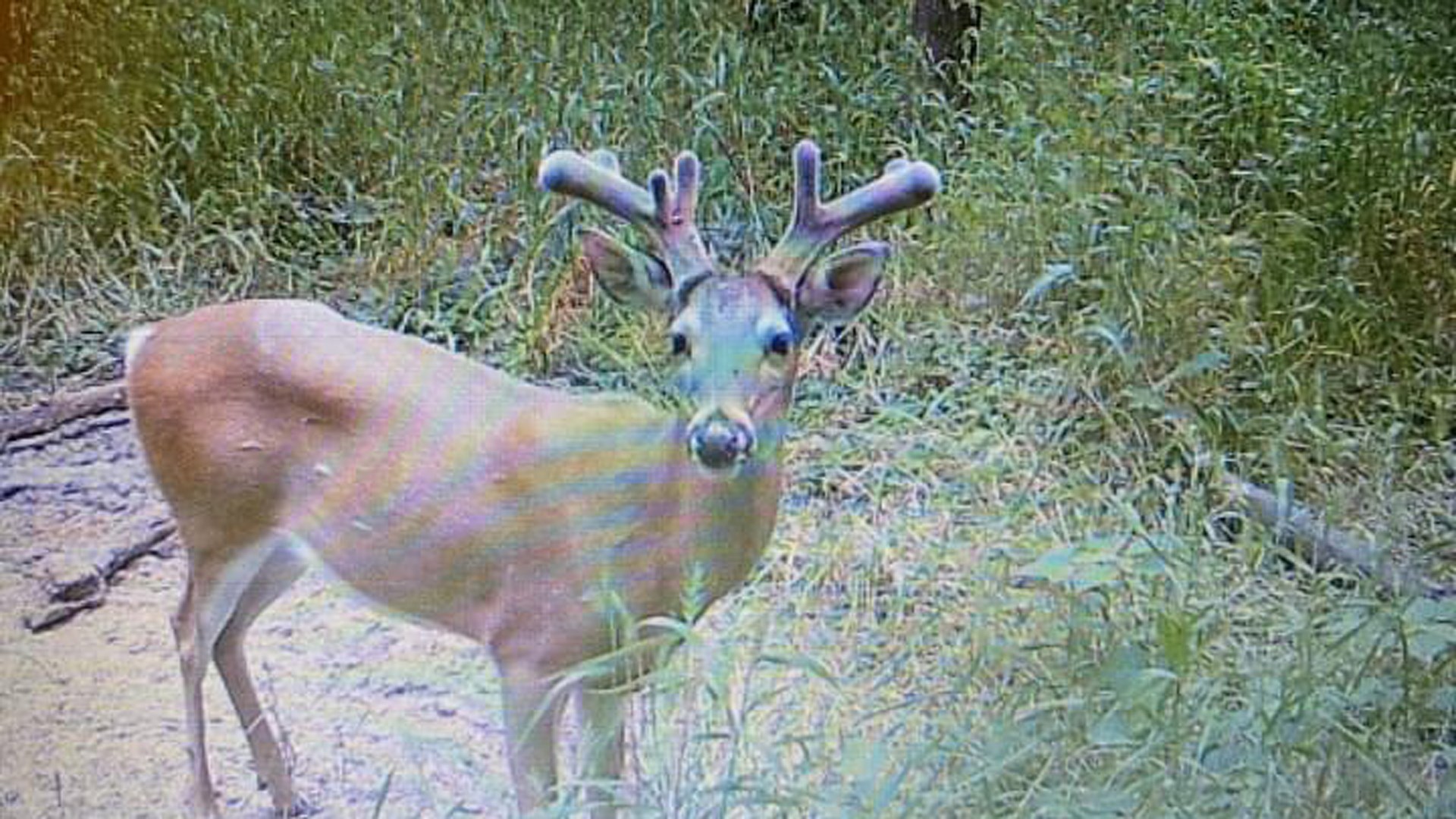
Do not confuse the velvet-rubbing marks on trees for the rut rubs that will begin to appear in mid-October. In September, these rubs will be more subtle, and the buck will usually not return to them. These trees are merely proof-positive that a buck is using the area. And if you are really lucky, you may actually get a shot at a buck still in velvet.
When you find a location like we just discussed, search for a likely trial between the area of activity and the primary source of food. Chances are good that this will be a short trail. Generally speaking, bucks are fairly easy to pattern early in the season. The hard part is finding the buck you wish to pattern.
I must preface this next tip very definitively; USE ONLY WHERE LEGAL. This is the lead-in every time I recommend using nutritional supplements in the field. Dietary supplements are an extremely efficient way to maintain herd health and antler growth. Birth weight of a newborn buck will determine adult weight. That’s why additives for gestating does is just as important as summer minerals for antler growth.
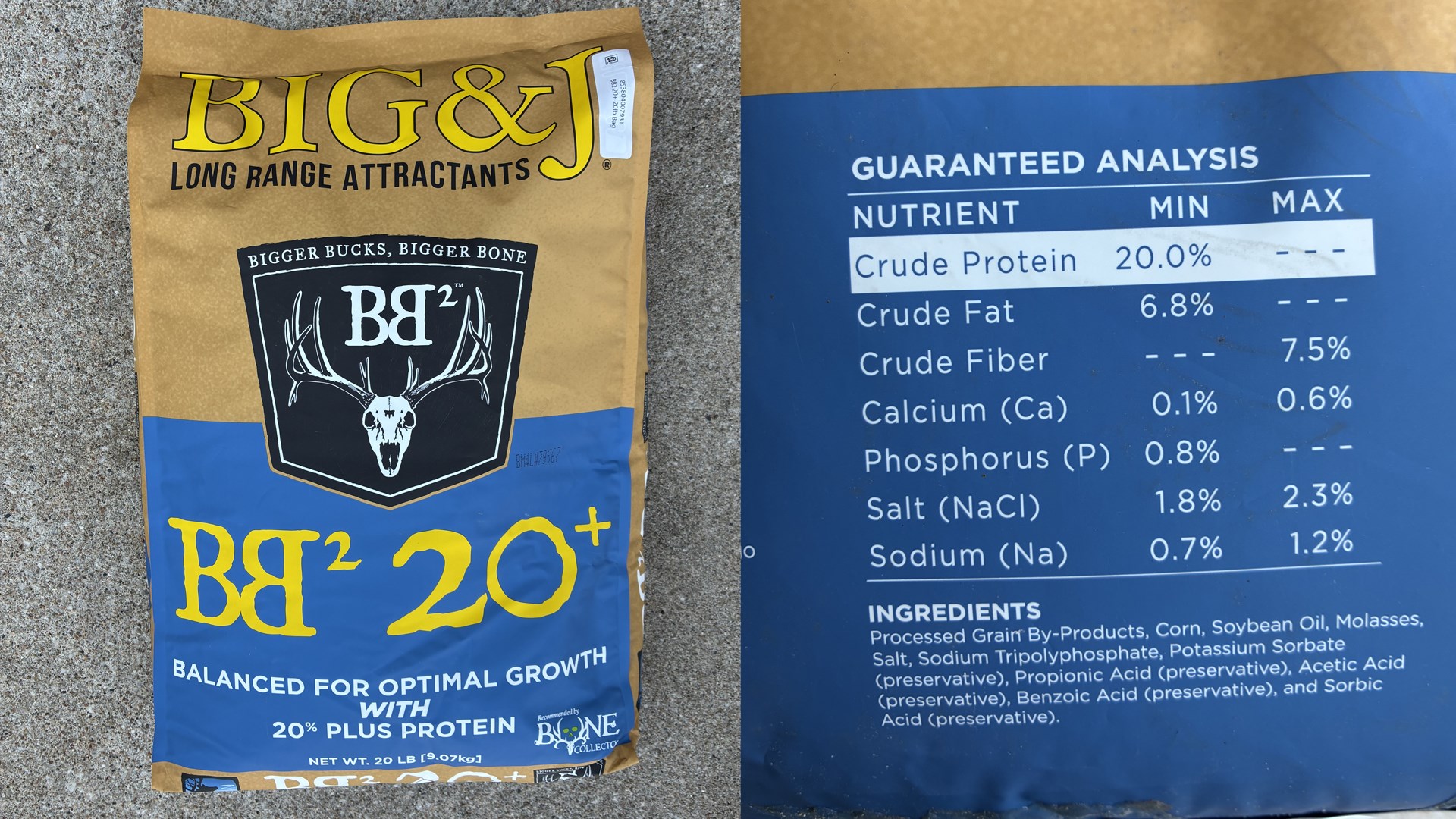
I have found the Big & J mineral provide exactly what your deer need, year-round. There is nothing wrong with supplementing your herds protein requirements, especially in big timber locations. Find dealer locations at bigandj.com.
Be ever mindful as you scout during the pre-season to also choose your stand-site for the rutting period. Remember the areas with a high concentration of tracks that we determined were being made by does and yearlings. It is spots like this that deserve your attention for rut-time stands. The bucks will come to the does during the rut, and a hunter must be prepared to make this transition just ahead of the buck.
Rattling antlers is as old a deer hunting technique as there is. Native Americans were rattling in whitetail bucks hundreds of years before Europeans even knew such deer existed. But there is more to this calling method than just banging antlers together. Timing is the key. Bowhunters should understand that opening day is a prime time to rattle in a trophy buck.
Logic tells us that we should rattle in the middle of the peak of the rut. After all, that is when we most often see the really violent buck fights. Experience has taught me a different lesson. The way I have seen this play out over three decades of Midwest deer hunting is that September and October puts the bucks in a "pecking order" type of competition to establish dominance.
During this period, all bucks in a given region seek each other out to spar and push around in short tests of strength. These shoving matches are seldom brutal and neither buck is particularly mad at the other, it is just a necessary step in the deer's breeding cycle. Rattling antlers early in the season can be extremely productive and very exciting, since all bucks that hear a fight during this period instinctively come to see what's up.
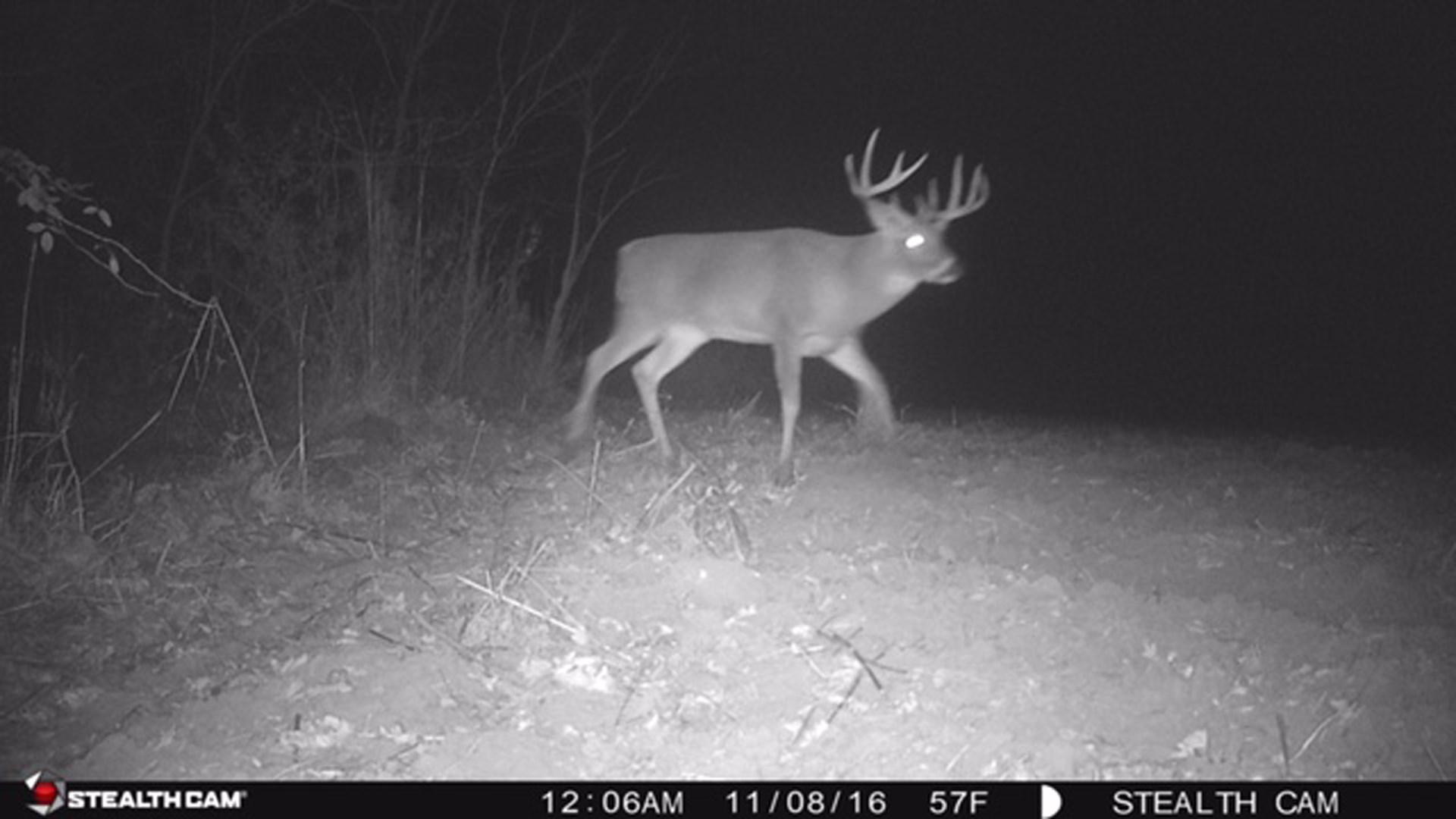
On the other hand, rattling during the peak of the rut can have the opposite effect. Mature bucks are traveling with breeding does now. They are waiting for that magic time when one of the does in the group will stand for them for copulation. If this buck hears two more bucks fighting, his instinct is not to lead his females to the fight. Rather, it is to herd them away from the other males. However, when one big buck intrudes on another big buck's territory during this time, a dramatic fight ensues. That is why we see intense fighting during the actual breeding season.
I would now like to dive a bit deeper into opening day stand site selection. I will start off by saying that I know several very successful deer hunters who hunt the same stand for the entire season, archery and firearms. And that is fine. But I like to be a bit more diverse. And let’s face it, the number of stands is directly proportional to the size of the property you hunt.
When possible, deer hunters like to place stands on or near food plots. That makes sense, but not when archery season opens. Most food plots are still immature, and many were just planted in August. The greenery in the forest and field edges is still lush, and some young acorns may be falling. Therefore, I leave my food plot stands for later in the season.
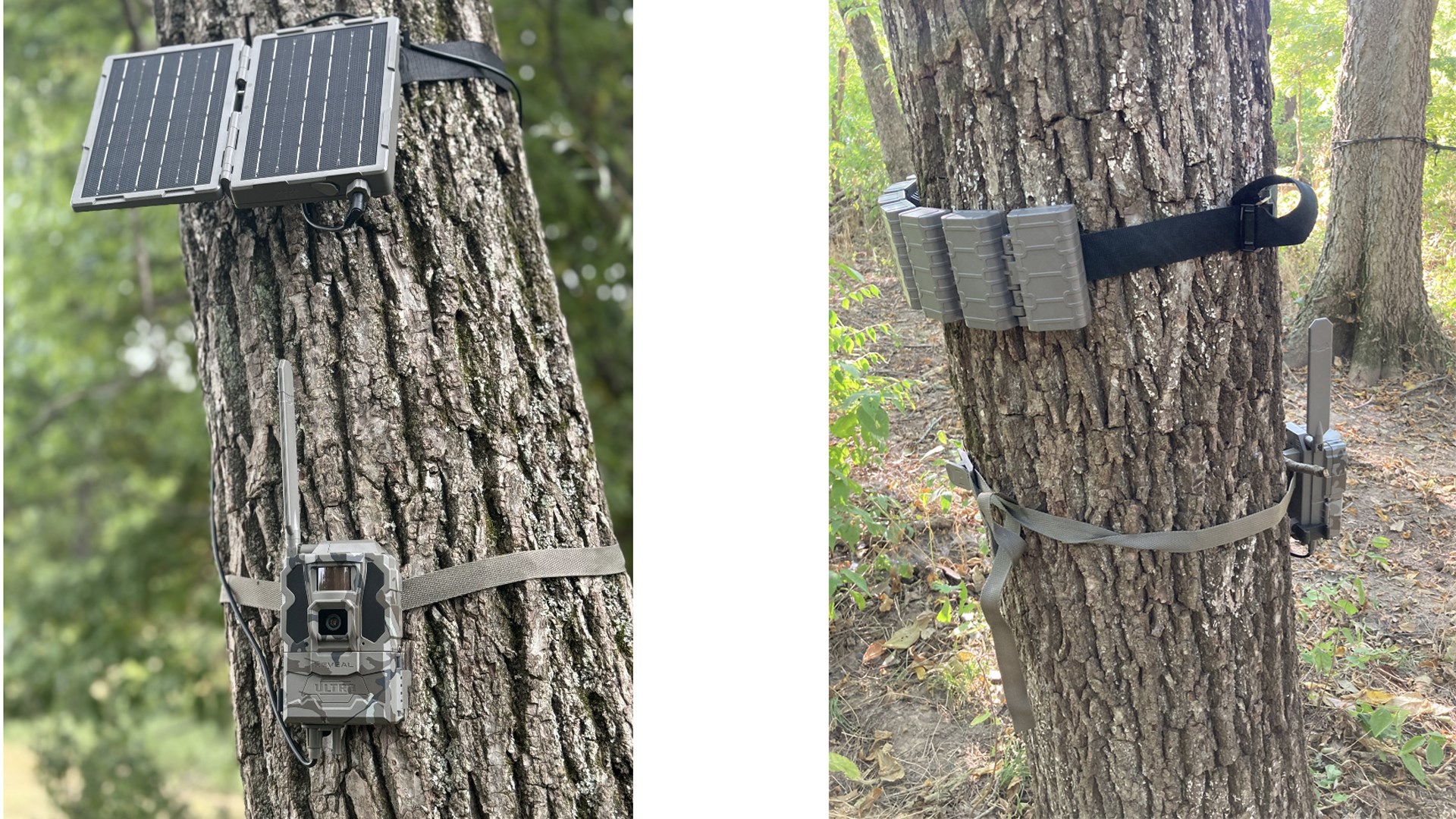
Tactacam trail cameras, when used properly, can be a great scouting tool both before and during the season. (Photo courtesy of Luke Terstriep, Jr.)
I rely highly on the information I get from my Tactacam trail cameras to locate not only good opening day bucks, but also the travel corridors they are using. In the late summer bucks are still in bachelor groups, and groups are easier to find that individual deer. Locate their travel path, pick the right spot and do not worry about the wind.
What?!?! Don’t worry about the wind! Am I crazy? No, I am prepared. You will never give off more human scent than on an 85-degree opening day. The only way to beat a deer’s nose when you are perspiring is by using Scent Thief. This product eliminates a mammal’s ability to smell while in its presence. This product totally changed the way I approach a deer hunt and I cannot recommend Scent Thief enough.
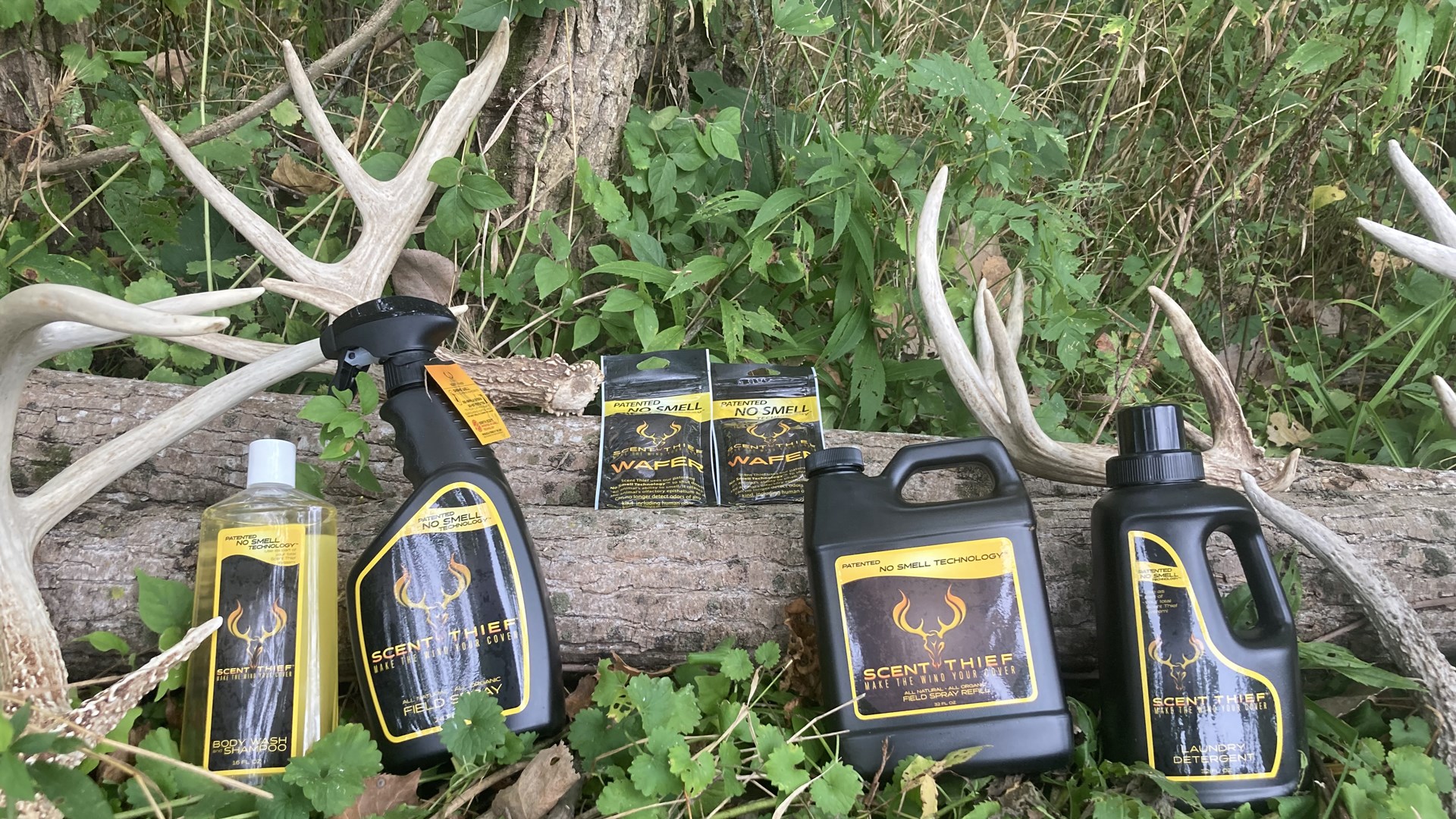
Change the way you deer hunt. Do some research on Scent Thief.
The bottom line is to practice all summer, scout in August and get your stands up a few weeks before opening day. The level of preparation you put into opening day and the first couple of weeks of the season may well be the difference in your success. To watch all my tips play out in real life, subscribe to Mid-Mo Reapers on YouTube and watch our deer episodes.