There’s no question many days in October deliver searing temperatures. You can hunt in the buff to deal with them physically, but you’ll need to tailor your tactics to hunt whitetails in the heatwaves that predominate often during this month.
Whitetail bucks embrace a yo-yo weight cycle that would drive Nutrisystem’s Marie Osmond bonkers. They gain 20 percent or more in body weight each fall to burn off in the rut, plus survive winter. Transitioning into October, they also grow their winter coat sparked by the decreasing hours of daylight. Imagine yourself 40 pounds heavier and sporting a parka on a 70-degree day in October. These circumstances motivate bucks to feed more at night or in cooler environments.
You still can’t legally hunt deer at night, but you can focus your attention to canopy situations where temperatures may be up to 20 degrees cooler. In the fall, acorns, chestnuts, apples, plums and other soft and hard mast hit the ground in these shady locations. Not only can whitetails feed in cool, fat-friendly conditions, the shadows boost their confidence for daylight appearances as opposed to waiting until after dark to appear on a field.
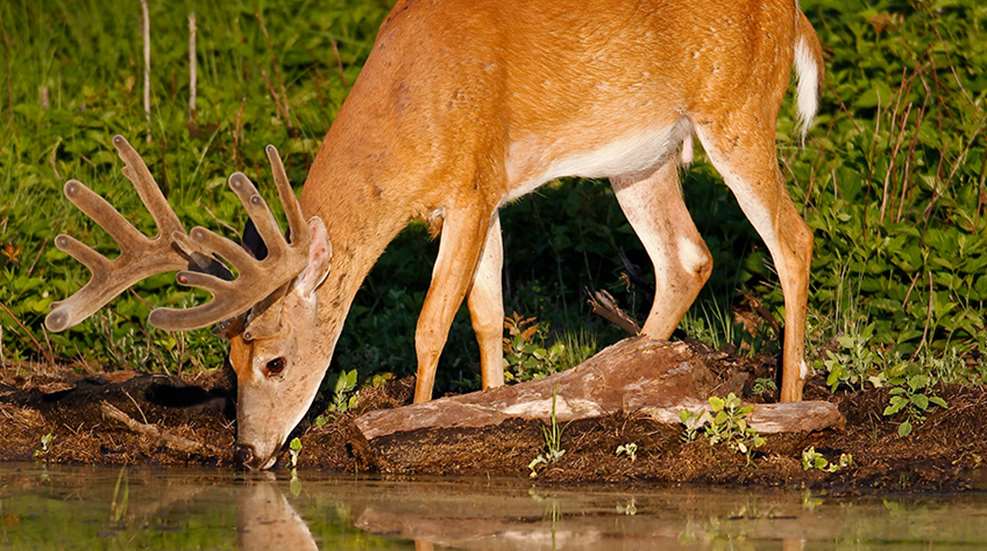
Depending on body weight, whitetails require 2 to 4 quarts of water daily. In spring and early summer, they can acquire much of that through juicy vegetation, but summer heat zaps the moisture content, forcing them to water sources on your hunting property come fall.
Habitually, whitetails visit water soon after a long day of bedding and again after an evening of feeding. In extreme heat they may even get up midday to quench their thirst. Scout all water sources on your hunting property—especially those veiled inside cover—for secret visits during shooting hours. Trail cameras are invaluable in deciphering whitetail water patterns.
Although you’d think the purest source of flowing water would have the most appeal, don’t overlook stagnant, interior ponds or puddles. Wellbeing is a higher priority than clear, free-flowing well water. Adding small reservoirs and tanks to a property should be considered if water is at a premium. Place them between food and water in refuge settings for more activity. It opens up ambush opportunities now and again during the rut when athletic bucks need a Gatorade recharge.
Mast and water provide GPS-waypoint precision for targeting a heat-wave buck. If you falter on those targets, don’t overlook clues arriving daily in October: rubs and scrapes. A whitetail buck peaks in testosterone the last half of October in most locales. This flood of chemical passion stimulates bucks to increase rubbing and scrape-making. These visual clues enlighten you on major buck byways. To take advantage of the new sign, position your ambush inside cover but not too close to suspected bedding cover. Each passing day in October means bucks will be adding travel minutes during shooting light. They may not reach a field edge, but you stand a good chance of a sighting by setting up along timbered routes.
Get the App
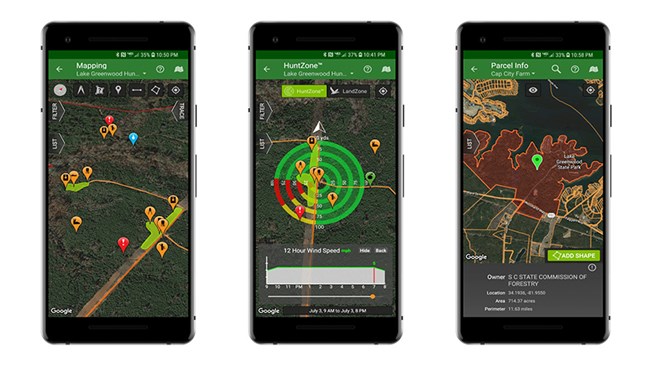
Hunters who use the HuntStand app in the field may use its website companion to enhance their maps, collaborate, share successes and gain powerful insights into their land and hunts. Get the app and enrich your experience at huntstand.com.