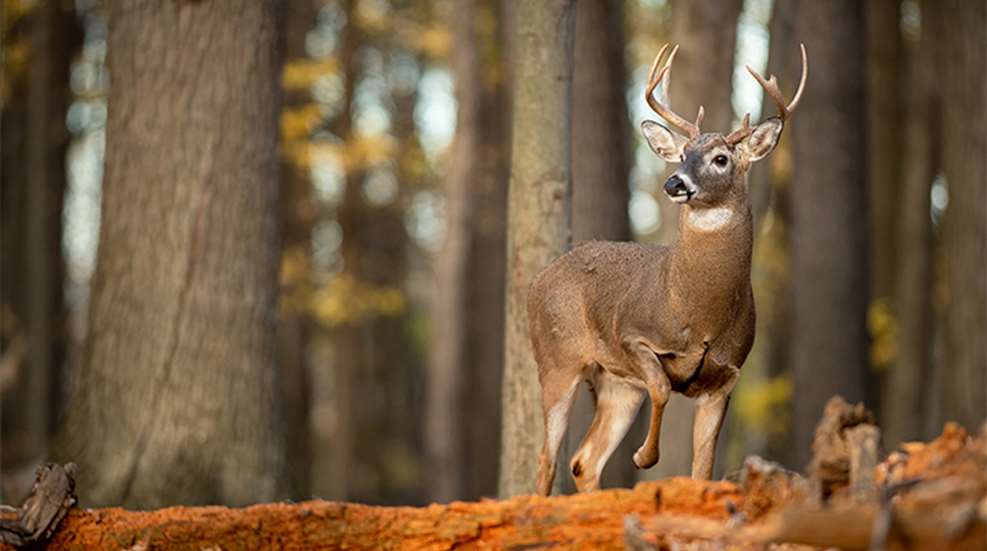
In the whitetail game edges are everything, so it just makes sense to place your stands on edges throughout the property you are hunting, right? That strategy works well on properties with hunting restrictions and those that are managed to the max for Garden of Eden appearance. Nevertheless, the edge strategy may not work for you if the following factors arise in your hunting future.
Hunting Pressure
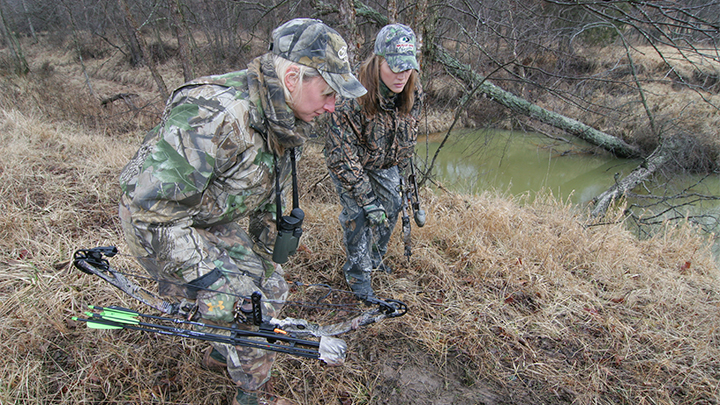
The No. 1 reason you will want to consider a woodland set is hunting pressure. Whether you hunt public lands or a farm where others have been granted access alongside you, hunting pressure prods whitetails toward nocturnal visits to edges. Despite what your summer trail cameras reveal, whitetails will reset to movement inside cover the minute they sense extra bustle on the property. Place stands on shrouded routes to field edges between bedding cover as a backup to your field sets that may go idle after the opener.
Heat
In addition to more boots on the ground, heat can cause deer to abandon edges until darkness cools the air. This equals bucks sticking to canopy cover for a shady haven. Their gluttonous lifestyle has padded them with a layer of life-giving fat for later, plus the diminishing hours of daylight spur growth of a winter coat. A surprise heat wave equals discomfort.
One of the first locations a buck will visit after daytime bedding is water. Finding a source between bedding and fields prior to the season gives you an ambush option when the mercury rises. Seeps and springs that may not hold water can be dug out to hold more water. Line any improvements with bentonite or set a plastic tub in the depression to ensure a constant source of fresh water.
Mast
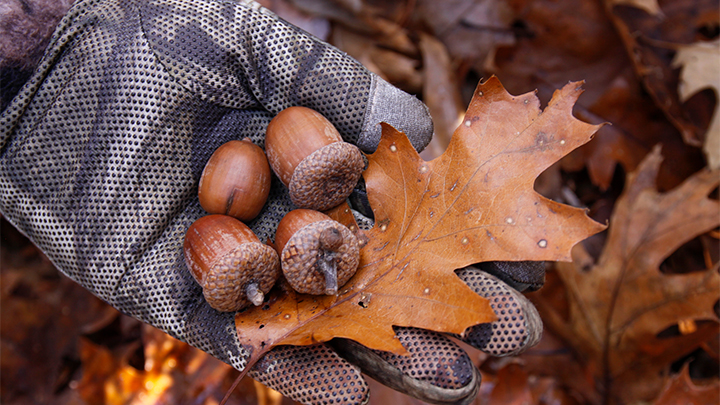
Even if your property has controlled access, another detour could stall deer from reaching an edge before shooting light. Mast, including acorns and fruit, like apples, becomes a super attractant at varying times in the fall. The exit from traditional agricultural crops to mast may be brief or extend for weeks, depending on annual mast success and abundance.
Setting up for this woodland magnet can prove to be difficult, as oak varieties typically are inconsistent on an annual crop. A tree may be dripping with acorns one year and not the next. The best gamble is to utilize trail ambushes leading to clusters of oaks for a chance at a munching whitetail.
Less Exposure
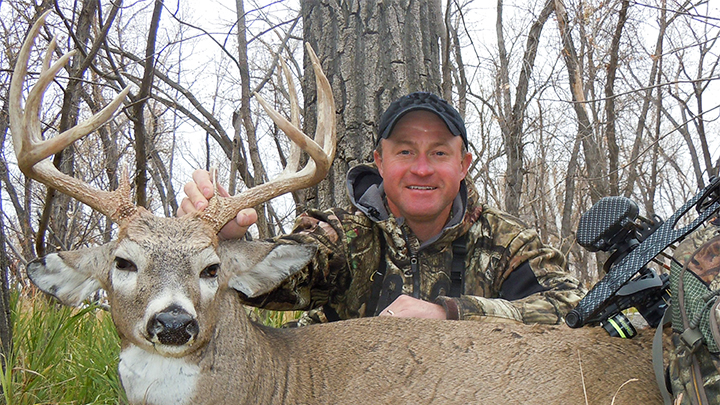
Bucks, particularly those with more than four years of survival wit behind them, live by the rule of “out-of-sight, out-of-mind.” They may avoid an edge until after dark, but that does not mean they are not traveling around the area. They simply travel in a veiled fashion, hidden by dense habitat. A proven hunting app with topography features can help you unravel canopy hideouts.
By moving trail cameras from edges to interior trails, especially cellular transmitting models, you can begin zeroing in on trails with the most traffic. A climbing treestand can be a godsend when a trail lights up and you need to mobilize to the location quickly before the pattern disappears.
Woodland Distractions
Even though the end game for most bucks is an edge opening to a field, the deer easily get distracted along the way, further delaying edge arrival. Water and mast stopovers, outlined earlier, have stopping potential. Other major holdups begin snowballing as fall advances.
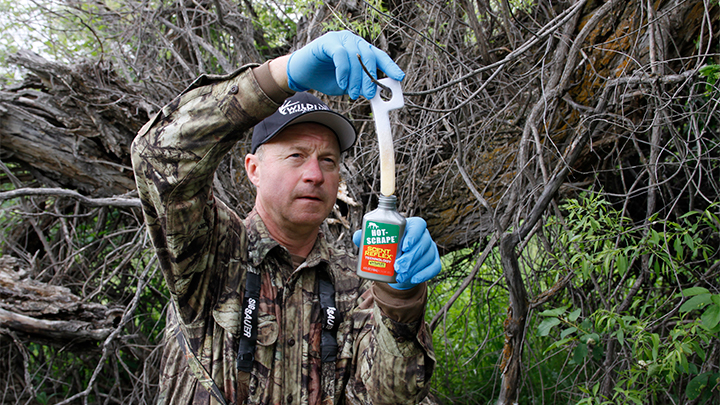
The two major activities that can slow an already apprehensive buck is scraping and rubbing. Once a buck begins establishing a scrape and rub line, these small stops from bedding cover to field edges can keep him under cover longer until estrus erupts. A strategically placed scent dripper can also set you up for a slam-dunk shot in the timber. Luckily, these two activities give you ample evidence for the precise location of your stand or blind.
There is an advantage to hunting the edges, but sometimes bucks keep to the woods, forcing you to take the hunt to them and hunt the timber.