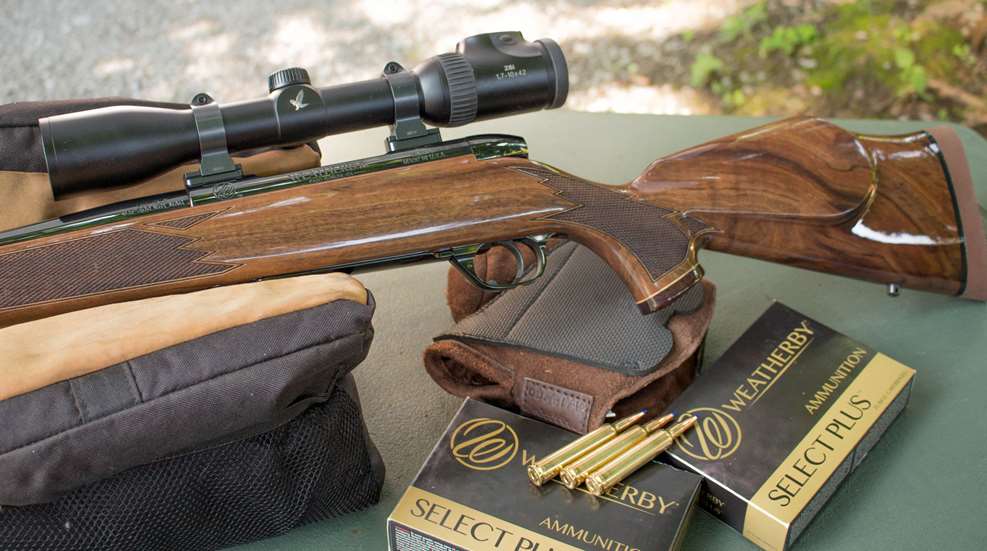
Mention the name “Weatherby” among rifle aficionados and the topic of velocity immediately surfaces. Roy Weatherby built his company from the ground up in California, during the tumultuous years following the end of World War II, and his proprietary cartridges boasted unprecedented velocity levels. Based on the belted Holland & Holland case—sometimes shortened from 2.850 inches down to 2.500 inches, depending on the caliber—Weatherby removed most of the body taper in order to increase case volume, and replaced the traditional angled shoulder with a double radius design. That latter feature would be used on all Weatherby cartridges, until the advent of the RPM (Rebated Precision Magnum) line of cartridges recently released.
Among the most popular of Roy’s designs were his .257 Weatherby Magnum—with which he is purported to have cleanly killed a Cape buffalo—and his .300 Weatherby Magnum, a case equal in length to the then-popular .300 Holland & Holland Magnum, but with much more horsepower. It was the fastest of the commercial .30-caliber magnums until the .300 Remington Ultra Magnum came along in 1999. The .300 Weatherby Magnum remains a popular seller—some say the most popular of all of the Weatherby cartridges—and it was this case that Weatherby used to enter the 6.5mm market in 2016, with the release of their 6.5-300 Weatherby Magnum.
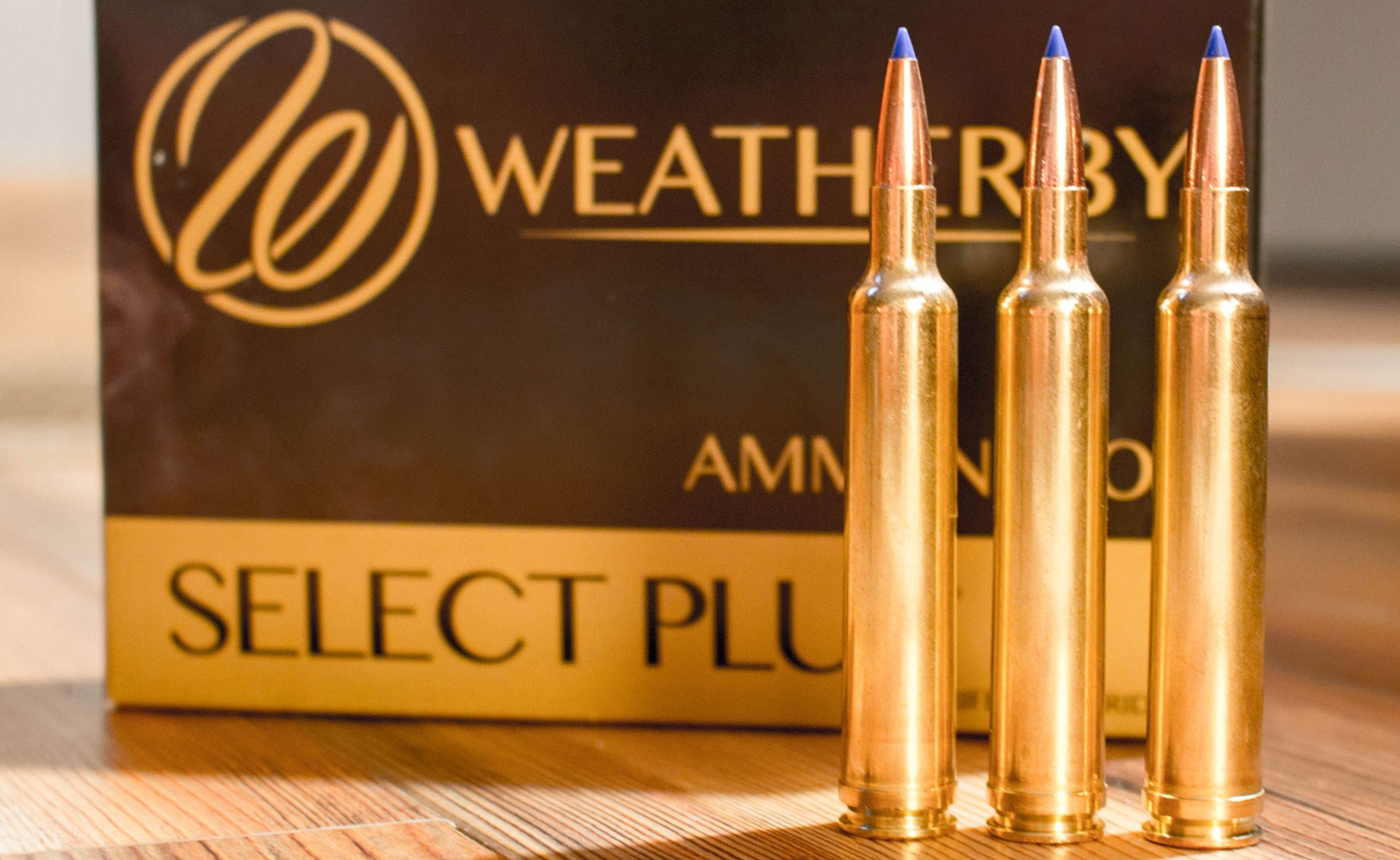
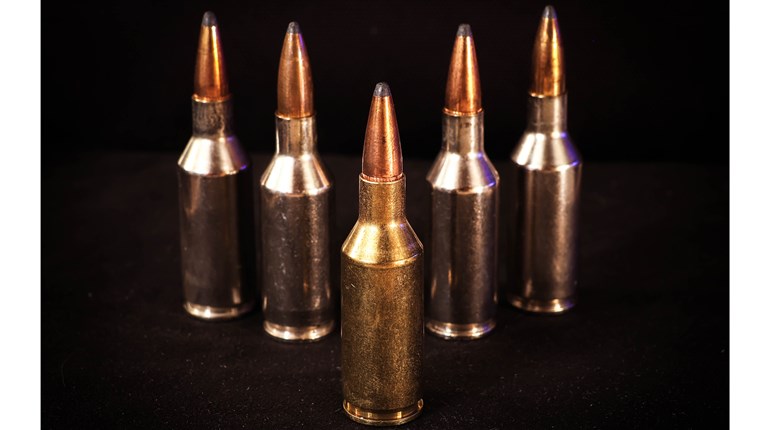
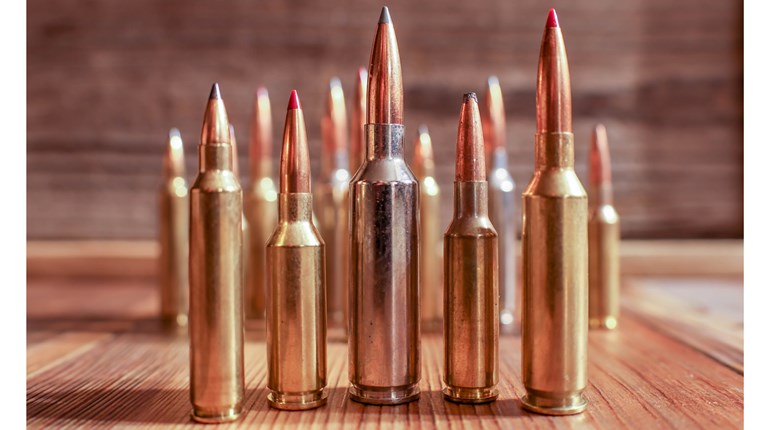
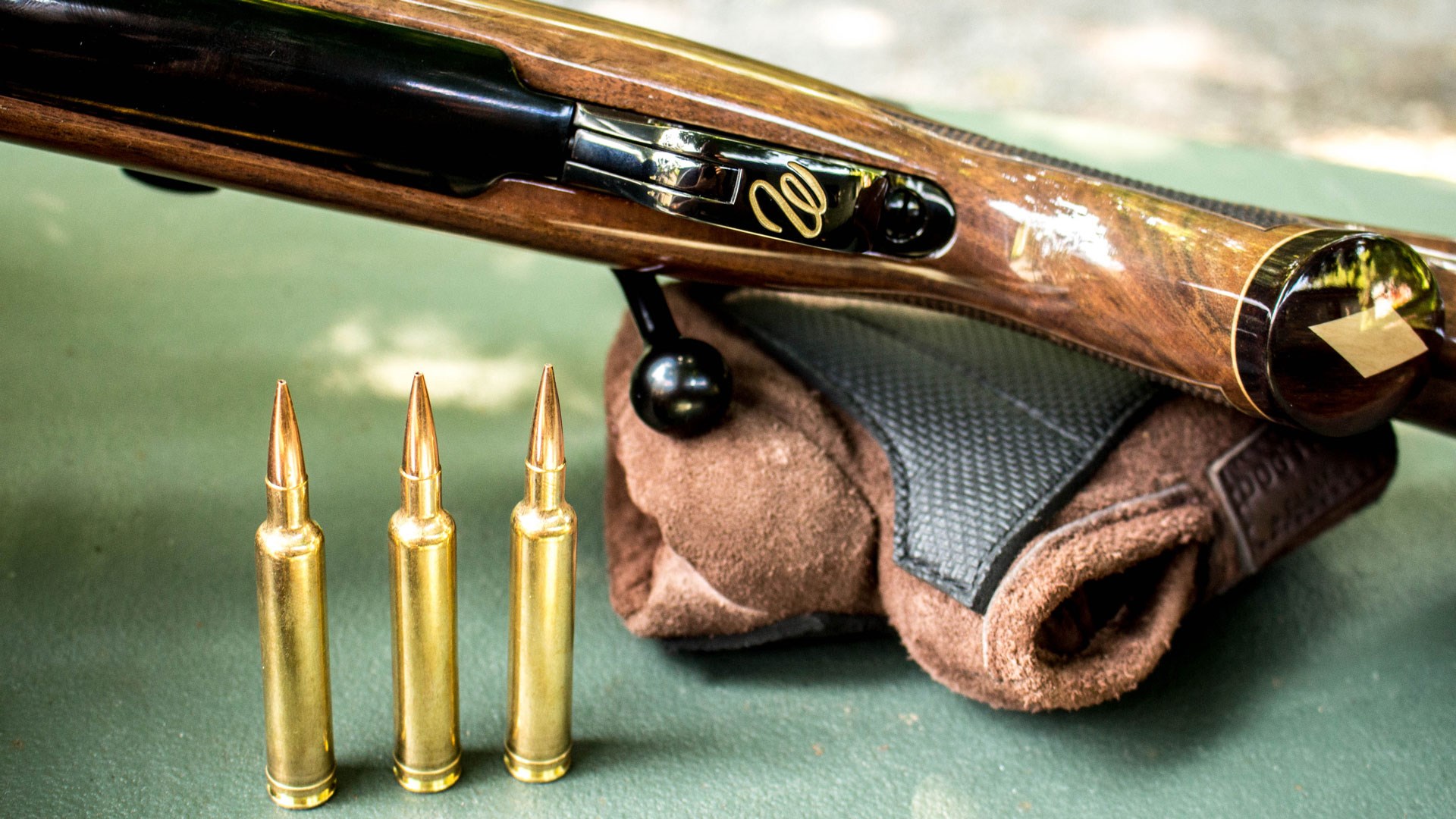
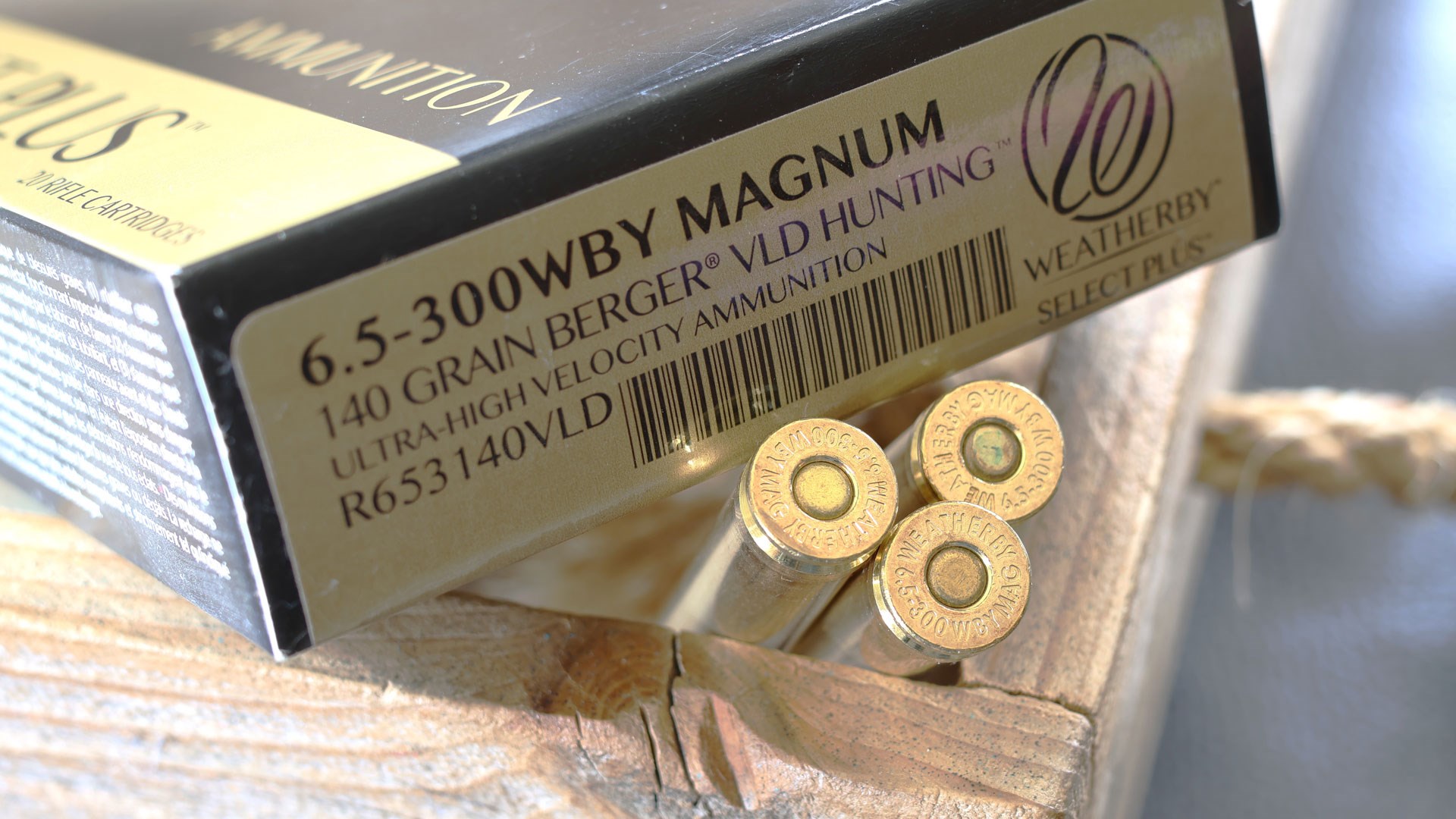
It is the fastest 6.5mm cartridge commercially produced today, driving a 140-grain bullet to an advertised muzzle velocity of 3,275 fps in Weatherby’s own proprietary ammunition. The case is nothing more and nothing less than the .300 Weatherby Magnum necked down to hold 6.5mm (.264 inch) diameter projectiles. The 0.532-inch diameter rim is still present—a carryover from the Holland & Holland design—and the famous belt of brass is still used for headspacing the cartridge. With a case length of 2.825 inches, and a cartridge overall length of 3.600 inches – again in common with the .300 and .375 H&H Magnums—the 6.5-300 Weatherby Magnum requires a magnum-length receiver. The case features a neck measuring 0.300 inches, so there is plenty of neck tension for even the longest bullets. The reverse-curve double radius shoulder immediately screams “Weatherby” and for the handloaders, the location of that shoulder can be moved forward to give better case concentricity than simply using the belt for all the headspacing duties, but the case design has no drawbacks when in its factory form.
The 6.5-300 Weatherby is, undeniably, an overbore cartridge. If the 264 Winchester Magnum was criticized for being overbore and treating rifle throats harshly, the 6.5-300 takes the torture up a notch. Based on the velocities alone, the 6.5-300 Weatherby Magnum is not the kind of rifle where you want to fire high volumes of ammunition at a sitting; in fact I recommend doing your best to keep the rifle cool. At the time of this writing, Weatherby is the only commercial producer of 6.5-300 Magnum ammunition, but they do offer a rather wide selection of projectiles. The 127-grain Barnes LRX bullet might be my favorite of the factory loads for this cartridge, as it not only gave the best accuracy of any of the factory loads I’ve used, but the structural integrity of the bullet will handle the speed of the cartridge. Leaving the muzzle at 3,475 fps, this bullet can be zeroed at 300 yards, with a mid-trajectory rise of just 3.1 inches at 200 yards, dropping only 7.5 inches at 400 yards, and 20 inches at 500 yards. The 130-grain Swift Scirocco II load will give nearly identical velocity, trajectory and energy values, but with a bonded-core copper/lead design, featuring a very thick jacket, and the highest B.C. value in this weight class. The 129-grain Hammer Custom, launched at 3,425 fps, gives another option in the copper monometal category; I haven’t had the opportunity to hunt with these bullets yet, but a number of trusted colleagues are bringing back positive results from the field. I think this bullet will also mate well with the big Weatherby case. Looking at the 140-grain load—a very common bullet weight for any 6.5mm cartridge—you’ll see the Hornady flat base Interlock, cruising at an impressive 3,275 fps. While I love the Hornady Interlock, and have used it to cleanly take game around the world from deer at home to red stag in Scotland and leopard in Zimbabwe, I don’t really feel that bullet is up to the task in the 6.5-300 Weatherby Magnum, especially if the distances are short. I would personally opt for the lighter and stronger duo I first mentioned.
Weatherby offers the 156-grain Berger Elite Hunter at a muzzle velocity of 3,050 fps, and that long, heavy bullet will give the B.C. values that long-range shooters enjoy so much. Berger’s projectiles rate among the most consistent on the market, as well as possessing a well-earned reputation for fine accuracy. They are, however, known to be on the softer side when it comes to terminal performance. When the Berger bullet is allowed to slow down to moderate impact velocities, it performs just fine, but when driven to magnum-level velocities, well, I've had some guides and professional hunters who were not pleased with the results. The 156-grain Berger has plenty of Sectional Density, but be careful with that bullet for close shots. For longer shots in open terrain you should be just fine.
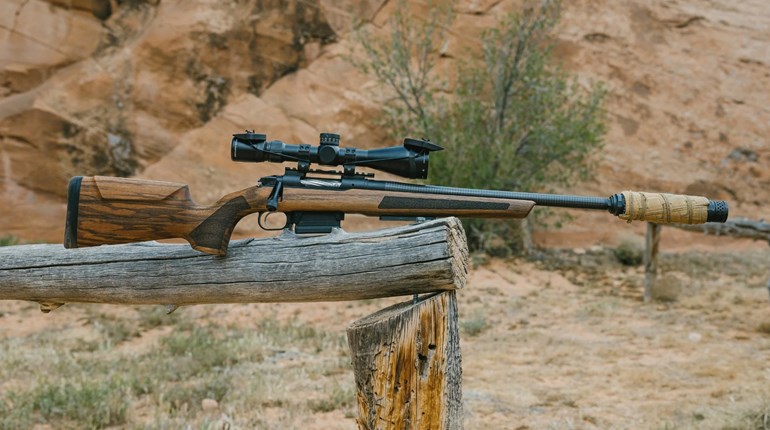
The 6.5-300 Weatherby Magnum was seemingly released to compete with, and better the velocities of, the 26 Nosler, which held the 6.5mm speed title until we met the new Weatherby cartridge. The Weatherby does beat out the Nosler by a small margin, so if you’re after speed, and you are a fan of that big, nine-lug Mark V action, the 6.5-300 Weatherby Magnum is your baby. Just keep that barrel and throat cool to extend barrel life.