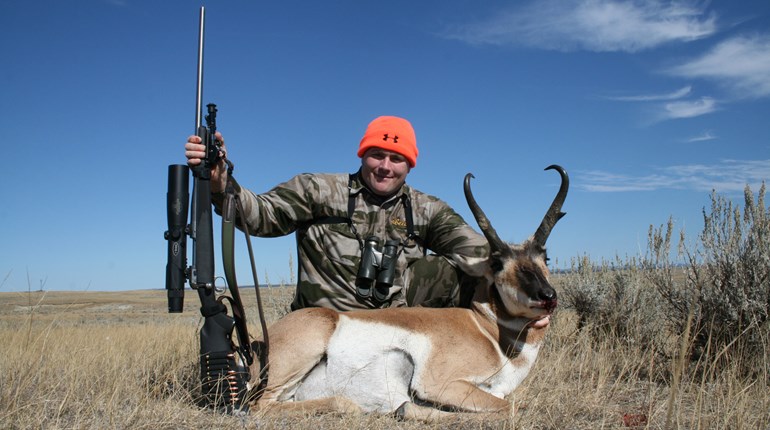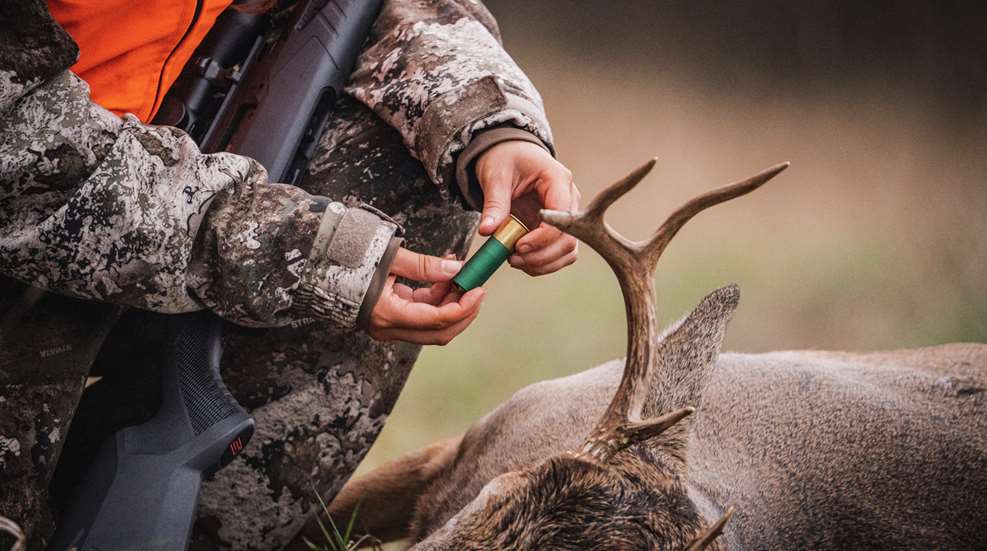
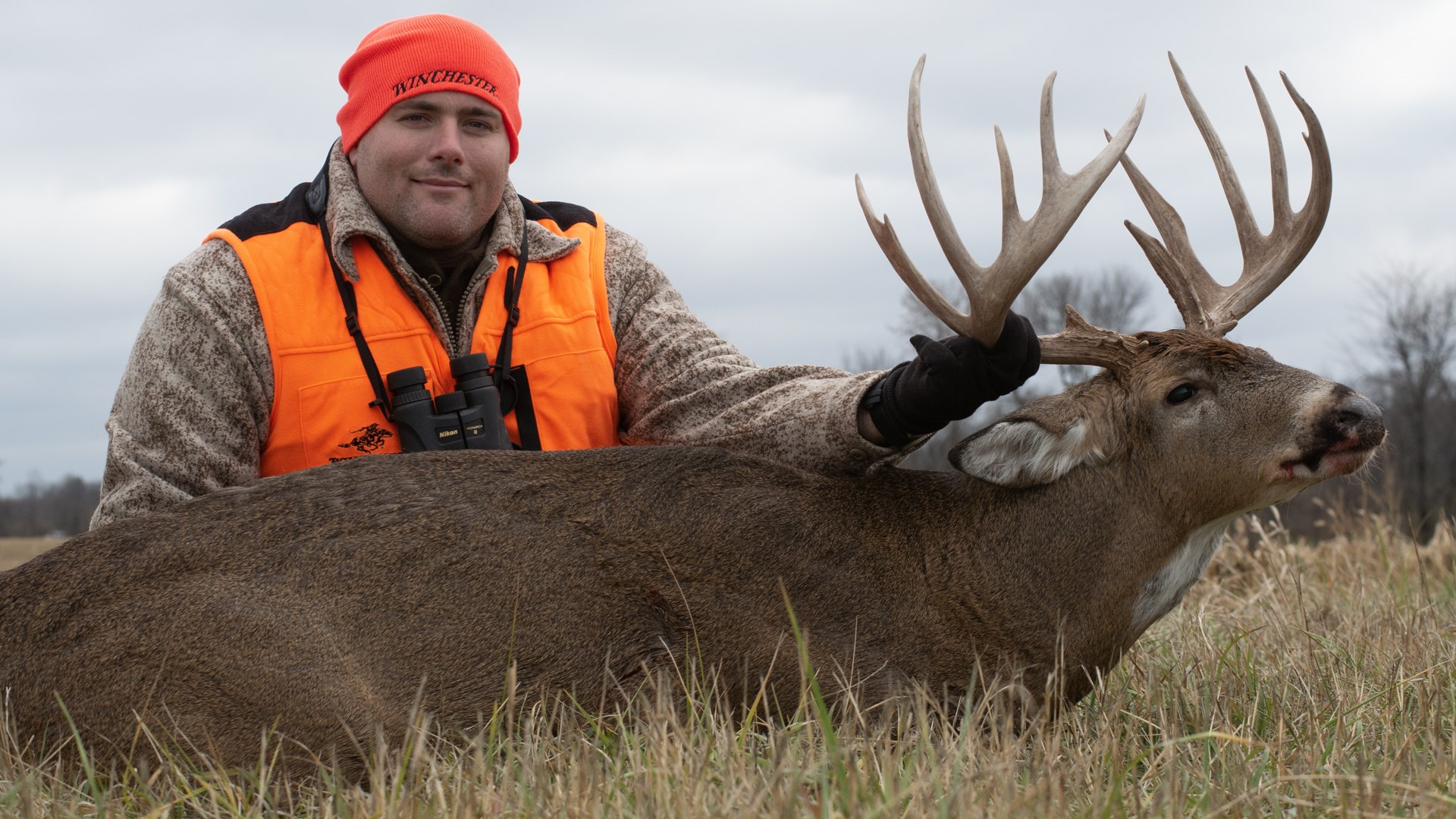
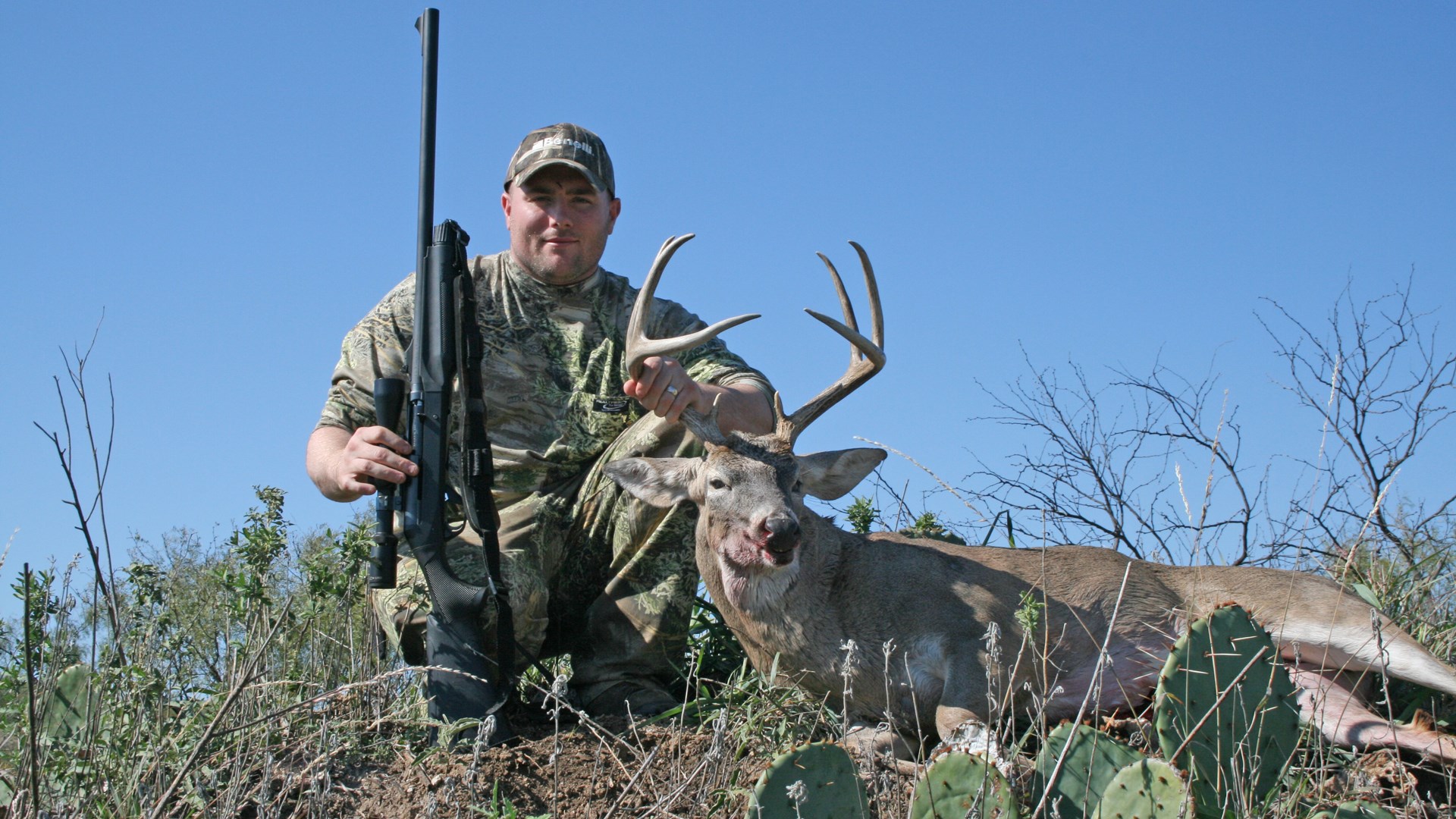
I’d like to begin the tale with, “After a two-mile stalk and a half-mile Army crawl through hellish flora, I slowly raised the Browning A-Bolt Shotgun and delivered a 25-yard shot on the unsuspecting, bedded Illinois buck.” But that’s not how it unfolded. The actual story isn’t as glamorous, but that’s hunting.
In actuality, I had nearly finished my StarKist Lunch-to-Go and an assortment of mid-morning snacks—during which I watched several young, rut-stricken bucks pass close to my treestand—when movement behind me caught my attention. Setting down the fish-topped cracker, I grabbed the Nikon binocular, which revealed a hulking, tall-tined buck parting the brush, walking directly toward me. Replacing the optic with my slug gun, I flicked off the safety and prepared for the first shot opportunity. It didn’t take long. The buck veered to its left, heading for the ridgetop and offering a near broadside shot. Recovering from the recoil, I immediately noted the motionless bruiser.
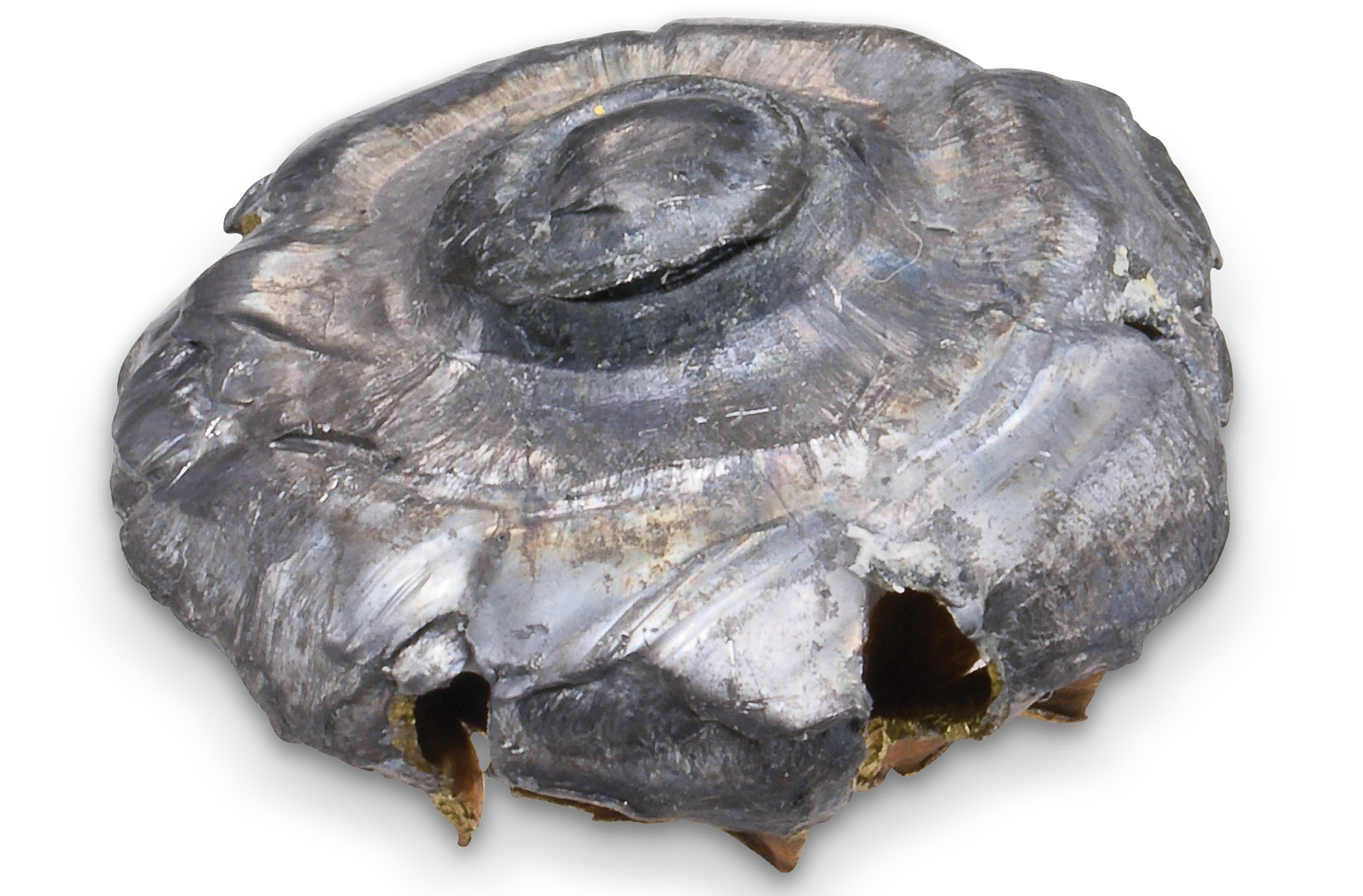
After preparing for a follow-up shot if needed, as well as radioing the guide, I finished my field food and began the disembarking process. Approaching the buck revealed a whitetail larger than anything I had encountered to-date, with a beautiful 14-point rack (depending on how you count the “points”) and colossal body—all courtesy of a single, well-placed Winchester Super-X 3-inch BRI slug. By today’s standards, the BRI’s hourglass-shaped mass of lead is antiquated; however, on that cold winter morning, said slug performed as well as any rifle—and maybe better. Just as they and other designs had on numerous whitetails and feral hogs previously.
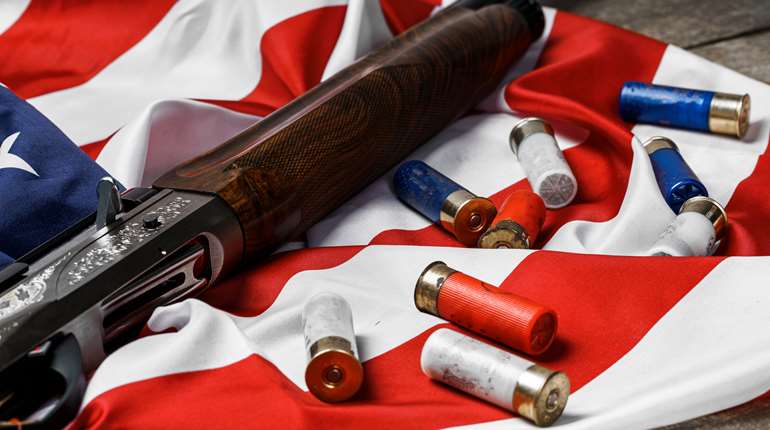
The reality is, shotgun slugs are among the most effective tools in a hunter’s arsenal, yet wholly underutilized. Whereas shotgunners were once forced to decide between Foster- and Brenneke-type slugs, today’s hunters are blessed with a wide assortment—and they have been for decades, perhaps without notice. Although slug technology has slowed in recent times, mostly due to the increased permittance of straight-wall handgun/rifle cartridges in states formerly prohibiting them, advanced options still abound. Among them are leadless slugs.
Deciding which slug is best for you and your shotgun, though, requires forethought. And, the information needed to make an informed decision is the purpose behind this article.
Shotgun Specifics
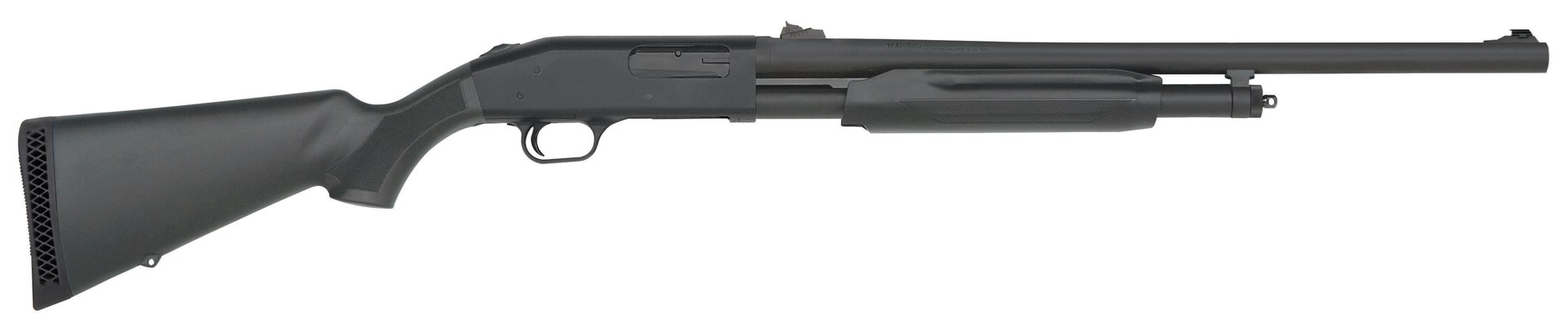
Before you begin your search for slugs, you first need to understand the shotgun that they’ll be used in. This is the key characteristic for an optimal pairing. In short, do you have a smoothbore, rifled choke tube or fully rifled barrel.
Most modern shotguns are threaded to accept choke tubes. The ability to quickly change choke constriction is beneficial across-the-board, but removable chokes give the slug hunter extra options. For instance, the ubiquitous improved-cylinder choke pairs nicely with traditional-type, sabot-free slugs—as do cylinder and skeet constrictions. Don’t overlook cylinder-choked barrels, as they can deliver mind-boggling accuracy. I know because my Mossberg 940 Pro Tactical Thunder Ranch shotgun does so. A rifled choke can increase accuracy and effective range.
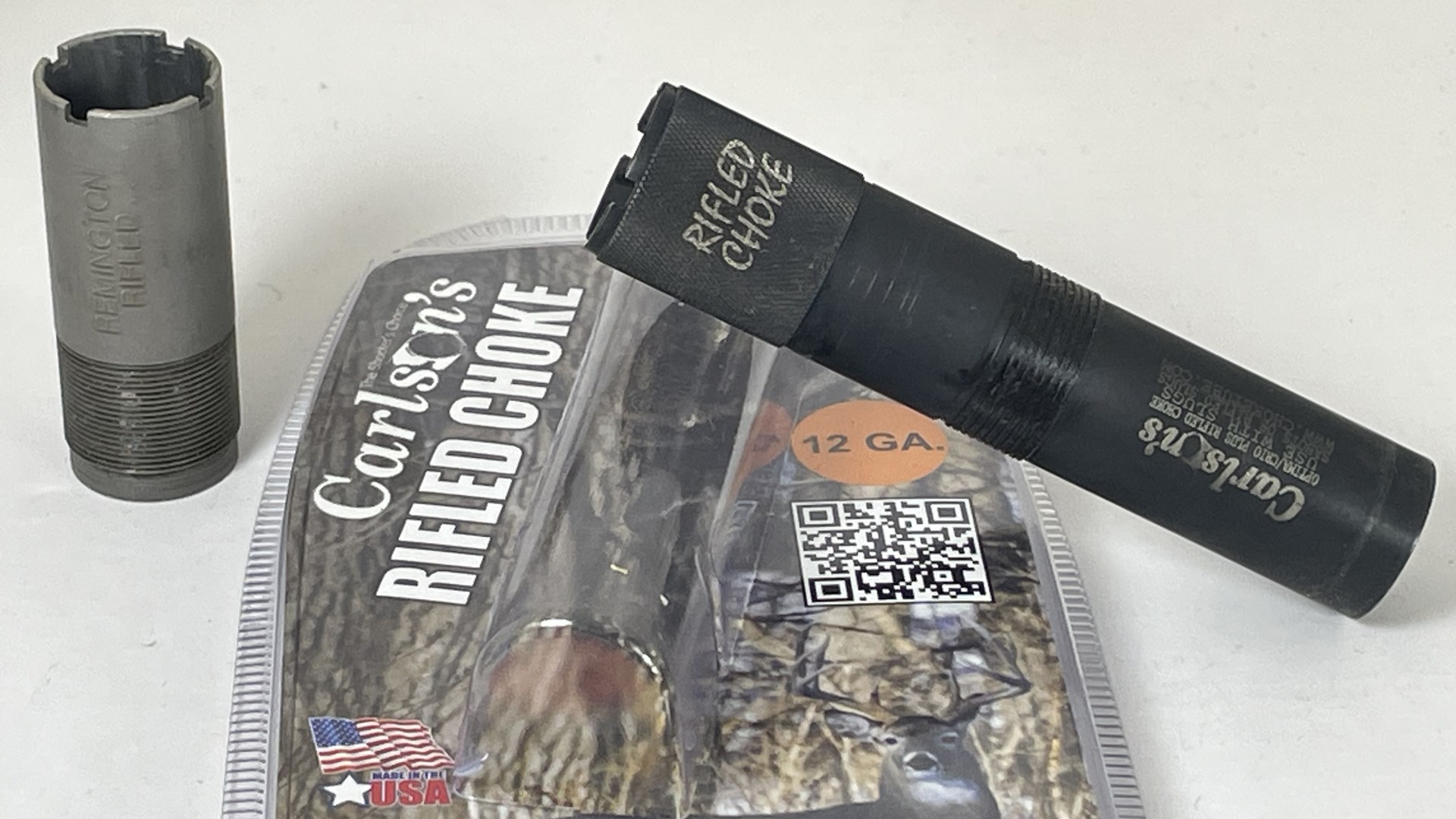
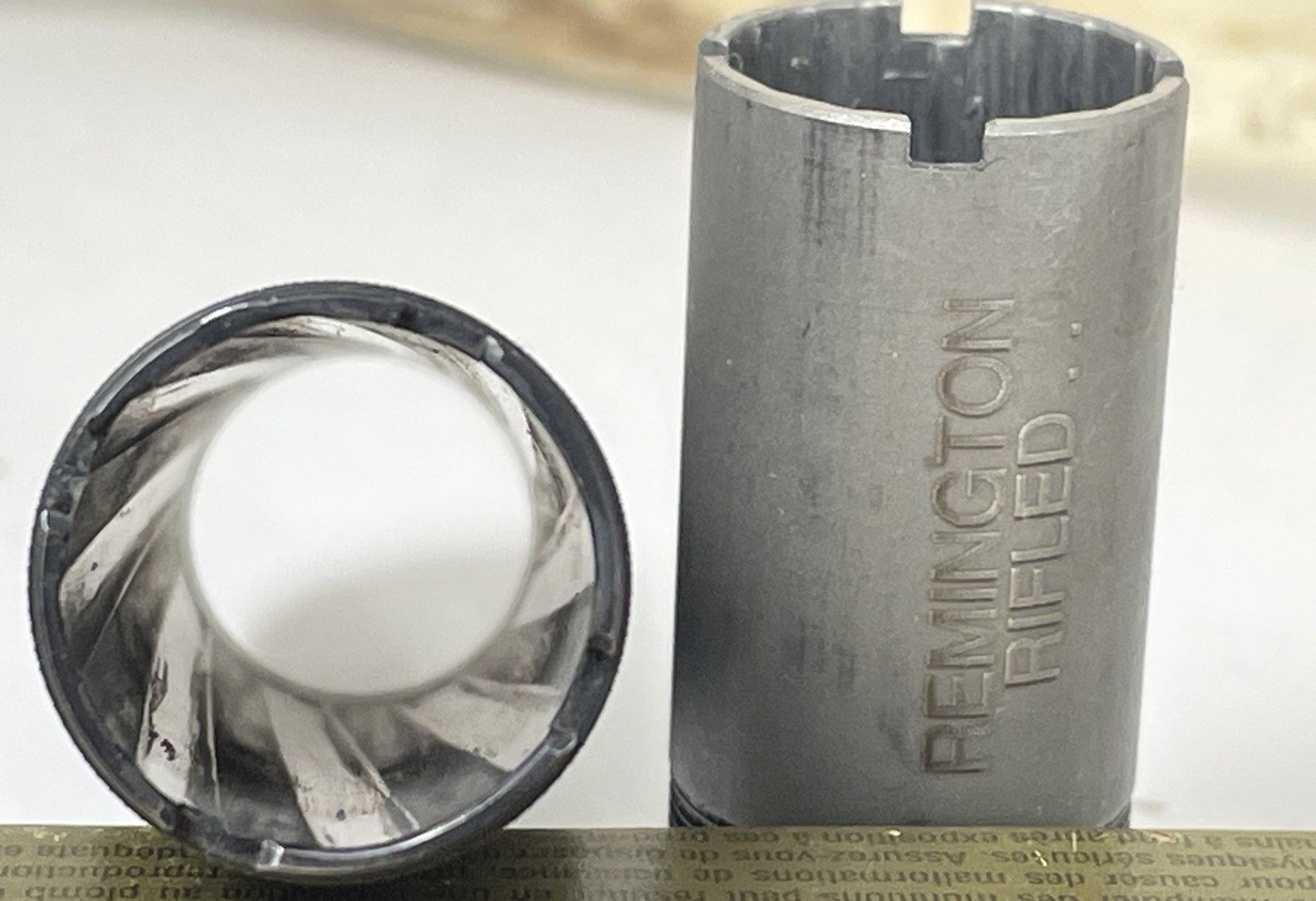
Few manufacturers build rifled choke tubes, with Carlson’s Choke Tubes being the largest, but there are options for the most popular thread patterns. One would think that the chokes’ slight lengths and “slow” twist rates (down to 1:35) would have little effect on slug stabilization. Wrong. When symbiosis between slug and rifled choke-equipped shotgun is identified, tight clusters and notched tags can be expected. As an example, years ago I killed a doe in Virginia at 149 yards with the abovementioned Winchester slug fired through a Sarsilmaz shotgun equipped with a flush-fitting Remington rifled choke tube and 1-4x Leupold scope. It was an absolute rockstar combination.
More recently, for a doe-only, limited-draw “quota” hunt in Virginia, I paired an extended, rifled choke with a Benelli SBE2 and the same Leupold. When preparing for the hunt on a Department of Defense (DoD) installation, though, I was astonished by the accuracy delivered by the mostly smoothbore shotgun when loaded with Brenneke K.O. 2¾-inch, 1-ounce slugs. With that combination, I was confident in taking shots out to around 125 yards—even with a less-than-stellar trigger. The result? I killed a medium-size doe close to 75 yards, and half that distance for the recovery.

Another option is to swap the barrel. Fully rifled and thus slug-specific, shotgun barrels aren’t cheap, but can be found as combinations—such as those offered by Mossberg—gently used on the secondhand market or on sale. If you’re more than the casual big-game shotgunner, or live in a slug-only area, then it’s worth investing in one. An extra, fully rifled barrel greatly expands on the slugs that can be used. Many modern, high-performance slugs require one for proper stabilization. Conversely, though, said tubes aren’t optimal with inexpensive, non-saboted Foster-type slugs due to cleaning hassles.

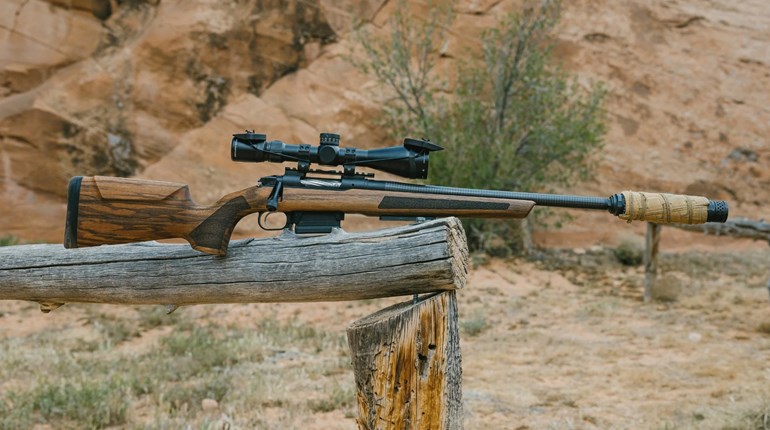
Dedicated slug guns—with fully rifled barrels—are few in number nowadays, and the model I used in Illinois has, sadly, long since been discontinued. Still, there are good options, even if on the secondhand market, and they offer advantages over smoothbores. First, accuracy with them is top-notch—especially those with pinned barrels, single-shots and bolt-actions. Since the barrel is permanently affixed to the receiver—as in the Savage 212 and 220 Harvester, Browning A-Bolt Shotgun, etc.—barrel shift is non-existent, and thus consistency (needed for accuracy) is realized. Again, you’ll need to look at the used-gun market to find some of them.

Shotguns with a quick-swap barrel, such as the Remington Model 870 and Mossberg Model 500 and 590, to name a few, lack such consistency. Sure, you can still deliver respectable groups, but a non-pinned barrel will seldom, if ever, beat a dedicated slug gun with the barrel threaded to the receiver. Moreover, such shotguns generally have better triggers, a necessity for top accuracy, and drilled and tapped receivers for more rigid optics mounting, rather than a cantilever mount, iron sights or simple bead sight. However, use whatever fits your needs and budget.
Chamber Length
If you’ve tested various loads through myriad shotguns, as I have, you’ll recognize tendencies. An obvious one is that, like people, shotguns are very individualistic. More on that shortly.
Second, I have discovered that most—not all—shotguns pattern best with shells nearing or at the maximum chamber length. For example, if you’re using a 3-inch-chambered Mossberg Model 500, then most likely it’ll excel—with birdshot and buckshot—with 3-inch shells. The same applies to slugs. In said Mossberg, it’s probably that the best accuracy will be realized with 3-inch slugs, though 2¾-inch shells can surprise you at times.
You’re probably wondering, “I have a 3½-inch-chambered shotgun, so what am I to do?” First, as far as I’m aware, there are no 3½-inch slugs, and if there are, I want no part of them; three-inch slugs are perfectly capable of dispatching nigh any animal on earth and produce hearty recoil to boot. Three-inch shells (slugs) are likely to outperform those shorter in length, but not always; look to the SBE2 story above as an exemplar. What’s more, dedicated slug guns aren’t chambered in 3½ inches. Three-inch is the standard. But, you’ll still need to experiment with various loads.
Gauge
If you already have a 12-gauge shotgun are looking to hunt infrequently with slugs, it makes sense to stick with said gauge and “make it work.” Why spend money unnecessarily. However, if you’re in the market for a dedicated slug gun, don’t discount the smaller 20 gauge.
When loaded with modern slugs, shotguns such as the Savage Model 220 Harvester—built on its Model 110 action—is amazingly accurate; in fact, I’ve shot groups with the original 220 that’d put some big-bore rifles to shame. In addition to phenomenal accuracy, 20-gauge shotguns generate significantly less recoil than a 12 gauge of the same weight. And yet, the 20 gauge will drop a deer just as fast as will any 12. So why punish yourself unnecessary.
The only true benefit of the 12 gauge is diversity in ammunition. Given the number of 12-gauge shotguns, new loads will first appear for them, and sometimes only for them. That being said, you’ll find adequate options in 20 gauge.
Testing
Shotguns are notoriously individualistic. In fact, having attended Thunder Ranch’s three-day Defensive Shotgun course, with most of the students using identical Mossberg 940 Pro Tactical Thunder Ranch autoloaders, and the on-target difference between them was remarkable. Using identical munitions at the same distance, the patterns were strikingly different (not just pellet distribution, which is random), but consistency with regard to pattern density.
Moreover, having tested many, many slugs through the years, I’ve found that there’s no shortcut to finding the best slug for your gun. Identifying the one isn’t cheap, as slugs are universally costly, and spending any significant amount of time on the range sending slugs downrange is downright miserable. It’s necessary, though.
The optimal route to success is identifying what should work best, then actually testing several loads side-by-side under consistent conditions. A word of caution is needed here; before beginning, ensure that the barrel lock nut, choke (if present) and similar are snugged. The same applies to optics-related screws. Continually check for tightness throughout testing, too, as the significant recoil can loosen things other than your teeth.
What’s more, since you’re unlikely to be hunting big-game (bear, outside of spring season, and whitetail) when the temperature is comfortable, or even hot, store the ammunition in a cooler with ice packs (no wet ice) to bring it closer to that when hunting. It will make a difference. Only remove the slugs when they’re going to be fired in short order. Between testing several (I recommend no less than five loads), with three to five shells each, you’ll generally find a standout.
I’d like to note here that you can encounter variances, even between identical loads. Case in point: when preparing for the abovementioned quota hunt, I had several older boxes of Brenneke K.O. 2¾-inch, 1-ounce slugs on-hand, and they performed admirably. Running low, I ordered more from MidwayUSA.com when available and on sale. At the range, the new slugs didn’t perform as well as the others; accuracy was notably worse. Fortunately, I had enough of the old slugs for the hunt—only four shells were permitted—on the DoD site. But, it goes to show, if you find one that works exceedingly well, try to find more from the same lot or timeframe.
Selecting a Slug: Where to Start
Once the specifics of your shotgun are known, it’s time to narrow the field. Let’s begin with options for close-in hunting, or smoothbores.
It’s safe to assume that most big-game hunters (whitetail deer, black bear and feral hogs) in the Midwest and East bag their quarry at distances of 100 yards or less. Sure, a bruiser buck can be found crossing a wide-open agricultural field; however, if it does so for long, he won’t make it. Same for sizeable bears.
Most fatal encounters occur at pinch points, trail crossings, in thickets, along field edges, in drainages and among the timber—all places where shot distances can be short. If those places sound like your hunting grounds, a shotgun with a non-rifled choke is perfectly adequate—especially if paired with an optic (magnified or reflex-style sight) or iron sights. For bead-equipped shotguns, keep the shots close.
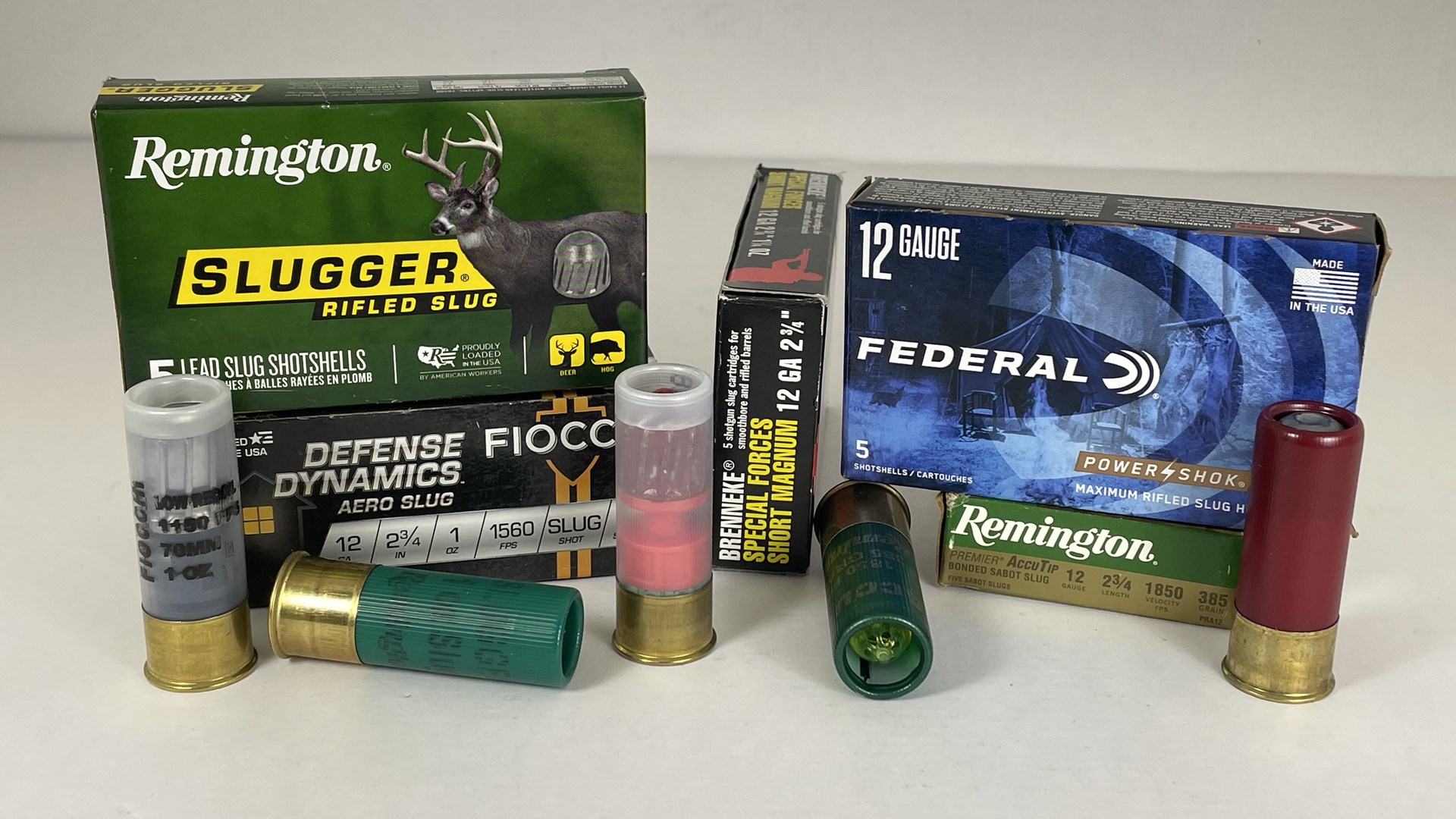
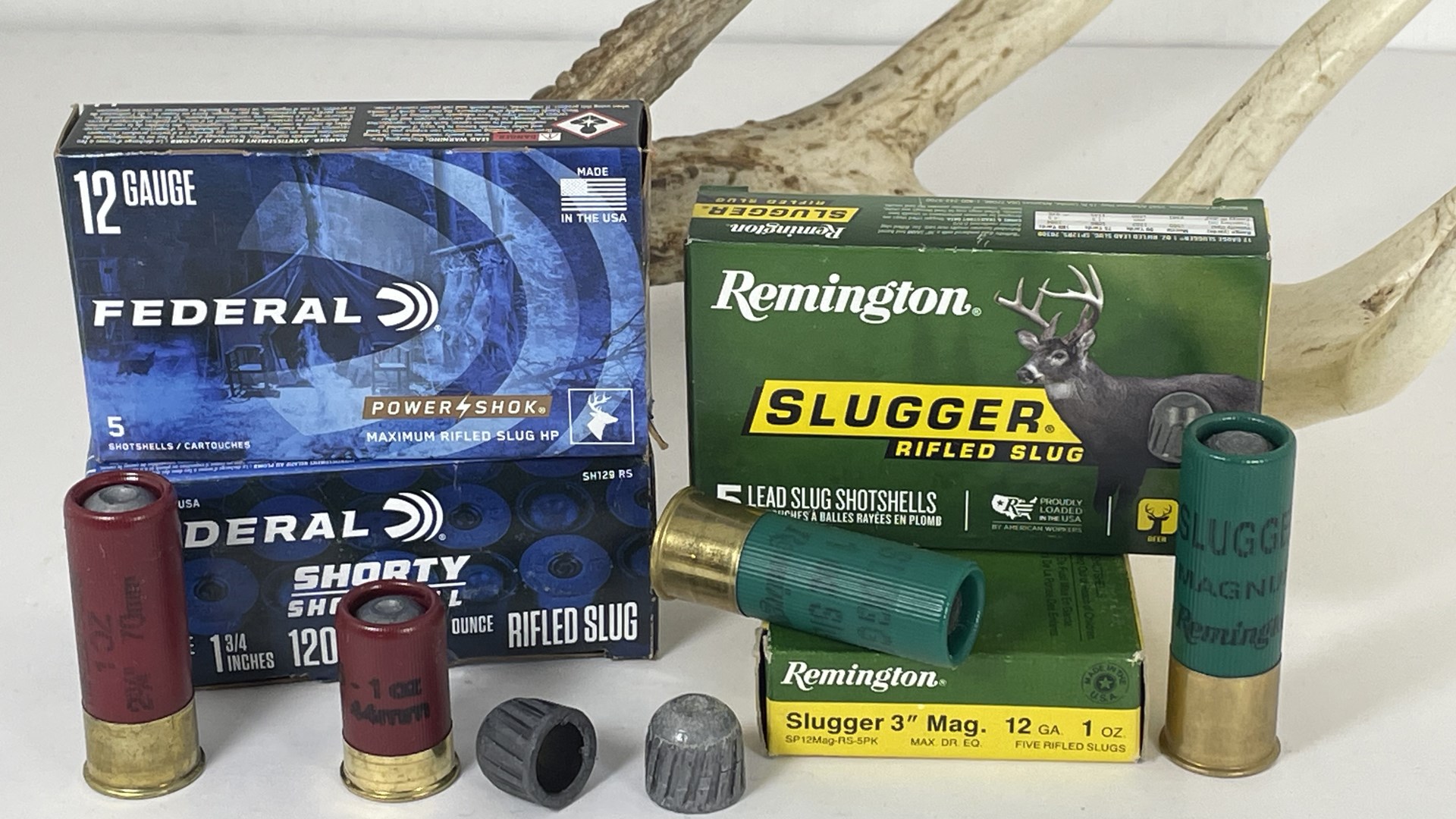
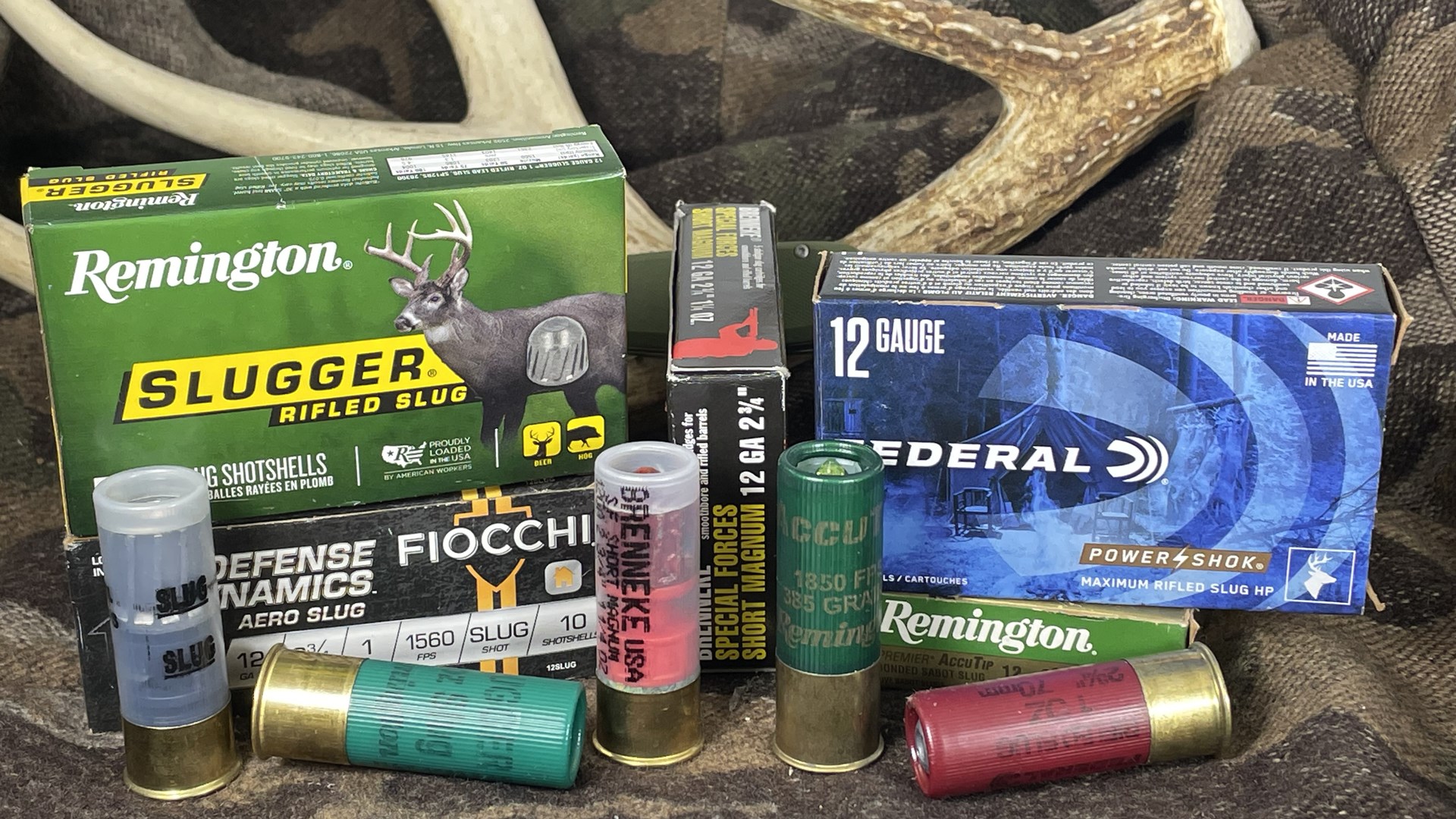
For these “scatterguns” and shot distances, no frills is fine. The ho-hum Foster-type “rifled” slug, such as that found in Remington Slugger, Federal Power-Shok and Winchester Super-X, will absolutely suffice. The soft, lead-alloy slugs have a hollow base that obturates to bore diameter—leading to increased leading if not coated or plated—and deform greatly upon impact, thereby imparting much energy on-target. The accuracy and depth of penetration of such projectiles can be improved through the use of loads such as Federal’s unique TruBall Deep Penetrator.
Because the distances are short, don’t feel compelled to use high-velocity variant, or even full-house 1-ounce loads in a 12 gauge. A lighter projectile, or even dedicated low-recoil version such as Remington’s Managed-Recoil, is perfectly capable of downing your quarry. Just make sure that, if you’re using an autoloader, it cycles reliably.
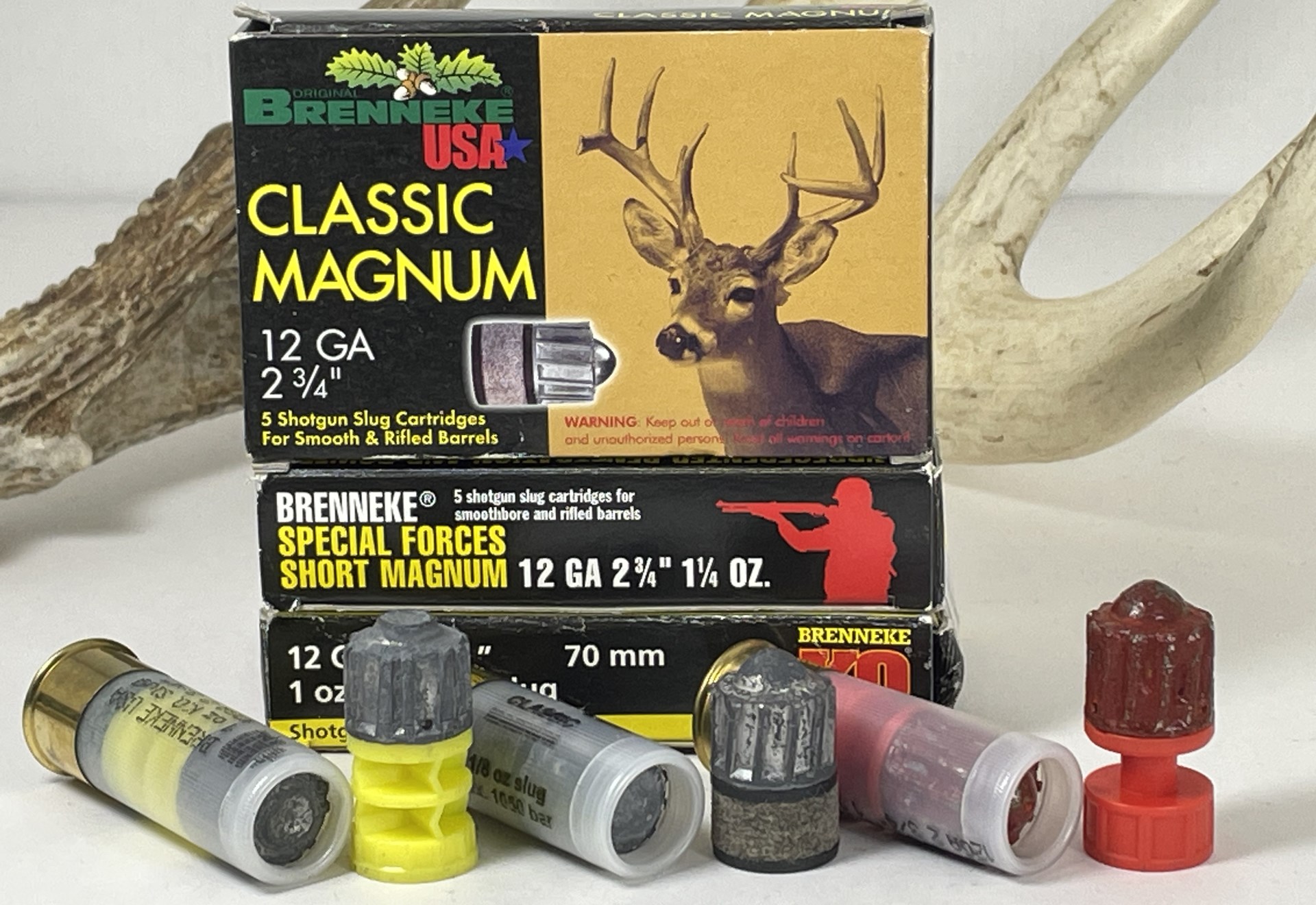
Another option is Brenneke-style slugs. Dating to 1898, Brenneke’s bread-and-butter slugs share a common appearance which had been practically unchanged—especially in the Classic Magnum—since their inception. The full-diameter slugs are designed for deep penetration. Big game shot with Brenneke slugs reveal an entry wound replete with the telltale “rib” marks, and the exit is devastating. Having using both Brenneke- and Foster-type slugs extensively, the former is hands down better for penetrating deep, while the latter gives wider expansion. Personally, I prefer Brenneke. I have experienced great accuracy across several shotguns configurations with said slugs. From cylinder-choked semi-autos to rifled-choke pump-actions, Brenneke slugs have generally shot quite well.
Non-saboted Brenneke 12-gauge slugs are available in 1- to 1 3/8-ounce weights. Naturally, recoil becomes harsher when heavier projectiles are propelled to elevated velocities. For deer, stick to the 1-, 1 1/8- and 1¼-ounce weights. The same applies to 20 gauge, though it tops out at 1 ounce. Exceptions to this are the company’s leadless slugs, which are around 293 grains in 12 gauge and 200 grains in 20 gauge.
If maximum penetration is required, look at the company’s bear and self-defense ammunition. Velocities, projectile weights and alloys have been adjusted for maximum penetration—even through steel. They’re unnecessary for deer, but to each their own.
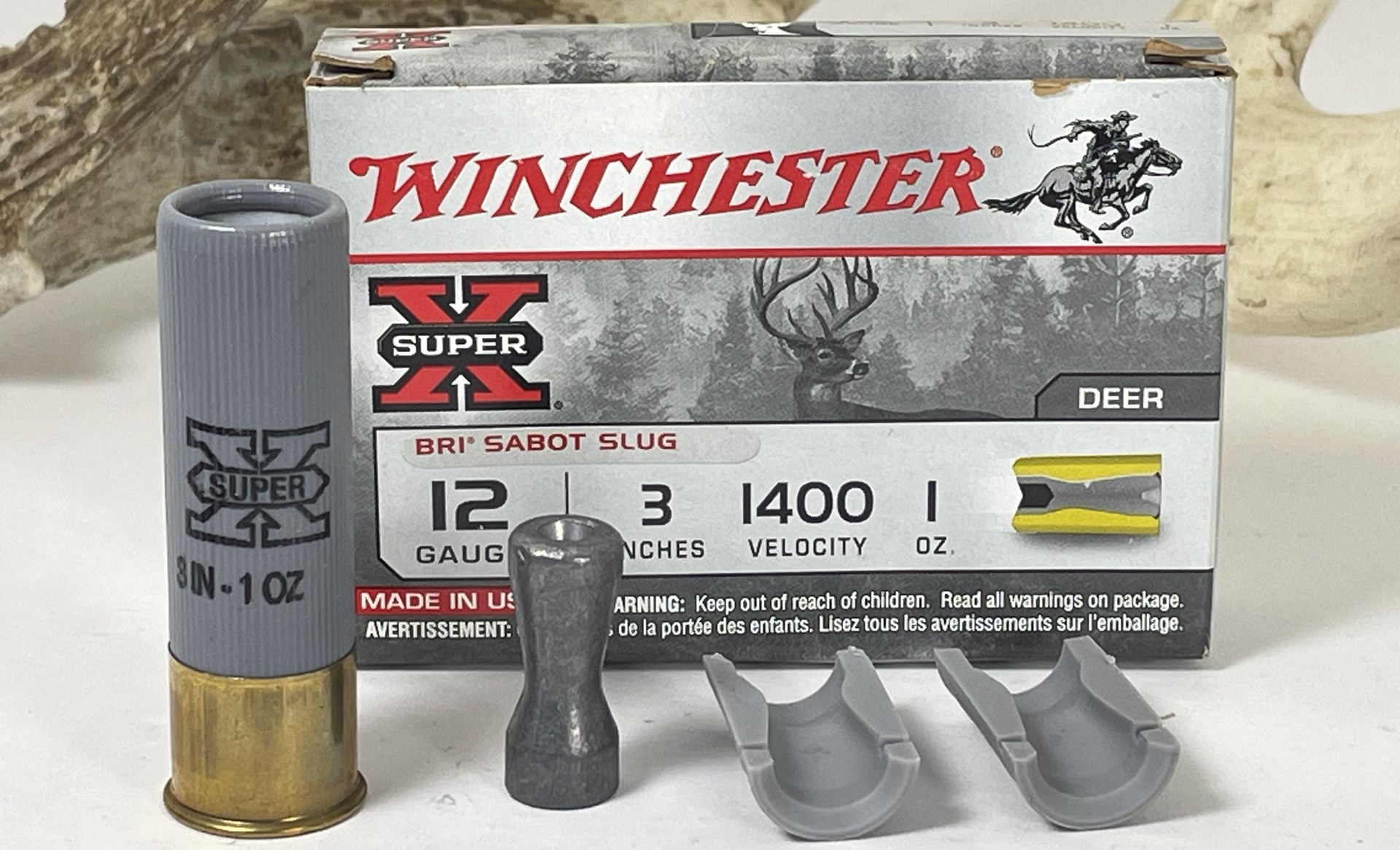
A rifled choke tube expands options. Sure, you can still use the abovementioned slugs that are used in smoothbores; however, why limit yourself unnecessarily. Some saboted slugs can be stabilized with rifled choke tubes, so evaluate their performance in your gun. The Winchester Super-X 3-inch BRI slugs that I favor are an example, however, sadly, they’re discontinued. You might find old stock. Brenneke’s T.K.O. and Red Magic Sabot are good also options. Nonetheless, before making a purchase, double-check the packaging to ensure the shells can be used in both barrel types.
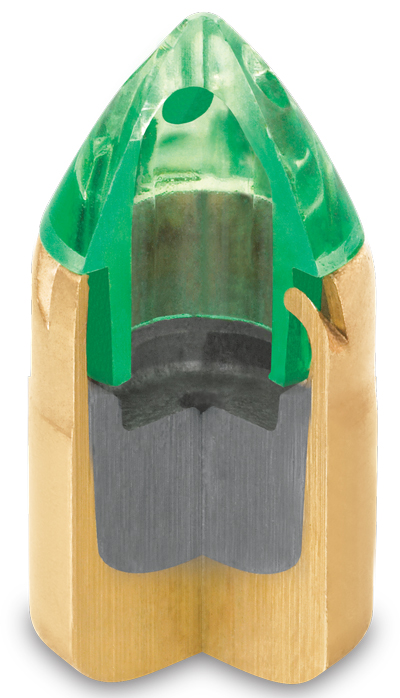
Because most big-game hunters demand reach, even if they’ll never need it, most new slug designs—outside of Brenneke—are for fully rifled barrels. If your shotgun has a rifled barrel, stick to those designed for it; using Foster-style slugs will result in inaccuracy and heavy leading. Obviously, if you’re forced (or choose) to use leadless projectiles, you have fewer options. Federal, Winchester, Barnes and Brenneke, to name a couple, manufacture lead-free slugs. As for lead-alloy slugs, there are a host of options from the same manufacturers and others. Again, choosing one comes down to regulations and experimentation. Again, ensure that the slugs are meant for fully rifled barrels or are crossover capable before committing to them; otherwise, it’s money and time wasted.
A final option is handloading. Handloading slugs is exceedingly easy, and it greatly reduces the financial burden—especially when extensive testing is needed. Moreover, if properly stocked, you’ll never run out. You’ll also have options not offered as factory loaded, as well as ones that work with all barrel configurations. Bar none, the best source for all things related to handloading shotshells is Ballistic Products, Inc.
Shotgun slugs, like muzzleloaders, aren’t as appealing nowadays due to regulations permitting metallic cartridges for whitetail hunting. But, in many situations, a shotgun slug is as capable—if not more so—than a rifle. And those who have a shotgun shouldn’t feel compelled to buy a rifle; there are options that’ll bring home the venison and bacon. It just requires selecting wisely and spending time on the range … and knowing when to put down that snack.