

Latest Game News
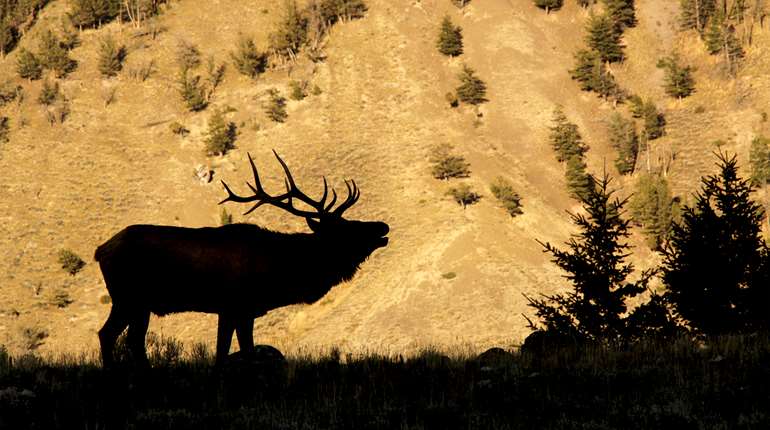
Elk Tactics: It’s Not All About the Bugles
It’s hard not to return the bugle of a bull in the wild. But the author is convinced tactics he uses with calling help seal the deal on public land.



Latest Stories


Pellets Fly: An Airgun Hog Hunt in Florida
The author hunts the Space Coast with a pair of airguns from Gamo.
Elk Hunt Excitement: Hammer-Slammed
A new Savage rifle does the trick on an Idaho elk hunt.


Start ’Em with Squirrels—The Perfect Hunt for Junior Woodsmen
A Kentucky squirrel camp reminds the author how a hunting career and love of the woods can be launched by a single trigger press on a rimfire rifle.


Submit Your Member's Best Hunt Entries NOW
Now hear this, NRA American Hunter readers: this is a call for entries for American Hunter’s “2027 Members’ Best” feature story to run next year in our combined June/July print issue.


Elk Tactics: It’s Not All About the Bugles
It’s hard not to return the bugle of a bull in the wild. But the author is convinced tactics he uses with calling help seal the deal on public land.


5 Things I Wish Someone Had Told Me Before My First Elk Hunt
I grew up hunting whitetails in the Midwest, and while I thought I was in “elk shape” on my first western hunt, I quickly learned that chasing elk at high elevation requires an entirely different level of fitness. You’ll likely hike for hours, oftentimes at high elevation, and many of trails you’ll follow are filled with deadfall and uneven rocks. If you’re fortunate enough to fill your tag, the real work starts.


Arizona Asks Public to Look Out for New World Screwworm
On Sept. 17 the United States Department of Agriculture (USDA)—working with the New Mexico Livestock Board and New Mexico Department of Agriculture—announced that a horse was identified with a New World screwworm (NWS) infested wound in Grant County, N.M, which borders southern Arizona.


Hunting October Whitetails
Curious how to hunt whitetails in every phase of October and November? Check out Frank Miniter's tips and tricks for bagging a big one.


Tips for the Deer Season Opener
Curious about how to hunt early season? Mike Roux shares some hard-learned tips for how to tackle it no matter your neck of the woods.


New Black-Bellied Whistling Duck Season in Louisiana
A special nine-day Louisiana black-bellied whistling duck season began Oct. 3 and runs through Oct. 11.


Interests








IN THE SPOTLIGHT


EXPLORE MORE NRA PUBLICATIONS












