The COVID era shuttered so many South Africa outfitters and, in many ways, conservation for southern Africa. Last year I had the opportunity to travel to S.A. for my first safari, and I was relieved to see a tourism industry that has returned to whatever I must assume is business as usual. As it was my first trip across the pond, my week there would be anything but “usual”—I was looking forward to this hunt.
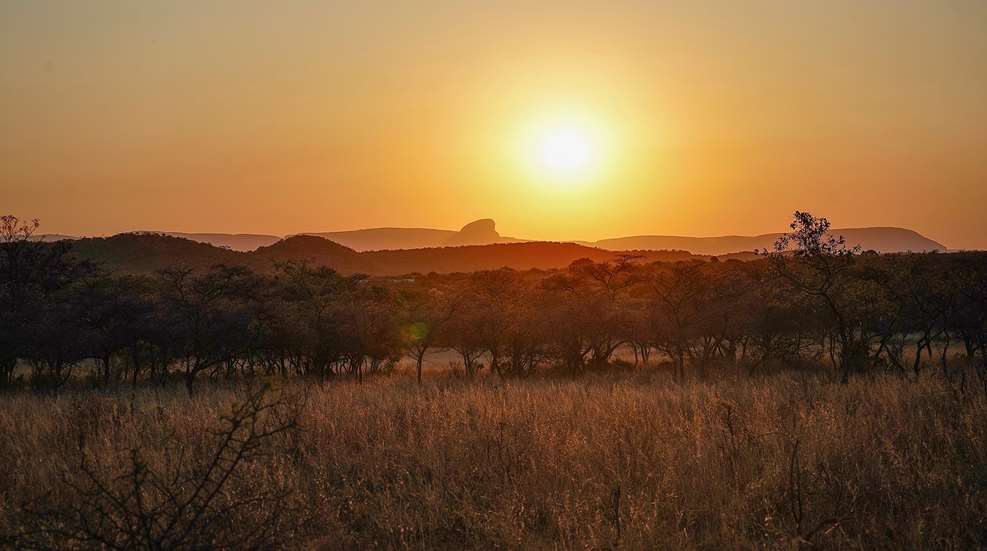
In Johannesburg I joined the rest of my party, Chad and Marsha Schearer of “Shoot Straight TV” and Mark Kayser, an AH field editor. After a layover at Afton House we packed into a van for a couple-hour journey to Limpopo province the next morning. Like a sponge, I soaked up every passing sight along our drive. I couldn’t help but notice how distinctly similar the landscape was to me—it appeared as though I was deep in the heart of Texas. An impressive amount of farming occurs in S.A.: turned-over sunflower fields that disappear at the edge of Earth, as far as I can tell, cotton fields, too, and an incredible number of orchards. Ag fields, drainages and dense cover separated much of the ground, some in quite large blocks, and that’s where I assumed we’d get into the good hunting.
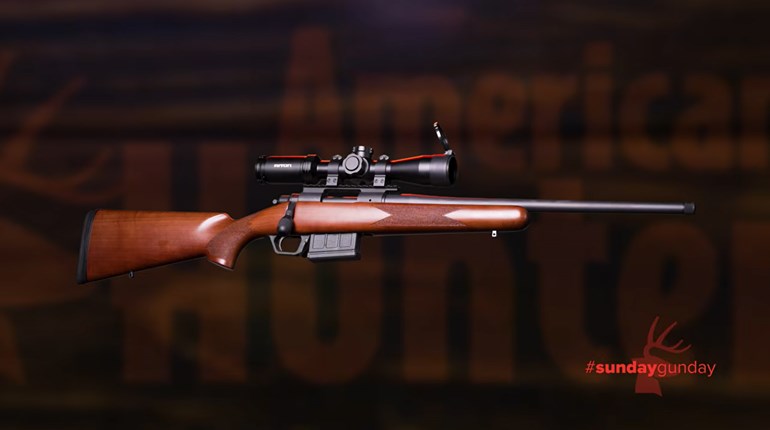
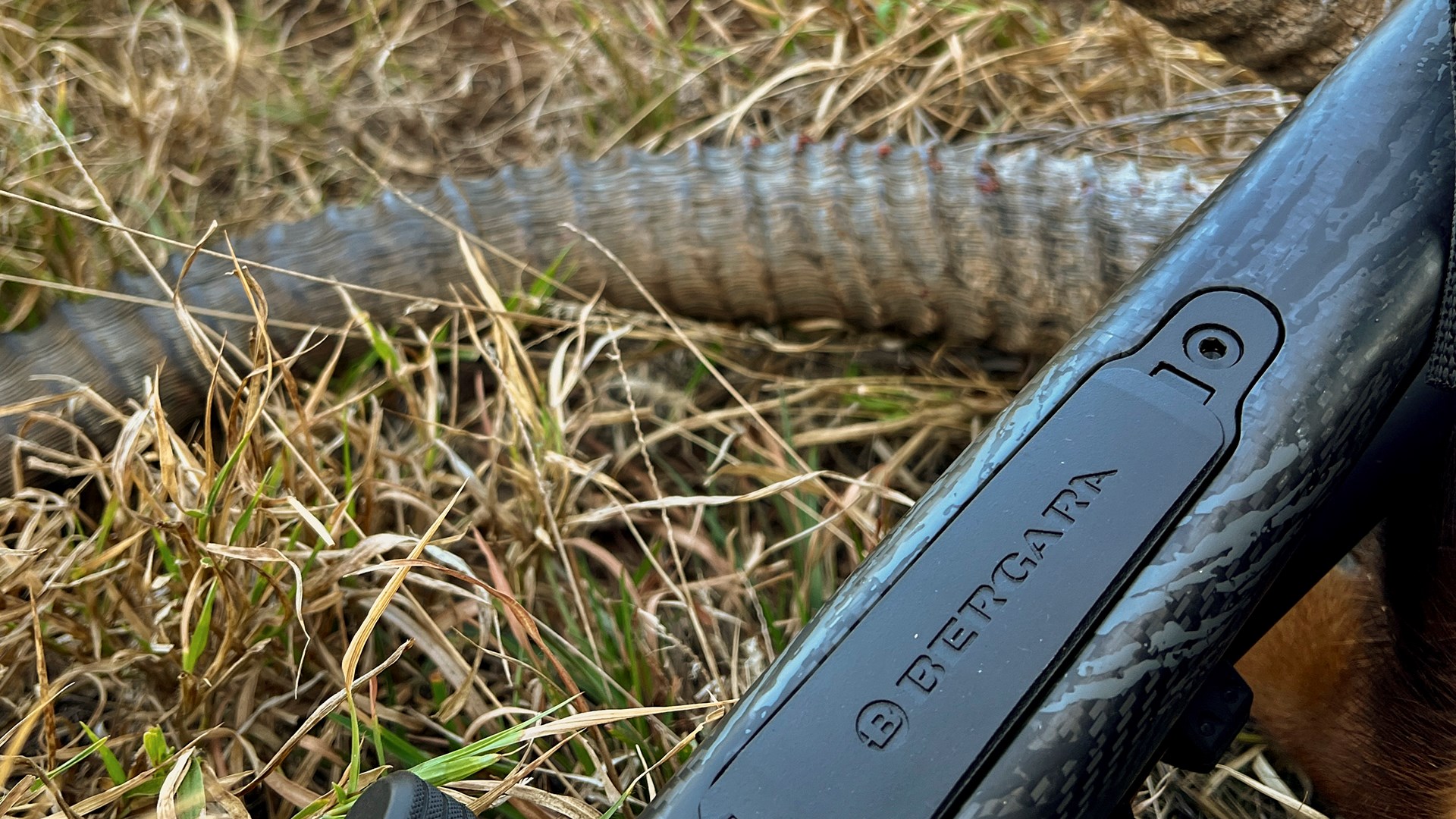
I took to S.A. Bergara’s B-14 Squared Cima CF (Carbon Fiber) bolt-action rifle. It’s built for top-level pursuits, particularly high-mountain elk hunting, which makes it quite suitable for African plains game, too. There’s a lot of value in an accurate, well-made rifle that sacrifices weight in all the right places. My .3oo Win. Mag. Cima CF arrived ahead of schedule, which gave me time to shoot some loads, gather all the gear and seriously train with my rig before jumping across the pond. In anything you do, practice leads to perfection.
While waiting for ammo to arrive, I mounted a Leupold VX-5HD Gen. 2 riflescope. I’ve always loved Gold Ring optics, along with Leupold’s Custom Dial System. In 2025 the company revamped the series with its latest brilliant solution—a detent on the turret cap the user simply engages before articulating the lever upward to unlock and reset zero on the scope. The VX-5HD’s 5X zoom ranging from 3-15X and a medium-size 44mm objective made it a great fit for a plains rifle that starts out at just over 6 pounds.
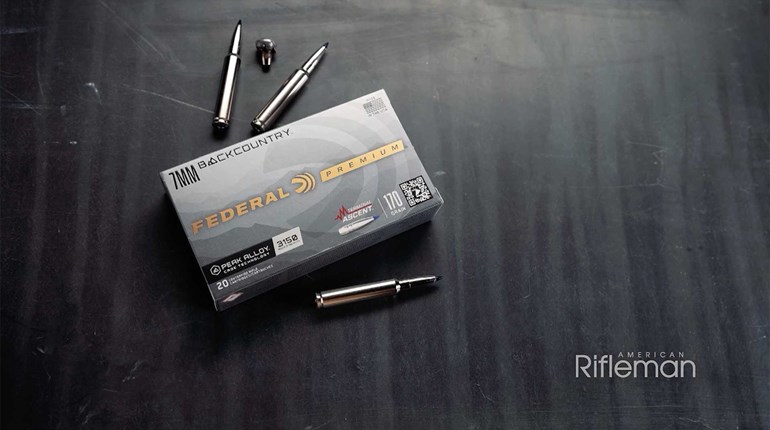
While I waited for a shipment of ammo for the safari, Federal Premium .300 Win. Mag. loaded with the company’s 200-grain Terminal Ascent bullet, I fired a backup load I’d reserved for approaching deer and bear seasons in Virginia, a 180-grain Federal Premium Trophy Bonded Tip. Then a few weeks later with the 200-grain Terminal Ascents, I produced chronograph figures and dialed the Leupold to match a ballistic chart built for a maximum effective point-blank range. I printed and laminated a DOPE chart for my rig with come-ups out to 1,000 yards, just in case.
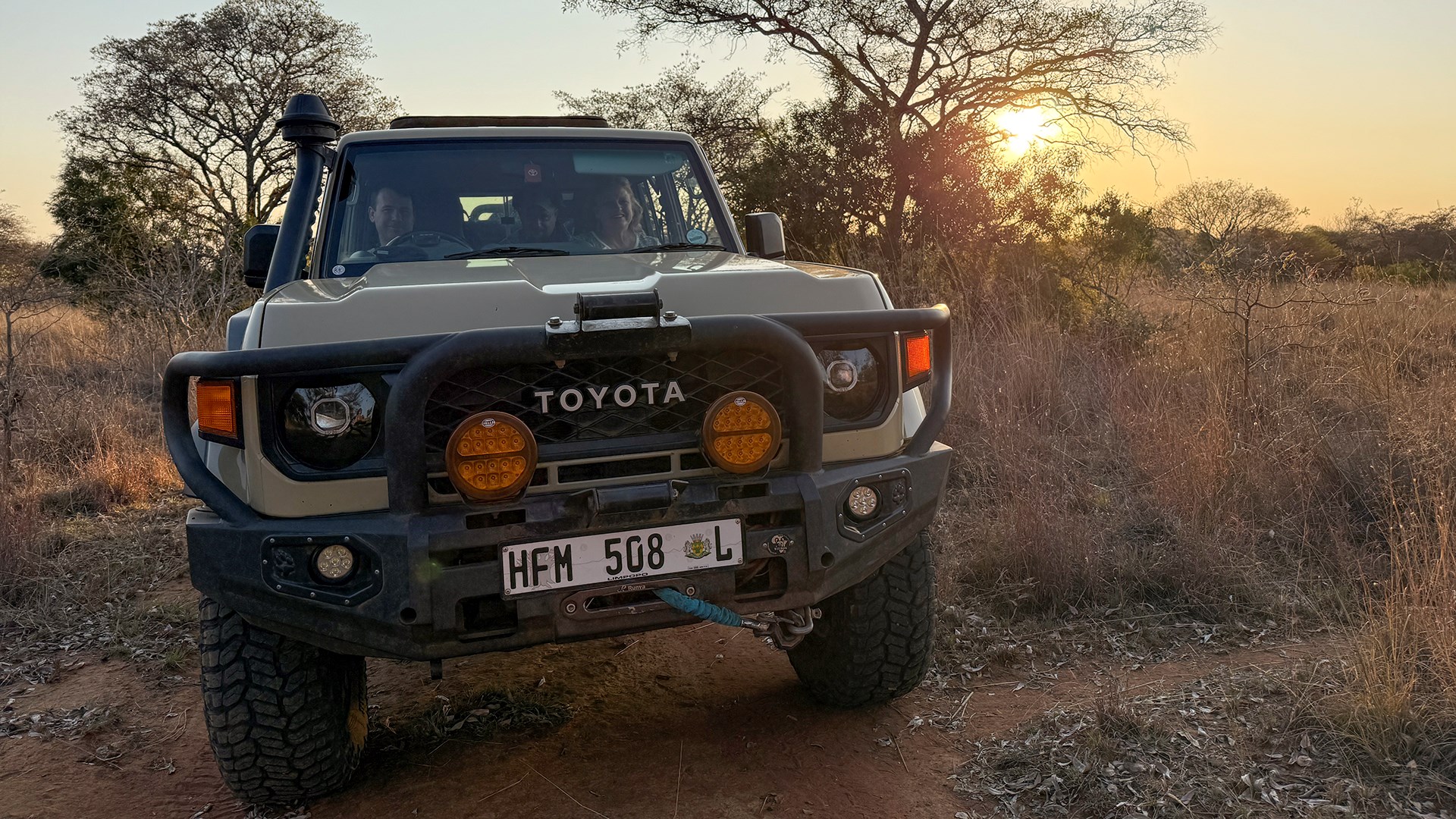
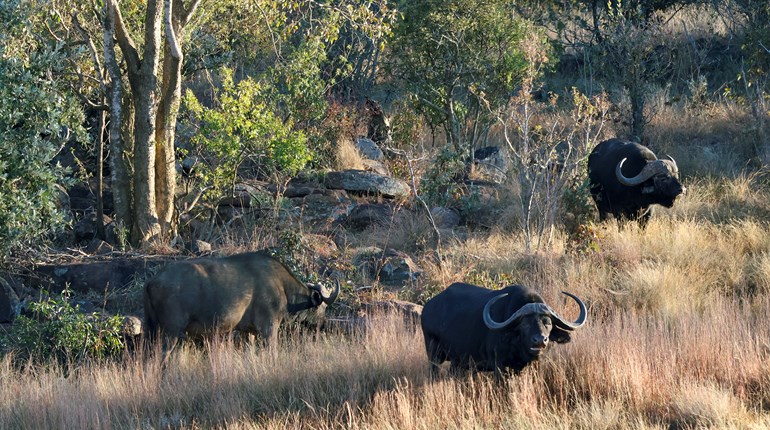
In the Limpopo province we were greeted by the staff at Egbert Boon’s Sensational Safaris, but not before we were greeted by some of the local wildlife. As we motored down the driveway to camp, I felt the brakes engage and heard the driver say something, and I turned my head to follow his finger pointing and saw Cape buffalo. “My goodness,” I exclaimed, as I fumbled for my camera.
There was at least one other thing I wasn’t prepared for: Silly me forgot to adjust my ballistic calculations for 3,000 feet above sea level when I built my DOPE for the .300 Win. Mag. and 200-grain Terminal Ascent back in Virginia. First shot on the range was a zoomie, high and out of the zone. So I dialed, shot, glassed and found my new zero then confirmed it, reset my dial and called it good.
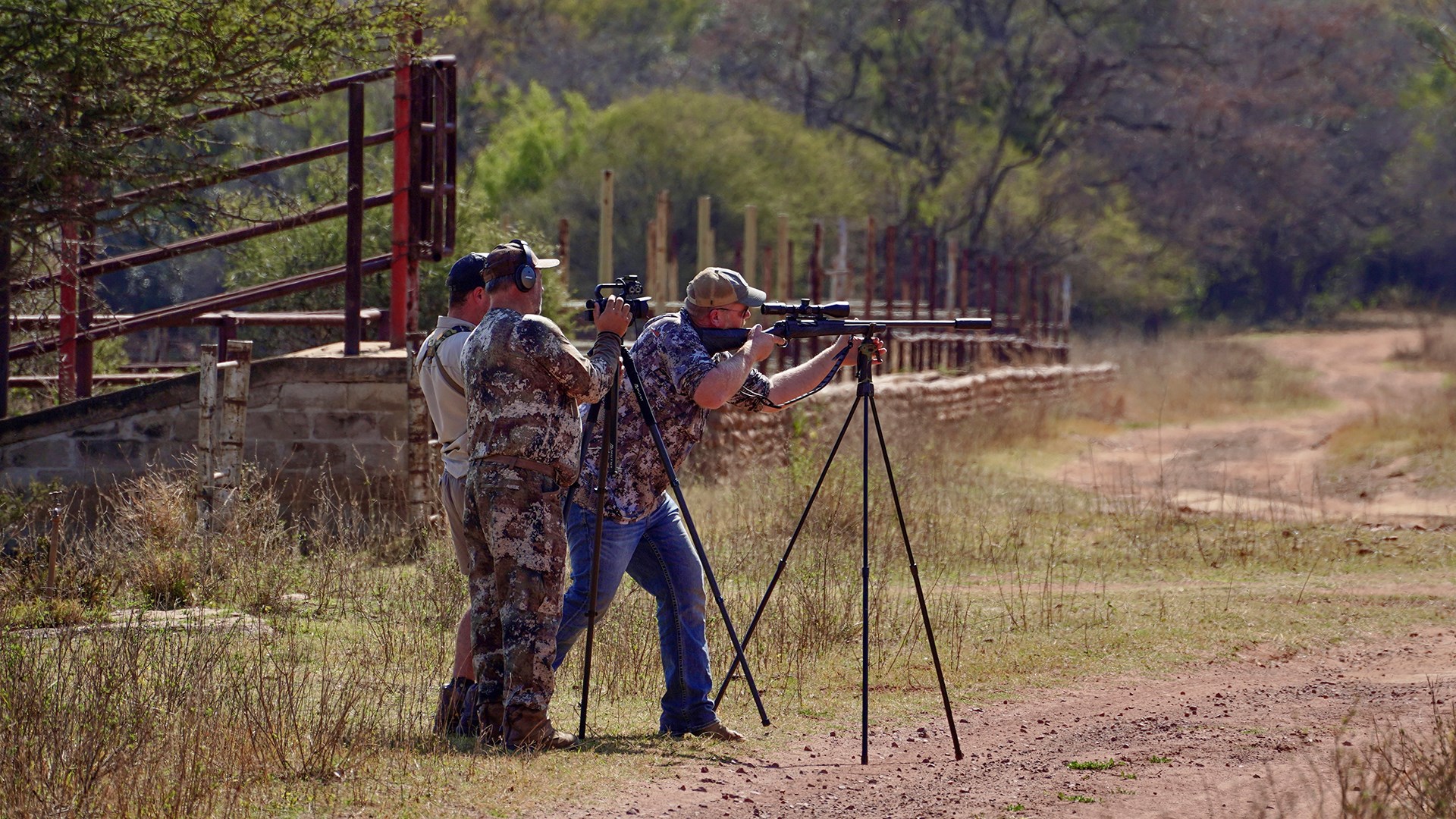
In S.A. our party didn’t lack for wild entertainment. To me, the tradition of hunting is about sharing the outdoors with other folks—and Africa is an extraordinary place to do just that. There you’ll return to camp every night steeped in camaraderie and likely carrying more than one head of game, so you won’t lack for conversation. Even if you’re tagged out in Africa, you’ll never be bored on a game drive.
The next four days of hunting became some of my most memorable. I stalked and killed six animals including a bucket-list African sable and the largest bird on Earth, the ostrich. My efforts delivered nearly 2,000 pounds of lean, wild protein for locals, and an SD card and heart filled with memories of pure adventure.
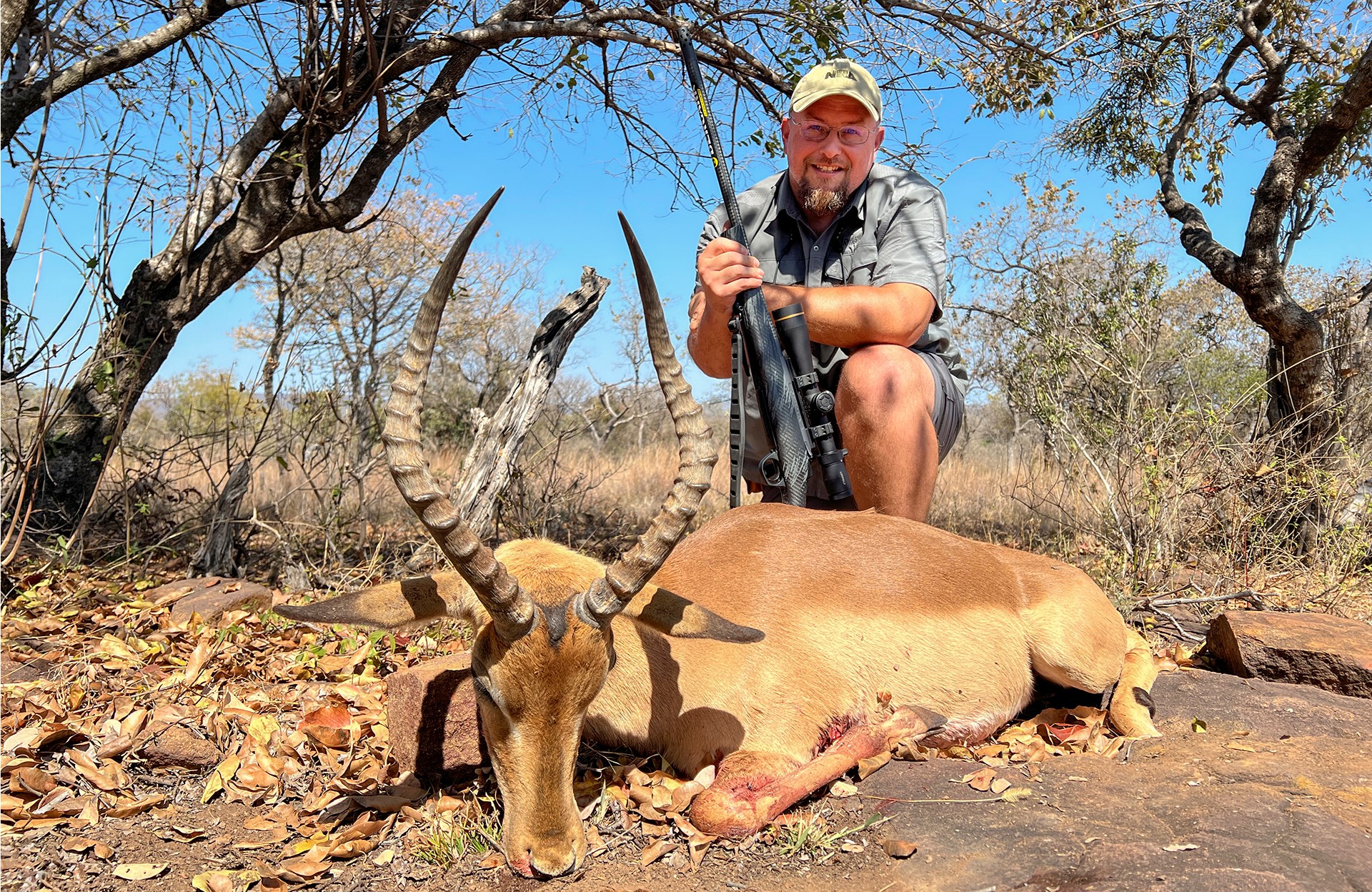
Day 1, Animal No. 1: First Impala Ram
- Type: Antelope
- Family: Bovidae
- Genus: Aepyceros
- Species: Aepyceros melampus
- Sexual dimorphism: only rams grow horns
- Weight: 80-170 pounds
“Big impala! Big impala! Christopher, you’re up!” Egbert insisted.
I was feeling quite satisfied after a good lunch and caught completely off guard, so I scrambled to case my camera, exit the Hilux and ready my rifle.
“He’s right over there about 125 yards, the big one!” hissed Egbert.
This was it. It was about to happen. We closed the distance to about 70 yards and someone positioned shooting sticks ahead of me. At home this would be an offhand chip-shot for me, but to come all this way to leave it to chance … so sticks it was. The ram was threaded within a few ewes, so a fast shot was not optimal. He was also quartering away and gaining speed. I needed to hurry before losing my perspective.
I pulled a touch low and the bullet opened fast, leaving a massive entry wound and channel. The shock of the bullet created a lot of damage partly due to hitting the shoulder. The Terminal Ascent exited the chest opposite its entry. Although it avoided vitals, the ram went less than 25 yards. Truly impressive bullet performance. As luck would have it, this impala was the first African animal taken with Bergara’s B-14 Squared CIMA CF—and I’ll never forget it.
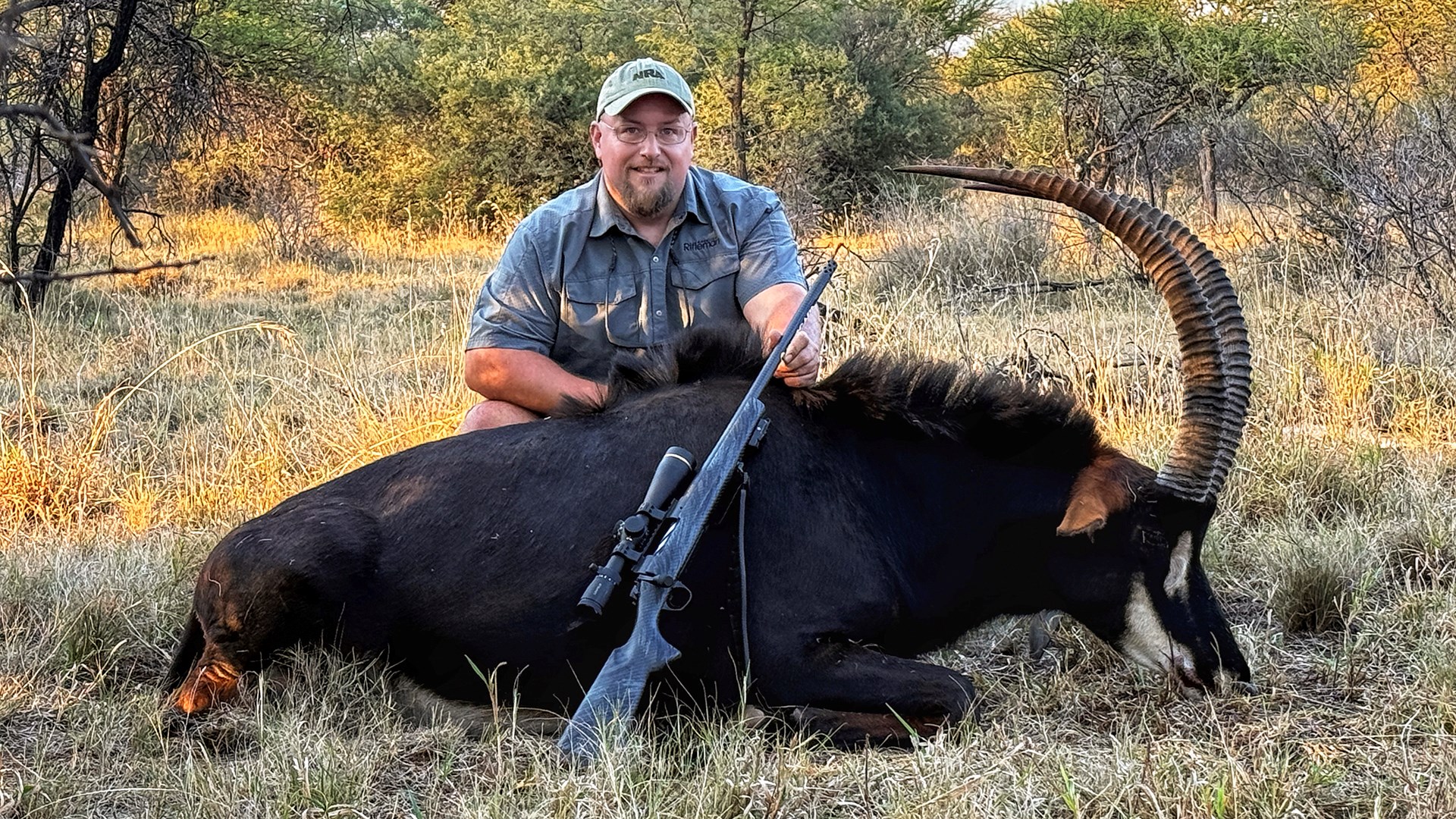
Day 1, Animal No. 2: Sable
- Type: Antelope
- Family: Bovidae
- Genus: Hippotragus
- Species: Hippotragus niger
- Sexual Dimorphism: rams and ewes grow horns
- Weight: 400-600 pounds
The folks at Sensational Safaris have a lot of ground to cover, with contacts and permissions sprawling thousands of acres of Limpopo province. We met up with a rancher about 45 minutes away that afternoon. We didn’t know much of Mr. Mark, the rancher, at the time, however, I did know he had sable roaming about, so it was our mission to find success before sunset.
Shortly before embarking on our stalk, Mr. Mark stated, “About 80 percent of the sable I’ve seen shot are hit high in the cavity.” I, too, made that mistake. Again, as it turned out, I got lucky. Even though I prepared diligently on shot placement prior to hunting, I wasn’t ready to combat nearly 30 years of muscle memory of tucking it behind the armpit of a whitetail.
I, too, shot slightly high on the inside. From my vantage of about 80 yards, it appeared to be a centerline hit, but Sable are built uniquely. With its big shoulders and its round body, a hunter’s perception from broadside apparently throws off shot placement.
In the future I’d go a tad lower. But this is where the ballistic performance of the .300 Win. Mag. shined best. I followed the guide to the skinning shed for further examination—and I was shocked at what I saw! The bullet entered tissue just rear of the shoulder blade into a thick muscular pocket. It began expansion immediately, as evidenced by tissue damage beginning about one-half inch to an inch deep, then subsequently striking ribs, upsetting fully both the projectile and the sable.
Shock damage from the Federal Terminal Ascent was evident across about 10 inches of the bullet’s path through the body. Traveling beyond the ribs, the bullet also narrowly glanced the spine and began pressing through the opposing ribs. A star-like pattern in the exit wound was noted. Had the bullet traveled an inch lower, the bull may have run hundreds, if not thousands of yards into the bush. Had I also used an inferior bullet, I may never have struck spinal column, which is what ultimately anchored my trophy. Ribs, spine, shoulder and full penetration on a roughly 500-pound animal were the exact anecdotes I needed.
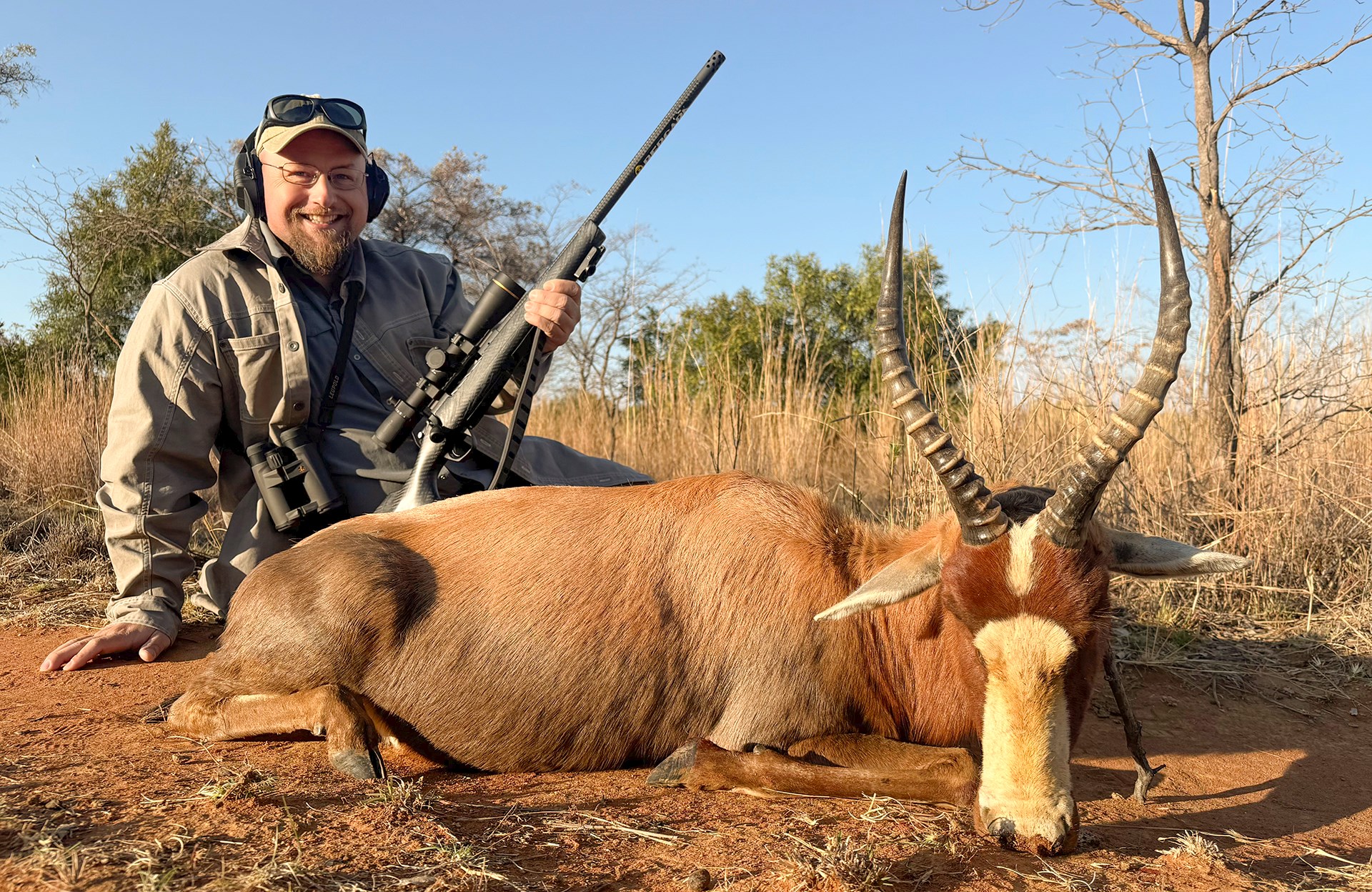 The author was the first to take game with Bergara’s B-14 Squared Cima CF, a blesbok. Later with the rifle dropped a 500-pound sable.
Day 2, Animal No. 3: Blesbok
- Type: Antelope
- Family: Bovidae
- Genus: Damaliscus
- Species/Subspecies: Damaliscus pygargus phillipsi
- Sexual Dimorphism: rams and ewes grow horns
- Weight: 150-200 pounds
“You’re coming with me today,” Egbert’s brother Peter mentioned as I wiped my eyes and poured a cup of coffee in the lodge before daybreak. “We’re hunting blesbok.”
It was chilly out that morning, not as much as it was the day prior but enough to warrant another layer while riding around glassing. For whatever reason this filled my thoughts that morning. As a result, I left the lodge without my shooting sticks, but I did have my favorite lightweight shooting bag strapped along for extra support, whether off a tree, bumper or in an armpit while offhand.
The Hilux dieseled its way around the bend with a distinctive chug-a-lug-lug. I thought surely this pasture was going to present some difficult, tight shots. Next thing you know, we spotted a group of blesbok with a big old ram, the exact thing I was looking for. It didn’t take long to realize by their negative body language that this situation was about to flop.
Even though the grass was as tall as me (5-foot-11) in spots, the blesbok herd partially spooked. I had to act fast, and with sticks left behind, I opted for an expedient offhand shot.
“Seventy-five yards … wait until the big one stops,” instructed Peter.
From my view, which was several feet away from Peter, the old ram was clear of his ewes and about 10 yards from escaping. I rushed it. I shot the ram and it dropped dead, perfectly. However, I didn’t shoot when told to by the pro sitting next to me, and I felt bad for that. The ram had two steps to go before my morning was over. I ran purely off muscle memory and instincts cemented from all the years I’ve spent hunting deer and target shooting.
Peter couldn’t believe it. This was the most excited I’d seen the man, but I was focused on apologizing to him for not waiting for his guidance.
“I thought you weren’t ready to shoot and were just looking at them,” Peter said as he gave me a big high-five. “That was some good shooting, mate!”
I was pretty impressed by the whole scene: 75 yards slightly quartered; again, massive upset upon impact and the bullet fully penetrated, hitting heart and lungs perfectly. My blesbok ram traveled about 20 yards on a death run.
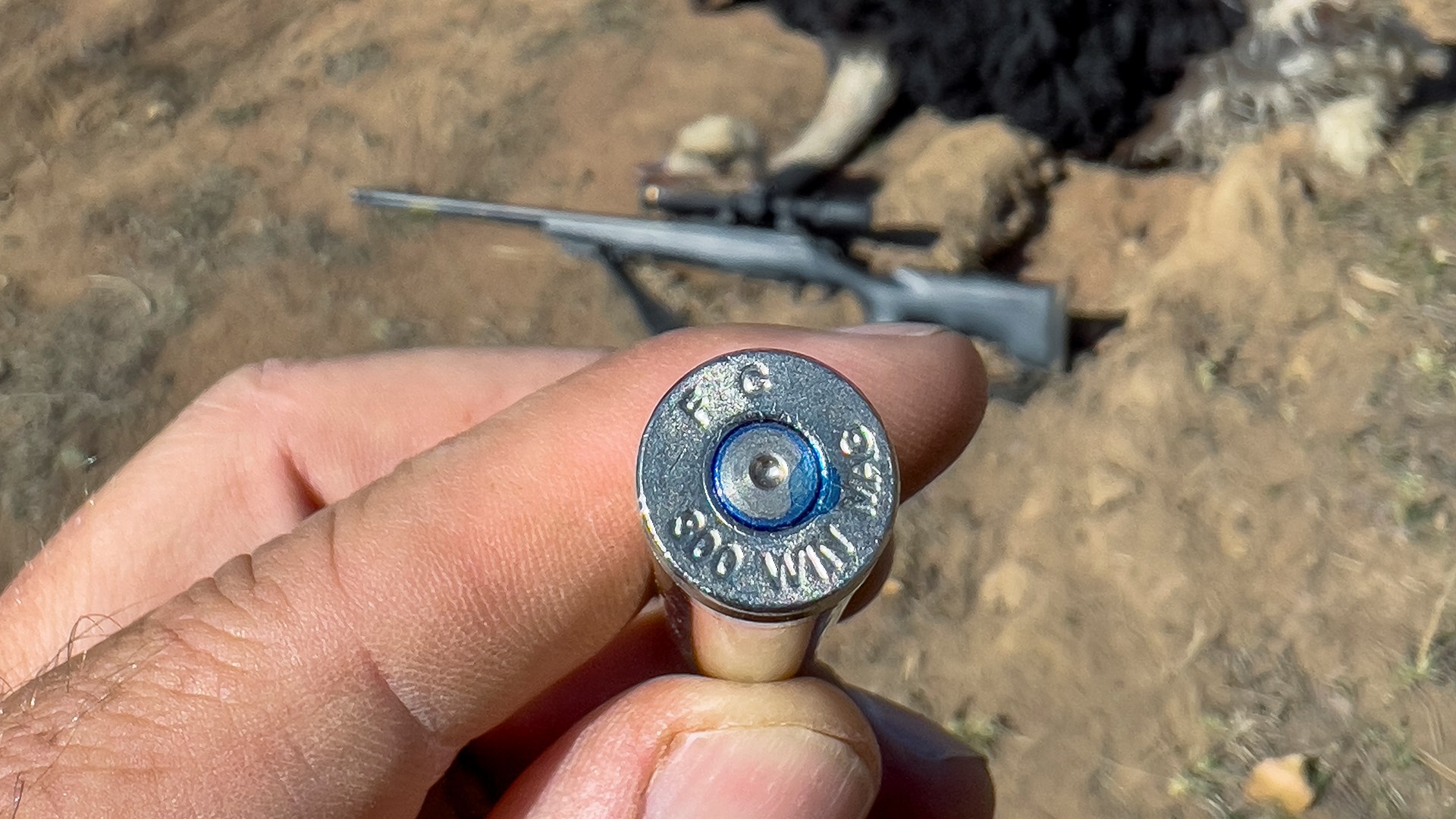 Throughout the safari the author fired Federal Premium 200-grain Terminal Ascents from his .300 Win. Mag.
Day 2, Animal No. 4: Ostrich
- Type: Bird
- Family: Struthionidae (ratites,
flightless birds) - Genus: Struthio
- Species: Struthio camelus
- Weight: 200-300 pounds
I was bitten by a Lonestar tick at some point in my life and contracted alpha-gal syndrome, a vicious allergy to carbohydrates concentrated within the fat of mammals. When the option to hunt and harvest ostrich came about, I couldn’t say no. Plus it’s something I can eat, as I’m basically stricken to only feathers and fins. Having raised chickens most of my life and having hunted birds only with scatterguns, I thought this hunt could get interesting. I knew the last thing we wanted was a wounded and angry 300-pound bird!
As we made our way to one particular pasture, Peter instructed me on shot placement: quartered away and tucked up behind the wing. I repeated it in my head over and over. Next thing, there he was, a bird that towered over me, likely approaching the 9-foot mark! We snuck into position relatively quickly and quietly, closing the distance to about 30 yards. I steadied the CIMA CF, backed out the scope and touched off my round, instantly folding the ostrich in the quickest bird harvest of the century.
Day 2, Animal No. 5: Zebra
- Type: Equid (horse family)
- Family: Equidae
- Genus: Equus
- Species: Equus quagga
- Weight: 400-900 pounds
After the morning’s blesbok hunt, Peter and I wiped our lenses and switched focus to zebra. These critters gave me an absolute runaround—it was a hunt, to say the least! Day one, I made a few stalks and failed. Morning of day two, more failed stalks, and now a flighty herd of zebra were stuck to the shadows, likely for the remainder of my time here. So, the experts phoned a few partners and we loaded the Toyota and drove 45 minutes to another spot.
This spot was loaded! I played cat and mouse for a few hours in the morning with a group of five or so. This time we were up against nearly 100 of them. Peter and I scurried across a clear-cut then positioned ourselves at an “L” along the tree line.
I mentioned to Peter I thought I’d seen several zebra just over the hill to the west as we unloaded, and he replied, pointing, “You’re right, they’re coming over the hill now!” I spun around, positioned the Spartan Precision bipod and began visually dissecting the herd, awaiting guidance. Meanwhile, this large herd seemed spooked and on a dead blast straight at us.
“The big one there, see it. Take that one,” my PH instructed. I thought they all looked big. “Now that one, see the one with the thinner lines running next to the smaller one about middle of the pack.” I sure didn’t … .
At this point zebras were quartering closer, noticing our position and making angular changes across the clear-cut at about 80-100 yards away from us. “The last one, shoot the last one.” I was on it, but a big blur appeared—a darn stick was in my way. I kicked the tripod leg out to the side to drop lower, settled my nerve and squeezed.
Zzziiiinnnngg … . I think everyone heard that bullet ricochet into the sky. “You missed,” Peter shouted. “Shoot again.”
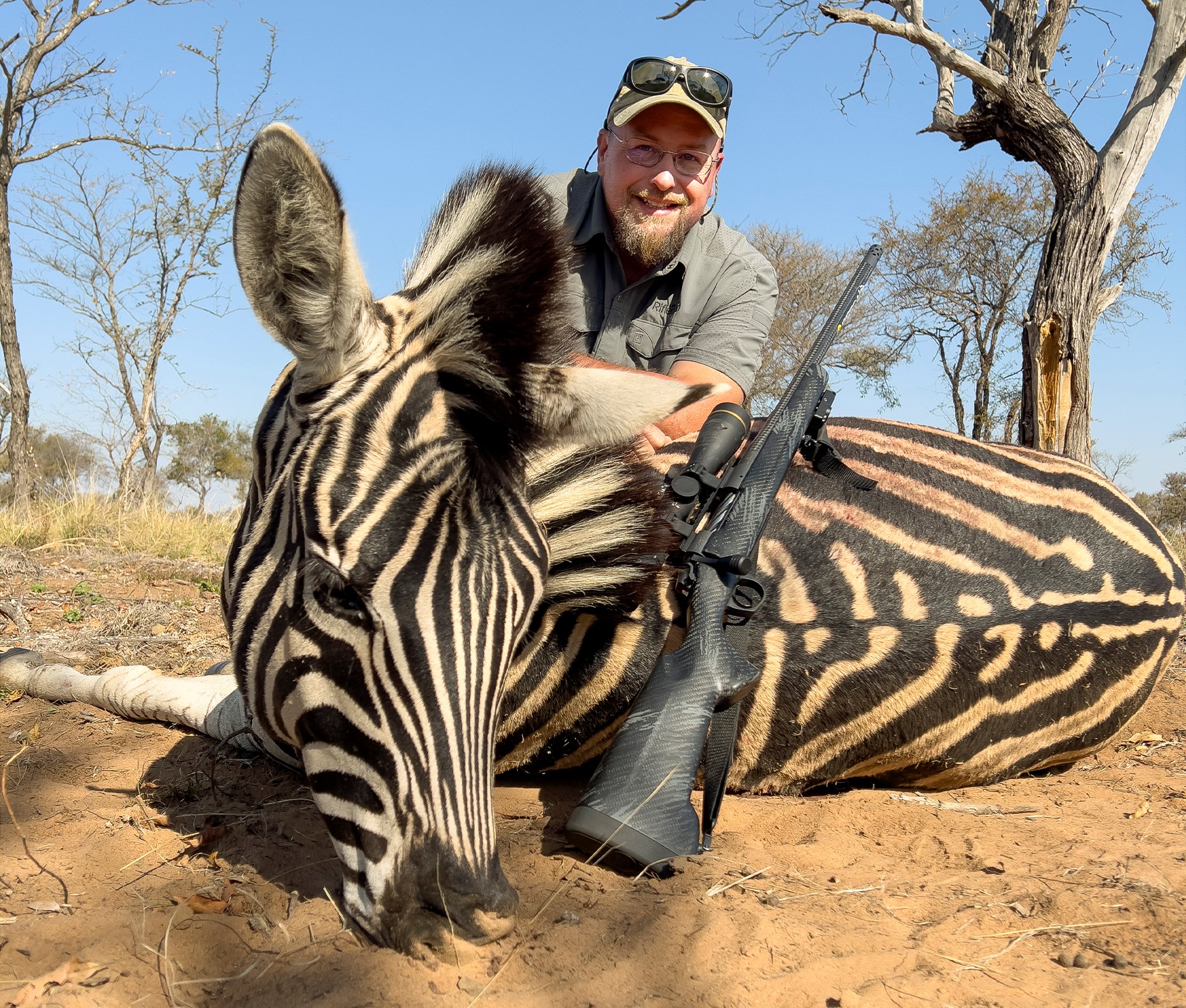
Thus began a bit of a goat rope. But an hour later, we approached the game for a finishing shot. Zebra are tough animals, but the CIMA CF rifle did its job, thanks in no small part to Federal’s lovely bullet.
Day 3, Animal No. 6: Bonus Impala
I took my best homegrown deer in 2024, an old 8-point stretching 150 inches, and I did so with a CVA muzzleloader from 12 yards away. It was a deer I’d known for many years and when he had a late-stage blowup in antler growth, I thought, This is it, now is the time.
A similar sensation wafted through me twice while hunting in Africa. It hit me first before downing my sable and again that same day on Mr. Mark’s land when I saw a huge impala. I had a shot, but given the 250 yards of brush between us the situation left too much to risk.
Well, on day three several of us motored into a large pasture interspersed with bushes, trees and rock outcroppings to find a mature group of impala with an old ram leading the way. I thought, That’s him. Egbert shouted, “Who else wanted a big impala?”
That was me, so I rose to the occasion and, after getting the precise range, drew my Leupold on the target 130 yards away then waited for perfection. This was my toughest shot of the week. While the distance wasn’t far, the shot angle was just awful. And he was on a beeline. I didn’t have time or cover to risk a new position, so I settled myself, trusted my equipment and sent that bullet just forward of my point of aim about half an inch. The bullet ran right through the brisket, and my big trophy impala went down instantly without a flinch.