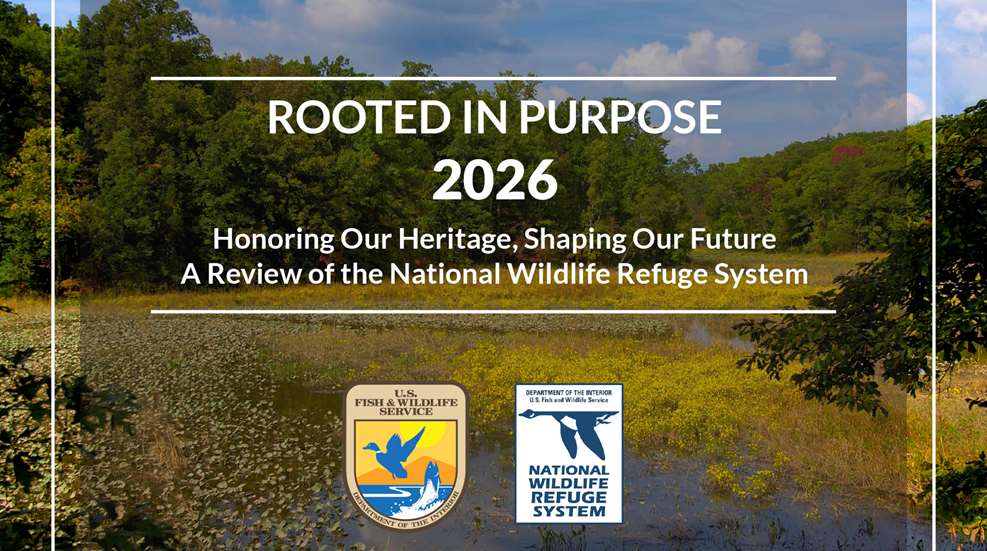
The U.S. Fish and Wildlife Service published “Rooted in Purpose 2026” on Nov. 6, a review that identifies changes in the policies, organization and spending that can improve the National Wildlife Refuge System’s ability to better fulfill its mission and serve the public—including hunters. The 20-page document [PDF] was quickly lauded by conservation organizations.
“Rooted in Purpose presents 29 recommendations to put resources closer to the work, protect active habitat management tools, improve infrastructure and strengthen partnerships with states, tribes, private landowners, hunting and conservation groups and local communities,” wrote U.S. Fish and Wildlife Service Director Bill Nesvik. “Importantly, it also identifies changes to support hunting, fishing and other wildlife-dependent recreation and builds on our recent efforts to open all refuge lands to hunting and fishing where those uses are compatible with the refuge purpose.”
The major review was conducted from Dec. 16, 2025, to May 15, 2026. It included on-site visits to 41 refuges, along with four regional offices, internal and external surveys, interviews with former staff members and more.
Key findings include the need to strengthen hunting and fishing access. The study recommends designation of “…field-based, collateral-duty regional hunting and fishing coordinators, and a national sportsman’s access coordinator, integrated into regional and national leadership teams, to strengthen consistent access decisions, support high-quality hunting and fishing opportunities and identify opportunities for expansion.”
“We appreciate the Service recognizing that all Refuge staff should clearly understand the critical role that hunting and fishing play in both the creation of and the continued implementation of the Refuge system mission,” said Mary Webster, president of the Boone and Crockett Club. “Hunters dollars supported acquisition of millions of acres of the refuge system, and hunters are strong advocates and partners for wildlife conservation. We look forward to working with the service as they implement the findings of this review.”
Among the other recommendations were bringing each refuge’s conservation plan up to date, working with stakeholders, conservation group and landowners, and refocusing on the system’s mission by redirecting “… all discretionary program funding to activities that directly support the conservation mission.”
“The USFWS refuge system has been an important part of the conservation successes in North America,” said Corey Mason, Wild Sheep Foundation chief operating officer and executive vice president of conservation. “We applaud Secretary Burgum and Director Nesvik’s efforts to refocus the refuge system on the field work necessary to ensure quality habitat for wildlife and opportunity for Americans to benefit from that work and access these unique places.”