Lever guns. Americans absolutely love ‘em and make no bones about it. But when it comes to the chosen cartridges for a lever gun, the arguments aren’t far behind. Some are traditionalists, wanting only those classic, proven cartridges associated with the levers, like the .30-30 Winchester, .32 Winchester Special, and .45-70 Government. Others appreciate the conveniences of those cartridges which can be housed in the alternative lever guns like the Savage 99, Winchester 1895 and Browning BLR, such as the .308 Winchester, .30-06 Springfield and even the 7mm Remington Magnum.
There is a wide array of rimmed cartridges associated with the classic lever guns, yet oddly enough, a rimless design produced for use in an autoloading rifle became one of our most beloved lever gun cartridges: the .35 Remington. It’s probably the most popular of the .35-caliber cartridges, and that’s in no small part due to the multitude of Marlin lever guns so chambered. Fast forward a bit over a century later, and Remington would release a revised .30-30 case necked up to hold .358-inch diameter bullets, under the name 360 Buckhammer. Straight-walled, purpose-built to adhere to the laws of several Midwestern states, the Buckhammer had the audacity to fly in the face of tradition. But does the new design have the goods—or the demand—to challenge the elder cartridge? Let’s put these two in the spotlight to see if old holds up against new, or if modern engineering will show the flaws of the elder design.
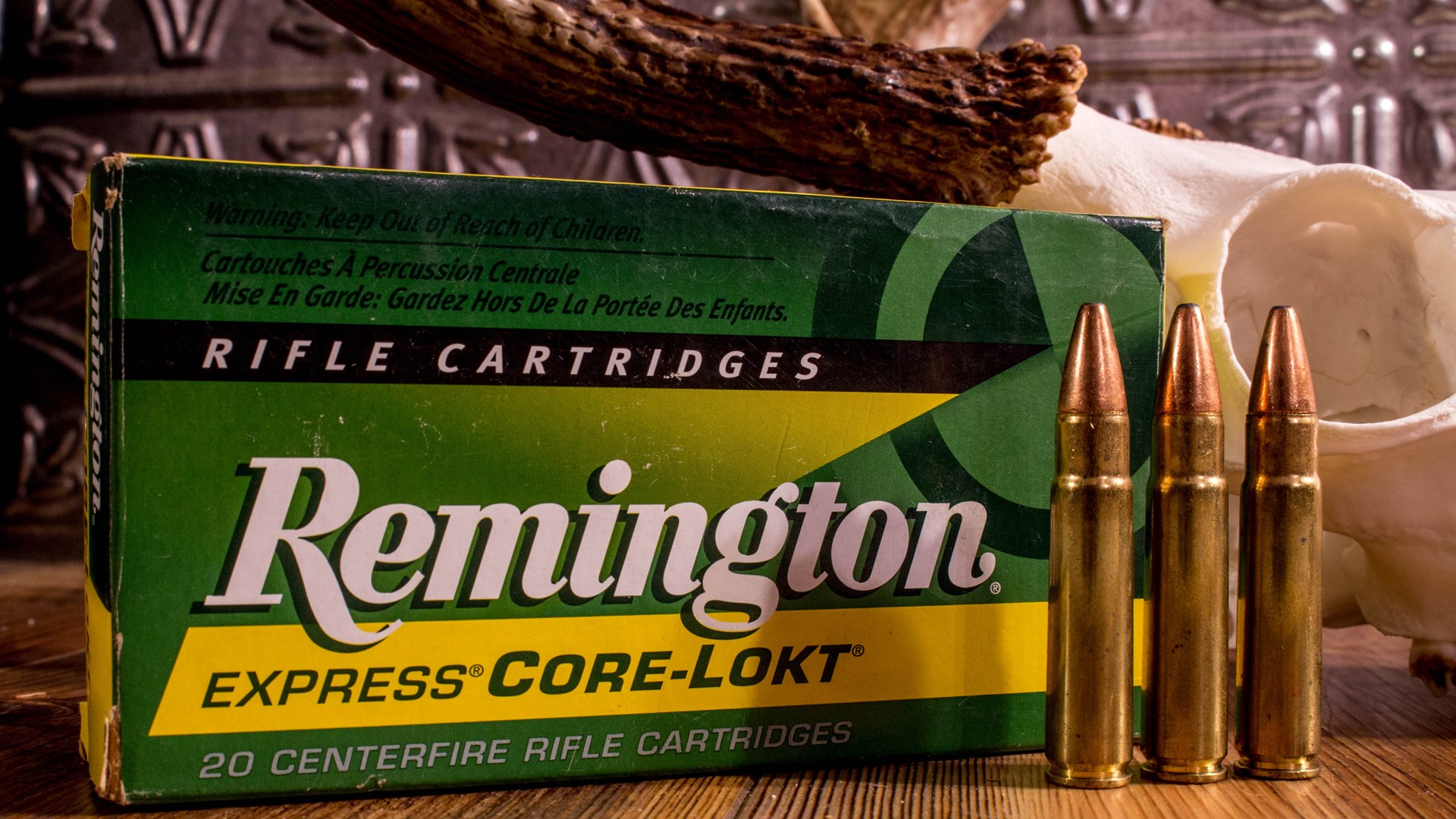
The .35 Remington is closely associated with lever-action rifles, but it was released in 1906 as one of a quartet of rimless cartridges designed for the autoloading rifle which would come to be known as the Model 8. While the .35 Remington is highly familiar in the shooting community, the .25 Remington, .30 Remington and .32 Remington have faded to near non-existence. The design for this family is unique, using a .460-inch rim diameter and a case length of 1.920 inches. Being rimless, the shoulder—which measures 23 degrees, 25 minutes—handles the headspace duties. The neck of the .35 Remington comes in at just a hair under the desired one-caliber in length, giving good neck tension, though due to the tubular magazines on many of the lever guns, you’ll see a healthy crimp on most of the ammunition. Traditional loads would see a 200-grain bullet at just under 2,100 fps, making a low-recoiling load perfect for the woods hunter. It is that combination of bullet weight and low recoil that has made the .35 Remington so appealing over the decades.
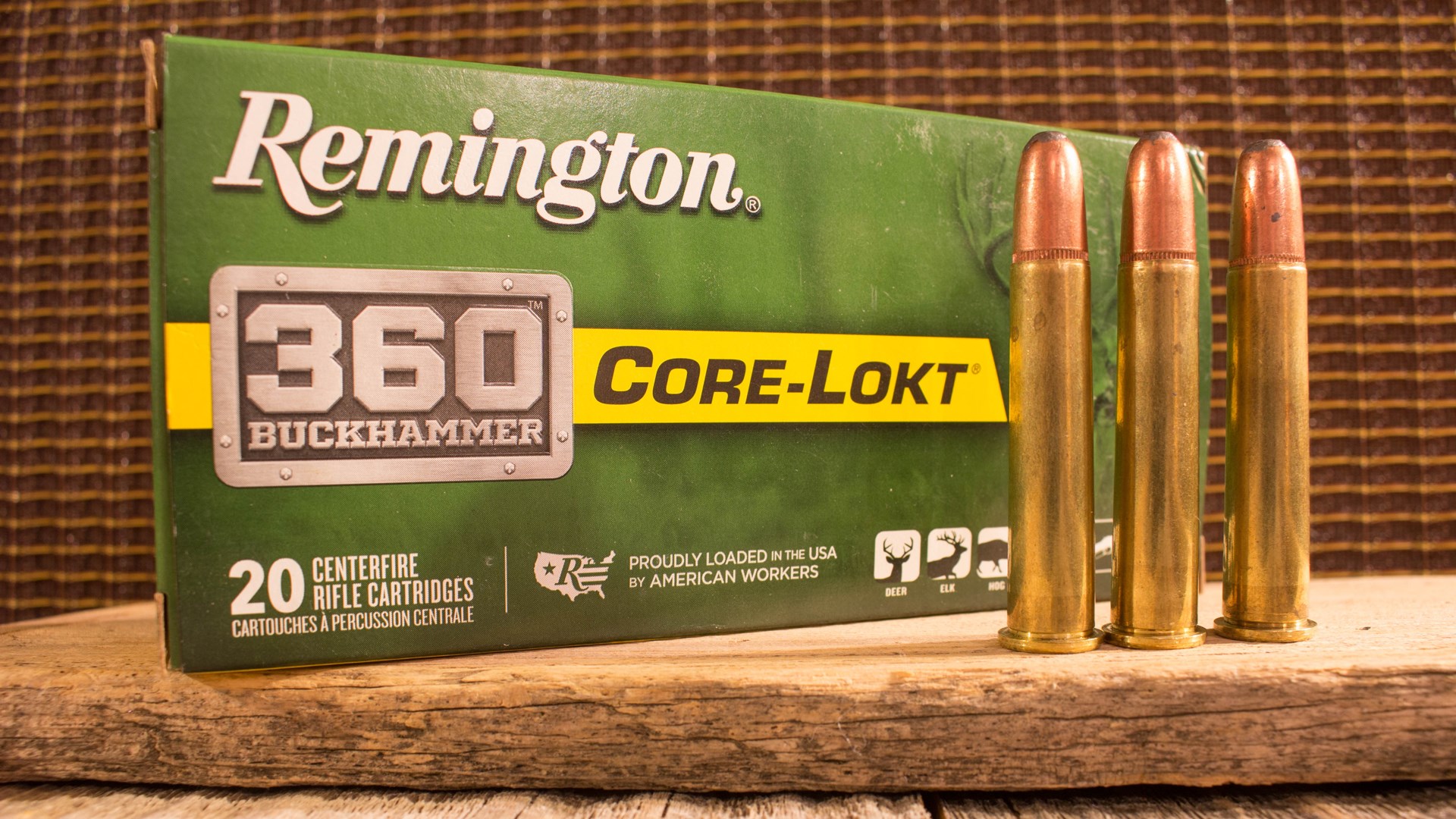
The 360 Buckhammer was introduced to the shooting world in 2023 at the SHOT Show in Las Vegas. Designed as an answer to the problems put forth by an amalgamation of laws of Midwestern states—many of which were limited to shotgun slugs or muzzleloaders for many years—Remington saw the opportunity to offer a cartridge of specific length, specific caliber, and of straight-walled design. The 360 Buckhammer is based on the classic .30-30 Winchester, with the bottleneck removed, shortened to 1.800 inches, with a maximum overall length of 2 ½ inches. The 360 Buckhammer offers a velocity advantage over the .35 Remington, in that the 180-grain bullets leave the muzzle at 2,400 fps, and the 200-grain bullets are moving at 2,200 fps. The fall after its release, I had the opportunity to test the new cartridge in a Rossi rifle out at Ted Nugent’s Sunrize Acres, cleanly taking a Texas Dall ram with a single shot. I also got to do some accuracy testing with the 360 Buckhammer Remington ammunition, in a Henry lever-action rifle, finding the cartridge to display surprising accuracy from that gun.

I believe this one will fall down to a sheer popularity contest, as the performance difference between these two excellent designs is minimal at best. Both fit snugly into a lever-action rifle with a tubular magazine, both have a similar muzzle velocity/energy value, and the recoil between the two is nearly indiscernible. The rimmed design of the 360 Buckhammer doesn’t pose any feeding issues in a lever gun equipped with a tubular magazine—the .30-30 Winchester has been feeding regularly since 1895—and the .35 Remington has certainly proven that point as well. So, if both function very well in those popular lever guns, and both drive the 180- and 200-grain bullets to a similar velocity, does the new 360 Buckhammer stand a chance?
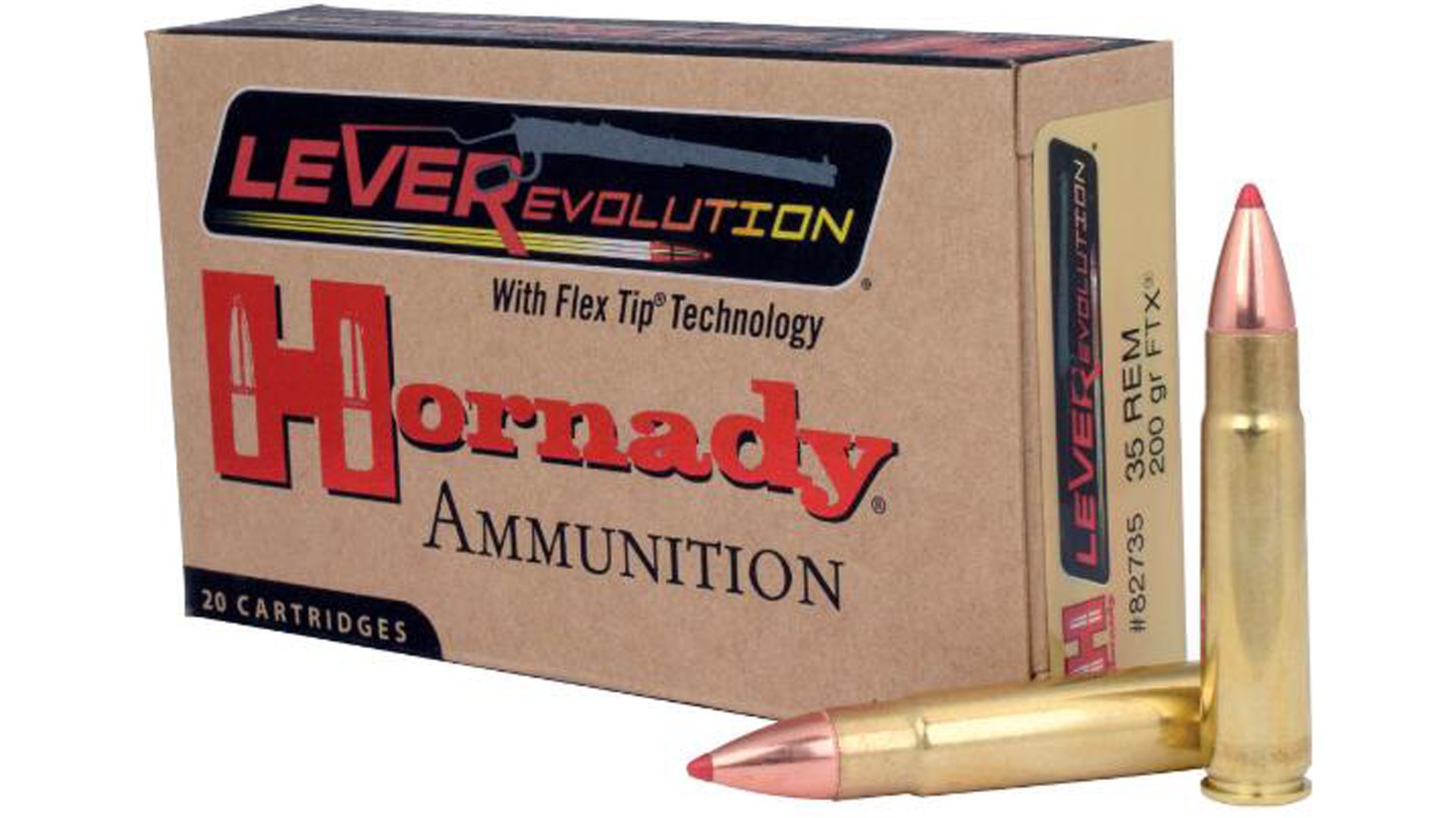
Looking at factory ammunition options, you'll see the older .35 Remington has options available from Remington, Federal, Winchester, Buffalo Bore and Hornady (in their LeveRevolution line), while the 360 Buckhammer has choices from Remington and Federal. The bullet weight ranges are virtually identical, from 150 to 230 grains in the .35 Remington, and from 160 to 220 grains in the Buckhammer. The latter includes a lead-free option in the Remington Copper line.
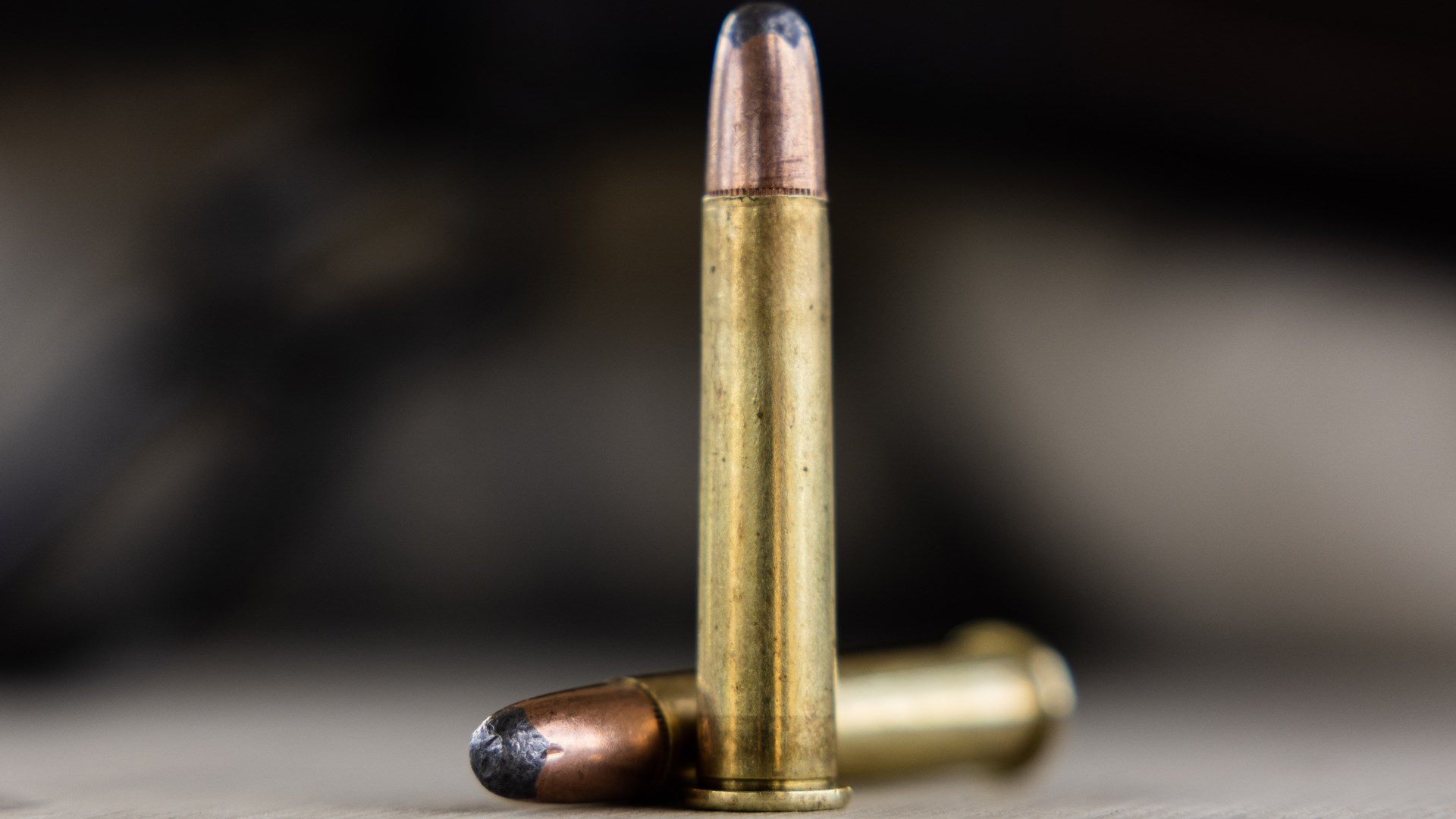
Here’s my personal take: the fact that the Buckhammer meets the criteria set forth by states like Ohio, Illinois, Iowa, Michigan and Indiana makes it a perfectly logical choice for hunting those areas. But, the enormous selection of rifles chambered for the .35 Remington, as well as the additional ammunition options make that the more sensible choice outside of those restricted areas.
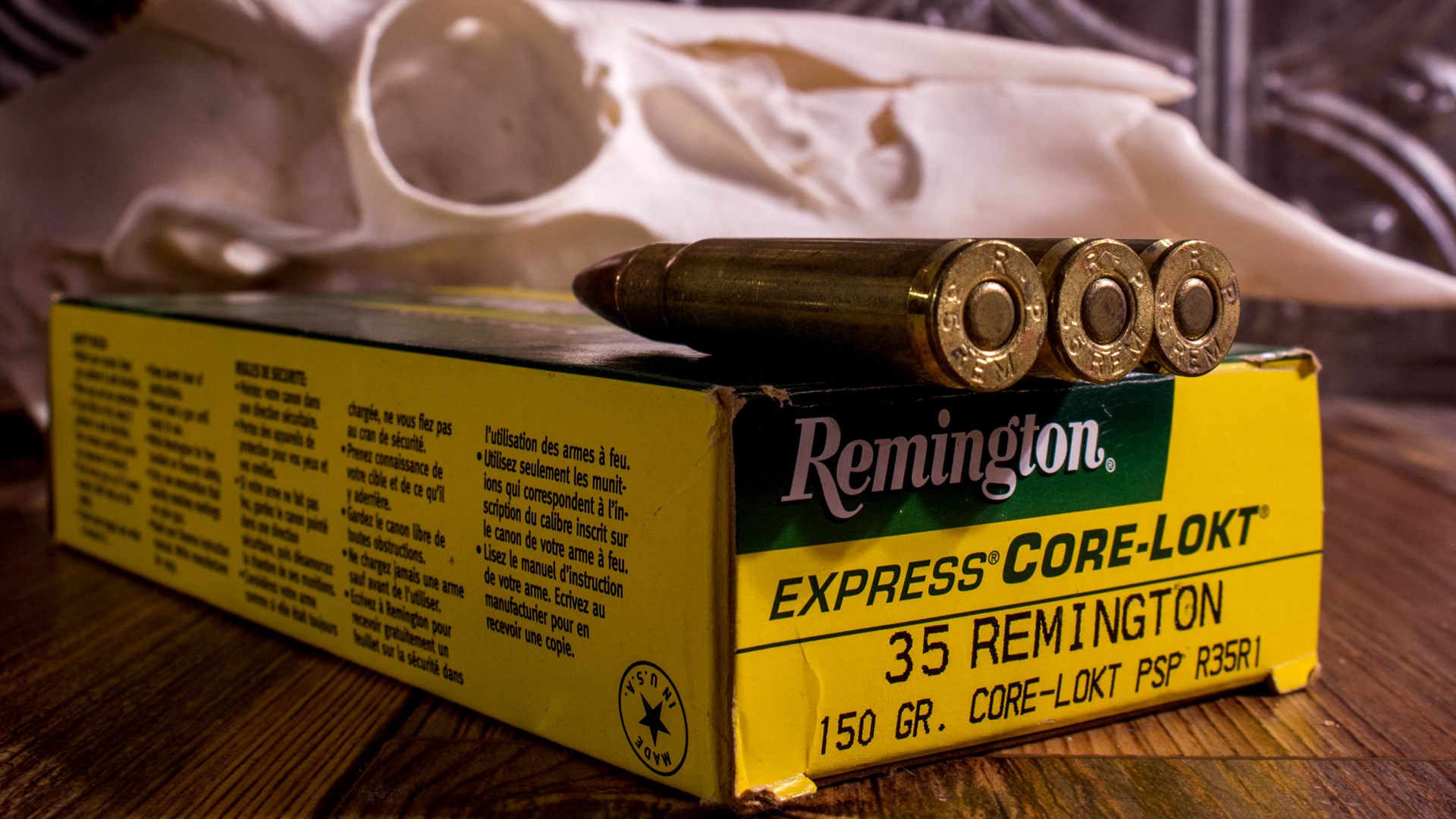
Would I tell a shooter who wanted something a little out-of-the-ordinary to avoid the 360 Buckhammer? Not in the least. The cartridge functions very well, but as of this writing, it has yet to gain the popularity and pedigree that the .35 Remington possesses. Therefore, I would have to pick the .35 Remington as the winner here, in spite of the fact that I highly doubt any game animal could possible tell the difference between these two cartridges.