To consistently kill mature bucks on a given property, a hunter is best served to know the animals’ habits there, including where individual bucks tend to dwell, what the deer eat and how they tend to move around. The best whitetail hunters understand how terrain features affect the wind currents there so they can set up ideal stand locations. Perhaps most importantly, the hunter needs to know if a desirable buck exists at all. This is what scouting is all about. Most of us know this. The hard part is actually putting boots on the ground in the preseason now that technology has lured us with its hands-off convenience.
In the East or anywhere the cover is dense enough to shroud the whitetails’ movements, thorough scouting takes time and effort. In the old days, great deer hunters would tirelessly scout for tracks, rubs and natural food sources. Once buck sign was found, they’d walk game trails to learn where the buck came from and where it ultimately went. They might even stretch a thread over the trail to get an indication of whether the buck carried tall antlers. With time in the woods, they’d eventually lay eyes on the buck and formulate a plan of attack based on its habits.
Certainly, for this kind of specific knowledge about a particular buck, trail-camera technology is a game changer due to its ability to: 1) collect intel with minimal disturbance; 2) see multiple places at once; and 3) spy on deer around the clock. As trail cams evolved with longer battery life and the ability to transmit data to a hunter sitting on his couch, there’s little wonder why the industry is worth millions. But some hunters may be putting too much stock in it.
The goal of this article is not to bash trail cameras, corn feeders or mapping apps—all of them are wonderful tools—but rather to opine that relying exclusively on such technology instead of using it to augment a hunter’s skills can actually be detrimental to success. I should know.
The Technology Trap
When I was younger I scouted religiously. For months before the season I’d walk entire properties, specifically looking for 3-inch tracks and rubs the thickness of a telephone pole. If I found either, I’d focus on the area until I found what I thought was the epicenter of the buck’s range. Then, in later years, I’d hang a trail cam to actually see the animal and get an idea of his general pattern. Sure, things would change toward the rut as new bucks entered the picture, but I generally always had a good idea of what was actually happening on the property.
Over the years with work and kids, however, I found myself relying on technology more and more. Why hunt way back in the woods when I can bring them to me with a corn feeder? Why hike the hills when I can hang trail cams? I justified my laziness by telling myself that walking the woods would just spook deer by spreading my scent. And besides, I reasoned, I already know the land. As more time passed, I began only hunting stands where I saw a buck show up on a trail cam. If no bucks were recorded, I figured I was wasting my time.
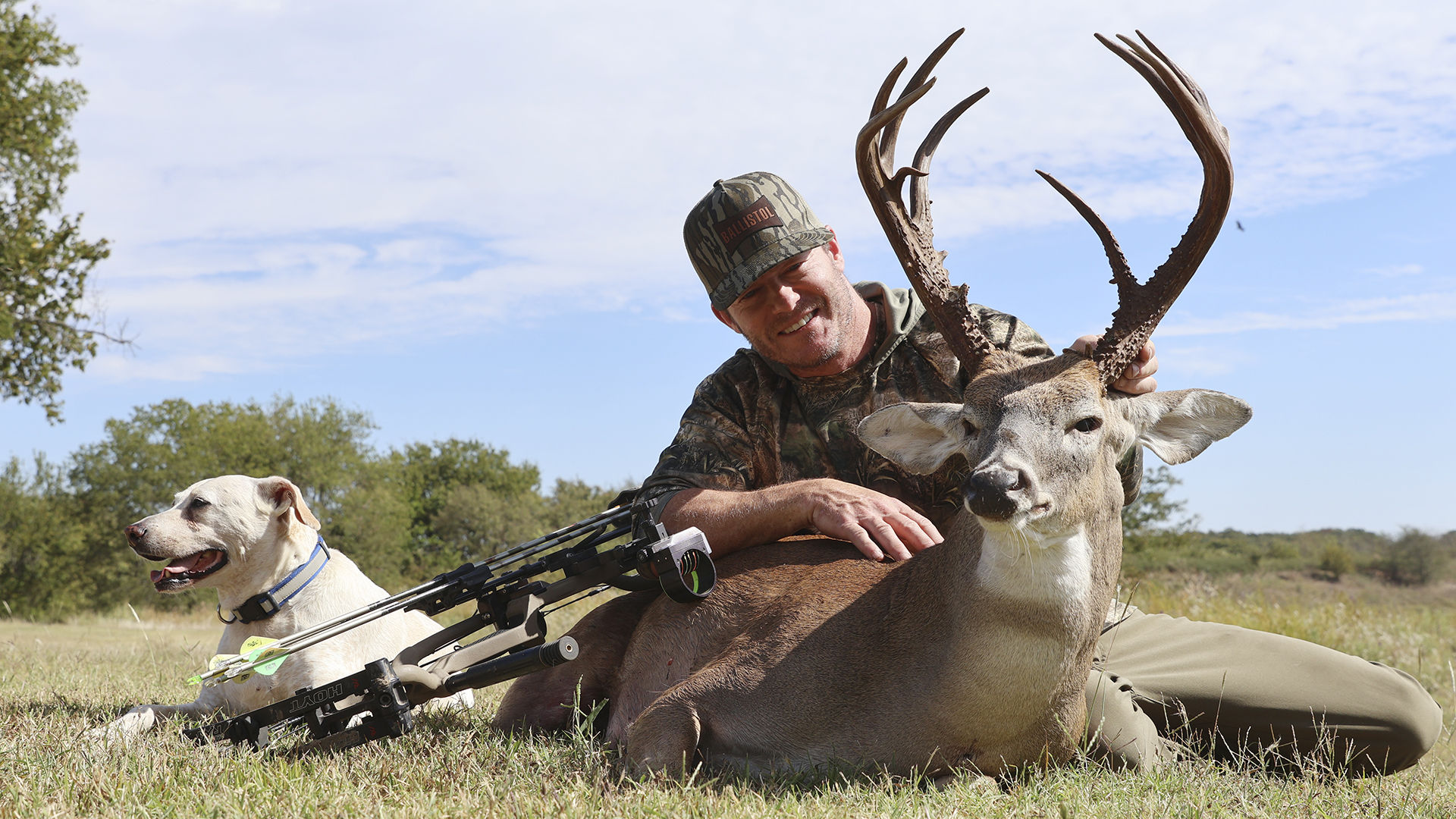
But after taking an honest evaluation of the last 30 years of serious whitetail hunting, I’ve come to realize that I’ve killed my best bucks in the years before I relied so heavily on technology. In essence, I knew the deer better back then.
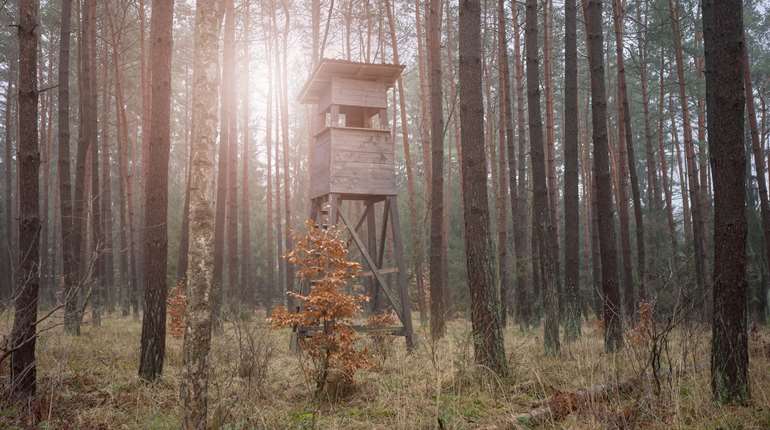
One recent example was highlighted last year, as I hunted one of my traditional stands in late October. The spot is a small meadow near a creek that’s surrounded by hardwoods on three sides. I have a corn feeder in the middle that’s routinely visited by does. One morning I faintly saw a big-bodied deer walk through the woods, stop 10 yards downwind of the meadow, circle around it then continue on. My gut told me it was a buck, so I returned the following morning. And the same thing happened. Clearly it was scent-checking the meadow for any does in estrus. The next morning was similar, except this time he poked his nose out of the brush just long enough for me to glimpse his gnarly rack. Although I’d had a trail cam running there for a month, I didn’t have a single picture of him despite him being 15 yards from it multiple times. Not once did he step out into the open to eat any corn, which told me he was eating acorns. At midday I hung a climbing stand in the woods and killed him a few days later. But had that buck been a few yards farther in the woods on that first morning so that I didn’t see him, I probably would’ve moved to another area, because I was depending totally on my trail cameras. That’s a flawed strategy.
Tech Limitations
Mapping apps are great for revealing a new field the neighbor cut and for gleaning general wind data, but they are no good at pinpointing what food the field is actually producing, nor for telling you how the east wind behaves after it hits the ridgetop above your stand—key info to know before setting up on opening morning.
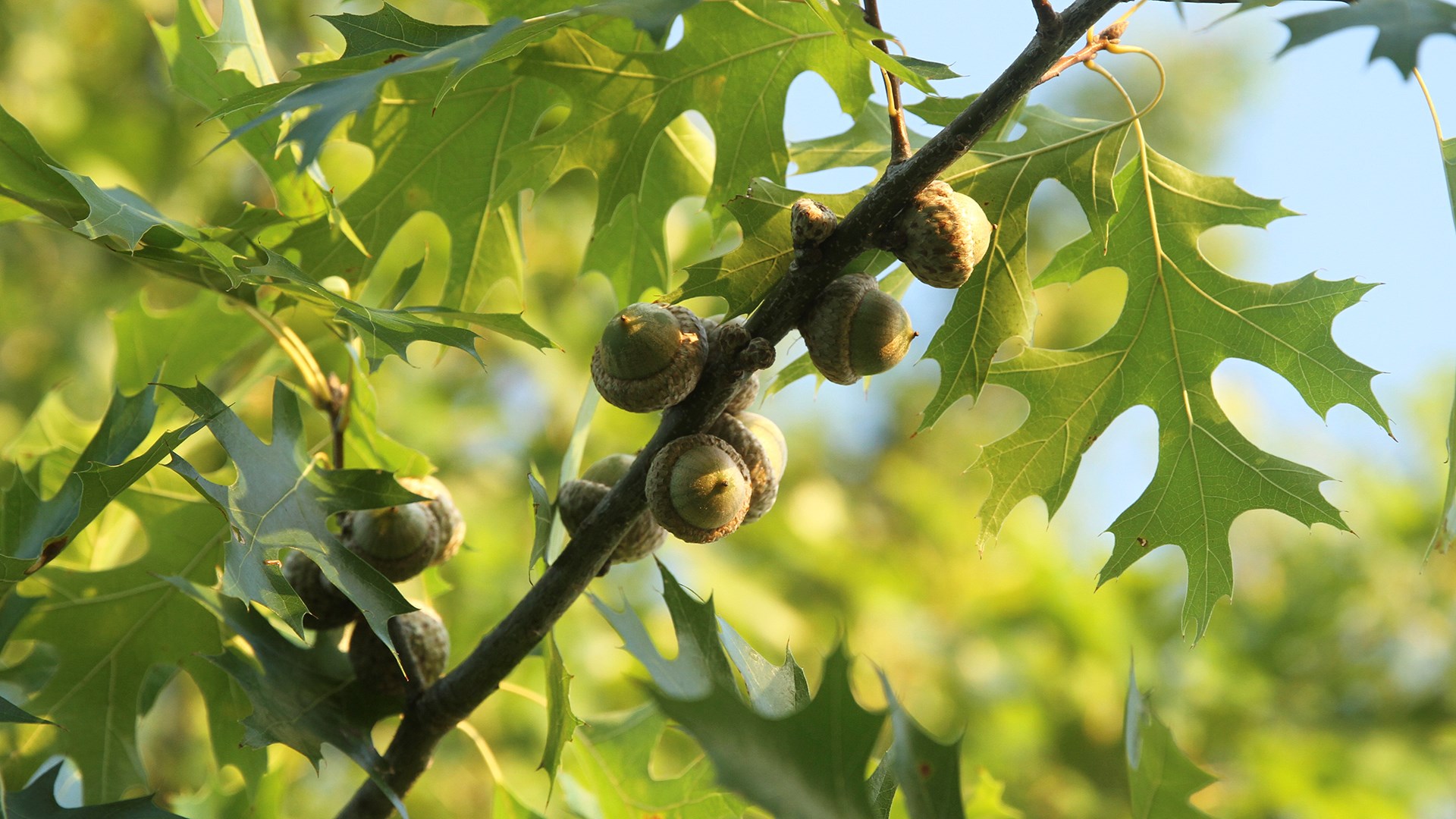
In most places in the whitetail’s eastern range, fresh acorns of white oaks are the whitetail’s staple. Sure, some crops like beans might taste better during the short window while they’re ripe, but plenty of wise whitetails may seldom venture to the food plot in shooting light if they’ve got acorns in the woods. So find individual trees that are producing great mast at the moment. Look for large numbers of squirrels and deer in one small area of hardwoods; If you do find a tree that’s dropping green acorns, bite one open and taste it. Most acorns are bitter even if they’re ripe, but if it tastes acceptable to your tongue, it’s delicious to a deer. Hunt near that tree until all the acorns are gone. Bucks will go out of their way to hit it. The same goes for chestnuts, persimmons and other trees that ripen during hunting season.
So, by all means, use technology to your advantage; it has helped millions of hunters like me find and kill bucks that we otherwise might have never known existed. Just be careful about depending on it to the point that your actual hunting skills slip.