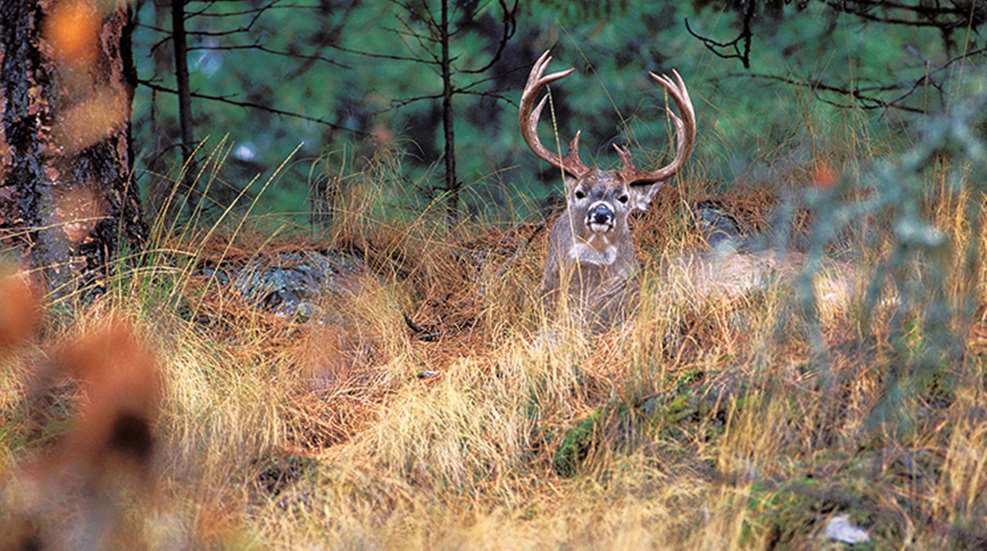
Do what we say here and you’ll see more mature bucks (and probably bust one) this fall. Just hope your buddies don’t read this column. The plan revolves around them sticking to their creature-of-habit ways. While they’re comfy hunting where they always have, you sneak into a neglected fringe and go for a big rack.
Where the Pressure Is
Missouri biologist Grant Woods uses GPS technology, fancy software and good old observation data (i.e., sitting in a treestand and counting deer) to produce “pressure maps” of various private properties in the Midwest and South. Without fail, his analysis shows that people over-hunt certain spots and ignore other places; for example, on one large test tract, Woods found that hunters spent 100 hours or more in five “hot zones” of approximately 100 to 200 acres each. The woods and thickets around those zones received only 10 to 20 hours of pressure. Some spots weren’t hunted at all. “I’m never surprised to hear that some of the oldest bucks are shot in or near those lightly hunted areas,” says Woods.
Where Others Hunt
The hot zones are basically the same, whether you hunt 100 or 1,000 acres of private or public land. Hunters gravitate to crops, food plots, oak ridges and creek bottoms first. They’ll also hit clear-cuts, power lines and similar openings if they’re accessible. Woods’ research shows that most people hunt within a quarter-mile or so of a logging road or ATV trail. These hunters generally see and shoot a good number of deer, so they keep going back every season. The pressure intensifies in the zones year after year.
Where You Should Go
Woods calls the lightly pressured fringes of the hot zones “de facto sanctuaries,” and he notes that mature bucks find them quickly and use them a lot, especially when the guns start booming in November or December. They are the places you ought to scout right now.
Think back to the fields and ridges where everybody, including you, hunted last season. Use an aerial or digital map and go walk the perimeters of those zones, circling a quarter-mile to 1 or even 2 miles out. Look for thickets, steep hillsides, deep draws, little swamps—out-of-the way spots where old boys might hide. The key to hunting one of these places is hidden, quiet access with a favorable wind, so you won’t blow out the bucks. Check your maps and scout further to pin down a good route in and out.
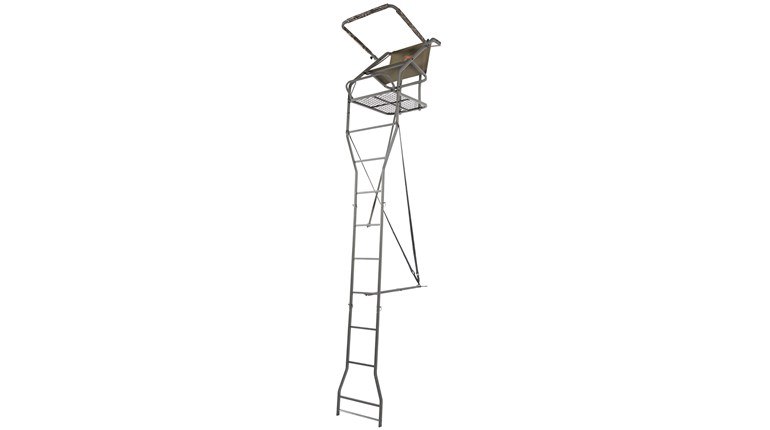
Here’s the cool kicker: Woods says to go out and fertilize some honeysuckle, blackberry or other native browse in your secret spot. Or find a strip of flat ground that will get some sun and rain. Clear it with a leaf blower and/or a rake, and plant a patch of wheat or clover. Hang a stand nearby where the predominant wind will be right most days this fall. When Mr. Big steps out of hiding for a snack, shoot straight.