“Birds survived well into the breeding season due to a mild winter across most of the state,” said Bryan O’Connor, upland game program manager for the Nebraska Game and Parks Commission. “Timely rains in central and eastern Nebraska have maintained quality habitat, while western Nebraska has been affected by drought. It should be an excellent fall to experience upland bird hunting in Nebraska, with opportunities for hunters of all ages across the state.”
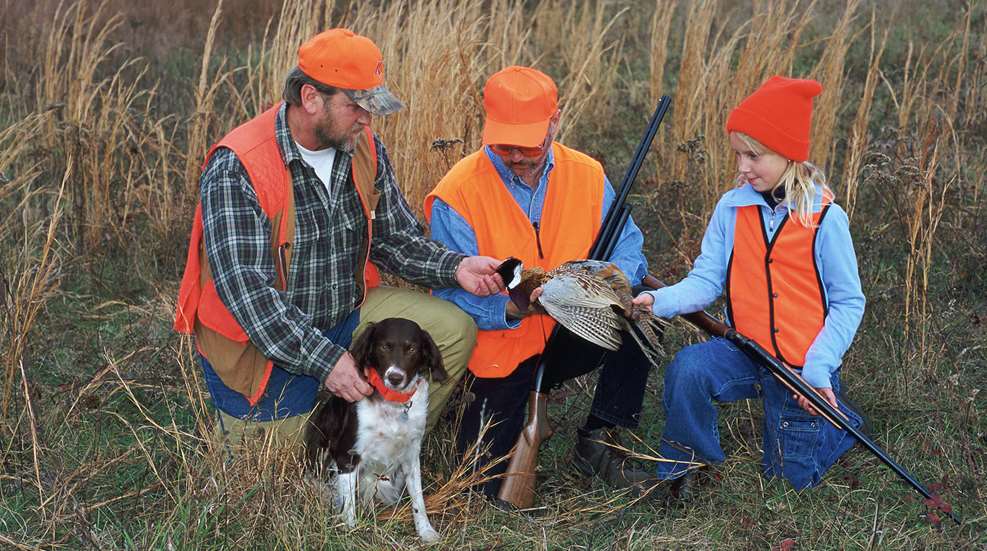
This year is the 100th year of pheasant hunting in Nebraska and the birds have arrived in force to make the celebration extra special. State officials announced this month that pheasant counts increased 36 percent during the summer compared to 2025. This year’s results were above five- and 10-year averages.
Meanwhile the Texas Parks and Wildlife Department issued a press release that began with this warning: “This is not the year to sit it out. Elevated rainfall in Texas has been a boon for doves. This is the third year in a row for record or near-record highs in their numbers, including the highest estimates ever for white-winged doves. This is not a season to sit out.”
Only a handful of other departments have published bird counts. Those that have were relatively reserved in projections, although conditions in The Lone Star State and The Cornhusker State indicate hunters nearby could experience similar conditions.
Texas’ announcement mentioned only doves. Nebraska’s numbers included bobwhite quail. A mild winter in most of their range in The Cornhusker State resulted in more birds entering the summer breeding season. Survey results reflected an increase compared to 2025 and the figures came in above both the five- and 10-year averages.
In addition, sharp-tailed grouse and greater prairie-chickens overwintered well in Nebraska’s southwest and eastern Sandhills and Loess Hills. Observations this spring indicate their numbers are higher than in 2025.
There is some bad news, however. Drought has reduced hunting cover in Nebraska’s western Sandhills and Panhandle, where the number of birds hunters encounter may not be as high.
Nearly ideal conditions in Texas and Nebraska do not necessarily reflect those nationwide or even neighboring states, however. Readers are encouraged to maximize their chances of success by checking their state’s department of natural resources website for detailed regional information.