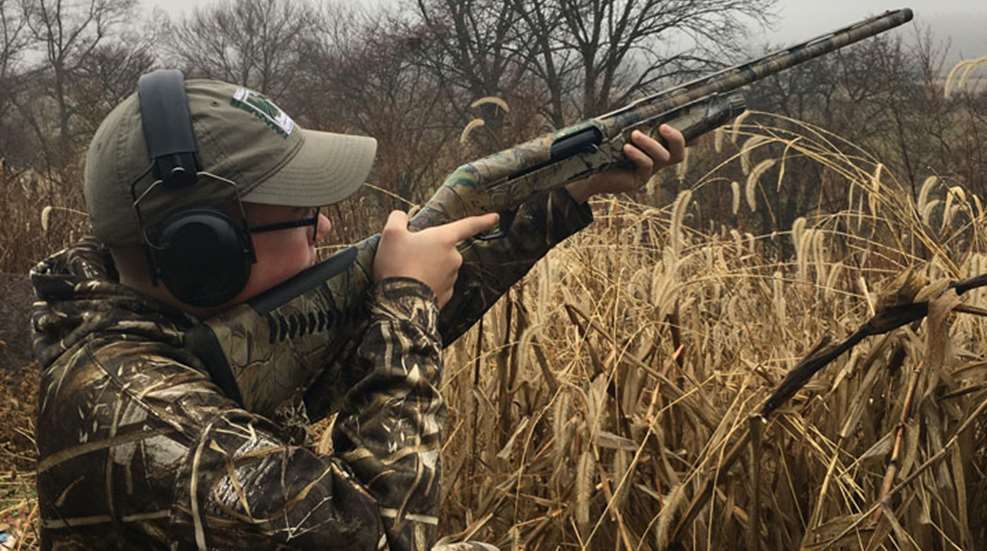
For many hunters, opening day of dove season is akin to the firing of a starter pistol at a race. Often celebrated alongside longtime friends and family members, the event ushers in the much-anticipated fall hunting seasons. Sadly though, that jubilation quickly dwindles. As time passes and other more-desirable species become legal to hunt, America’s most-pursued gamebird fades into obscurity until the subsequent September. That’s a shame—dove season is lengthy, and bag limits remain liberal throughout it.
Despite a sizable portion of the dove population migrating south—even south of the border—fairly early in the fall, late travelers and resident birds can be found during the entire season—especially in the Deep South. Better yet, these last-minute wanderers and homebodies are generally unpressured, as most hunters have long abandoned them to chase other species. For the impassioned wingshooter, that’s great news. That being said, hunting doves during the late season requires some refinements of your tools and tactics, which are detailed below.
Season, Hours and Clothing
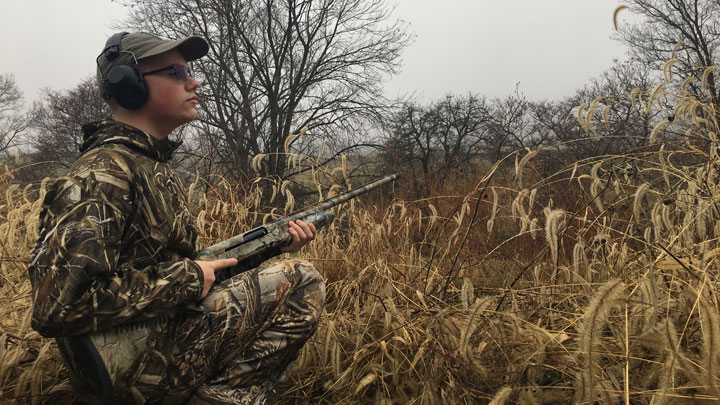
If your state is like mine (Virginia), dove season is composed of multiple segments (with slight variations in hours), and some will coincide with big-game hunts requiring the wearing of blaze-colored clothing. Virginia makes an exception to the wearing of blaze-colored clothing for waterfowl and dove hunters, however double-check your state’s rules concerning lawful dates, times and clothing requirements before partaking in a late-season dove hunt. Additionally, make sure you’re dressed appropriately to face late-season conditions.
Choosing a Location
In the early season, dove hunting often occurs near standing or recently harvested crop fields, where an abundance of waste grain attracts large numbers of birds. As foodstuff diminishes, however, doves might need to go elsewhere. Remember, doves are wide-ranging foragers, and weed seeds constitute a large portion of their diet, so they can be found in some out-of-the-way, non-traditional places. According to the Wisconsin Department of Natural Resources, “Doves move an average of two to eight miles for food.” The best way to find them during the late season is via pre-hunt, in-the-field scouting. I also study satellite imagery of the area.
Look for travel routes, specific roosting sites (trees, powerlines, etc.), open water sources—especially as freeze-up occurs—and grit-gathering locations. A quality pair of binos are immensely helpful in observing bird movement. Some of their preferred places and habits will have changed since the September opener, others won’t. Adapt as needed.
Decoys: To Use or Not
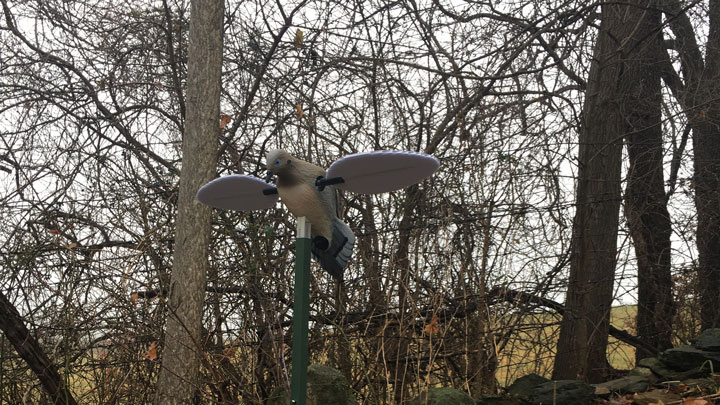
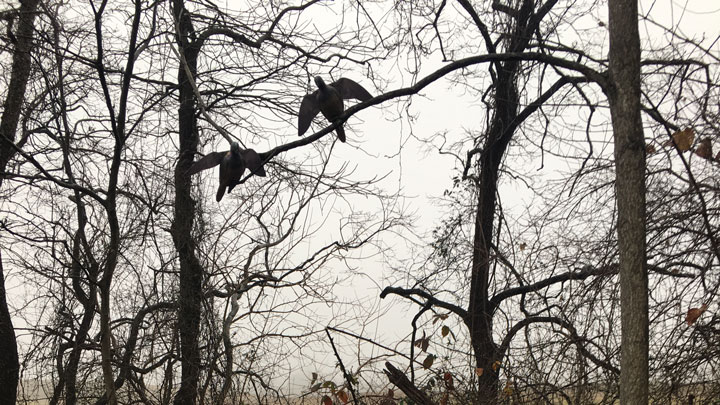
The use of dove decoys during the late season is situational to the location and birds. Spinning-wing decoys are particularly effective in September, when uneducated (and often young) birds bypass your hide; as the season progresses, however, they canbecome counterproductive in hard-hunted locales. This is no different from waterfowl.
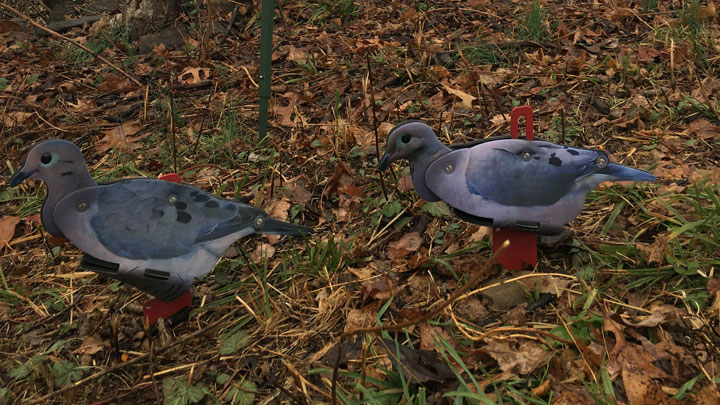
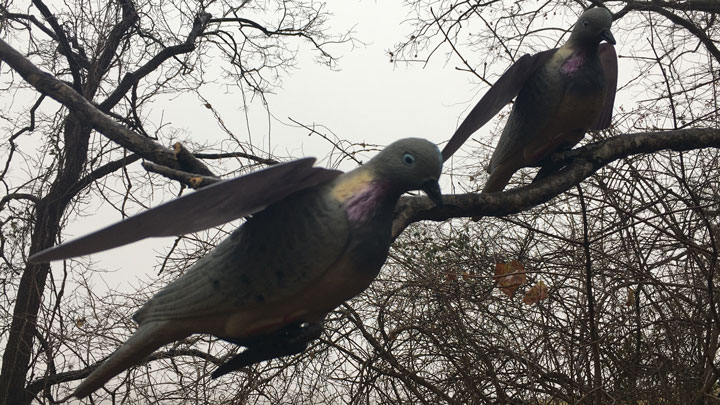
Unless the area you’re hunting is a known dove-hunting hotspot, I’d recommend trying decoys initially. If you find them consistently flying wide of your location, consider losing the spinner, downsizing the spread or foregoing the decoys altogether and sitting by a preferred perching site or an identified travel route.
Selecting Shells
It doesn’t take long for harassed doves to associate danger with humans and instinctually put extra distance between themselves and camo-clad hunters; in fact, I’ve seen it occur within the first few days of the season. The opening-day (and segment) onslaught, however, is frequently followed by non-pursuit, so doves will eventually abandon some caution. Still, I prefer to exchange my September shells for something with more oomph. Why? Physiological changes. Like other cold-weather birds, doves add weight and feathers in preparation for the looming cold weather; with extra material(s) to penetrate, it makes sense to have extra penetration potential on tap.
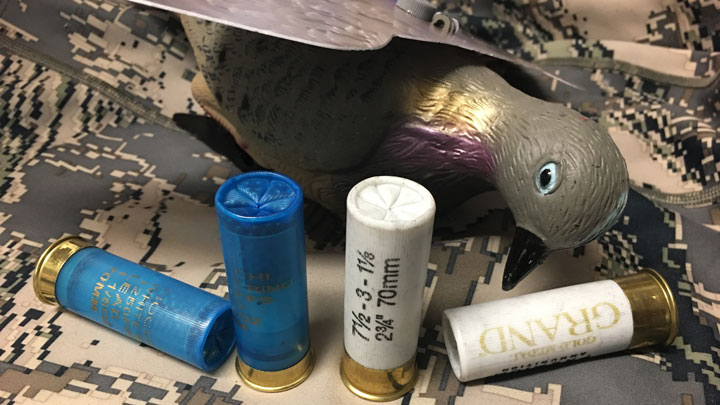
I’d recommend waiving the accepted, moderate-velocity, 1-ounce load of No. 8s for late-season doves; instead, opt for 1 to 1⅛ ounces of No. 7½ shot at 1250 to 1300 fps. This’ll provide all the reach and terminal ballistics needed for the furthest ethical shots on winterized doves. Moreover, ensure the loads you’re using feature high-antimony “magnum” lead shot (where legal). Forget the economical “promo” loads—those use low-antimony shot, which become overly misshapen and degrade patterns, decreasing range and reducing penetration. Premium shotshells beget superior performance, and the extra per-box cost will be forgotten as the birds are conveniently brought to bag. My personal favorite late-season dove loads in 12-gauge are: Fiocchi Exacta 1-ounce Crusher at 1300 fps; Fiocchi Exacta 1⅛-ounce White Rino at 1250 fps; and Federal Gold Medal Grand 1⅛-ounce at 1200 fps. My choice in 20-gauge is Winchester AA ⅞-ounce Super Sport Sporting Clays at 1300 fps. High-performance, non-lead options can be found in Federal’s Upland Steel series.
Keep in Practice
Maintaining your skill as a wingshooter requires frequent, authentic practice. A round or two of skeet or hand-thrown clays on the back forty will help refamiliarize you with your scattergun, however to be truly prepared for flighty, wide-swinging doves, you’ll need the type of practice that’s only possible (safely) on a thoughtfully designed sporting-clays course. Forget the springing teal and running rabbit stations; focus on distant, paralleling crossers, as well as those angling toward and away from you. This’ll help you learn the proper leads necessary to intercept doves at a variety of distances, angles and speeds. As long as they’re acceptable for use on the course, use the exact loads you’ll be hunting with and wear the same coat you’ll take afield.
Dove hunting is tremendous fun. Don’t let that pleasure end with the September opener.
Want to read more from Aaron Carter? Check out the following articles:
• An Ode to the .325 WSM
• Tips and Tactics for Hunting Diver Ducks
• Tested: Excalibur Micro Axe 340 Crossbow
• Top 5 Buckshot Loads
• Tested: Federal Upland Steel Loads
• 7 Ways to Prep for Waterfowl Season
• The Pros and Cons of Hunt Clubs
• Tested: Nosler Model 48 NCH
• An Ode to the .17 Mach 2
• Top 5 Upland Loads
• An Ode to the 16-Gauge Shotgun
• Tested: CCI Clean-22 Ammo
• Top 6 Sub-Gauge Turkey Loads
• Tips for a Successful DIY Pronghorn Hunt
• Top 5 Calibers for a Youth Deer Rifle
• Tips for Buying a High-Quality Used Bow
• Top 6 .17 HMR Hunting Loads
• Review: Nosler Model 48 Long-Range Carbon Rifle
• Top 6 .22 WMR Hunting Loads
• Turkey Guns: 5 Tips for Extending Your Effective Range
• Top 6 Subsonic .22 LR Loads for Small-Game Hunting
• Top 7 Deer Bullets for the .308 Win.
• How to Choose the Perfect Powder for Your Muzzleloader
• Field Test: Excalibur Micro Suppressor Crossbow Package
• Crossbow Bolts 101
• 7 Top-Tier Hunting Bullets for the .243 Win.
• Review: Federal Premium Black Cloud FS Steel with FliteControl Flex
• 5 Steps to a Successful Spring Turkey Season
• Unconventional Hunting Hotspots
• How to Choose the Perfect Crossbow
• A Quick Fix: The Last-Minute Duck Boat