A black bear is a great source of protein that our forefathers depended on for food, cooking lard and fur. Black bears enjoy widespread distribution across North America and are highly valued by hunters in many regions.
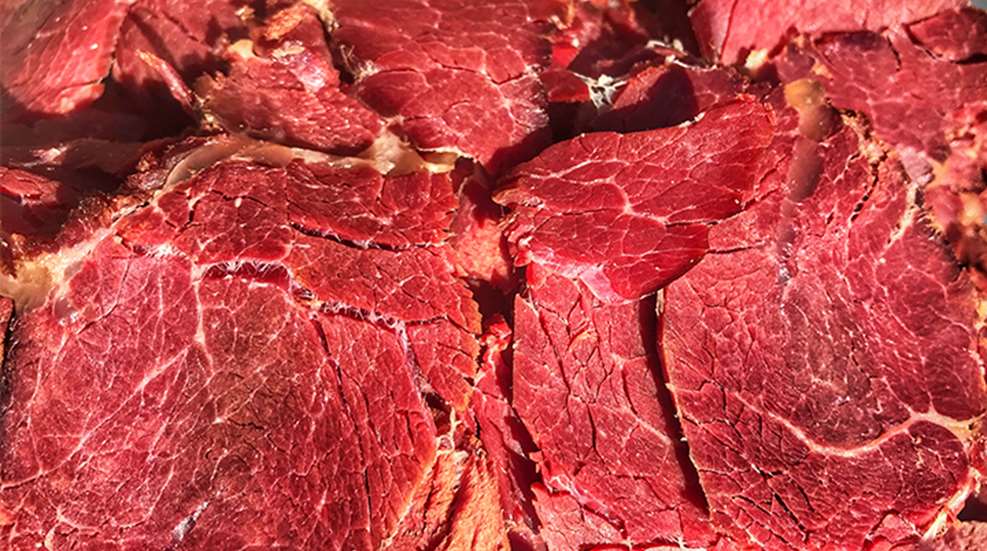
Corning meat to flavor and preserve cherished protein is a method steeped in tradition, and it is a great way to turn a tough cut into a tender meal. Corned beef at your local supermarket is usually made from brisket, but bear hunters can use round roasts, top sirloin or other cuts with long-grained muscle.
There are some important or specific ingredients you’ll need to build a brine to corn meat properly and safely. Along with a salty flavor, curing salts provide the nitrates and nitrites needed to prevent the growth of bacteria or fungus. Curing salt, pink salts or Morton Tender Quick will all work, though pink salt also adds a dark pink color, often associated with corned meat. Different forms of cure come in different concentrations, so it’s important to read the instructions to know how much cure to use for the amount of meat in your brine. Corned meat will cure quickly and should be eaten in 30 days, so sodium nitrite is the only requirement. When curing meats for weeks to months, nitrates also need to be added.
The fun side of building brine is using fresh ingredients, whole seeds, berries and spices that combine to develop complex layers of flavor in the finished product. Garlic, onion, fresh herbs and things like cinnamon sticks, whole peppercorns and allspice berries allow you to customize corning brine to suit individual tastes. Get creative and add dried cranberries, or substitute maple syrup for the brown sugar.
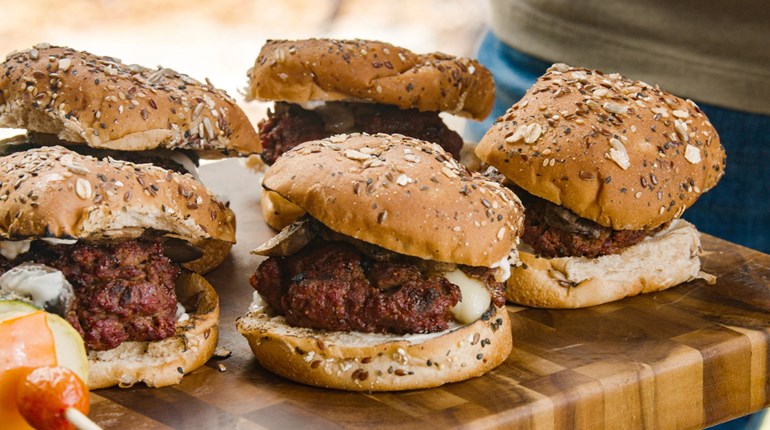
With spring bear season open in many parts of the country, this recipe is just one more reason to get out hunting. A meal of hot corned bear, followed by a Reuben black bear sandwich, and a bruin hash and egg are all good reasons to get corning. Corned meat is often finished by simmering the meat with carrots, onions and celery. Another option is to bake it covered in your favorite beer.
Ingredients
• 6 cups water
• 1½ cups kosher salt
• ½ cup light brown sugar
• 4 Tbsp pickling spice
• 4 tsp pink salt (curing salt with pink dye)
• 2 sticks cinnamon broken into several pieces
• 12 whole black peppercorns
• 12 whole cloves
• 12 whole allspice berries
• 12 whole juniper berries
• 6 cloves garlic, pressed or minced
• 2 bay leaves, crumbled
• 1 tsp ground ginger
• 2 lbs. ice
• 4–5 lb. bear roast or loin, trimmed
• 1 medium onion, quartered
• 1 large carrot, coarsely chopped
• 2 stalks celery, coarsely chopped
• 4 cans beer (optional)
Directions
1. Combine the brine ingredients in a large stockpot and bring to a boil until the salt and sugar have dissolved.
2. Remove brine from the heat and add the ice. Stir until most of the ice has melted. The brine should be cold to the touch, with a temperature of 45 degrees or less. Once it has cooled, place the bear in an extra-large zip-top bag and add the brine. Seal the bag and lay flat inside a container, cover and refrigerate for five to seven days. Check daily to make sure the meat is completely submerged and turn the bag over.
3. After five days, remove the meat and discard the brine. Rinse the meat well under cool water for several minutes.
4. Place the bear into a large stockpot, add the onion, carrot and celery and cover with water by 1 inch. Bring the contents to a boil, cover, and reduce the heat to a simmer for three hours. Or, place the bear, onion, carrot and celery in a baking pan and cover with your favorite beer. Cover and bake at 350 degrees for three hours.
5. Remove the bear from the pot and slice thinly across the grain. Store any uncut leftovers in the cooking liquid in a refrigerator.
*Pink salt is a combination of sodium chloride, sodium nitrite and pink dye. The pink dye adds color and is a surefire way to distinguish it from regular salt. Find it and other great products at westonbrands.com. Enter code BFENSON20 to receive 25 percent off.
For more delicious wild-game recipes, click here.