** When you buy products through the links on our site, we may earn a commission that supports NRA's mission to protect, preserve and defend the Second Amendment. **
Get a closer look at some of the taxidermy examples that Karen Mehall has spotted on the floor of the SCI show.
Gallery
1 of 1
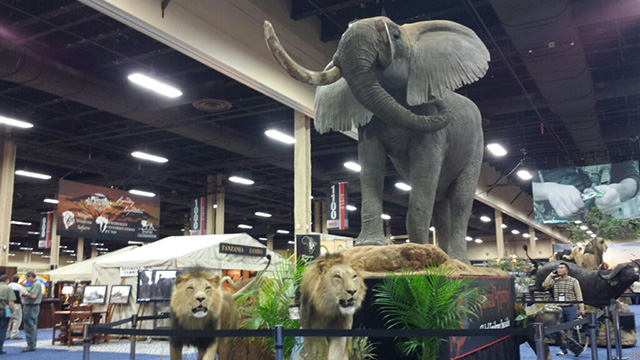
Welcome to the Show
How’s this for a greeting as you enter the show?
1 of 1
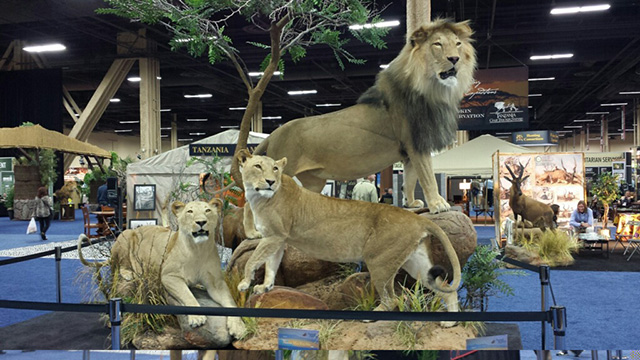
The Pride
Like these lions, we take “pride” in being hunters!
1 of 1
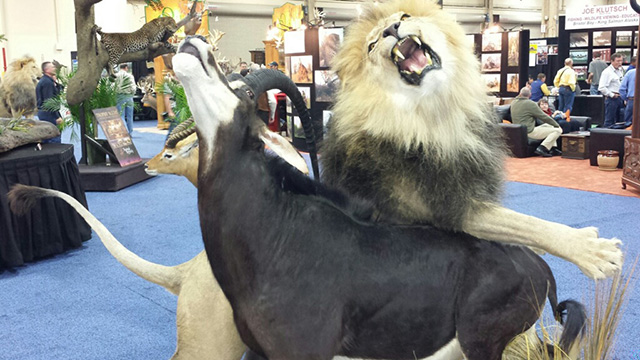
Take Down
A lion takes down a sable, marking another day on SCI’s African plain.
1 of 1
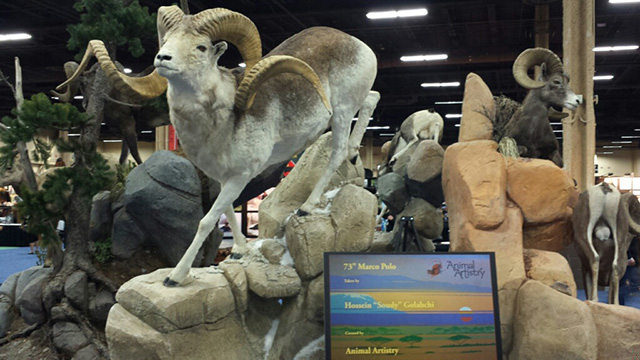
Big Game
Try and guess the size of this huge Marco Polo before peeking at the answer on Animal Artistry’s sign. A 73-incher is as good as it gets.
1 of 1
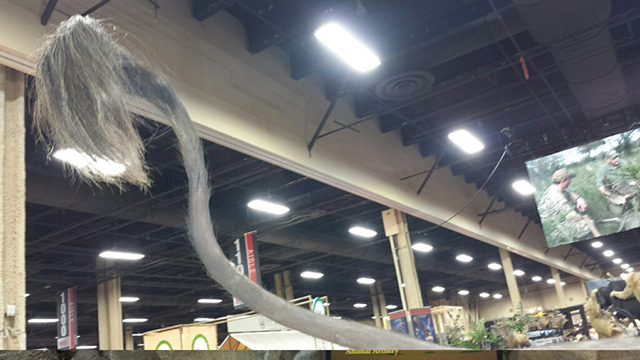
A Test
Guess what animal this tail belongs to before looking at the next photo.
1 of 1
And An Answer
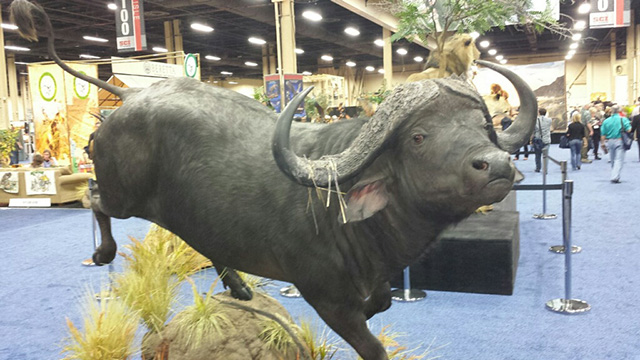
Hunting the aggressive, unpredictable Cape buffalo is on my bucket list!

1 of 1
On the Attack
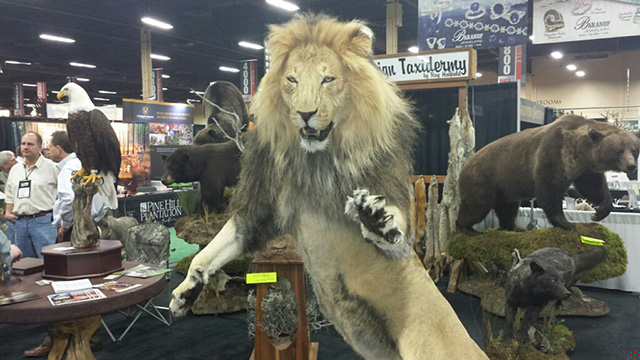
Kitty woke up on the wrong side of the bed this morning. Maybe that’s why he’s for sale for a mere $15,000!
1 of 1
Putting it in Perspective
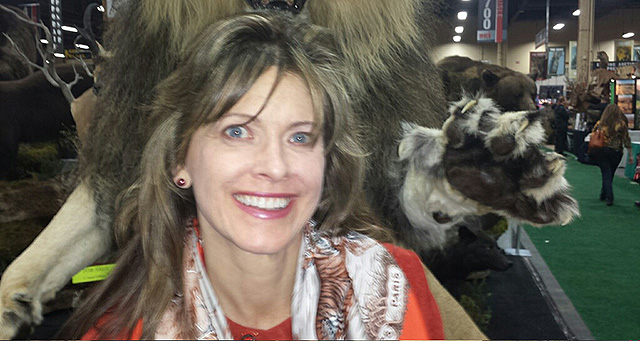
My head gives you a good gauge in guessing the size of his paws!
1 of 1
Opening Day Fantasy
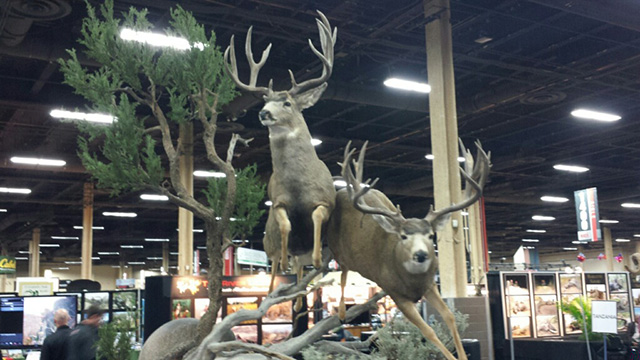
Imagine coming across two mule deer like these on opening day.
1 of 1
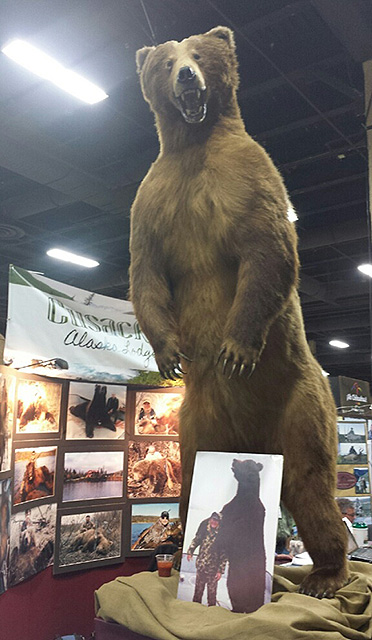
One Big Bear
This is one big brown bear. The photo of the hunter who dropped it puts the bear’s size into perspective in a hurry.
On June 26 the 2026-2027 Federal Migratory Bird Hunting and Conservation Stamp, aka Duck Stamp, went on sale. The fact it raises about $40 million for conservation annually gets the headlines, but there are underpublicized benefits for making the $25 purchase—even non-hunters.
Pryodex, the revolutionary black powder substitute that continues to be one of Hodgdon Powder Company’s most popular products for hunters who head afield with a “smoke pole,” was first introduced at the 1976 NRA Annual Meetings & Exhibits.
Have you ever spent hours at the range zeroing a rifle only to learn it is nowhere near center when you go to confirm it at camp? Many attribute this malady to scope shift during travel, and that can sometimes be the case. However, far more often this point-of-impact change can be attributed to the way we zeroed back home.